
 한국어
 English
 日本語
 中文(简体)
 Viewing now
Banantablets (Cefpodoxime Proxetil)
Cefpodoxime Proxetil 100mg
Tablet · Prescription medication
HK inno.N Co., Ltd.
MFDS item code 199300168 · Approved 1993.04.30 · Insurance code 640000480
Treatment of respiratory, ear, nose and throat, and dental infections; skin and soft tissue infections; and genitourinary infections
This medication is effective against various bacterial infections including staphylococcus, streptococcus, and pneumococcus. It is widely used for infectious diseases such as folliculitis, boils, and soft tissue infections of the skin, as well as respiratory infections like pharyngitis, bronchitis, and pneumonia. It is also helpful in treating bacterial infections of various sites, including pyelonephritis and cystitis related to urinary tract infections, otitis media, and sinusitis. It is effective not only for primary infections but also for secondary infections in chronic respiratory diseases such as chronic bronchitis, making it versatile. This medication improves inflammation and pus formation caused by infections and helps patients recover quickly. In conclusion, this medication is used to treat several types of bacterial infections.
○ Adults: Administer 100mg (potency) of cefpodoxime orally twice daily after meals. For severe cases or when the effect is considered insufficient, administer 200mg (potency) orally twice daily after meals. Adjust the dose as appropriate according to age, symptoms, etc.
○ Infants and children: Administer 3mg (potency) of cefpodoxime per Kg of body weight per dose, 2~3 times daily; reconstitute as a suspension before oral administration. ○ Infants and children: For severe cases or cases in which the effect is considered insufficient, administer 4.5mg (potency) per Kg of body weight per dose orally 3 times daily. Adjust the dose as appropriate according to age, symptoms, etc.
This medication should not be used by patients who have experienced severe allergic reactions or shock due to this drug in the past. Patients with a history of allergy or known allergy to penicillin antibiotics, as well as patients with a family history of allergic predisposition, should be administered cautiously. Caution is necessary for patients with severely impaired renal function as this drug may be excreted slowly from the body. Patients who have difficulty taking the medication orally, those receiving non-oral nutrition, the elderly, and those in poor overall health may experience vitamin K deficiency symptoms, so careful observation is essential. This medication can rarely cause severe allergic reactions or shock; if symptoms arise, administration should be stopped immediately. If hypersensitivity reactions such as skin rash, hives, or itching occur, administration should be stopped immediately, and appropriate treatment should be received. Gastrointestinal side effects may include severe colitis, abdominal pain, or diarrhea; if such symptoms occur, the medication should be stopped immediately. If respiratory symptoms such as fever, cough, or difficulty breathing arise, administration should also be ceased, and appropriate treatment is necessary. Abnormalities in blood tests may occur, so regular blood checks are important during long-term use. Neurological symptoms such as cognitive impairment or seizures may occur, therefore renal function should be monitored, and dose adjustments may be necessary. Serious skin adverse reactions may develop, so the skin condition should be monitored closely, and if abnormalities are found, administration must be stopped immediately. Regular testing is required to monitor liver and kidney function, and appropriate measures must be taken if abnormalities are found. This medication may cause microbiome disruption, leading to conditions such as stomatitis or candidiasis. Symptoms of vitamin K or vitamin B group deficiency may rarely appear, so careful observation of symptoms is essential. Dizziness, headaches, and malaise may occur; caution is necessary while driving or operating machinery. To prevent the emergence of resistant bacteria, susceptibility testing is recommended, and administration should only occur for the minimum necessary duration. To prevent severe allergic reactions, adequate history taking and skin reaction tests should be conducted prior to administration. This medication may affect kidney function when used with other diuretics or certain antibiotics, so caution is warranted. Furthermore, the blood concentration of this medication may change when taken with some drugs, so awareness of drug interactions is important. Safety during pregnancy has not been established, so it should only be used cautiously when necessary, and breastfeeding mothers should discontinue breastfeeding during treatment. The safety in children or newborns has not been fully confirmed, so caution is advised in usage. Elderly patients may exhibit adverse reactions more easily due to decreased body function, so adjustments to the dose and administration intervals should be made, and their condition should be observed. This medication may affect test results, so it is essential to inform healthcare professionals about its usage during testing. Syrup formulations should be stored in the refrigerator after preparation and used within 2 weeks; they should be well shaken before administration.
shock
Not everyone experiences these, and they can vary from person to person.
This medication should be stored in a tightly closed container to prevent air or moisture entry and should ideally be kept at room temperature. It is safe to keep it in a cool place away from extreme heat or cold and direct sunlight.
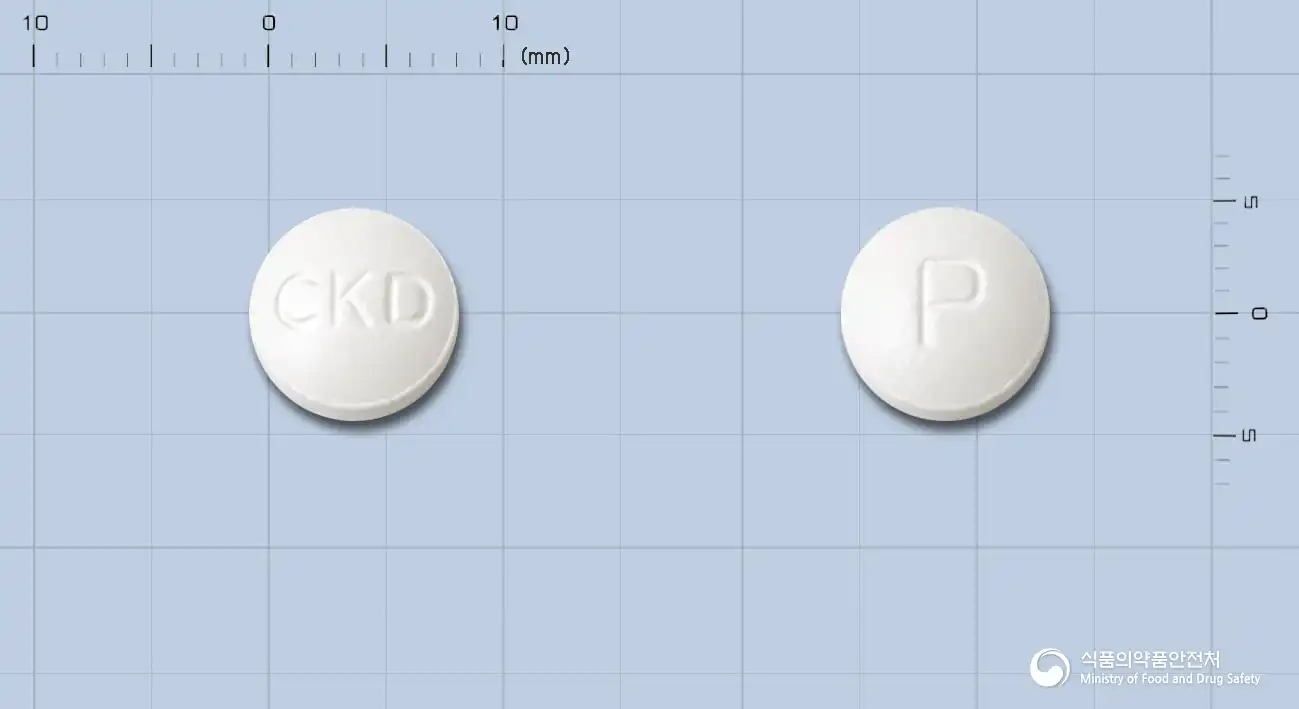
White to light yellow round film-coated tablets
30 tablets/bottle, 100 tablets/bottle, 500 tablets/bottle
Even with the same ingredient, strength, dosage form and how it is taken can differ.
Viewing nowCefpodoxime Proxetil 100mg
Tablet · Prescription medication
HK inno.N Co., Ltd.
Cefpodoxime Proxetil 5000mg
Prescription medication
HK inno.N Co., Ltd.
Cefpodoxime Proxetil 100mg
Tablet · Prescription medication
Jongkundang Co., Ltd.

Cefpodoxime Proxetil 100mg
Tablet · Prescription medication
Youngjin Pharmaceutical Co., Ltd.

Cefpodoxime Proxetil 130mg
Tablet · Prescription medication
Hanmi Pharmaceutical Co., Ltd.
Cefpodoxime Proxetil 5000mg
Prescription medication
Jongkundang Co., Ltd.
Cefpodoxime Proxetil
Prescription medication
SK Chemicals Co., Ltd.
Cefpodoxime Proxetil 5000mg
Prescription medication
Geonil Pharmaceutical Co., Ltd.
Even with the same ingredient, the dose and directions can differ by strength and dosage form. Talk to a doctor or pharmacist before switching from a medication you are already taking.
No questions yet.
For anything that needs medical judgment, consult a doctor or pharmacist.
This drug information is based on data provided by the Korea Ministry of Food and Drug Safety.
Consult a doctor or pharmacist for accurate dosage, administration, and usage instructions.