
 한국어
 English
 日本語
 中文(简体)
 Viewing now
Azelac 0.5 Milligrams (Alprazolam)
Alprazolam 0.5mg
Tablet · Prescription medication
Unimed Pharmaceutical Co., Ltd.
MFDS item code 199203482 · Approved 1992.10.21 · Insurance code 649501420
Relief of symptoms of anxiety (including anxiety associated with anxiety disorders or depression), panic disorder, and psychosomatic disorders
This medication is used for the treatment of anxiety disorders and for the short-term relief of anxiety symptoms. It also helps alleviate anxiety symptoms associated with depression. It is effective in improving anxiety, tension, depression, and sleep disturbances that occur in psychosomatic disorders such as gastrointestinal diseases like gastric and duodenal ulcers, and irritable bowel syndrome, as well as autonomic dysfunction. It is also used in the treatment of panic disorder, contributing to symptom relief. In summary, this medication is used to treat anxiety disorders, anxiety associated with depression, related psychosomatic symptoms, and panic disorder.
Determine the dose individually to achieve maximum benefit. The usual daily doses listed below are suitable for most patients, although higher doses may be required. In such cases, increase the dose slowly to avoid adverse effects. The risk of dependence may increase with the dose and duration of treatment. Therefore, use the lowest effective dose for the shortest possible duration and frequently reassess the need to continue treatment. ○ Adults 1. As alprazolam, the initial dose is 0.25-0.5㎎ per dose, 3 times daily, with a maximum dose of 4㎎ daily. For older adults, patients with hepatic impairment, and debilitated patients, the initial dose is 0.25㎎ per dose, 2-3 times daily. Reduce the dose if adverse effects occur at the initial dose. 2. Psychosomatic disorders Administer this medicine orally at 1.2㎎ daily in 3 divided doses. If increasing the dose, increase it gradually to a maximum of 2.4㎎ daily and administer orally in 3-4 divided doses. For older adults, the initial dose is 0.4㎎ per dose, 1-2 times daily, with a maximum dose of 1.2㎎ daily. 3. Panic disorder Start with 0.5㎎ of this medicine and, depending on the patient's response, increase the dose by no more than 1㎎ at intervals of 3-4 days, to an average daily dose of 5-6㎎ divided into 3-4 doses. When discontinuing treatment, reduce the dose by no more than 0.5㎎, usually at intervals of 3 days; an even lower dose reduction may be required.
This medication can be very dangerous when taken with narcotics. Taking them together can lead to severe drowsiness, respiratory arrest, or coma, and in severe cases, death may occur. Therefore, using it in combination with narcotics should only be done when absolutely necessary, at the minimum dosage and for the shortest duration, with careful monitoring of the patient's condition. There is a risk of abuse and dependency with this medication, so the patient’s condition should be closely monitored while taking it. Special caution is warranted when used with alcohol or other central nervous system depressants, as serious side effects from overdose may occur. This medication should not be administered to certain patients. For example, individuals allergic to this drug or similar medications, those with acute angle-closure glaucoma, severe myasthenia gravis, severe respiratory failure, severe liver dysfunction, those in late pregnancy, or individuals with alcohol or drug dependence should avoid its use. Patients with heart, liver, or kidney problems, elderly patients, patients with brain disorders, and those with sleep apnea must exercise special caution when using this medication. Additionally, caution is needed if there is a known allergy to specific dyes included in this medication. While taking this medication, drowsiness, decreased concentration, and impaired reflexes may occur, so it is advised to avoid driving or operating machinery. If taken for a long time, regular blood tests and liver function tests are recommended. Sudden discontinuation of this medication may cause withdrawal symptoms, so dosage should be gradually reduced. This should be done more cautiously if high doses have been taken for an extended period. Extra caution is necessary when administering this medication to patients with depression, as some patients may exhibit increased mood or aggressive behavior. There are many drug interactions, so especially when taken with alcohol, sedatives, narcotic analgesics, certain antibiotics, and antidepressants, it is crucial to consult with a doctor or pharmacist. Women who are pregnant or breastfeeding should consult with a professional before taking this medication, and it should not be used in the later stages of pregnancy. Safety in children has not been established, so it is advisable not to use it in individuals under 18 years of age. In case of overdose, severe drowsiness, motor coordination disorders, coma, and respiratory depression may occur, and immediate medical attention must be sought. This medication should be kept out of reach of children and stored in its original container to prevent misuse.
Not everyone experiences these, and they can vary from person to person.
This medication should be stored in a tightly sealed container to avoid exposure to air or moisture. Additionally, it is best to store the drug at room temperature, in a place that is not too hot or too cold. Doing so helps maintain the drug’s effectiveness for a longer period.
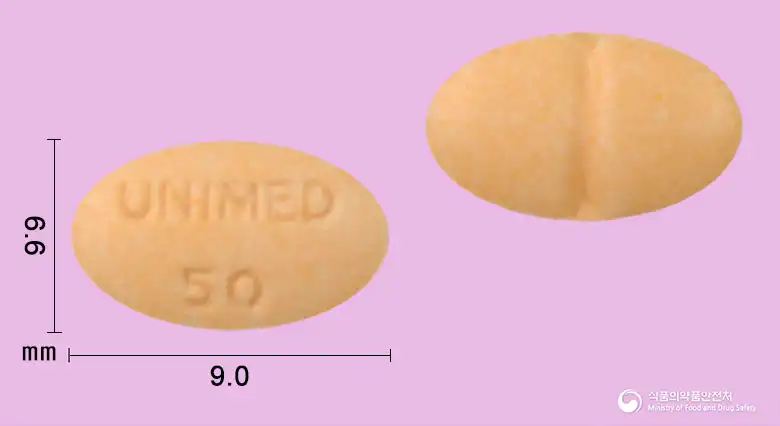
Red oval-shaped tablet
30 tablets/bottle, 200 tablets/bottle
Even with the same ingredient, strength, dosage form and how it is taken can differ.
Viewing nowAlprazolam 0.5mg
Tablet · Prescription medication
Unimed Pharmaceutical Co., Ltd.
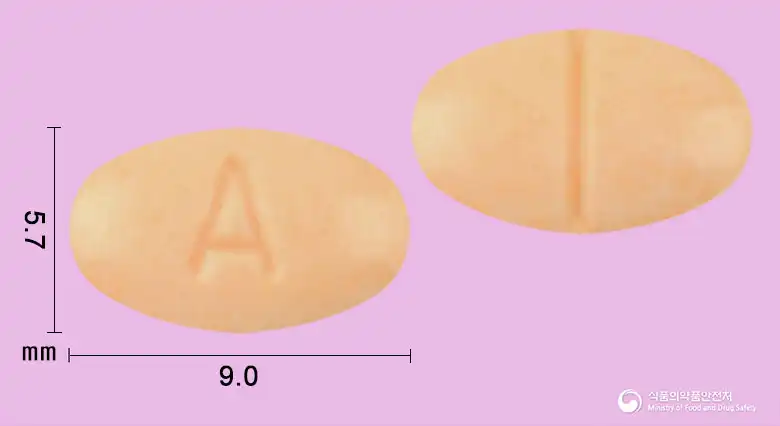
Alprazolam 0.5mg
Tablet · Prescription medication
Hanin Pharmaceutical Co., Ltd.
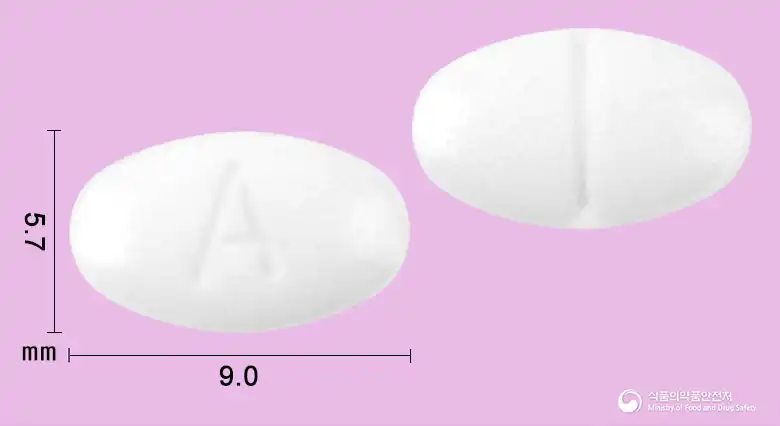
Alprazolam 0.25mg
Tablet · Prescription medication
Han In Pharmaceutical Co., Ltd.
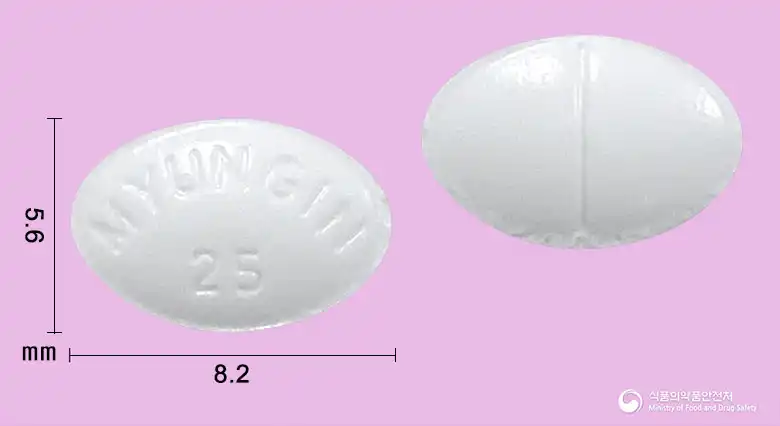
Alprazolam 0.25mg
Tablet · Prescription medication
Myungin Pharmaceutical Co., Ltd.
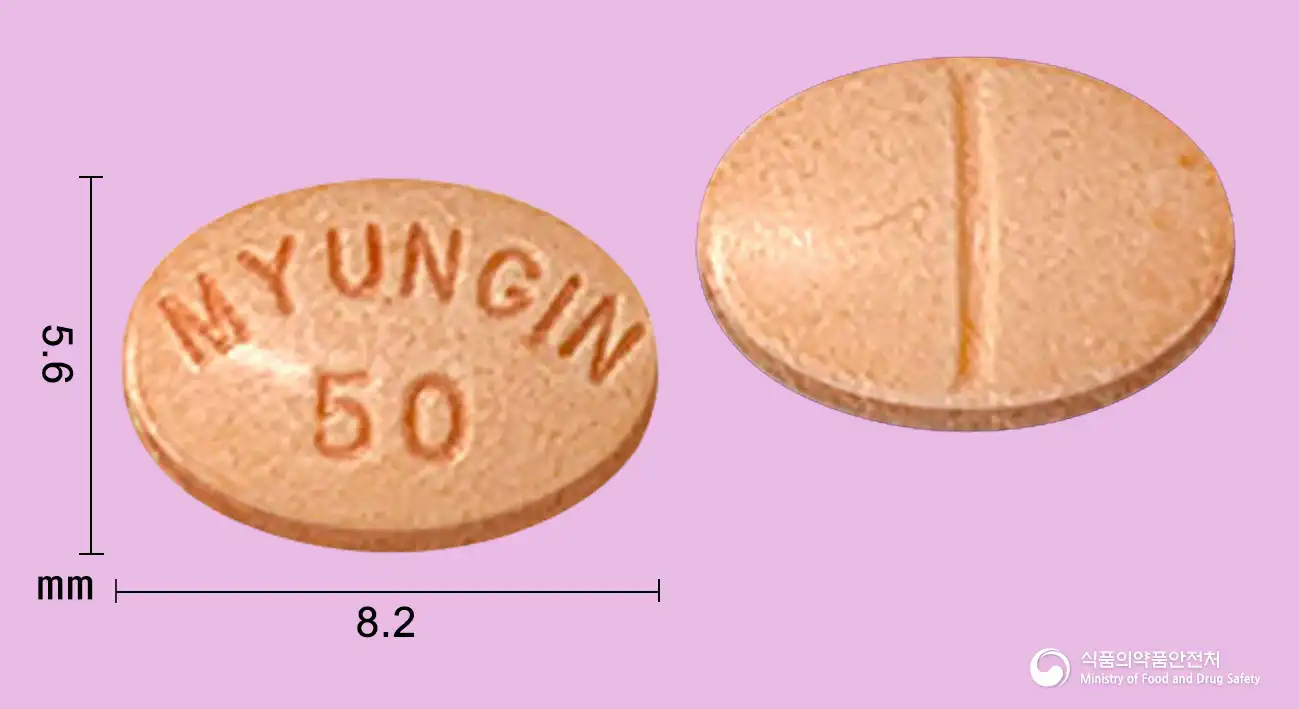
Alprazolam 0.5mg
Tablet · Prescription medication
Myung In Pharmaceutical Co., Ltd.
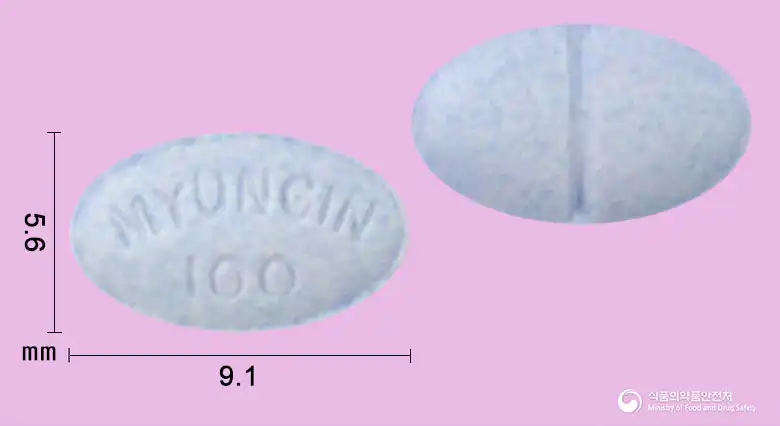
Alprazolam 1mg
Tablet · Prescription medication
Myungin Pharmaceutical Co., Ltd.
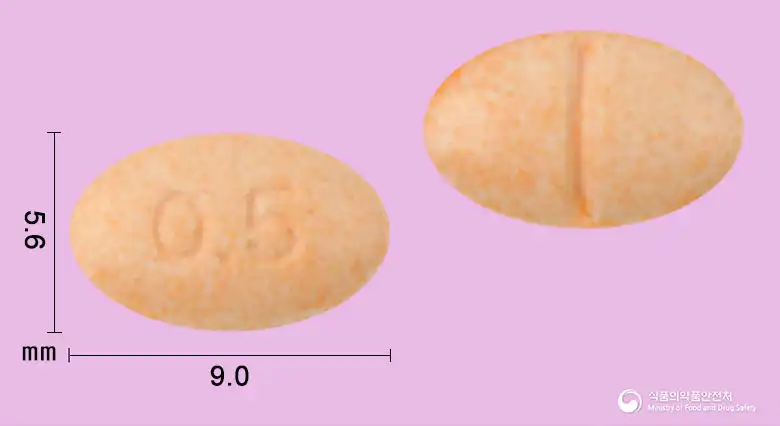
Alprazolam 0.5mg
Tablet · Prescription medication
Kwangdong Pharmaceutical Co., Ltd.
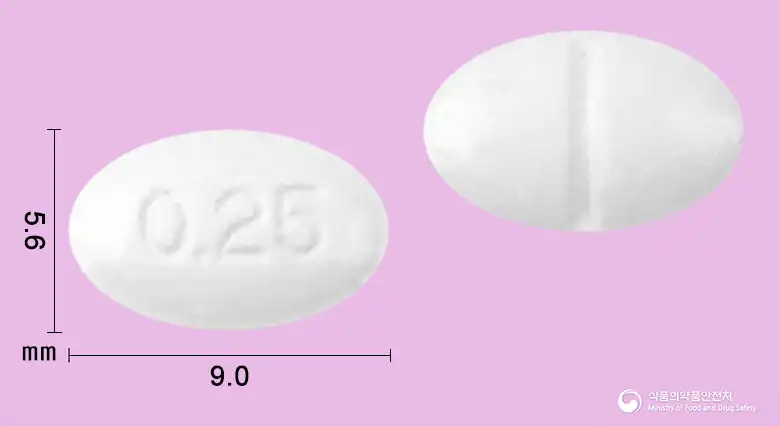
Alprazolam 0.25mg
Tablet · Prescription medication
Kwangdong Pharmaceutical Co., Ltd.
Even with the same ingredient, the dose and directions can differ by strength and dosage form. Talk to a doctor or pharmacist before switching from a medication you are already taking.
No questions yet.
For anything that needs medical judgment, consult a doctor or pharmacist.
This drug information is based on data provided by the Korea Ministry of Food and Drug Safety.
Consult a doctor or pharmacist for accurate dosage, administration, and usage instructions.