
 한국어
 English
 日本語
 中文(简体)
 Viewing nowCombination
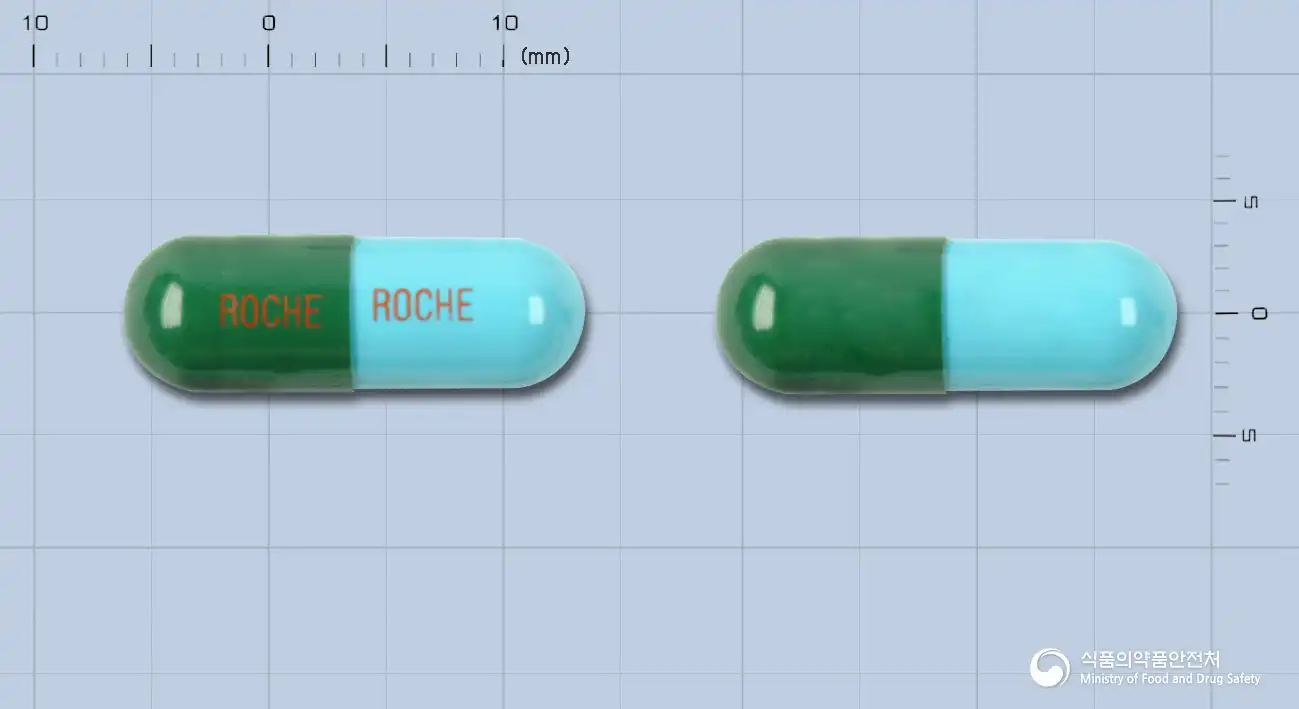
Madopar SV Capsule 125
Levodopa 100mg · Benserazide Hydrochloride 28.5mg
Hard capsule · Prescription medication · Combination
(Roche Korea, Ltd.)
MFDS item code 199203393 · Notified 1992.11.19 · Insurance code 645000170
Treatment of parkinsonism, except when drug-induced
This medication is used for Parkinson's syndrome. Parkinson's syndrome is a disorder that causes motor dysfunction, and this drug helps alleviate symptoms.
1. Do not chew this medicine. This medicine is recommended for patients who experience marked fluctuations in therapeutic effect (the “on-off” phenomenon) during treatment with levodopa/benserazide (200/50㎎) tablets. When switching to this medicine, it is preferable to start with the same total daily dose and dosing frequency as the levodopa/benserazide (200/50㎎) tablets being taken for the preceding 1-2 days. 2. Because this medicine has low bioavailability, the dose should be gradually increased by up to 50% after 2-3 days. Inform patients that their condition may worsen temporarily. 3. Because of its pharmacokinetic properties, this medicine takes approximately 3 hours to begin working. Concomitant administration with levodopa/benserazide (200/50㎎) tablets can achieve effective blood concentrations more rapidly; this combination is especially useful for the first dose in the morning. 4. Taking this medicine with food may delay the onset of action (see “Precautions for Use, 5. Interactions”). 5. More experience is needed to determine whether initiating treatment with levodopa in combination with this medicine is more effective in patients with newly diagnosed Parkinson's disease.
This drug should not be used in patients with severe endocrine disorders, liver dysfunction, kidney disorders, heart diseases, or mental illnesses. Also, women under the age of 25, pregnant women, patients with a history of malignant melanoma, or those with angle-closure glaucoma should avoid this medication. Patients with hypersensitivity to this drug or those taking non-selective MAO inhibitors should not be treated with this drug. Patients with slightly compromised liver or kidney function, open-angle glaucoma patients, and those with a history of heart disease should use this drug cautiously. Patients with osteomalacia, peptic ulcers, or diabetes should use this drug carefully, and it may be necessary to frequently monitor blood glucose levels to adjust diabetes medication dosages. During long-term use, regular blood tests and liver and kidney function tests should be conducted, and mental symptoms such as decreased appetite, depression, agitation, anxiety, insomnia, and hallucinations may occur. Elderly patients or those with a history of mental and neurological disorders should pay special attention to mental symptoms, and drowsiness or hypersomnolence may rarely occur, requiring caution when driving or operating machinery. This drug may also cause side effects such as gastrointestinal disturbances (nausea, vomiting, diarrhea), skin rash, hypotension, and arrhythmias, so any unusual symptoms should be immediately discussed with healthcare professionals. Patients scheduled for surgery should discontinue this medication for a certain period before anesthesia due to associated risks, and sudden discontinuation may lead to severe neurological side effects, so a gradual reduction is necessary. Additionally, this medication interacts with many other drugs, so it is essential to inform healthcare professionals about any medications being taken, especially when used in conjunction with non-selective MAO inhibitors, sympathomimetic agents, antipsychotics, and antihypertensive drugs. Women who are pregnant or breastfeeding should not take this medication, and women of childbearing potential should take a pregnancy test before use and ensure appropriate contraception. In the event of overdose, cardiovascular abnormalities, mental disorders, and gastrointestinal disturbances may worsen, necessitating immediate medical attention. Finally, this drug should be kept out of reach of children and stored in a tightly sealed container due to its sensitivity to moisture.
Not everyone experiences these, and they can vary from person to person.
This medication should be stored in a tightly sealed container to prevent exposure to air and moisture. Additionally, it is important to store it in a cool place below 30 degrees to maintain the drug's effectiveness.
A hard capsule filled with a white or yellowish powder, with a dark green upper part and a light blue lower part.
100 capsules per bottle
Even with the same ingredient, strength, dosage form and how it is taken can differ.
Viewing nowCombinationLevodopa 100mg · Benserazide Hydrochloride 28.5mg
Hard capsule · Prescription medication · Combination
(Roche Korea, Ltd.)
 Combination
Levodopa 100mg · Benserazide Hydrochloride 28.5mg
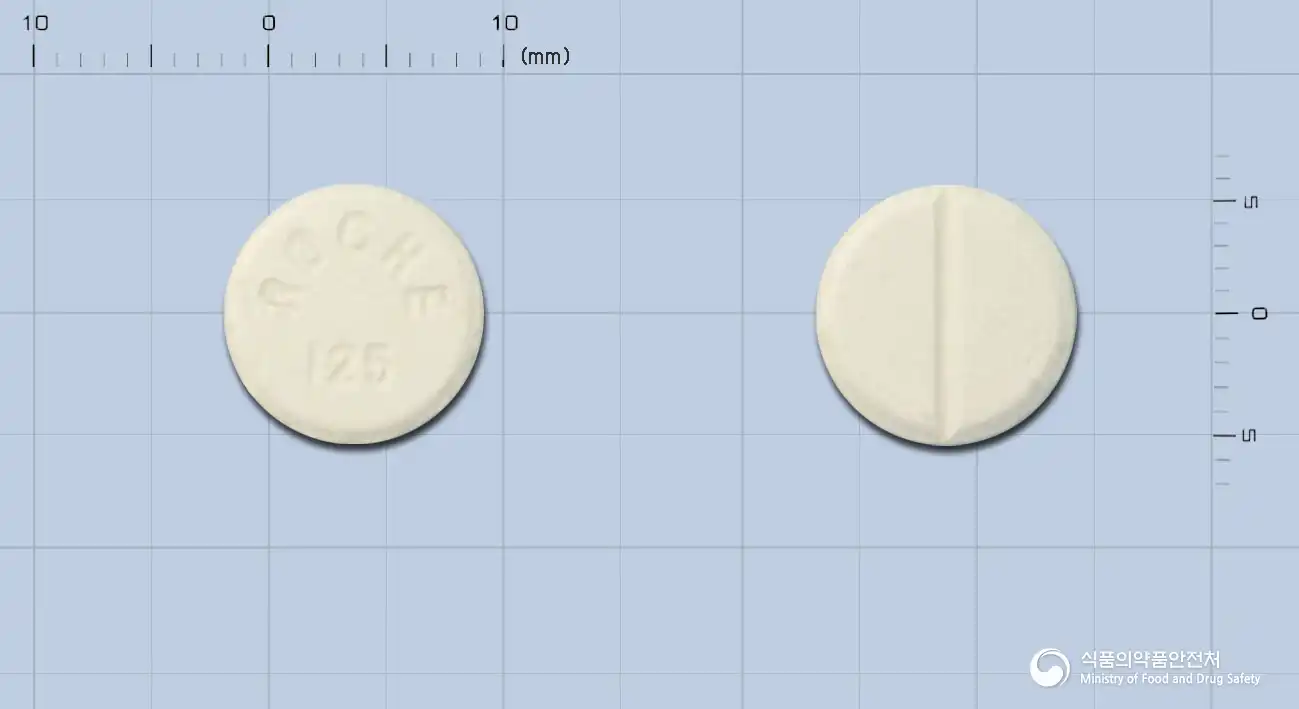
Tablet · Prescription medication · Combination
Roche Korea Co., Ltd.
Levodopa · Benserazide Hydrochloride
Prescription medication · Combination
Roche Korea, Co., Ltd.
Levodopa · Benserazide Hydrochloride
Prescription medication · Combination
Roche Korea Co., Ltd.
Even with the same ingredient, the dose and directions can differ by strength and dosage form. Talk to a doctor or pharmacist before switching from a medication you are already taking.
No questions yet.
For anything that needs medical judgment, consult a doctor or pharmacist.
This drug information is based on data provided by the Korea Ministry of Food and Drug Safety.
Consult a doctor or pharmacist for accurate dosage, administration, and usage instructions.