
 한국어
 English
 日本語
 中文(简体)
 Viewing now
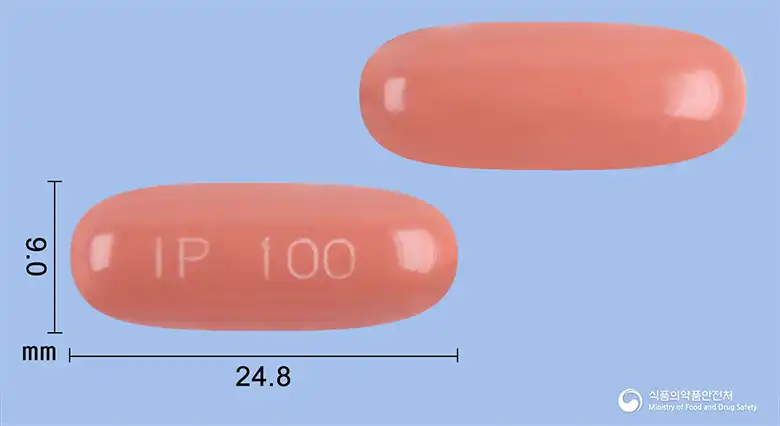
Impranta Soft Capsule 100 mg (Cyclophosphamide)
Cyclosporine 100mg
Soft capsule · Prescription medication
Hanmi Pharmaceutical Co., Ltd.
MFDS item code 199202070 · Notified 1992.06.24 · Insurance code 643502240
Prevention and treatment of organ transplant rejection and bone marrow transplant rejection and graft-versus-host reaction; treatment of endogenous uveitis
This medication is used to prevent organ transplant rejection reactions associated with donor-type organ transplants of the kidney, liver, heart, lung, combined organs, and pancreas after transplantation. It is also effective for treating organ transplant rejection reactions in patients receiving other immunosuppressants. In bone marrow transplant patients, it helps prevent tissue transplant rejection and aids in the prevention and treatment of graft-versus-host disease (GVHD). This drug is also used to treat intermediates or late non-infectious uveitis, especially in patients at risk of vision loss. It is effectively used in patients aged 7 to 70 years with Behçet's uveitis who have normal kidney function. Overall, it regulates immune responses and improves symptoms related to transplant rejection and uveitis.
1. Organ transplantation 1) Initial dose: Administer 10 ∼ 15 mg/kg body weight per day in 2 divided doses, starting 12 hours before surgery. 2) Maintenance dose: For 1 ∼ 2 weeks after surgery, use the same dose as the initial dose, then gradually reduce the dose according to blood concentrations until it reaches 2 ∼ 6 mg/kg body weight per day in 2 divided doses. The total daily dose of this drug should always be administered in 2 divided doses. 3) Concomitant therapy: A lower dose (e.g., oral administration of 3 ∼ 6 mg/kg body weight in 2 divided doses) may be used when treatment is given with corticosteroids or as triple or quadruple immunosuppressive therapy. 2. Bone marrow transplantation 1) The first dose should be administered one day before surgery, preferably by intravenous injection (see Dosage and Administration for injection). 2) Administer 12.5 ∼ 15 mg/kg body weight per day in 2 divided doses on the day before surgery. As a maintenance dose, administer approximately 12.5 mg/kg body weight per day for 3 ∼ 6 months (preferably 6 months) before tapering to a dose of 0 (zero) by 1 year after transplantation. 3) Higher oral doses or intravenous administration may be required in patients with malabsorption or gastrointestinal disorders. The total daily dose of this drug must be administered in 2 divided doses. 4) GVHD may occur after discontinuation of this drug, but generally responds well to re-administration. Use a low dose to treat chronic, mild GVHD. 3. Endogenous uveitis 1) The initial dose is 5 ∼ 7 mg/kg body weight per day orally in 2 divided doses, and treatment should be continued until inflammation subsides or vision is restored. Thereafter, gradually reduce the dose to the minimum effective dose; the effective dose should not exceed 5 mg/kg body weight per day (in such cases, it is generally appropriate to maintain a whole-blood concentration of 200 ∼ 600 ng/mL.). 2) If treatment with this drug alone is ineffective or inadequate, a low dose of a corticosteroid (e.g., prednisone 0.2 ∼ 0.4 mg/kg body weight per day) may be administered concomitantly. If the disease recurs, the dose of this drug may be increased, but it must be reduced to the minimum effective dose. If inflammation has not improved significantly after approximately 3 months of treatment, other treatments should be considered. - During treatment with this drug, if the blood creatinine level exceeds the baseline level by 30 %, reduce the dose of this drug by 25 ~ 50 %. - For patients with abnormal renal function at baseline, use an initial dose of 2.5 mg/kg and monitor closely. - When cyclosporine is used for graft-versus-host disease (GVHD), initially administer 12.5 ∼ 15 mg/kg body weight per day for 50 days, then reduce the dose by 5 % at 1-week intervals to maintain a dose of 2 mg/kg body weight per day; treatment may be discontinued at this dose. If oral administration is not feasible, the injectable formulation may be used at 1/3 of the oral dose.
Age 1 year or older: When the standard dose is administered Children: Do not administer this drug if the serum creatinine level is > 140 μmol/L.
This medication can cause adverse reactions if glass fragments are mixed when cutting open glass ampoules for injection, so care must be taken during the cutting process. Extra caution is required, especially for children and the elderly. It should not be administered to patients with allergies to this drug or its components, patients with kidney disease, uncontrolled infections, or malignancies. Furthermore, it should not be used in patients with psoriasis, atopic dermatitis, rheumatoid arthritis, or uveitis if renal failure, hypertension, or infections are uncontrolled. Patients with more than 50% kidney function decline, severe liver disease, hyperkalemia, rheumatoid arthritis patients under 18 years old, pregnant women or those who may become pregnant, and nursing mothers should not receive this medication. It should also be avoided when taken with certain medications, and use in the elderly and infants under 24 months should be conducted with caution. This drug can cause various side effects such as kidney function impairment, tremors, hirsutism, hypertension, gastrointestinal symptoms, etc., which usually vary by dosage. Due to its immunosuppressive action, there may be an increased risk of infections and a higher risk of malignancy; therefore, caution is needed for long-term administration. Regular blood tests and monitoring of kidney and liver functions should be conducted, and blood pressure should be measured consistently; any abnormalities should be addressed appropriately. This drug has many interactions with other medications, requiring careful monitoring and dosage adjustment during combined treatment. Pregnant or breastfeeding women should not use this drug, and breastfeeding should be discontinued if using this medication. For the elderly, dosage should be adjusted considering decreased liver and kidney functions, and adequate experience with pediatric use is limited, so caution is advised. Overdosage can lead to kidney dysfunction, necessitating immediate cessation of treatment and appropriate symptom management. This medication should be stored out of reach of children and should not be transferred to other containers. Injectable preparations should be used within 24 hours after dilution, and it is safer to use glass containers during administration. Caution is necessary while driving or operating machinery as dizziness or drowsiness may occur. During treatment, care should be taken not to combine with potassium-rich foods or potassium-sparing medications. Additionally, this medication suppresses immune function, potentially reducing vaccine efficacy, so live vaccinations should be avoided. Long-term use can increase the risk of skin cancer and other malignancies, necessitating avoidance of excessive UV exposure and regular skin check-ups.
Not everyone experiences these, and they can vary from person to person.
This medication should be stored in a sealed container to prevent air ingress, away from direct sunlight, and at normal room temperature. Doing so helps maintain the drug's efficacy over time.
Pale brown oval soft capsules containing pale yellow contents
50 capsules/box (10 capsules/PTP x 5)
Even with the same ingredient, strength, dosage form and how it is taken can differ.
Viewing nowCyclosporine 100mg
Soft capsule · Prescription medication
Hanmi Pharmaceutical Co., Ltd.
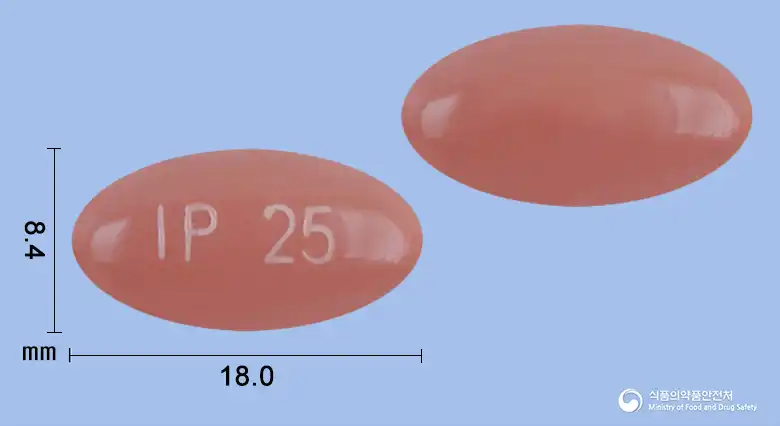
Cyclosporine 25mg
Soft capsule · Prescription medication
Hanmi Pharmaceutical Co., Ltd.
Cyclosporine 250mg
Injections · Prescription medication
Jongkundang Co., Ltd.
Cyclosporine 250mg
Injections · Prescription medication
Novartis Korea Co., Ltd.
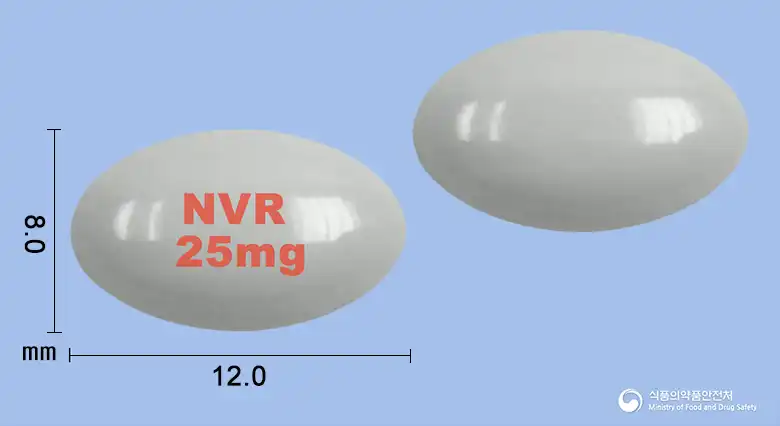
Cyclosporine 25mg
Soft capsule · Prescription medication
Novartis Korea Ltd.
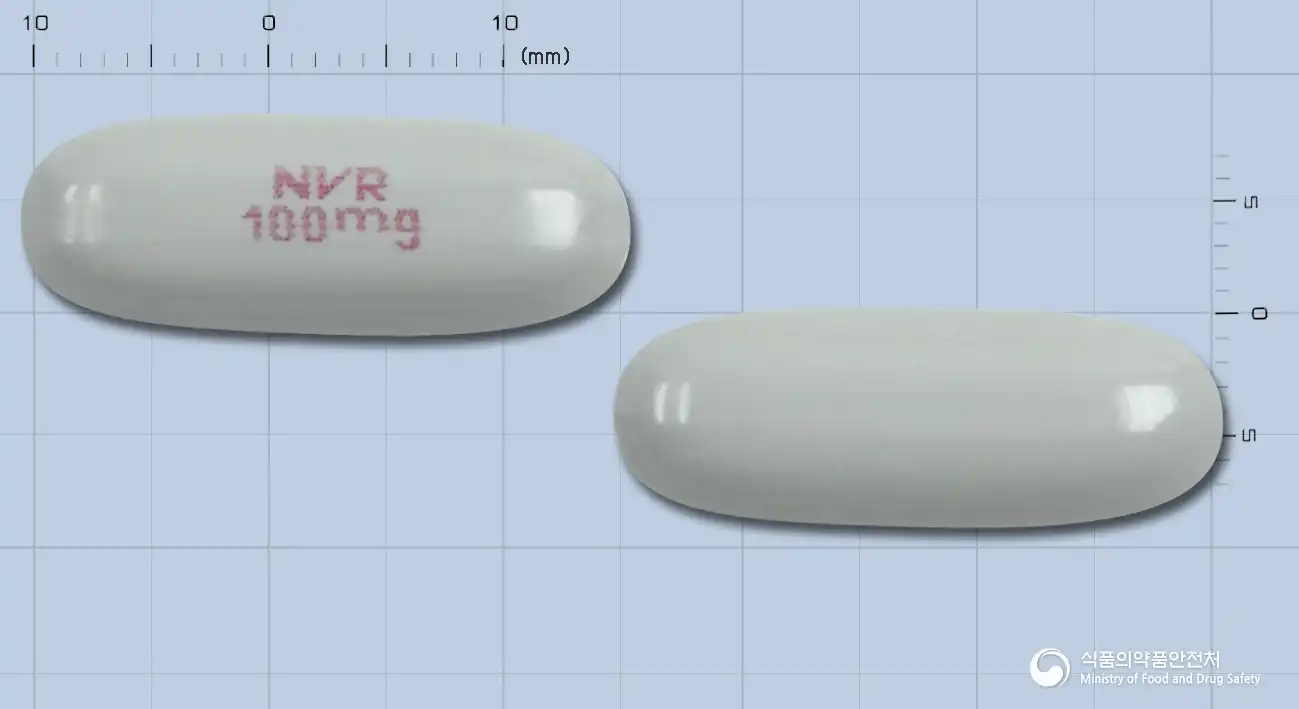
Cyclosporine 100mg
Soft capsule · Prescription medication
Novartis Korea Ltd.
Cyclosporine 10g
Prescription medication
Novartis Korea Co., Ltd.
Cyclosporine 0.5mg
Solution · Prescription medication
AbbVie Korea Co., Ltd.
Even with the same ingredient, the dose and directions can differ by strength and dosage form. Talk to a doctor or pharmacist before switching from a medication you are already taking.
No questions yet.
For anything that needs medical judgment, consult a doctor or pharmacist.
This drug information is based on data provided by the Korea Ministry of Food and Drug Safety.
Consult a doctor or pharmacist for accurate dosage, administration, and usage instructions.