
 한국어
 English
 日本語
 中文(简体)
 Viewing now
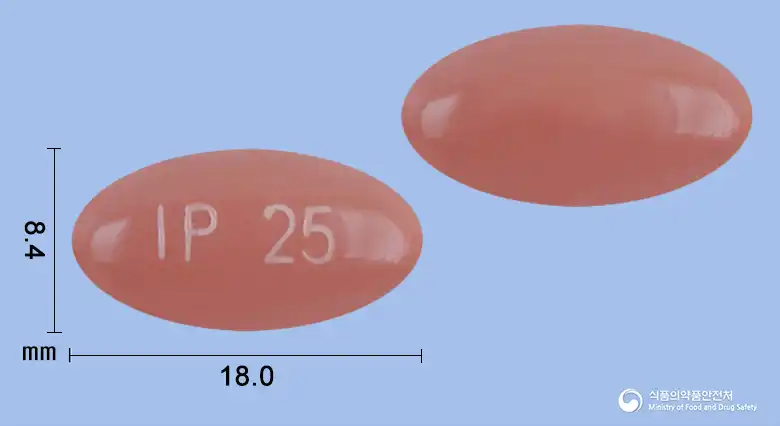
Impranta Soft Capsule 25 mg (Cyclophosphamide)
Cyclosporine 25mg
Soft capsule · Prescription medication
Hanmi Pharmaceutical Co., Ltd.
MFDS item code 199202069 · Notified 1992.06.24 · Insurance code 643502220
Prevention and treatment of organ or bone marrow transplant rejection and GVHD; treatment of endogenous uveitis
This medication is used to prevent organ transplant rejection for kidneys, liver, heart, lungs, and pancreas after transplantation. It is also effective for treating organ transplant rejection in patients using other immunosuppressants. In patients who have undergone bone marrow transplantation, it prevents tissue transplant rejection and is also used for the prevention and treatment of graft-versus-host disease (GVHD). Additionally, it aids in the treatment of active non-infectious intermediate or posterior uveitis at risk of vision loss and Behçet's uveitis. Overall, it modulates immune response to improve transplant rejection and inflammatory ocular diseases.
(Capsules) 25, 50, 100 mg 1. Organ transplantation 1) Initial dose: Administer 10 ∼ 15 mg/kg body weight per day in 2 divided doses, starting 12 hours before surgery. 2) Maintenance dose: For 1 ∼ 2 weeks after surgery, use the same dose as the initial dose, then gradually reduce the dose according to blood concentrations until it reaches 2 ∼ 6 mg/kg body weight per day in 2 divided doses. The total daily dose of this drug should always be administered in 2 divided doses. 3) Concomitant therapy: A lower dose (e.g., oral administration of 3 ∼ 6 mg/kg body weight in 2 divided doses) may be used when treatment is given with corticosteroids or as triple or quadruple immunosuppressive therapy. 2. Bone marrow transplantation 1) The first dose should be administered one day before surgery, preferably by intravenous injection (see Dosage and Administration for injection). 2) Administer 12.5 ∼ 15 mg/kg body weight per day in 2 divided doses on the day before surgery. As a maintenance dose, administer approximately 12.5 mg/kg body weight per day for 3 ∼ 6 months (preferably 6 months) before tapering to a dose of 0 (zero) by 1 year after transplantation. 3) Higher oral doses or intravenous administration may be required in patients with malabsorption or gastrointestinal disorders. The total daily dose of this drug must be administered in 2 divided doses. 4) GVHD may occur after discontinuation of this drug, but generally responds well to re-administration. Use a low dose to treat chronic, mild GVHD. 3. Endogenous uveitis 1) The initial dose is 5 ∼ 7 mg/kg body weight per day orally in 2 divided doses, and treatment should be continued until inflammation subsides or vision is restored. Thereafter, gradually reduce the dose to the minimum effective dose; the effective dose should not exceed 5 mg/kg body weight per day (in such cases, it is generally appropriate to maintain a whole-blood concentration of 200 ∼ 600 ng/mL.). 2) If treatment with this drug alone is ineffective or inadequate, a low dose of a corticosteroid (e.g., prednisone 0.2 ∼ 0.4 mg/kg body weight per day) may be administered concomitantly. If the disease recurs, the dose of this drug may be increased, but it must be reduced to the minimum effective dose. If inflammation has not improved significantly after approximately 3 months of treatment, other treatments should be considered. - For patients with abnormal renal function at baseline, use an initial dose of 2.5 mg/kg and monitor closely. - Do not administer this drug to adults with a serum creatinine level > 200 μmol/L. - When cyclosporine is used for graft-versus-host disease (GVHD), initially administer 12.5 ∼ 15 mg/kg body weight per day for 50 days, then reduce the dose by 5 % at 1-week intervals to maintain a dose of 2 mg/kg body weight per day; treatment may be discontinued at this dose. If oral administration is not feasible, the injectable formulation may be used at 1/3 of the oral dose.
No problems have been reported in children 1 year of age or older receiving the standard dose, but there is very limited experience with the use of this drug in infants. Do not administer this drug to children with a serum creatinine level > 140 μmol/L.
This medication, in injectable form, must be handled very carefully to prevent glass fragments from entering when cutting the glass ampoule. Extra caution is needed, particularly when used in children and the elderly. This medication should not be administered to certain patients. For example, those allergic to this drug or its components, patients with kidney disease, psoriasis, atopic dermatitis, rheumatoid arthritis, uveitis, severe liver disease, hyperkalemia, patients with rheumatoid arthritis under 18 years old, pregnant or breastfeeding women, and patients currently taking certain other medications should not use this medication. Elderly patients and infants under 24 months should be treated cautiously, as side effects may include renal dysfunction, hypertension, nausea, vomiting, diarrhea, hypertrichosis, and tremors. Side effects usually depend on the dosage, and symptom relief can occur with dose adjustments. Patients receiving this medication may have an increased risk of infection and should be vigilant for infection symptoms. Moreover, due to immunosuppressive effects, there may be an increased risk of malignancies or skin cancers, so skin conditions should be closely monitored during long-term treatment. This medication can affect blood pressure and kidney function, requiring regular blood pressure monitoring and kidney function tests. If serum creatinine levels rise, the dosage must be reduced or the medication discontinued. This medication may interact with multiple drugs, so if there are other medications taken concurrently, the healthcare provider must be informed, and drug concentrations and kidney function must be checked frequently. Pregnant or potentially pregnant women, and breastfeeding mothers should not use this medication, as use during pregnancy may increase the risk of premature birth. In elderly patients, the dosage should be started low and used cautiously, and in pediatric patients, it is not recommended except for transplant and nephrotic syndrome treatment. In cases of overdose, renal dysfunction may occur; therefore, immediate consultation with healthcare professionals and appropriate treatment should be sought if an overdose occurs. This medication should be stored where children cannot reach it, and it is best not transferred into another container. Finally, this medication may require caution when driving or operating machinery, so care should be taken if symptoms such as drowsiness or dizziness occur.
Kidney disorders, tremors, hirsutism, hypertension, diarrhea, loss of appetite, nausea, vomiting, similar anaphylactic reactions, infection, leukopenia, anemia, thrombocytopenia, tubular dysplasia hemolytic anemia, hemolytic uremic syndrome, hyperlipidemia, hyperglycemia, hyperuricemia, hyperkalemia, hypomagnesemia, migraines, headaches, recurrent seizures, sensory disturbances, convulsions, confusion, disorientation, decreased responsiveness, anxiety, insomnia, visual impairment, cortical blindness, coma, incomplete paralysis, cerebellar ataxia, multifocal neuropathy, optic disc edema, optic nerve head edema, flushing, upper abdominal discomfort, gingival hyperplasia, abdominal pain, peptic ulcer, pancreatitis, hepatotoxicity, abnormal liver function, acne, rash, allergic rash, muscle spasms, myalgia, muscle weakness, myopathy, menstrual disorders, gynecomastia, fatigue, fever, edema, weight gain, lymphoma, epistaxis, lymphadenopathy, blood coagulation disorders, glomerular microvascular thrombosis, upper abdominal discomfort, gingivitis, toothache, gastritis, hiccups, gastric ulcer, distension, rectal bleeding, stomatitis, gum bleeding, glossitis, salivary gland enlargement, dry mouth, dysphagia, esophagitis, gastroenteritis, abdominal bloating, upper gastrointestinal bleeding, constipation, colitis, myocardial infarction, chest pain, heart failure, peripheral ischemia, cholestasis, hepatitis, liver failure, jaundice, elevated serum creatinine, elevated serum BUN, pyelonephritis, dysuria, oliguria, polyuria, hematuria, elevated NPN, urethral infection, acute pancreatitis, allergic dermatitis, hair loss, skin ulcer, abnormal pigmentation, angioedema, dermatitis, dry skin, eczema, nail disorders, hives, hair breakage, keratosis, itching, paresthesia, generalized seizure, confusion, drowsiness, hypersomnia, dizziness, numbness, anxiety, depression, decreased libido, increased libido, difficulty concentrating, neuroexcitability, neurological disorders, visual and motor disorders, partial loss of consciousness, reversible posterior leukoencephalopathy syndrome, hypertensive encephalopathy, loss of sense of direction, motor paralysis, polyneuropathy, headache, ataxia, emotional incontinence, extrapyramidal symptoms, consciousness disorder, fluid cell hypertrophy, fever, pneumonia, sepsis, abscess, soft tissue infection, folliculitis, cytomegalovirus infection, wounds and skin infections, renal abscess, moniliasis, tonsillitis, urinary tract infection, herpes simplex, shingles, thrombotic microangiopathy, thrombotic thrombocytopenic purpura, visual impairment, hearing loss, tinnitus, cataracts, conjunctivitis, eye pain, dysgeusia, vestibular disorders, sinusitis, bronchitis, cough, dyspnea, pharyngitis, rhinitis, upper respiratory infection, bronchospasm, arthralgia, stiffness, fracture, bursitis, lower limb pain, muscle disorders, lethargy, weakness, pallor, influenza-like syndrome, increased sweating, facial flushing, excitement, burning sensation in hands and feet, vaginal discharge, uterine bleeding, breast pain, diabetes, hypoglycemia, increased triglycerides, increased cholesterol, fluid retention, gout, dysmenorrhea, amenorrhea, mild anemia, muscle cramps, bleeding, melena, albuminuria, vaginal bleeding, pancytopenia, agranulocytosis, granulocytopenia, disseminated intravascular coagulation
Not everyone experiences these, and they can vary from person to person.
This medication should be stored in a tightly sealed container to prevent air or moisture from entering. It is advisable to keep it in a cool place away from direct sunlight.
Pale yellow contents in a pale brown oval soft capsule
50 capsules/box (10 capsules/PTP x 5)
Even with the same ingredient, strength, dosage form and how it is taken can differ.
Viewing nowCyclosporine 25mg
Soft capsule · Prescription medication
Hanmi Pharmaceutical Co., Ltd.
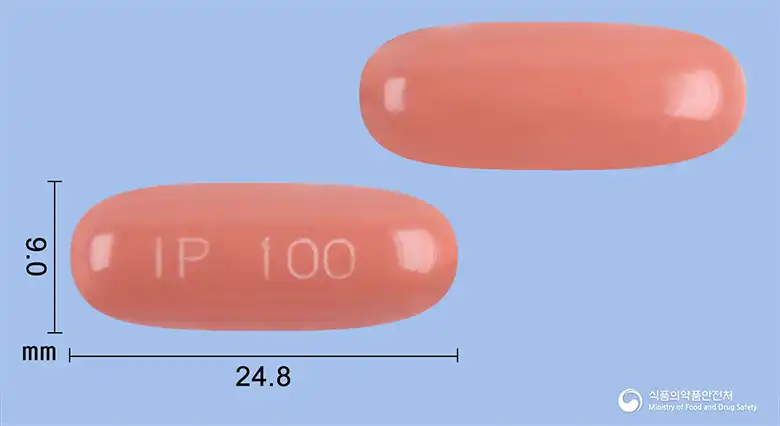
Cyclosporine 100mg
Soft capsule · Prescription medication
Hanmi Pharmaceutical Co., Ltd.
Cyclosporine 250mg
Injections · Prescription medication
Jongkundang Co., Ltd.
Cyclosporine 250mg
Injections · Prescription medication
Novartis Korea Co., Ltd.
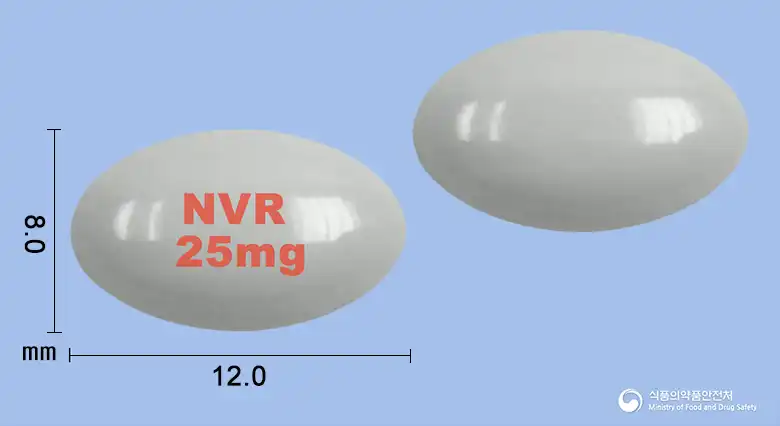
Cyclosporine 25mg
Soft capsule · Prescription medication
Novartis Korea Ltd.
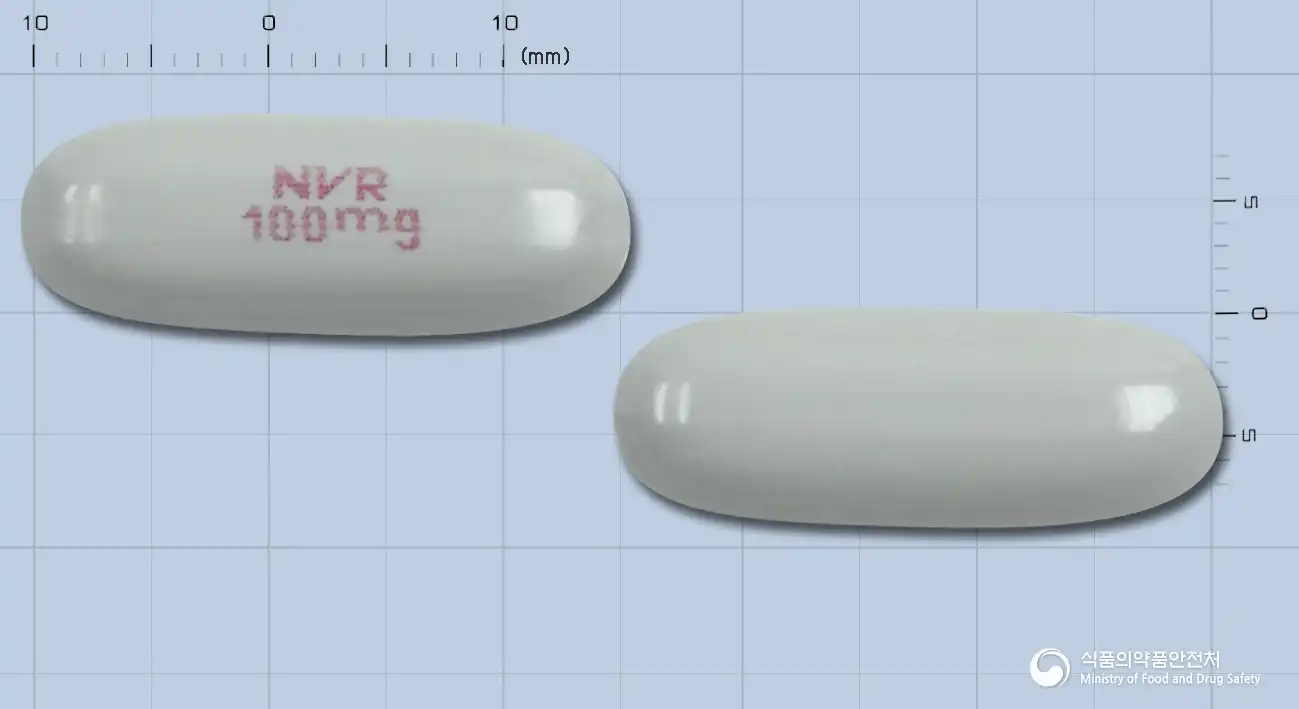
Cyclosporine 100mg
Soft capsule · Prescription medication
Novartis Korea Ltd.
Cyclosporine 10g
Prescription medication
Novartis Korea Co., Ltd.
Cyclosporine 0.5mg
Solution · Prescription medication
AbbVie Korea Co., Ltd.
Even with the same ingredient, the dose and directions can differ by strength and dosage form. Talk to a doctor or pharmacist before switching from a medication you are already taking.
No questions yet.
For anything that needs medical judgment, consult a doctor or pharmacist.
This drug information is based on data provided by the Korea Ministry of Food and Drug Safety.
Consult a doctor or pharmacist for accurate dosage, administration, and usage instructions.