
 한국어
 English
 日本語
 中文(简体)
Summary
- Main use
- Treatment of respiratory and otorhinolaryngologic infections, skin and soft tissue infections, and intra-abdominal, pelvic, and systemic infections
- Who takes it
- Adults · Children
- Adult dose
- Adults: For severe infections, administer clindamycin hydrochloride orally at 150mg (potency) every 6 hours. For very severe infections, administer 300~450mg (potency) every 6 hours. For beta-hemolytic streptococcal infections, it is advisable to continue treatment for at least 10 days to prevent subsequent rheumatic fever or glomerulonephritis. The dose may be adjusted according to age and symptoms.
- Child dose
- Severe infections in children: Administer 8~16mg (potency)/kg body weight per day orally in 3~4 divided doses. Very severe infections in children: Administer 16~20mg (potency)/kg body weight per day orally in 3~4 divided doses.
Ingredients
- Manufacturer
- Samjin Pharmaceutical Co., Ltd.
Efficacy & effects
Treatment of respiratory and otorhinolaryngologic infections, skin and soft tissue infections, and intra-abdominal, pelvic, and systemic infections
- Empyema
- pneumonia
- lung abscess
- tonsillitis
- pharyngitis
- bronchitis
- otitis media
- sinusitis
- scarlet fever
- boils
- skin abscess
- pyoderma
View approved original textHide original text
This medication is used for the treatment of various bacterial infections. It is primarily effective for respiratory infections such as empyema, pneumonia, and lung abscess, as well as for conditions like tonsillitis, pharyngitis, and bronchitis. Additionally, it is used to treat various infections such as otitis media, sinusitis, scarlet fever, and skin-related infections including boils, pyoderma, and soft tissue infections. It is also suitable for medical infections like peritonitis, intra-abdominal abscesses, endometritis, non-gonococcal tubo-ovarian abscess, and pelvic inflammatory disease. Furthermore, it is utilized in the management of serious infections including sepsis, pustular acne, and wound infections. However, it should be administered with caution under a physician's judgement for patients with penicillin allergies or those who cannot use penicillin, and alternative medications should be considered due to the risk of Clostridium difficile colitis. This medication is used for the treatment of various bacterial infections.
How to take
Adult dose
Adults: For severe infections, administer clindamycin hydrochloride orally at 150mg (potency) every 6 hours. For very severe infections, administer 300~450mg (potency) every 6 hours. For beta-hemolytic streptococcal infections, it is advisable to continue treatment for at least 10 days to prevent subsequent rheumatic fever or glomerulonephritis. The dose may be adjusted according to age and symptoms.
Child dose
Severe infections in children: Administer 8~16mg (potency)/kg body weight per day orally in 3~4 divided doses. Very severe infections in children: Administer 16~20mg (potency)/kg body weight per day orally in 3~4 divided doses.
Precautions
This medication is used for the treatment of severe infections and may sometimes cause serious colitis, so it should be used with caution. Symptoms of colitis may include severe diarrhea, abdominal pain, and fever, and if these symptoms occur, medication should be discontinued immediately and a physician should be consulted. This medication is not recommended for specific upper respiratory infections or mild bacterial infections. Additionally, it does not penetrate well into cerebrospinal fluid and is not suitable for the treatment of meningitis. Individuals allergic to lincomycin or this medication should not take it. Patients with lactose intolerance or certain genetic metabolic disorders should also avoid this medication. The elderly, frail individuals, neonates or premature infants, and those with liver or kidney function issues should use this medication with caution. To prevent ulceration in the esophagus, it should be taken with water or milk, and it is especially advisable to avoid taking it right before sleeping. If allergic reactions such as skin rash, hives, or difficulty breathing occur during treatment, the medication should be stopped immediately, and healthcare personnel should be notified. Side effects may include impaired liver function, impaired kidney function, and blood abnormalities, requiring regular check-ups during long-term use. This medication may enhance muscle relaxant effects when used with other muscle relaxants, so caution is needed. Women who are pregnant or may become pregnant are advised not to take this medication, and nursing mothers should also avoid it due to potential effects on the newborn. In case of overdose, procedures like gastric lavage may be required, and there is no specific antidote available. The effects on driving or operating machinery are unclear, so caution is necessary.
Side effects
- Eosinophilic colitis
- colitis accompanied by bloody stools
- diarrhea
- loose stools
- loss of appetite
- nausea
- vomiting
- abdominal pain
- esophagitis
- stomatitis
Show 53 moreCollapse
- oral mucositis
- esophageal ulcer
- shock
- generalized flushing
- urticaria
- cyanosis
- dyspnea
- chest discomfort
- hypotension
- annular erythema
- measles-like skin rash
- edema
- itching
- vaginitis
- desquamative and vesicular dermatitis
- vascular edema
- anaphylaxis
- Stevens-Johnson syndrome
- toxic epidermal necrolysis
- erythema multiforme
- acute generalized pustular psoriasis
- drug hypersensitivity syndrome
- liver dysfunction
- jaundice
- elevated creatinine
- elevated BUN
- elevated NPN
- azotemia
- oliguria
- proteinuria
- renal dysfunction
- acute renal failure
- polyarthritis
- neutropenia
- eosinophilia
- leukopenia
- agranulocytosis
- thrombocytopenic purpura
- aplastic anemia
- granulocytopenia
- leukocytosis
- tinnitus
- dizziness
- fever
- cough
- dyspnea
- interstitial pneumonia
- eosinophilic lung infiltrates
- candidiasis
- facial flushing
- bitter taste
- headache
- malaise
Not everyone experiences these, and they can vary from person to person.
Storage
This medication should be stored in a tightly closed container to prevent exposure to air or moisture. Additionally, it is important to store it at room temperature, between 1 and 30 degrees Celsius, to maintain its effectiveness.
Appearance and packaging
Appearance
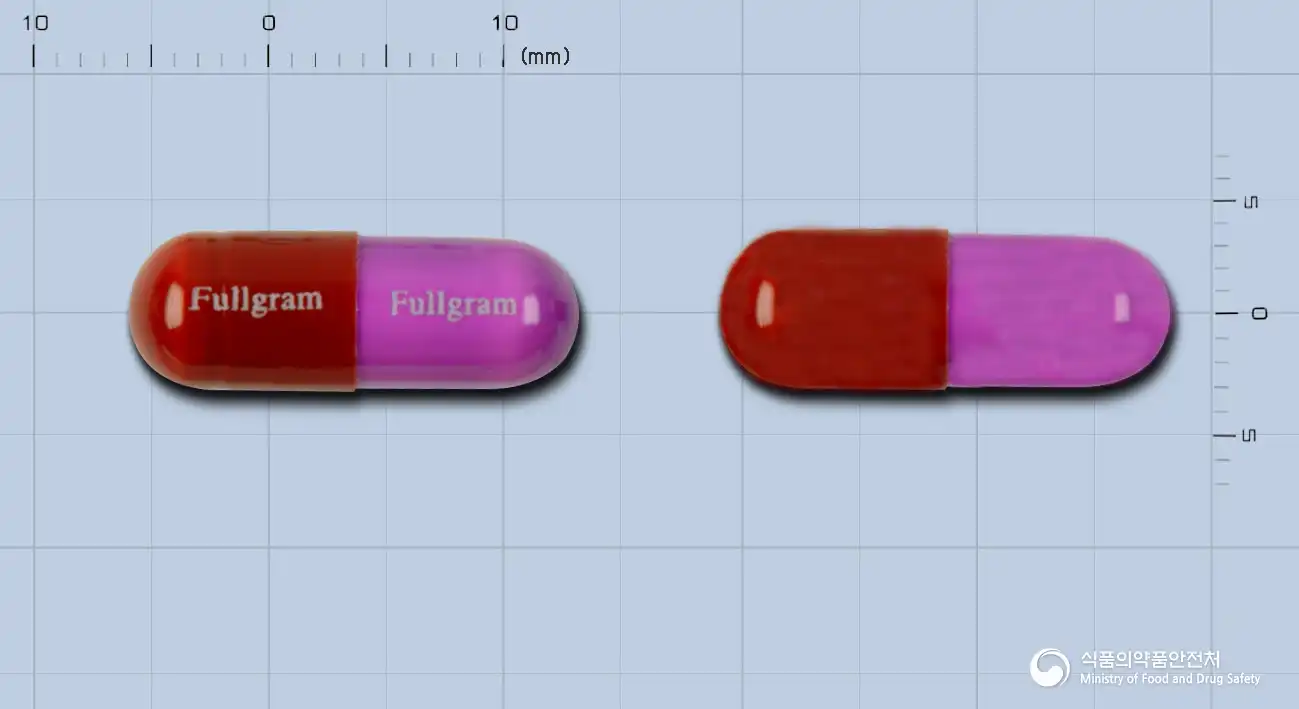
A white powder in a capsule with an upper reddish-brown cap and lower light purple cap.
Package unit
500 capsules/bottle, 100 capsules (10 capsules/PTP*10)
Questions about this medicine
No questions yet.
For anything that needs medical judgment, consult a doctor or pharmacist.