
 한국어
 English
 日本語
 中文(简体)
 Viewing now
Depas Tablets 1 Milligram (Etizolam)
Etizolam 1mg
Tablet · Prescription medication
Jongkundang Co., Ltd.
MFDS item code 199002730 · Approved 1990.02.01 · Insurance code 643300320
Relief of psychiatric symptoms (e.g., anxiety, tension, depression), muscle tension, and sleep disorders
This medication is used to alleviate symptoms of anxiety, tension, and depression arising from various mental health issues such as neurosis, depression, and psychosomatic disorders. It also helps to reduce muscle tension associated with musculoskeletal disorders such as cervical spondylosis, low back pain, and tension-type headaches, thereby improving symptoms. Furthermore, it is beneficial in treating sleep disorders caused by neurosis, depression, schizophrenia, and some psychosomatic disorders, effectively alleviating anxiety, tension, depression, and sleep disturbances from multiple mental and physical issues.
○ Adults 1) Neurosis, depression: Administer 3㎎ of etizolam per day orally in 3 divided doses. 2) Psychosomatic disorders, cervical spondylosis, low back pain, tension headache due to muscle contraction: Administer 1.5㎎ per day in 3 divided doses. 3) Sleep disorders: Administer 1-3㎎ once daily before bedtime. Elderly patients may receive up to 1.5㎎ per day. Adjust the dose appropriately according to age and symptoms.
This medication should not be administered to patients with acute closed-angle glaucoma due to its anticholinergic properties which may worsen the glaucoma. Patients with severe myasthenia gravis should also not use this medication as muscle relaxation effects may worsen symptoms. Patients with known allergic reactions to this medication or benzodiazepines should avoid using it. Severe respiratory failure patients should not be administered this medication as it may further suppress breathing. Patients with severely impaired liver function should avoid this medication as it may not be metabolized properly, leading to increased side effects. Caution is required for patients with sleep apnea syndrome as respiratory problems may worsen. Patients with alcohol or drug dependency are advised against using this medication due to the risk of increased dependence. This medication contains lactose and should not be taken by patients with genetically confirmed galactose intolerance, lactose deficiency, or glucose-galactose malabsorption. Patients with heart disease should be cautious as lowering blood pressure may worsen symptoms. Patients with reduced liver or kidney function should be careful as this medication may remain in the body longer, increasing the risk of side effects. Caution is advised for patients with structural problems in the brain as they may experience amplified effects of this medication. Patients with severely impaired respiratory function may face the risk of carbon dioxide coma; therefore, special caution is required. Elderly patients may experience reduced mobility or excessive sedation; starting with a lower dose is recommended. Weaker patients may also experience stronger effects from this medication; careful use is advised. In patients with depression, there is an increased risk of suicide, so caution is warranted. The safety of this medication has not been established in children and adolescents, requiring careful administration if given. Patients with spinal or cerebellar ataxia may see worsening of symptoms due to this medication; careful dosing is advised. Caution is needed if taken with alcohol, hypnotics, analgesics, antipsychotics, antidepressants, or lithium as it may enhance toxicity. This medication may lead to dependency; therefore, prescribed dosages and duration should be adhered to carefully, and sudden discontinuation may cause withdrawal symptoms such as seizures, anxiety, and hallucinations, indicating a need for gradual tapering. As respiratory suppression may occur, patients with weak respiratory function should be especially cautious and may require airway management and ventilation if necessary. When used in conjunction with antipsychotic medication, there is a risk of serious adverse effects known as neuroleptic malignant syndrome, which requires immediate treatment if symptoms develop. Signs of muscle pain, weakness, or abnormalities in blood tests may indicate the risk of rhabdomyolysis and should result in immediate discontinuation and treatment. If symptoms such as fever, cough, and difficulty breathing appear, interstitial pneumonia should be suspected, necessitating prompt examination and treatment. Regular liver function tests are necessary as liver dysfunction or jaundice may occur. Patients with unstable mental health may experience abnormal responses such as agitation, excitement, and hallucinations and should be closely monitored. Dizziness, drowsiness, gait disturbances, headaches, heaviness in the head, speech difficulties, insomnia, feelings of unreality, tremors, fatigue, weakness, muscle relaxation, eye tremors, blurred vision, and increased heart rate may occur as central nervous system side effects, so driving or hazardous work should be avoided. Visual impairments such as eye tremors or blurred vision may also occur. Circulatory issues may infrequently present as shortness of breath, palpitations, or lowered blood pressure. Gastrointestinal symptoms like nausea, vomiting, abdominal pain, and diarrhea may develop; consult a physician if these symptoms occur. In case of allergic reactions such as rash, hives, or itching, discontinue use immediately. Musculoskeletal side effects such as muscle relaxation or weakness may also be present. In women, symptoms such as gynecomastia or lactation may occur, along with sweating, urinary issues, swelling, or nasal congestion. During treatment with this medication, drowsiness and decreased concentration may occur; thus, driving or operating dangerous machinery should be avoided. Benzodiazepines are not a first-line choice for treating psychosis, and careful administration is necessary as there is an increased risk of suicide in depression patients with sole usage. This medication should be used for as short a duration as possible, and in prolonged use, regular patient assessments should be made, gradually reducing the dosage. Caution is warranted when taken with certain medications or alcohol as it may enhance central nervous system depressant effects, making concurrent use risky. Women in early pregnancy or those who may become pregnant should not take this medication; avoidance is also necessary in late pregnancy due to potential side effects on newborns. Lactating women should avoid this medication as it can be excreted in breast milk and affect the infant with drowsiness or weight loss, and should either avoid use or discontinue breastfeeding. Safety has not been established in pediatric populations, and careful administration is necessary for children. Elderly patients have a higher risk of side effects; starting at a low dosage and cautious use is advised. In the case of overdose, symptoms such as movement disorders, lowered blood pressure, respiratory suppression, and consciousness disturbances may occur; immediate medical attention is required for appropriate treatment. Caution should be exercised while using flumazenil, the antidote for this medication, due to the risk of seizures, ensuring that relevant precautions are checked before use.
Not everyone experiences these, and they can vary from person to person.
Store this medication in a closed container that can block light, and at room temperature. This storage method helps maintain the efficacy of the medication for a longer period.
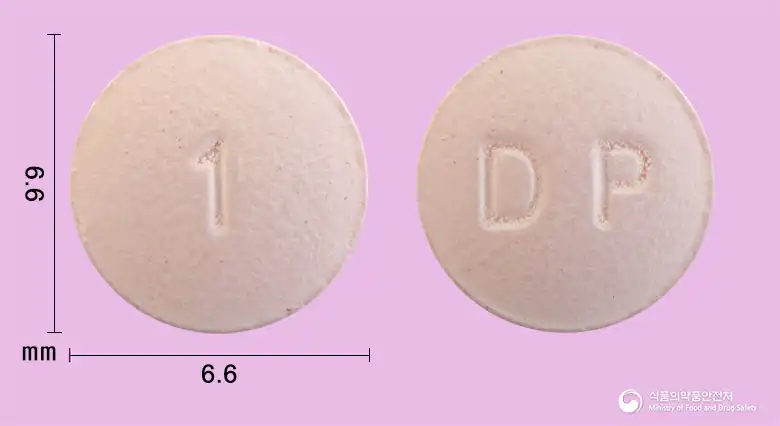
Pale pink round film-coated tablet
30 tablets/bottle, 100 tablets/bottle
Even with the same ingredient, strength, dosage form and how it is taken can differ.
Viewing nowEtizolam 1mg
Tablet · Prescription medication
Jongkundang Co., Ltd.
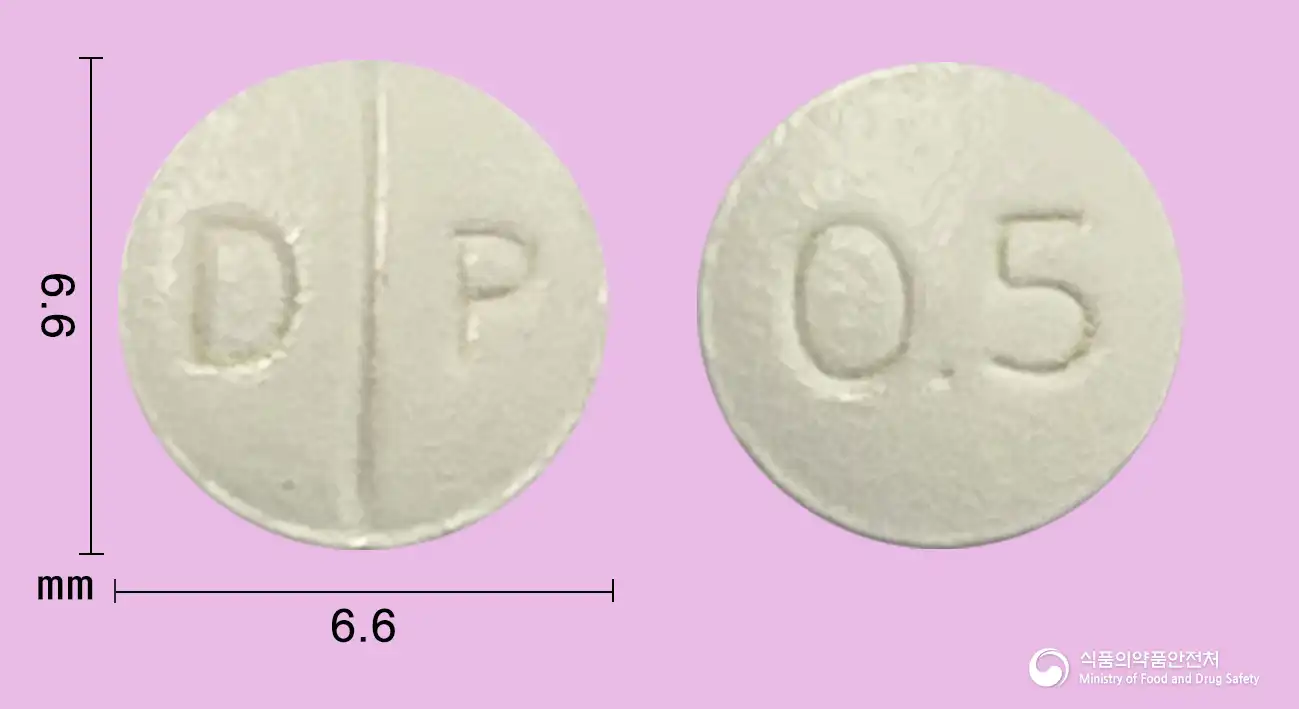
Etizolam 0.5mg
Tablet · Prescription medication
Jongkundang Co., Ltd.
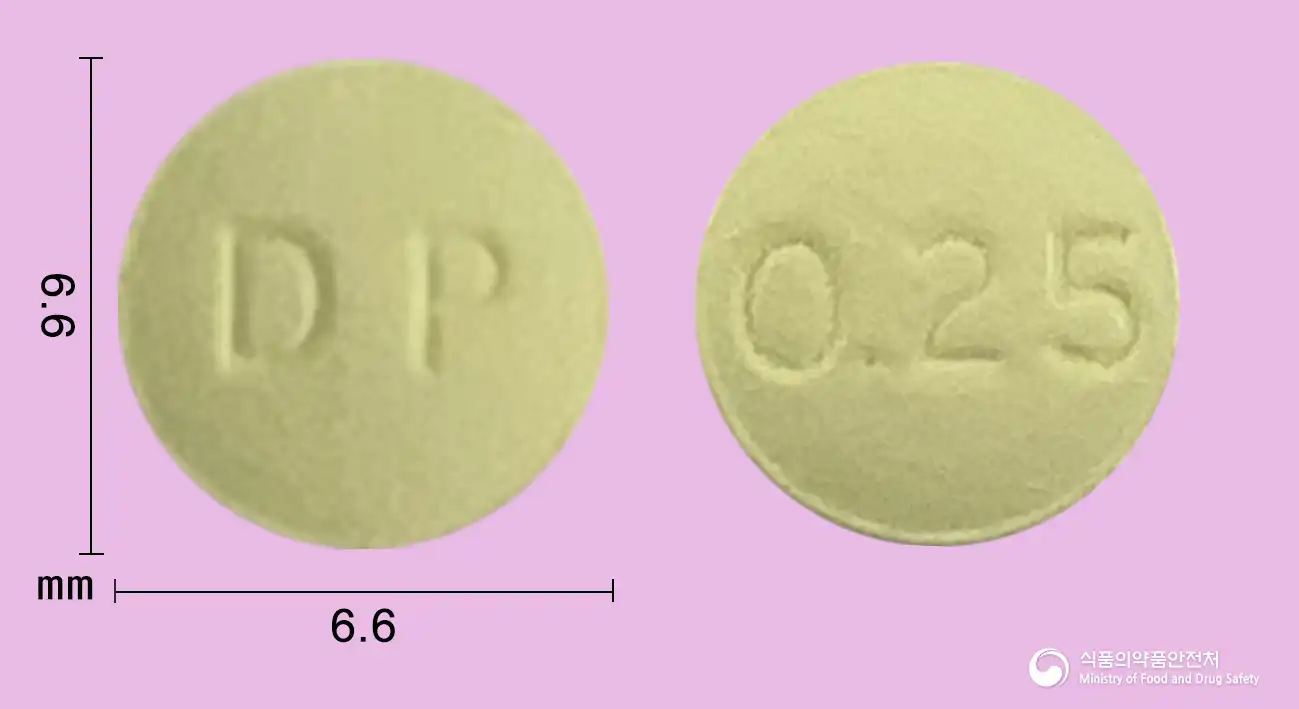
Etizolam 0.25mg
Tablet · Prescription medication
Jongkundang Co., Ltd.
Even with the same ingredient, the dose and directions can differ by strength and dosage form. Talk to a doctor or pharmacist before switching from a medication you are already taking.
No questions yet.
For anything that needs medical judgment, consult a doctor or pharmacist.
This drug information is based on data provided by the Korea Ministry of Food and Drug Safety.
Consult a doctor or pharmacist for accurate dosage, administration, and usage instructions.