
 한국어
한국어 English
 日本語
日本語 中文(简体)
 Viewing now
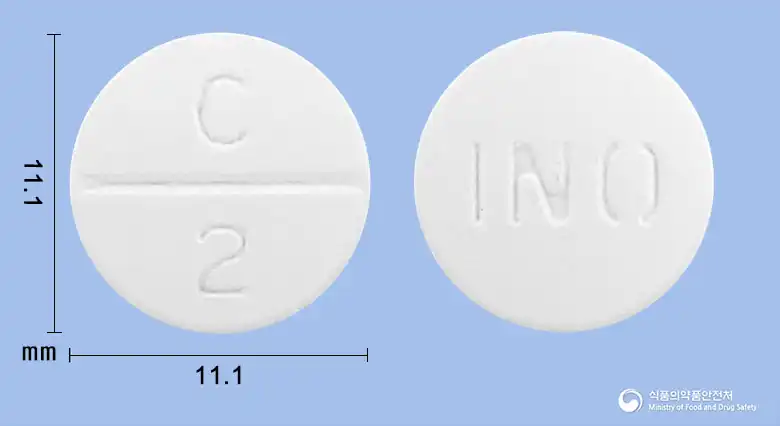
Cytopsin Tablet (Ciprofloxacin Hydrochloride)
Ciprofloxacin Hydrochloride 291.5mg
Tablet · Prescription medication
HK inno.N Co., Ltd.
MFDS item code 198801052 · Notified 1988.06.28 · Insurance code 640000660
Treatment of bacterial infections such as respiratory infections and urinary tract infections
This medication is used for the treatment of various infections caused by bacteria. It is effective for respiratory infections (excluding acute bronchitis) and community-acquired pneumonia, ear, nose, and throat infections, as well as for urinary tract infections such as bacterial prostatitis, acute cystitis, and pyelonephritis. It is also used for infections of the gastrointestinal tract, biliary tract, skin and soft tissues, bone and joints, gynecological infections, peritonitis, and infections around the eyes. As a fluoroquinolone antibiotic, it carries a risk of serious side effects and should be used cautiously in specific situations. Overall, this medication is used with care for the treatment of various bacterial infections.
For typical adult patients, ciprofloxacin is usually taken at 250 to 500 mg orally twice a day between meals. In cases of severe complex infections, the dose may be increased to 750 mg taken twice a day. For acute infections, treatment usually lasts 5 to 10 days, and should continue for at least 3 days after symptoms have resolved. For patients with renal impairment, dose adjustments are needed based on creatinine clearance. (greater than 50 mL/min)
This medication can cause serious side effects such as tendonitis or tendon rupture, and if such symptoms occur, use should be discontinued immediately. Patients with myasthenia gravis may experience worsening symptoms from this medication and should not use it. This medication should only be used for specific infections such as acute bacterial rhinosinusitis, acute exacerbations of chronic bronchitis, uncomplicated urinary tract infections, and acute otitis media, when there are no other treatment options available. Elderly patients, those with impaired kidney function, and those taking corticosteroids are at higher risk for tendon ruptures and should be cautious. This medication can cause seizures or central nervous system adverse reactions; thus, patients with a history of epilepsy or brain diseases should use it with caution. Women who are pregnant or breastfeeding, children and adolescents under 18, patients with epilepsy, and those allergic to this medication or similar drugs should not use it. Taking this medication with certain drugs (e.g., tizanidine, ketoprofen) may result in serious side effects, so co-administration should be avoided. During treatment with this medication, strong sunlight or UV exposure should be avoided, and if symptoms of photosensitivity occur, use should be discontinued immediately. This medication can affect blood sugar levels, so diabetic patients should check their blood sugar frequently and seek treatment immediately if symptoms of hypoglycemia occur. This medication can interact with various other drugs, so it is essential to inform healthcare providers about any other medications being taken. If neuropathy symptoms (pain, tingling, etc.) appear during treatment, consultation with a specialist is necessary, and caution is warranted when driving or operating machinery. Overdosage may lead to kidney function impairment, and if symptoms are suspected, immediate medical attention should be sought. The safety of this medication has not been established in children, and dosage adjustments may be needed for elderly patients based on kidney function.
Tendonitis, tendon rupture, peripheral neuropathy, central nervous system effects, exacerbation of myasthenia gravis, anaphylaxis, shock, serum sickness-like reactions, bone marrow suppression, liver dysfunction, jaundice, cholestatic jaundice, liver necrosis, toxic epidermal necrolysis, Stevens-Johnson syndrome, acute generalized exanthematous pustulosis, seizures, status epilepticus, psychotic reactions, confusion, disorientation, convulsions, blood and lymphatic system abnormalities (leukopenia, anemia, neutropenia).
Not everyone experiences these, and they can vary from person to person.
This medication should be stored at room temperature and placed in a tightly sealed container to prevent air exposure. This helps maintain the drug's efficacy and prevents degradation.
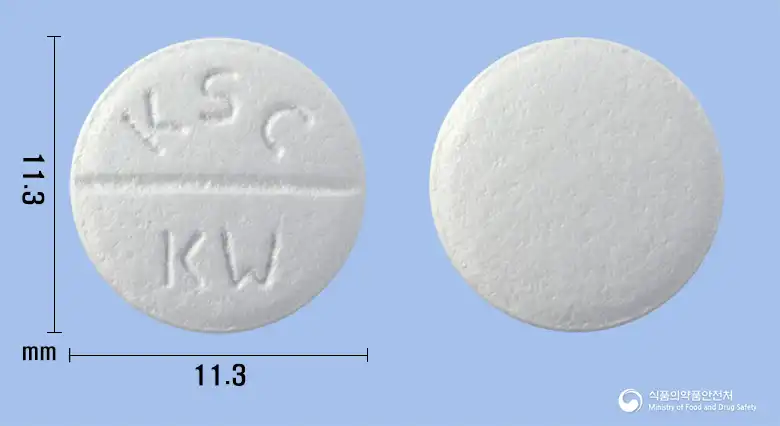
White, round film-coated tablets
60 tablets (10 tablets/PTPX6), 100 tablets/bottle
Even with the same ingredient, strength, dosage form and how it is taken can differ.
Viewing nowCiprofloxacin Hydrochloride 291.5mg
Tablet · Prescription medication
HK inno.N Co., Ltd.
Ciprofloxacin Hydrochloride
Prescription medication
Dongkwang Pharmaceutical Co., Ltd.
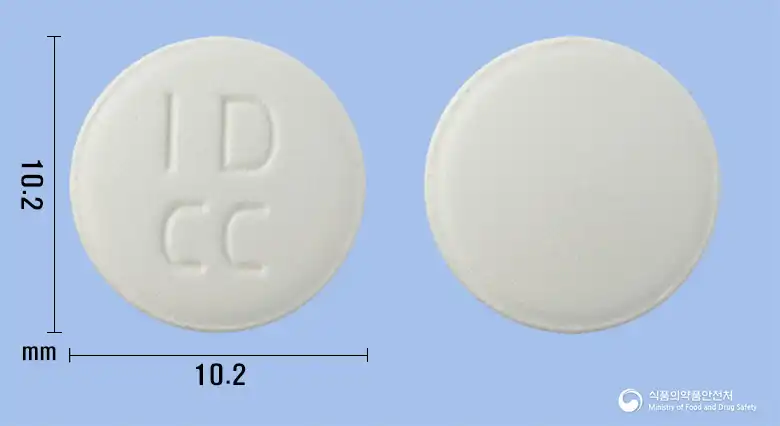
Ciprofloxacin Hydrochloride 291mg
Tablet · Prescription medication
Il Dong Pharmaceutical Co., Ltd.
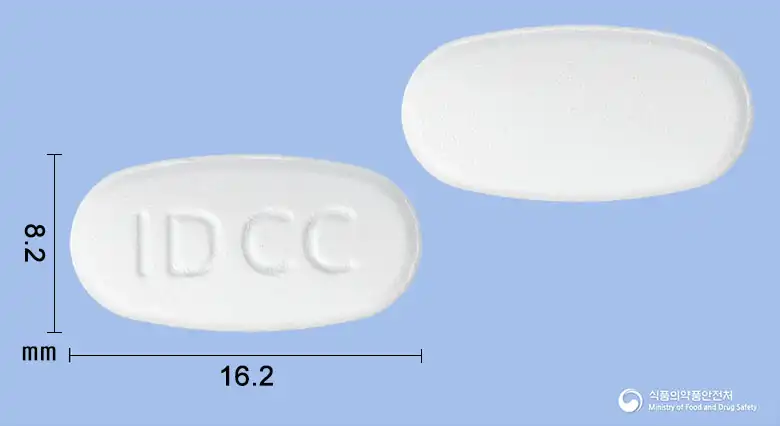
Ciprofloxacin Hydrochloride 582mg
Tablet · Prescription medication
Il Dong Pharmaceutical Co., Ltd.
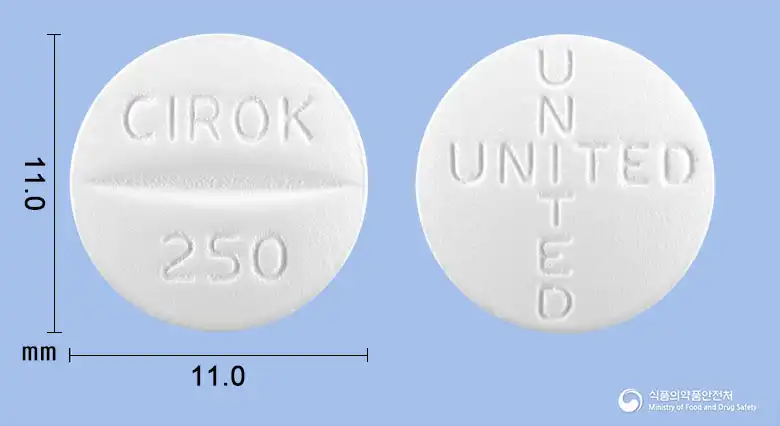
Ciprofloxacin Hydrochloride Hydrate 291mg
Tablet · Prescription medication
Korea United Pharm, Inc.
Ciprofloxacin Hydrochloride Hydrate 291mg
Tablet · Prescription medication
SK Chemicals Co., Ltd.

Ciprofloxacin Hydrochloride Hydrate 291mg
Tablet · Prescription medication
Donghwa Pharmaceutical Co., Ltd.
Ciprofloxacin Hydrochloride Hydrate 291mg
Tablet · Prescription medication
SS Pharm Co., Ltd.
Even with the same ingredient, the dose and directions can differ by strength and dosage form. Talk to a doctor or pharmacist before switching from a medication you are already taking.
No questions yet.
For anything that needs medical judgment, consult a doctor or pharmacist.
This drug information is based on data provided by the Korea Ministry of Food and Drug Safety.
Consult a doctor or pharmacist for accurate dosage, administration, and usage instructions.