
 한국어
 English
 日本語
 中文(简体)
 Viewing now
Kephasine Capsule 500 mg (Cephalexin Hydrate)
Cefalexin Hydrate 500mg
Hard capsule · Prescription medication
Yuhan Corporation
MFDS item code 198800426 · Notified 1988.03.08 · Insurance code 642102260
Treatment and prevention of respiratory, ear, nose, and throat; genitourinary; and other infections (e.g., skin and dental infections)
This drug is used as an antibiotic effective against various types of bacteria, particularly for treating respiratory infections such as tonsillitis, pharyngitis, bronchitis, and pneumonia. It is also helpful in treating urinary tract infections such as pyelonephritis, cystitis, and urethritis, as well as gonorrhea. It is effective in managing various skin infections including skin and soft tissue infections, impetigo, and boils, and is used for infections in the ear and nose such as otitis media and sinusitis. This drug is utilized in cases of lymphadenitis, wound infections, dental infections, and to prevent infections after tooth extraction. It is used to safely and effectively assist in the treatment of these various infectious diseases.
○ Adults: A total daily dose of 1 ~ 4 g (potency) of cephalexin may be administered. The usual dose is 500 mg (potency) orally 2 ∼ 3 times daily. The dose may be increased for severe infections or infections caused by organisms with low susceptibility; however, when increasing the dose to more than 4 g per day, consider using an injectable cephalosporin. ○ Urinary tract infections: For mild urinary tract infections, administer 500 mg (potency) of this drug per dose twice daily. For chronic, recurrent, or complicated urinary tract infections, administer 500 mg (potency) per dose 4 times daily for 2 weeks. ○ Patients with renal impairment: In severe renal impairment (creatinine clearance of 10 mL/min or less), reduce the dose to less than half the standard recommended dose. The maximum recommended dose should be reduced to 50% of the maximum recommended dose [4 g (potency) per day] in mild impairment, 75% in moderate impairment, and 87.5% in patients with severe renal failure. For most acute infections, continue treatment for at least 2 days after symptoms have resolved. Adjust the dose as appropriate according to age and symptoms.
○ Infants and children: Administer 25 ~ 50 mg (potency) per kg of body weight per day of this drug orally in 4 divided doses. Do not exceed the adult dose (4 g per day) in children. ○ Infants and children: For severe infections or infections caused by organisms with low susceptibility, administer 50 ~ 100 mg (potency) per kg of body weight per day of this drug in 4 divided doses. Do not exceed the adult dose (4 g per day) in children.
This drug should not be used in patients who have previously experienced shock due to it. Additionally, patients allergic to cephalosporin antibiotics should not take this drug. It is generally not administered to patients who have had allergic reactions to this drug or to cefem antibiotics, but in critically necessary cases, it should be used with great caution. Patients with a history of allergy to penicillins or other beta-lactam antibiotics should also use caution. Patients with a tendency to easily develop allergic reactions such as bronchial asthma, rashes, or hives, and those with severe renal disease should be especially cautious when using this drug. Patients who have difficulty taking oral medications, are receiving non-oral nutrition, are elderly, or are in poor general condition may exhibit symptoms of vitamin K deficiency, so their condition should be closely monitored. Patients with a history of gastrointestinal diseases, particularly colitis, should also be cautious when administering this drug. Rarely, this drug may cause severe allergic reactions such as shock or anaphylaxis; if symptoms such as difficulty breathing, generalized flushing, or swelling occur while taking this drug, it should be discontinued immediately and medical consultation should be sought. If severe rashes, blisters, or mucosal damage occur, administration should be stopped immediately. If symptoms of hypersensitivity such as rashes, hives, itching, fever, or joint pain occur, the drug should also be stopped and appropriate treatment should be received. Blood tests may show leukopenia, anemia, or thrombocytopenia, so any abnormal symptoms should be reported to medical personnel. Liver dysfunction or jaundice may rarely occur, so liver function status should be checked regularly. Renal function may deteriorate rapidly, so regular kidney function tests should be conducted, and the drug should be discontinued if abnormalities are found. If gastrointestinal symptoms such as abdominal pain, diarrhea, or bloody stools occur, the drug should be stopped immediately and the patient should visit a hospital. If difficulty breathing, coughing, or pneumonia symptoms arise, the drug should be stopped and proper treatment should be received. Oral mucosal infections or candidiasis may occur, so the oral condition should be monitored closely. Vitamin K deficiency could lead to bleeding tendencies or vitamin B deficiency symptoms; thus, symptoms should be closely observed. To prevent the development of resistant bacteria, sensitivity tests should be performed for the infecting organism and the drug should only be used for the necessary minimum duration. Before administration, it is recommended to conduct a thorough medical history and skin reaction tests to prevent allergic reactions. Should allergic symptoms develop, the drug should be discontinued immediately, and therapies such as epinephrine, antihistamines, or corticosteroids should be provided. The use of this drug or antibiotics including it may lead to diarrhea or colitis caused by Clostridium difficile; therefore, if diarrhea symptoms appear, medical consultation should be sought promptly. Caution is required when used in combination with specific antibiotics or diuretics due to the potential for increased renal toxicity. When taken with probenecid, the concentration of this drug in the body may increase, necessitating dosage adjustments. The efficacy of this drug may decrease if used in combination with some other antibiotics, so it is important to consult specialists when using it in combination. The safety of this drug during pregnancy has not been fully established, so women who are pregnant or may become pregnant should use it with caution according to medical advice. Nursing mothers should be cautious as this drug is excreted in breast milk. Elderly patients should be monitored closely as bodily functions decline, increasing the likelihood of adverse reactions, requiring adjustments to dosage and intervals. This drug may affect certain clinical test results, so it is important to inform medical personnel of its use during tests.
Not everyone experiences these, and they can vary from person to person.
This drug should be stored in a tightly closed container to prevent air or moisture from entering. Doing so will help maintain the drug's effectiveness over time and prevent degradation.
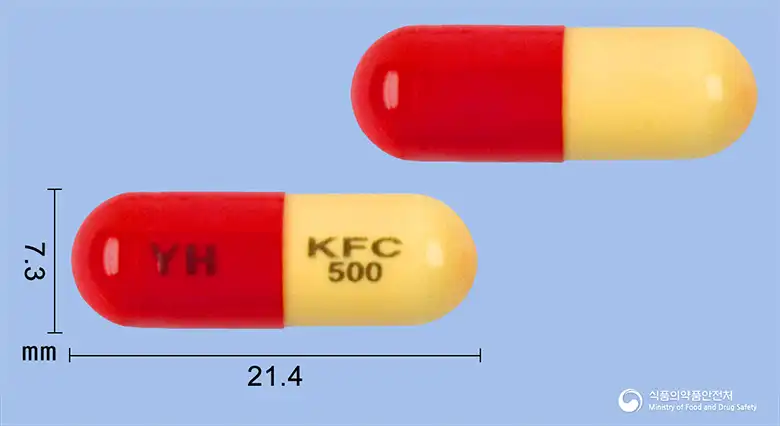
White to pale yellowish crystalline powder or a powder-filled hard gelatin capsule with a reddish upper and flesh-colored lower part
30 capsules/bottle, 100 capsules/bottle
Even with the same ingredient, strength, dosage form and how it is taken can differ.
Viewing nowCefalexin Hydrate 500mg
Hard capsule · Prescription medication
Yuhan Corporation
Cefalexin Hydrate
Prescription medication
I World Pharmaceutical Co., Ltd.
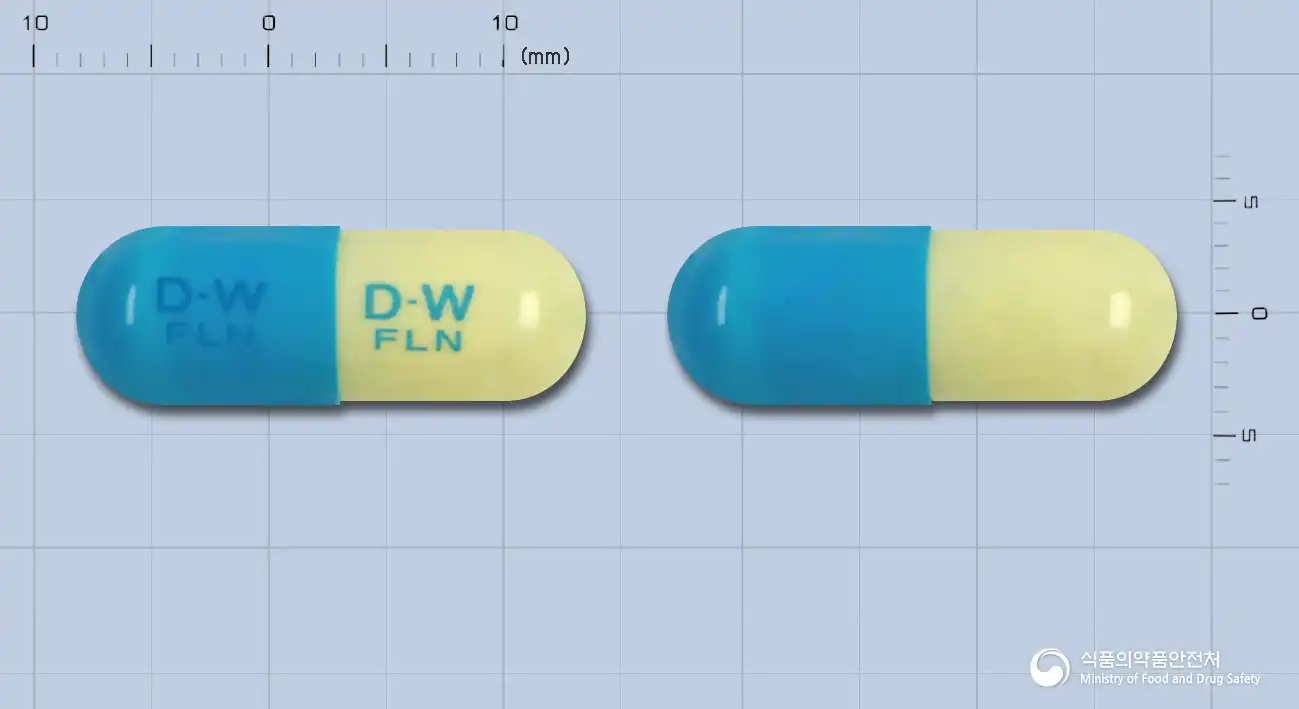
Cefalexin Hydrate 500mg
Hard capsule · Prescription medication
Dongwha Pharmaceutical Co., Ltd.

Cefalexin Hydrate 500mg
Hard capsule · Prescription medication
Wonkang Pharmaceutical Co., Ltd.
Even with the same ingredient, the dose and directions can differ by strength and dosage form. Talk to a doctor or pharmacist before switching from a medication you are already taking.
No questions yet.
For anything that needs medical judgment, consult a doctor or pharmacist.
This drug information is based on data provided by the Korea Ministry of Food and Drug Safety.
Consult a doctor or pharmacist for accurate dosage, administration, and usage instructions.