
 한국어
 English
 日本語
 中文(简体)
 Viewing now
Handok Baclofen Tablet 10 mg
Baclofen 10mg
Tablet · Prescription medication
Handok Co., Ltd.
MFDS item code 198800245 · Notified 1988.08.27 · Insurance code 652104900
Relief of spasticity due to spinal cord disorders, cerebral spasticity, and skeletal muscle spasticity (multiple sclerosis, etc.)
This medication is used to relieve skeletal muscle spasms caused by multiple sclerosis and spinocerebellar degeneration. It is also effective for spasticity resulting from spinal cord disorders, such as spastic paraplegia, amyotrophic lateral sclerosis, syringomyelia, transverse myelitis, and traumatic paraplegia, as well as for muscle spasms associated with various spinal cord diseases. Additionally, it helps alleviate spasticity caused by central nervous system disorders, especially in cases of cerebral palsy or sequelae from cerebrovascular accidents, as well as spasticity due to neoplastic and degenerative brain diseases. By improving muscle spasticity symptoms caused by these conditions, it provides significant assistance to patients in their daily lives.
Treatment with this medicine should always be initiated at a low dose and increased gradually. The optimal dose should be determined individually for each patient at a level that reduces clonus, flexor and extensor spasms, and convulsions while avoiding adverse effects as much as possible. Use with caution to prevent excessive muscle weakness and falls when muscle tone is needed to maintain an upright posture and balance during movement or to preserve function. It is important to allow transient spasms to the extent that they maintain some muscle tone and help support circulatory function. Take this medicine with meals and a small amount of water. The daily dose should be administered orally in 3 divided doses in adults. ○ Adults 1. Administer 5 mg of baclofen orally 3 times daily. Increase the dose by 5 mg per dose, 3 times daily, at 3-day intervals until the optimal dose is determined. 2. Patients who are hypersensitive to this medicine should preferably start at a lower dose (5-10 mg daily) and increase it slowly. 3. The usual optimal dose is 30-80 mg daily. Hospitalized patients may receive 100-120 mg daily under close supervision. If no clear therapeutic effect is observed within 6-8 weeks after administration of the maximum dose, reconsider whether to continue this medicine.
The daily dose should be administered orally in 4 divided doses in children. ○ Children (12 months to 18 years): Treatment is generally initiated at a very low dose (0.3 mg/kg daily in 2~4 divided doses). ○ Children (12 months to 18 years): The usual daily maintenance dose is 0.75~2 mg/kg. ○ Children under 8 years: The maximum daily dose is 40 mg. ○ Children 8 years and older: The maximum daily dose is 60 mg. ○ Children (12 months to 18 years): Increase the dose cautiously at intervals of about 1-2 weeks until it is appropriate for the individual patient's needs.
This medication should not be administered to certain patients. First, patients who are allergic to this drug or its components should not use it. Additionally, since it contains lactose, patients with lactose intolerance or certain genetic metabolic disorders should not take this medication. Patients with psychiatric disorders or neurological diseases such as Parkinson's should use this drug cautiously, as it may exacerbate symptoms and requires careful monitoring of their condition. Patients with a history of epilepsy are at risk of seizures when using this drug, requiring appropriate treatment and observation. Patients with peptic ulcers, heart failure, cardiovascular or cerebrovascular diseases, respiratory diseases, or impaired liver or kidney function should use this drug cautiously as well. Particularly, patients with very poor kidney function should receive only a very small dose, and patients undergoing long-term dialysis need to take extra caution, as this drug might elevate blood concentration levels. This drug may affect urination, posing a risk of acute urinary retention in patients with neurological disorders, so caution is required. Children, especially those with a history of epilepsy, should be used carefully due to the risk of seizures. Taking this medication may lead to central nervous system side effects such as drowsiness or sedation, which typically occur when the dose is rapidly increased during the initial treatment period. These adverse reactions are usually temporary and can be alleviated by reducing the dose. Elderly patients with a history of psychiatric disorders or cerebrovascular problems may experience more severe side effects. Discontinuation of this medication after long-term use may lead to symptoms such as anxiety, hallucinations, and psychotic symptoms, so it is important to taper off gradually. Also, during treatment, drowsiness or decreased attention may occur, necessitating avoidance of driving or operating hazardous machinery. Patients with liver diseases or diabetes require regular monitoring as this drug might affect liver function test results or blood glucose levels. Patients with impaired kidney function need close observation to detect any toxic symptoms early. In some patients taking this medication, there have been reports of increased suicide risk, so those at risk should be monitored closely, and family members or caregivers should pay careful attention to changes in the patient's behavior. This drug may enhance sedation effects when used with other medications that affect the central nervous system or alcohol, increasing the risk of respiratory depression, especially for patients with cardiopulmonary diseases or weakened respiratory muscles. During pregnancy, the effects of this drug on the fetus have not been fully established, so it should only be used when the therapeutic benefits outweigh the risks. In breastfeeding, although a small amount of this drug may appear in breast milk, it is expected that adverse reactions are rare, but it should be used with caution. Elderly patients may have decreased physiological functions, so treatment should start at a low dose and be adjusted based on their condition. In case of overdose, symptoms such as central nervous system depression, respiratory difficulties, and cardiovascular issues may occur, and immediate appropriate emergency treatment is required. Since there is no specific antidote, treatment will focus on gastric lavage, administration of activated charcoal, and maintenance of respiratory and cardiovascular functions. Patients must follow the doctor's instructions when taking this medication, and should consult medical personnel immediately if any abnormal symptoms arise.
Sedation, drowsiness, respiratory depression, dizziness, lethargy, fatigue, exhaustion, mental confusion, vertigo, headache, insomnia, apathy, depression, muscle weakness, ataxia, tremor, hallucination, nightmare, myalgia, nystagmus, thirst, sensory disturbances, dysarthria, convulsions, encephalopathy, visual disturbance, visual impairment, strabismus, taste disorder, tinnitus, nausea, mild gastrointestinal disturbance, vomiting, anorexia, discomfort in the upper abdomen, abdominal bloating, heartburn, constipation, diarrhea, abdominal pain, fecal occult blood, hypotension, reduced cardiac output, decreased cardiovascular function, tachycardia, bradycardia, palpitations, syncope, chest pain, frequent urination, polyuria, dysuria, urinary retention, erectile dysfunction, hematuria, liver dysfunction, abnormal liver function test results, hyperhidrosis, skin rash, increased rigidity, edema, chest tightness, sweating, dyspnea, elevated blood sugar levels, weight gain, congestion, anxiety, agitation, confused state, psychosis, mania, paranoid state, status epilepticus, movement disorders, tachycardia, rhabdomyolysis, high fever, frequency phenomenon, confusion, loss of directional sense, depressive consciousness, cases of suicide and suicide-related incidents, central nervous system depression symptoms, depression, consciousness disorder, coma, respiratory distress, confusion, agitation, coordination disorders, visual accommodation disorder, loss of pupillary reflex, generalized muscle tone reduction, myotonic muscle spasms, reflective hypoactivity, areflexia, peripheral vasodilation, hypothermia, nausea, vomiting, diarrhea, hypersalivation, increased liver enzyme levels, rhabdomyolysis
Not everyone experiences these, and they can vary from person to person.
This medication should be stored in a tightly sealed container to prevent exposure to air or light, and it is best kept at room temperature away from direct sunlight. This storage method helps maintain the drug's efficacy and prevents degradation.
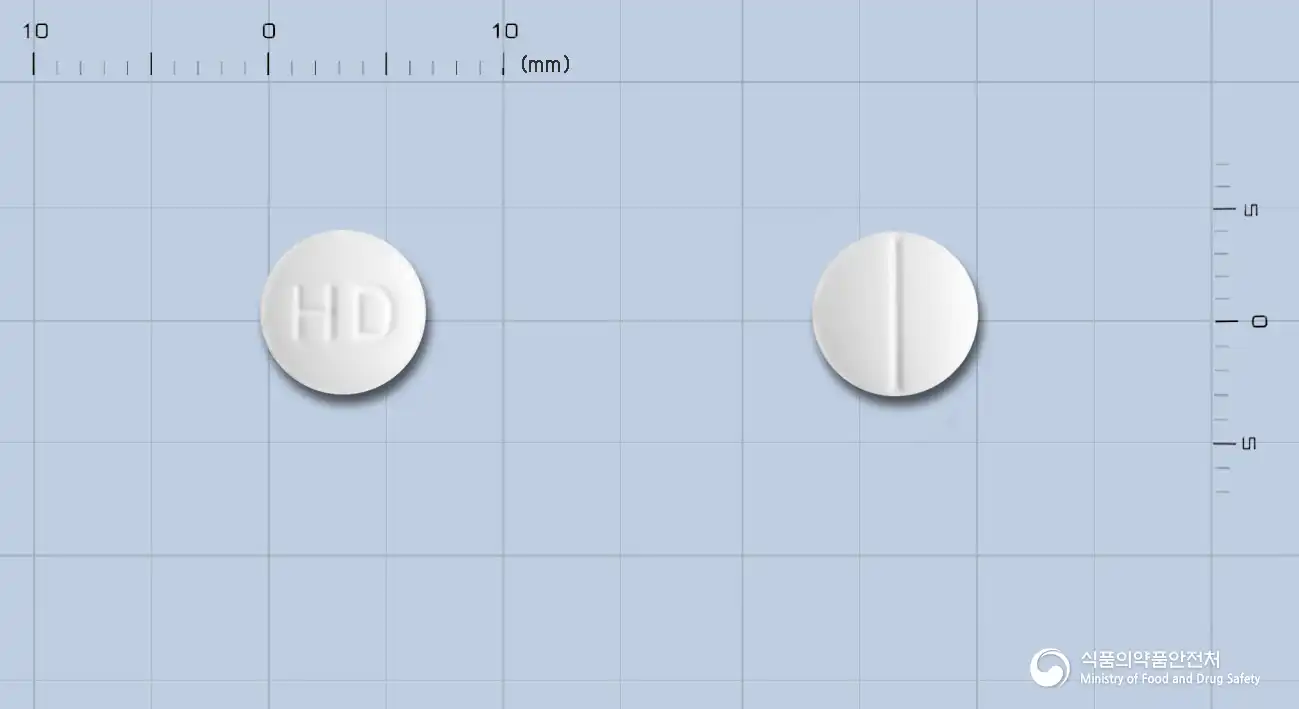
White round tablet
30 tablets/bottle, 300 tablets/bottle
Even with the same ingredient, strength, dosage form and how it is taken can differ.
Viewing nowBaclofen 10mg
Tablet · Prescription medication
Handok Co., Ltd.
Baclofen 10mg
Tablet · Prescription medication
Yuyoung Pharmaceutical Co., Ltd.

Baclofen 5mg
Tablet · Prescription medication
Taijun Pharmaceutical Co., Ltd.

Baclofen 10mg
Tablet · Prescription medication
Taejun Pharmaceutical Co., Ltd.

Baclofen 20mg
Tablet · Prescription medication
Korea United Pharmaceutical Co., Ltd.
Baclofen 10mg
Tablet · Prescription medication
Korea United Pharmaceutical Co., Ltd.
Baclofen 5mg
Tablet · Prescription medication
Korea United Pharmaceutical Co., Ltd.

Baclofen 10mg
Tablet · Prescription medication
Daewoo Pharmaceutical Co., Ltd.
Even with the same ingredient, the dose and directions can differ by strength and dosage form. Talk to a doctor or pharmacist before switching from a medication you are already taking.
No questions yet.
For anything that needs medical judgment, consult a doctor or pharmacist.
This drug information is based on data provided by the Korea Ministry of Food and Drug Safety.
Consult a doctor or pharmacist for accurate dosage, administration, and usage instructions.