
 한국어
 English
 日本語
 中文(简体)
 Viewing now
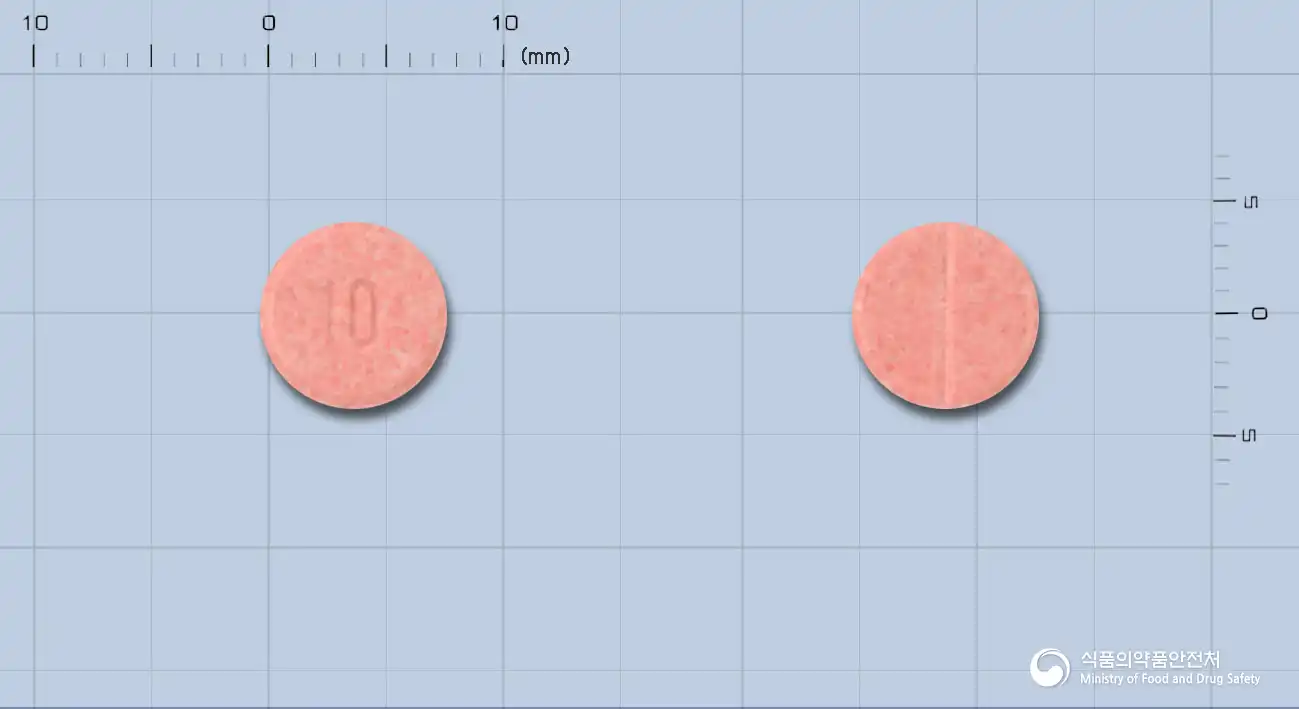
Enaprin Tablet 10 mg (Enalapril Maleate)
Enalapril Maleate 10mg
Tablet · Prescription medication
Jongkundang Co., Ltd.
MFDS item code 198800153 · Notified 1988.12.29 · Insurance code 643301900
Treatment of hypertension; adjunctive treatment of heart failure
This medication is used as an adjunctive treatment for hypertension and heart failure, in combination with diuretics and digitalis.
1. Hypertension 1) Patients not receiving diuretics Adults: Administer an initial dose of 5 mg of enalapril maleate once daily and adjust according to blood pressure. The maintenance dose is 10-40 mg daily in 1-2 divided doses. If the antihypertensive effect decreases at the end of the dosing interval in patients receiving the medicine once daily, increase the dose or administer it twice daily. 2) Patients receiving diuretics Adults: Because hypotension may occur when this medicine is first administered to patients recently treated for hypertension with a diuretic, discontinue the diuretic, if possible, 2-3 days before starting this medicine. If hypertension is not controlled when this medicine is administered, diuretic treatment may be resumed. If the diuretic cannot be discontinued, administer 2.5 mg of this medicine orally once daily. 3) Patients with renal impairment ① The usual dosage applies to patients with a creatinine clearance of 30 mL/min or higher (serum creatinine up to 3 mg/dL). ② Patients with a creatinine clearance of 30 mL/min or lower (serum creatinine of 3 mg/dL or higher): Administer an initial dose of 2.5 mg once daily. The dose may be increased to a maximum of 40 mg daily until blood pressure is controlled. Renal function status Creatinine clearance (mL/min) Initial dose (mg/day) Normal >80 mL/min 5 mg Mild impairment >30, ≤80 mL/min 5 mg Moderate to severe impairment ≤30 mL/min 2.5 mg Patients on dialysis 2.5 mg on the day of renal dialysis * If renal dialysis is not performed, determine the dose according to the blood pressure response. 2. Heart failure 1) This medicine is used as adjunctive therapy to diuretics and digitalis. 2) Initial dose Adults: Administer 2.5 mg 1-2 times daily. After the first dose, monitor the patient closely for at least 2 hours and until blood pressure is stable; if possible, reduce the diuretic dose to prevent hypotension. If hypotension occurs after the first dose, continue to adjust the dose carefully and manage the hypotension effectively. 3) Maintenance dose Adults: Administer 5-20 mg daily in 2 divided doses; the dose may be increased to a maximum of 40 mg daily. In controlled trials in which most patients received the maximum daily dose of 40 mg, once-daily administration was effective in most patients. However, twice-daily administration has generally been used more frequently, and in placebo-controlled trials confirming reduced mortality in patients with severe heart failure (NYHA class IV), most patients received 2.5-40 mg daily in 2 divided doses. The dose may be adjusted according to the hemodynamic or clinical response. 4) Patients with heart failure accompanied by renal failure or hyponatremia In patients with heart failure and hyponatremia (serum sodium concentration of 130 mEq/L or lower) or serum creatinine of 1.6 mg/dL or higher, administer an initial dose of 2.5 mg daily with close monitoring. If increasing the dose, administer 2.5-5 mg twice daily or more if needed. Increase the dose only if excessive hypotension or significant deterioration in renal function has not occurred during the 4 days or longer after the first dose. The dose may be increased to a maximum of 40 mg daily.
This medication should not be used in certain patients. For example, it should not be administered to patients with allergies to this medication, those undergoing hemodialysis, patients with a history of angioedema, patients with certain liver diseases or post-kidney transplant, women who are pregnant or breastfeeding, and children. Additionally, patients with very poor renal function, renovascular hypertension, cerebrovascular disorders, severe proteinuria, elderly patients, etc. should use this medication with special caution, and dosage adjustments or changes in dosing intervals may be necessary. This medication may affect kidney function, so kidney function tests are necessary before and during administration. A sudden drop in blood pressure may occur at the start of treatment, so patients with severe hypertension or those taking diuretics should start at a low dose and gradually increase it. During treatment, symptoms such as dizziness or drowsiness may occur, requiring caution when driving or operating machinery. This medication can interact with various drugs, so special caution is required when taken together with potassium-sparing diuretics, lithium, non-steroidal anti-inflammatory drugs, other blood pressure medications, or alcohol. Women who are pregnant should avoid this medication, as it may cause serious side effects for the fetus, and those who are breastfeeding should also avoid it or stop breastfeeding. It is advisable not to use this medication in children, as safety and efficacy have not been established. Elderly patients may experience side effects such as excessively low blood pressure, so they should start at a low dose and be administered carefully. If a patient receiving this medication is undergoing desensitization treatment for bee venom, care should be taken due to the potential for severe allergic reactions. Finally, this medication should be stored out of the reach of children, and transferring it to another container may compromise its quality, so caution is required.
Not everyone experiences these, and they can vary from person to person.
This medication may be sensitive to air and moisture, so it should be stored in a tightly sealed container. It is also advisable to store it at a general indoor temperature, avoiding extremely hot or cold places.
Light reddish-brown round tablet
30 tablets/bottle, 100 tablets/bottle
Even with the same ingredient, strength, dosage form and how it is taken can differ.
Viewing nowEnalapril Maleate 10mg
Tablet · Prescription medication
Jongkundang Co., Ltd.
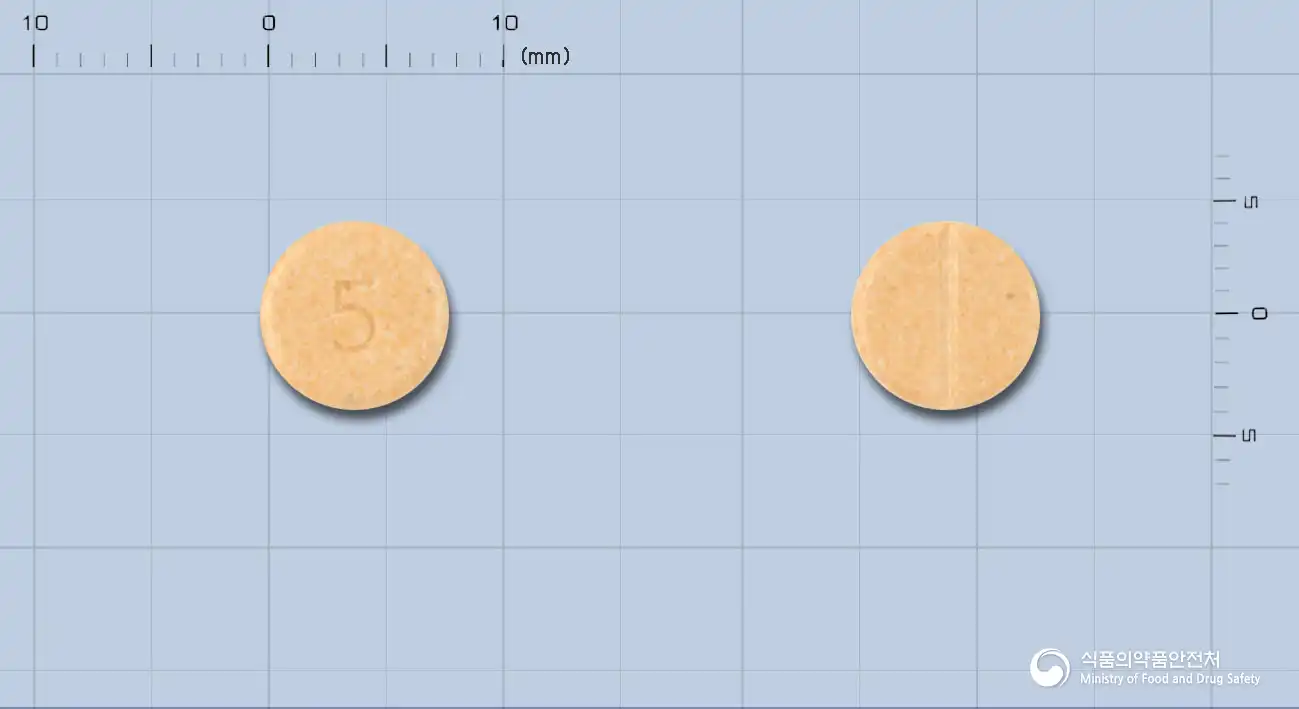
Enalapril Maleate 5mg
Tablet · Prescription medication
Jongkundang Co., Ltd.
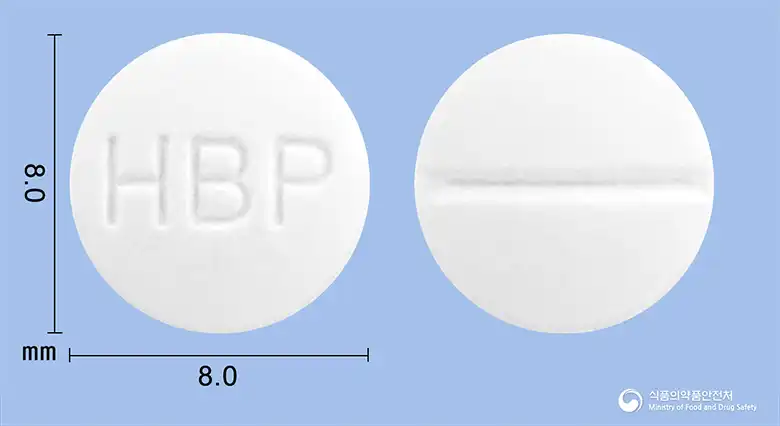
Enalapril Maleate 10mg
Tablet · Prescription medication
Withers Pharmaceutical Co., Ltd.
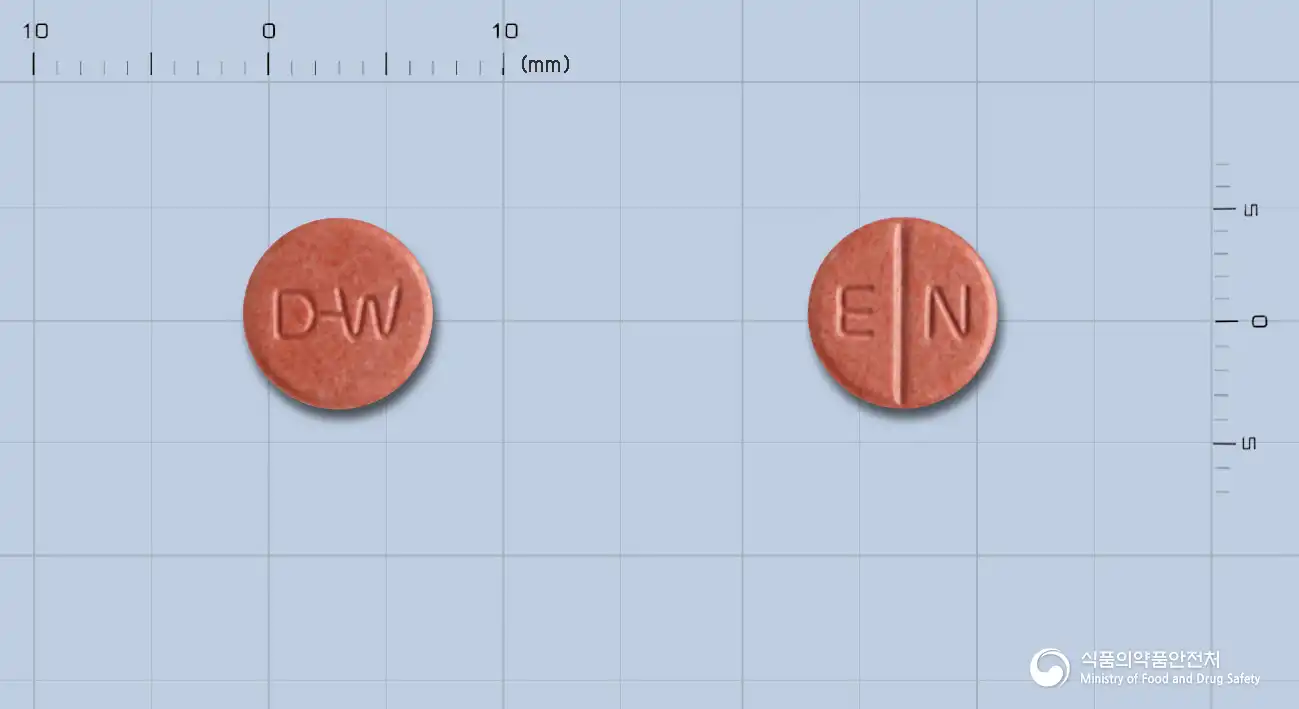
Enalapril Maleate 10mg
Tablet · Prescription medication
Dongwha Pharmaceutical Co., Ltd.
Enalapril Maleate 10mg
Tablet · Prescription medication
(Co., Ltd.) Bivocons Pharmaceutical
Enalapril Maleate 10mg
Tablet · Prescription medication
Aprogen Pharmaceuticals Co., Ltd.
Enalapril Maleate 10mg
Tablet · Prescription medication
Hawon Pharmaceutical Co., Ltd.
Enalapril Maleate
Prescription medication
Korea United Pharmaceutical Co., Ltd.
Even with the same ingredient, the dose and directions can differ by strength and dosage form. Talk to a doctor or pharmacist before switching from a medication you are already taking.
No questions yet.
For anything that needs medical judgment, consult a doctor or pharmacist.
This drug information is based on data provided by the Korea Ministry of Food and Drug Safety.
Consult a doctor or pharmacist for accurate dosage, administration, and usage instructions.