한국어
 English
 日本語
 中文(简体)
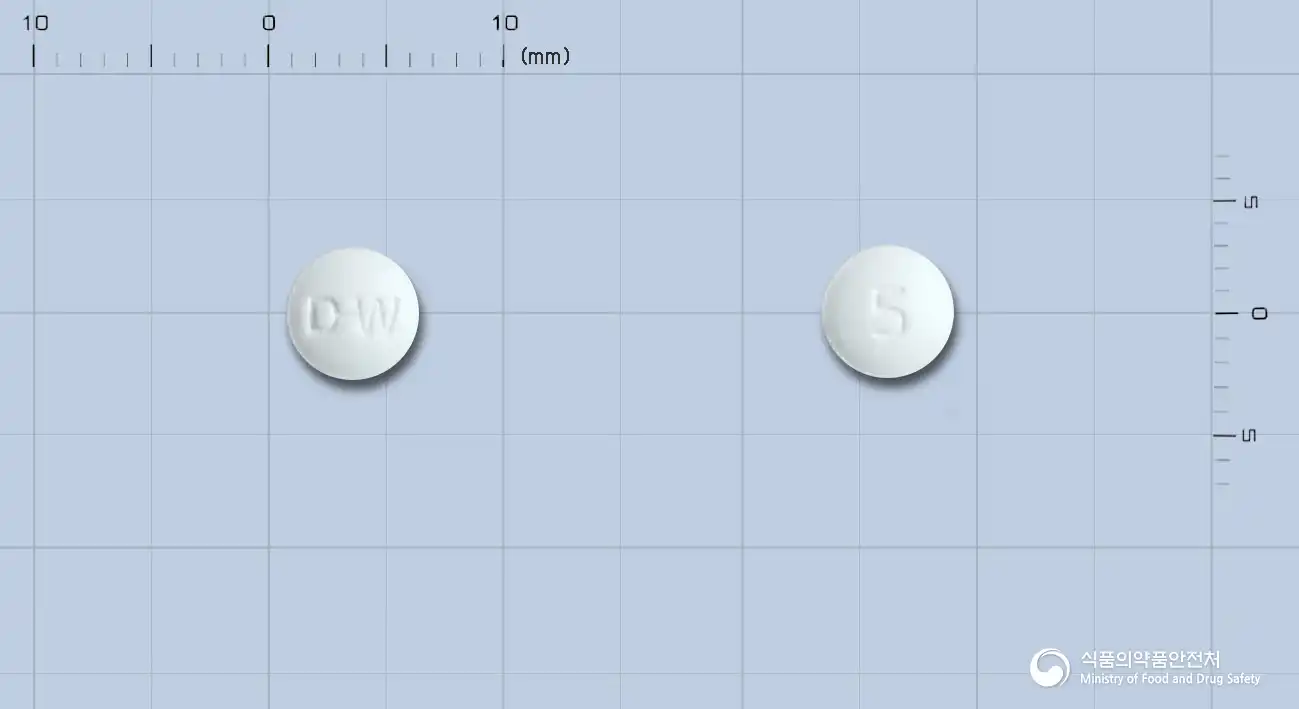
Dosage form image
Viewing nowSinil Metoclopramide Tablets
Metoclopramide 3.84mg
Tablet · Prescription medication
Sinil Pharmaceutical Co., Ltd.
MFDS item code 198701357 · Notified 1987.05.28
This product's status changed to Expired on 2026.01.01. It may no longer be sold, so consult a doctor or pharmacist before taking it.
Treatment of nausea and vomiting; prevention of nausea and vomiting associated with anticancer treatment and radiation therapy
This medication is used in adults to prevent delayed nausea and vomiting occurring after chemotherapy, as well as nausea and vomiting caused by radiation therapy. It is also effective for treating symptoms of nausea and vomiting that have already occurred. In children (aged 1-18), it is used as a second-line treatment to prevent delayed nausea and vomiting after chemotherapy. Thus, this drug is helpful in effectively preventing and treating symptoms of nausea and vomiting that arise during cancer treatment.
An interval of at least 6 hours between doses is recommended, even if vomiting or dose refusal has occurred. Adults: Administer 10-30mg of metoclopramide hydrochloride per day (equivalent to 7.7-25.4mg of metoclopramide) orally in 2-3 divided doses before meals. The maximum recommended daily dose is 30mg or 0.5mg per kg of body weight, and the maximum recommended treatment duration is 5 days. Older adults: Consider dose reduction based on renal and hepatic function and overall frailty. Patients with renal impairment: For patients with end-stage renal disease (creatinine clearance ≤ 15ml/min), reduce the daily dose by up to 75%. For patients with moderate to severe renal impairment (creatinine clearance 15~60 ml/min), reduce the dose by up to 50%. Patients with hepatic impairment: For patients with severe hepatic impairment, reduce the dose by up to 50%.
Pediatric patients: The recommended dose is 0.1~0.15mg per kg of body weight, repeated up to 3 times daily. The maximum dose within 24 hours is 0.5mg per kg of body weight. 1-3 years, 10-14kg: Single dose 1mg, up to 3 times daily 3-5 years, 15-19kg: Single dose 2mg, up to 3 times daily 5-9 years, 20-29kg: Single dose 2.5mg, up to 3 times daily 9-18 years, 30-60kg: Single dose 5mg, up to 3 times daily 15-18 years, over 60kg: Single dose 10mg, up to 3 times daily The maximum treatment duration for prevention of delayed nausea and vomiting after cancer chemotherapy is 5 days. This medicine is contraindicated in children under 1 year of age.
This medication carries a risk of serious side effects known as tardive dyskinesia when used for long periods or in high doses. It is particularly risky for elderly patients, especially elderly women, and those on long-term treatment, so it is recommended not to use it continuously for more than 3 months. This drug should not be administered to certain patients. For example, patients with pheochromocytoma, those with hypersensitivity to this medication, patients with gastrointestinal bleeding or mechanical intestinal obstruction, those with a history of drug-induced movement disorders, as well as patients with epilepsy or Parkinson's disease should not use this drug. It is advisable not to administer this drug to children under 1 year of age, and caution should be exercised when administering it to children aged 1 to 18 years, elderly patients, those with kidney disorders, or patients who are dehydrated or malnourished. While using this medication, serious side effects such as severe allergic reactions or neuroleptic malignant syndrome may rarely occur, so if any unusual symptoms arise, stop the treatment immediately and consult a healthcare professional. A variety of side effects may occur, including extrapyramidal symptoms, gastrointestinal disturbances, blood pressure changes, headaches, drowsiness, and seizures; thus, careful attention to symptoms during treatment is necessary. This drug may interact with other antipsychotics, antidepressants, or muscle relaxants, so it is essential to inform healthcare professionals of any other medications being taken. During pregnancy, this medication should be used cautiously and only when necessary; particularly in late pregnancy, it is advisable to avoid use due to potential impact on the newborn. During breastfeeding, it is not recommended, as this drug can be excreted in breast milk and affect the infant. Elderly patients should be monitored for potential prolonged effects of the drug due to decreased kidney function, necessitating adjustments to dosing and careful attention to side effects. In the case of overdose, serious side effects may occur, requiring immediate assistance from healthcare professionals for symptomatic treatment. This medication may accumulate in patients with impaired renal or liver function, requiring dosage adjustments. During treatment with this drug, drowsiness or dizziness may occur, so it is advisable to avoid driving or operating hazardous machinery.
Not everyone experiences these, and they can vary from person to person.
This medication should be stored in a tightly closed container to prevent exposure to air and moisture, ideally at room temperature between 1 and 30 degrees Celsius. Proper storage will help maintain the drug's efficacy and prevent degradation.
White, round, film-coated tablets
1000 tablets/bottle
Even with the same ingredient, strength, dosage form and how it is taken can differ.
Even with the same ingredient, the dose and directions can differ by strength and dosage form. Talk to a doctor or pharmacist before switching from a medication you are already taking.
No questions yet.
For anything that needs medical judgment, consult a doctor or pharmacist.
This drug information is based on data provided by the Korea Ministry of Food and Drug Safety.
Consult a doctor or pharmacist for accurate dosage, administration, and usage instructions.