
 한국어
 English
 日本語
 中文(简体)
Summary
- Main use
- Treats endometriosis (infertility), relieves fibrocystic breast disease, and prevents hereditary angioedema
- Who takes it
- Adults
- Adult dose
- 1. Endometriosis and infertility due to endometriosis For moderate or severe disease and infertility due to endometriosis, administer 800 mg of danazol orally per day in 2 divided doses. The dose may be reduced according to the patient's response. For mild disease, a daily dose of 200 ~ 400 mg in 2 divided doses is recommended, and may be adjusted according to the patient's response. Treatment should be started during menstruation. Otherwise, appropriate tests should be performed to confirm that the patient is not pregnant during treatment with this drug. Continue this regimen for 3 to 6 months; it may be extended to 9 months if necessary. If symptoms recur after treatment ends, treatment may be restarted. 2. Fibrocystic breast disease Administer 100 ~ 400 mg of this drug per day in 2 divided doses, according to the patient's response. Start this regimen during menstruation. Otherwise, appropriate tests should be performed to confirm that the patient is not pregnant during treatment with this drug. As ovulation may not be suppressed at this dose, nonhormonal contraception is recommended. In almost all cases, breast pain and tenderness are substantially relieved within the first month and resolve after 2 ~ 3 months. Continuous treatment for 4 ~ 6 months is usually needed to eliminate nodules. Among patients treated with 100 mg of this drug, regular menstruation, irregular menstruation, and amenorrhea occur in approximately 1/3 each. Irregular menstruation and amenorrhea occur more frequently at higher doses. Clinical studies have reported that symptoms recurred in 50 % of patients within 1 year. In such cases, treatment may be restarted. 3. Hereditary angioedema The dose required for continuous treatment of hereditary angioedema with this drug should be individualized according to the patient's clinical response. These patients are advised to start with 200 mg of this drug 2 or 3 times daily. If the frequency of attacks has been established before treatment, after an initial favorable response for preventing attacks of edema, extend the dosing interval to 1 ~ 3 months or longer while reducing the dose in increments of 50 % or less to determine an appropriate maintenance dose. If an attack occurs, the daily dose may be increased to 200 mg. Monitor the patient's response closely during dose adjustment, and monitor even more carefully patients with a history of airway involvement.
Ingredients
- Manufacturer
- Youngpoong Pharmaceutical Co., Ltd.
Efficacy & effects
Treats endometriosis (infertility), relieves fibrocystic breast disease, and prevents hereditary angioedema
- Endometriosis
- infertility due to endometriosis
- symptoms of fibrocystic breast disease
- pain
- tenderness
- angioedema
View approved original textHide original text
This medication is used for the treatment of endometriosis and infertility caused by endometriosis. It is particularly administered to patients who have not responded to other drug therapies or who have contraindications and those who do not respond to appropriate doses. Additionally, in cases of fibrocystic breast disease, it helps alleviate symptoms by suppressing ovarian function when pain and tenderness are severe. However, caution is required regarding hormonal fluctuations, and symptoms may recur upon discontinuation. Finally, this drug is effective in preventing various episodes of angioedema in patients with hereditary angioedema. In summary, this drug is used for the treatment of endometriosis, fibrocystic breast disease, and hereditary angioedema.
How to take
Adult dose
1. Endometriosis and infertility due to endometriosis For moderate or severe disease and infertility due to endometriosis, administer 800 mg of danazol orally per day in 2 divided doses. The dose may be reduced according to the patient's response. For mild disease, a daily dose of 200 ~ 400 mg in 2 divided doses is recommended, and may be adjusted according to the patient's response. Treatment should be started during menstruation. Otherwise, appropriate tests should be performed to confirm that the patient is not pregnant during treatment with this drug. Continue this regimen for 3 to 6 months; it may be extended to 9 months if necessary. If symptoms recur after treatment ends, treatment may be restarted. 2. Fibrocystic breast disease Administer 100 ~ 400 mg of this drug per day in 2 divided doses, according to the patient's response. Start this regimen during menstruation. Otherwise, appropriate tests should be performed to confirm that the patient is not pregnant during treatment with this drug. As ovulation may not be suppressed at this dose, nonhormonal contraception is recommended. In almost all cases, breast pain and tenderness are substantially relieved within the first month and resolve after 2 ~ 3 months. Continuous treatment for 4 ~ 6 months is usually needed to eliminate nodules. Among patients treated with 100 mg of this drug, regular menstruation, irregular menstruation, and amenorrhea occur in approximately 1/3 each. Irregular menstruation and amenorrhea occur more frequently at higher doses. Clinical studies have reported that symptoms recurred in 50 % of patients within 1 year. In such cases, treatment may be restarted. 3. Hereditary angioedema The dose required for continuous treatment of hereditary angioedema with this drug should be individualized according to the patient's clinical response. These patients are advised to start with 200 mg of this drug 2 or 3 times daily. If the frequency of attacks has been established before treatment, after an initial favorable response for preventing attacks of edema, extend the dosing interval to 1 ~ 3 months or longer while reducing the dose in increments of 50 % or less to determine an appropriate maintenance dose. If an attack occurs, the daily dose may be increased to 200 mg. Monitor the patient's response closely during dose adjustment, and monitor even more carefully patients with a history of airway involvement.
Precautions
This drug should not be taken during pregnancy. It is advisable to have definitive pregnancy tests before starting treatment, and during treatment, non-hormonal contraceptive methods should be used. If you become pregnant while taking this medication, you must stop taking it immediately and be fully aware of the potential effects on the fetus. Exposure to this drug in utero may cause masculinization, so extreme caution is warranted. Certain patients should avoid taking this medication. For example, patients with unexplained genital bleeding, those with severe heart or kidney disease, significantly impaired liver function, pregnant or potentially pregnant women, and breastfeeding women should refrain from use. Furthermore, patients with specific rare diseases or blood disorders, as well as individuals allergic to this drug or its components, should also avoid it. This drug should be used with caution in some patients. This includes patients with epilepsy or migraines, those with a history of heart or kidney disease, diabetes, hypertension, polycythemia, and patients with allergies to certain pigment components. While taking this medication, various side effects may occur, so it is essential to monitor closely. Symptoms such as masculinization may include acne, weight gain, voice changes, and these symptoms may persist even after the medication is discontinued. Additionally, dry vagina, itching, menstrual irregularities, liver dysfunction, thrombosis, and serious issues such as myocardial infarction may arise. Other reported side effects include allergic reactions, central nervous system disturbances, gastrointestinal issues, muscle and joint pain, urogenital problems, and blood disorders. Before taking this medication, breast cancer must be ruled out, and regular liver health examinations are important with long-term use. Blood tests and semen analyses should be conducted periodically to ensure there are no abnormalities, particularly since the effects of male hormones may be irreversible, so it must be used with caution. Also, non-hormonal contraceptive methods must be strictly followed while taking this medication. If symptoms of masculinization, nipple swelling, severe headaches, jaundice, visual disturbances, or signs of thrombosis occur during treatment, discontinue use immediately and consult a doctor. The risk of thrombosis is particularly higher in elderly patients over 40 or smokers, so caution is required. This drug may interact with various medications such as antidiabetics, anticoagulants, and immunosuppressants, so consult a specialist if using concurrently, and caution should be taken as it may affect the central nervous system when taken with alcohol. Women who are pregnant or breastfeeding should not take this medication, and women of childbearing age should ensure a negative pregnancy test before use. Elderly patients may have impaired physical abilities, so the dosage should be adjusted accordingly. This drug may affect various clinical test results, so inform the physician about the use of this medication during testing. In case of overdose, induce vomiting or perform gastric lavage to remove the drug and monitor the patient's condition closely.
Side effects
Acne, edema, mild hirsutism, voice changes (deep voice, hoarseness), seborrhea of the skin or hair, weight gain, clitoral hypertrophy, testicular atrophy, alopecia, pruritus, vaginitis, dryness, burning sensation, vaginal bleeding, flushing, sweating, neural irritability, emotional disturbance, breast reduction, menstrual disorders (spotting, amenorrhea, etc.), increased serum transaminase (AST, ALT) levels, jaundice, cerebral infarction, pulmonary embolism, deep vein thrombosis, retinal thrombosis, myocardial infarction, severe hepatic inflammation, liver tumors, liver hemangioma, interstitial pneumonia, congestion, skin rash, polymorphous erythema, maculopapular rash, photosensitivity, exfoliative dermatitis, urticaria, dizziness, headache, migraine, sleep disorders, fatigue, tremors, peripheral sensory disturbances, visual impairment, anxiety, depression, changes in appetite (increased or decreased), chills, tinnitus, drowsiness, insomnia, lethargy, Guillain-Barré syndrome, gastroenteritis, nausea, vomiting, constipation, diarrhea, stomatitis, polydipsia, pancreatitis, muscle rigidity, muscle cramps, joint fixation, joint swelling, back, neck or limb pain, hematuria, increased leukorrhea, destructive bleeding, spotting, abnormal semen volume, abnormal viscosity, abnormal sperm count, motility abnormalities, phlebitis, thrombosis, tachycardia, palpitations, hypertension, increased intracranial pressure, erythrocytosis, eosinophilia, leukopenia, thrombocytosis or thrombocytopenia, abnormal glucose tolerance test, increased insulin requirement, changes in libido (increase or decrease), pelvic pain, decreased HDL, increased LDL, cataract
Not everyone experiences these, and they can vary from person to person.
Storage
This medication is sensitive to light, so it should be stored in a tightly sealed container that does not allow light in. It is best to store it at room temperature, avoiding extremely hot or cold conditions.
Appearance and packaging
Appearance
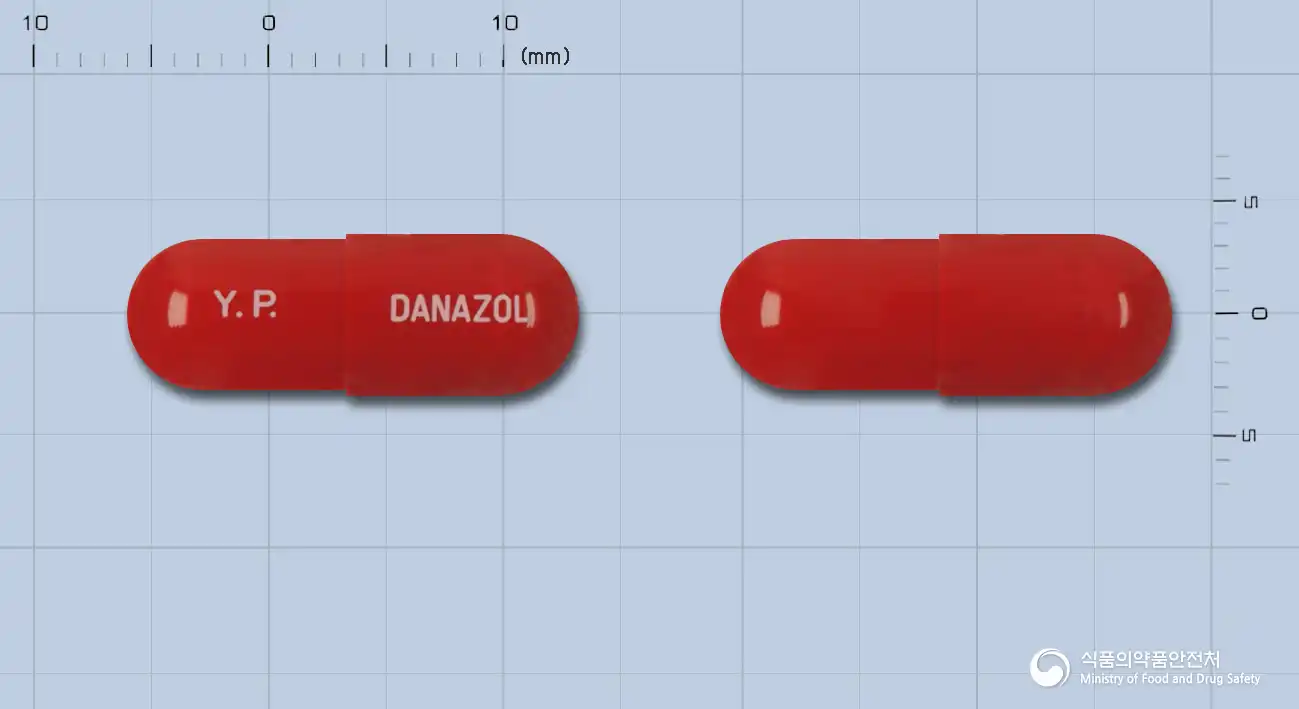
Red capsule containing white to off-white powder
Package unit
30 capsules/bottle, 100 capsules/bottle
Questions about this medicine
No questions yet.
For anything that needs medical judgment, consult a doctor or pharmacist.