
 한국어
 English
 日本語
 中文(简体)
Dosage form image
Viewing nowBoryeong Duricep Dry Syrup 125 mg/5 mL (Cefadroxil Hydrate)
Cefadroxil Hydrate 4.5g
Prescription medication
Boryeong Co., Ltd.
MFDS item code 198200301 · Notified 1982.08.21 · Insurance code 641901092
Treatment of throat infections (tonsillitis, etc.), urinary tract infections (cystitis, etc.), and skin and soft tissue infections
This medication is effective against various bacteria including beta-hemolytic streptococci, penicillinase-producing staphylococci, pneumococci, E. coli, Proteus mirabilis, and Klebsiella species. It is primarily used for treating urinary tract infections such as pyelonephritis, cystitis, and urethritis. It is also effective for skin and soft tissue infections and can assist in treating upper respiratory infections such as pharyngitis and tonsillitis. It is utilized to improve symptoms and treat infections caused by these various bacterial infections.
○ Adults 1) Urinary tract infections: For uncomplicated lower urinary tract infections (such as cystitis), administer 1~2g (potency) of cefadroxil orally in 1~2 divided doses daily. For other urinary tract infections, administer 2g (potency) daily in 2 divided doses. 2) Skin and skin structure infections: Administer 1g (potency) daily orally in 1~2 divided doses. 3) Pharyngitis, tonsillitis: For pharyngitis and tonsillitis caused by beta-hemolytic streptococcal infection, administer 1g (potency) daily orally in 1~2 divided doses for 10 days. ○ Patients with renal impairment In patients with renal impairment, the cefadroxil dose should be adjusted according to creatinine clearance to prevent drug accumulation. The following dosing schedule is recommended: the initial dose for adults is 1000mg (potency), and the maintenance dose is 500mg (potency) at the following intervals, based on creatinine clearance (mL/min/1.73m2). Patients with creatinine clearance of 50mL/min or more may be treated as patients with normal renal function. Creatinine clearance Dosing interval 0~10mL/min 36 hours 10~25mL/min 24 hours 25~50mL/min 12 hours Adjust the dose as appropriate according to age and symptoms.
○ Children 1) Urinary tract infections, skin and skin structure infections: Administer 30mg (potency) per Kg of body weight daily orally in 2 divided doses. 2) Pharyngitis, tonsillitis: Administer 30mg (potency) per Kg of body weight daily orally in 1~2 divided doses. For beta-hemolytic streptococcal infections, administer for at least 10 days. Administer as a suspension as follows (syrup only; teaspoon: approximately 5mL). Body weight (Kg) 125mg/5mL 250mg/5mL 500mg/5mL 4.5 1 teaspoon - 9.1 2 teaspoons 1 teaspoon 13.6 3 teaspoons 1½ teaspoons 18.2 4 teaspoons 2 teaspoons 1 teaspoon 22.7 5 teaspoons 2½ teaspoons 1¼ teaspoons 27.3 6 teaspoons 3 teaspoons 1½ teaspoons 31.8 or more - - 2 teaspoons
This drug should not be administered to certain patients. For example, patients who have previously experienced shock from this medication or who are allergic to cephalosporin antibiotics should not use it. Additionally, it should not be given to patients with infectious mononucleosis or those with genetic disorders that prevent lactose digestion. There are also patients who should be cautious while using this drug. Those with a history of hypersensitivity reactions or allergic to penicillin antibiotics, individuals with allergic constitutions, or severe kidney disease patients should use it with particular caution. Elderly patients or those with gastrointestinal disorders should monitor their condition closely while taking this medication, as should individuals allergic to the pigments included in this medication. This drug may rarely cause serious side effects. Symptoms such as shock, severe allergic reactions, abnormal blood conditions, liver or kidney dysfunction, and gastrointestinal issues may occur, so if any abnormal symptoms arise, it is essential to discontinue use immediately and consult healthcare professionals. Severe skin reactions like a significant rash or Stevens-Johnson syndrome may also occur, so careful observation is necessary. To prevent the occurrence of resistant bacteria, it is advisable to take this medication only for the minimum duration after susceptibility testing has been performed. If hypersensitivity is suspected, dosing should be stopped immediately, and appropriate treatment should be initiated. Long-term use may require regular blood, kidney, and liver function tests, and dosage adjustments may be necessary for patients with decreased kidney function. When used with other drugs that may affect the kidneys, this medication may increase the risk of kidney dysfunction, so caution is advised during concomitant use. Additionally, it may increase the plasma concentration of this medication when taken with certain other drugs. Women who are pregnant or may become pregnant should carefully consider the benefits and risks of using this medication, and nursing mothers should also use it with caution. Elderly patients are at an increased risk of side effects due to decreased bodily functions, so dosage and administration intervals should be adjusted while monitoring their condition closely. This drug can impact the results of some clinical tests, so this information should be conveyed to healthcare professionals prior to testing. Lastly, this medication may cause photosensitivity reactions, so it is advisable to avoid exposure to sunlight.
Shock, rash, urticaria, erythema, facial edema, angioedema, mucosal vesicles, pruritus, fever, anaphylaxis, thrombocytopenia, granulocytopenia, agranulocytosis, eosinophilia, hemolytic anemia, cholestasis, elevated AST, elevated ALT, elevated ALP, acute renal failure, membranous colitis, severe colitis associated with bloody stools, abdominal pain, frequent diarrhea, diarrhea, nausea, vomiting, gastric pain, anorexia, upper abdominal discomfort, fever, cough, dyspnea, interstitial pneumonia, eosinophilic lung infiltration, stomatitis, candidiasis, dizziness, weakness, drowsiness, nervousness, headache, seizures, Stevens-Johnson syndrome, symptoms of vitamin K deficiency, hypoprothrombinemia, bleeding tendency, vitamin B deficiency, glossitis, stomatitis, neuritis, genital pruritus, genital candidiasis, genital moniliasis, vulvitis, rigidity of the limbs and legs, arthralgia, photophobia
Not everyone experiences these, and they can vary from person to person.
This drug is sensitive to light; therefore, it should be stored in a place that is not exposed to light. It should be kept at room temperature in a tightly sealed container to prevent air or moisture ingress.
It is a white to grayish-white powder.
261.1 g (with solvent added 470 mL)
Even with the same ingredient, strength, dosage form and how it is taken can differ.
Cefadroxil Hydrate 4.5g
Prescription medication
Boryeong Co., Ltd.
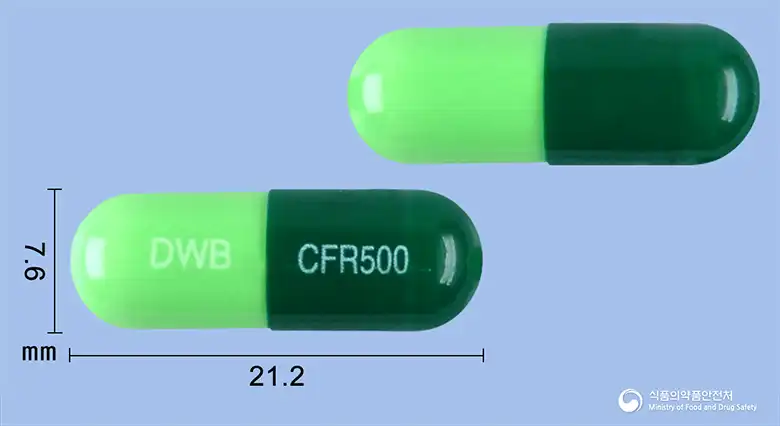
Cefadroxil Hydrate 500mg
Hard capsule · Prescription medication
Daewoong Bio Co., Ltd.
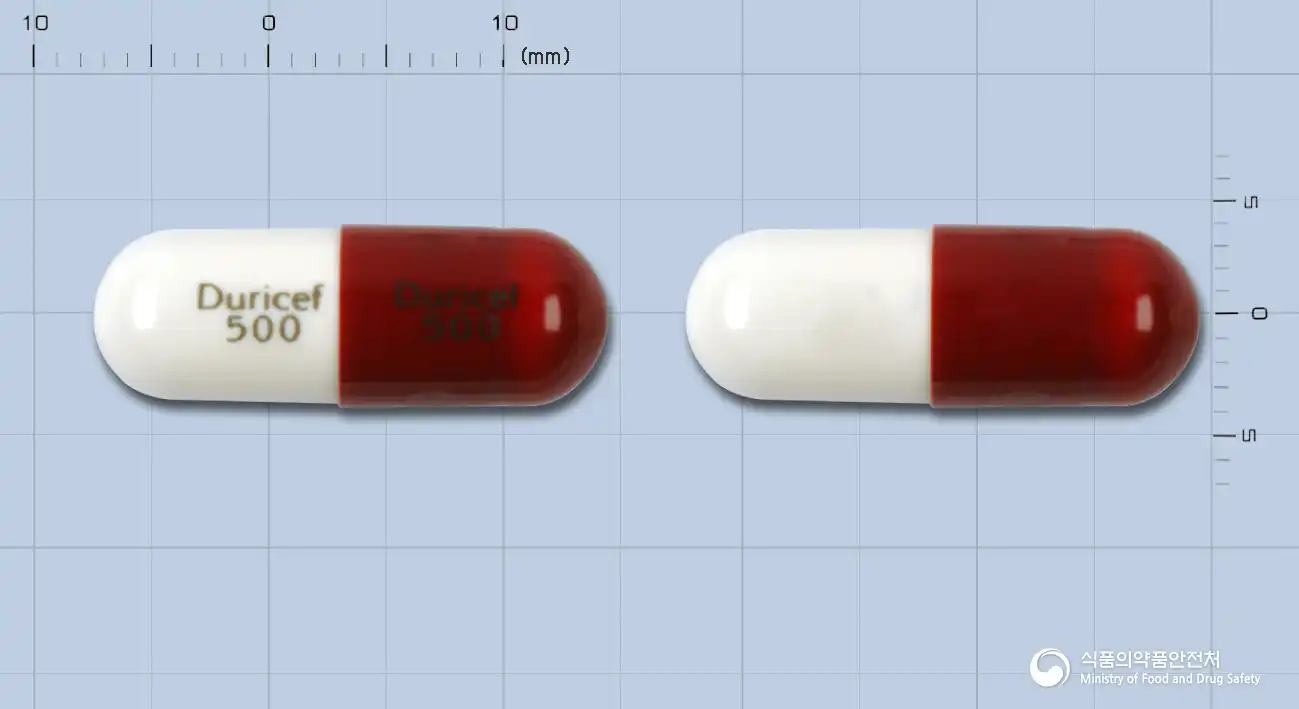
Cefadroxil Hydrate 500mg
Hard capsule · Prescription medication
Boryung Inc.
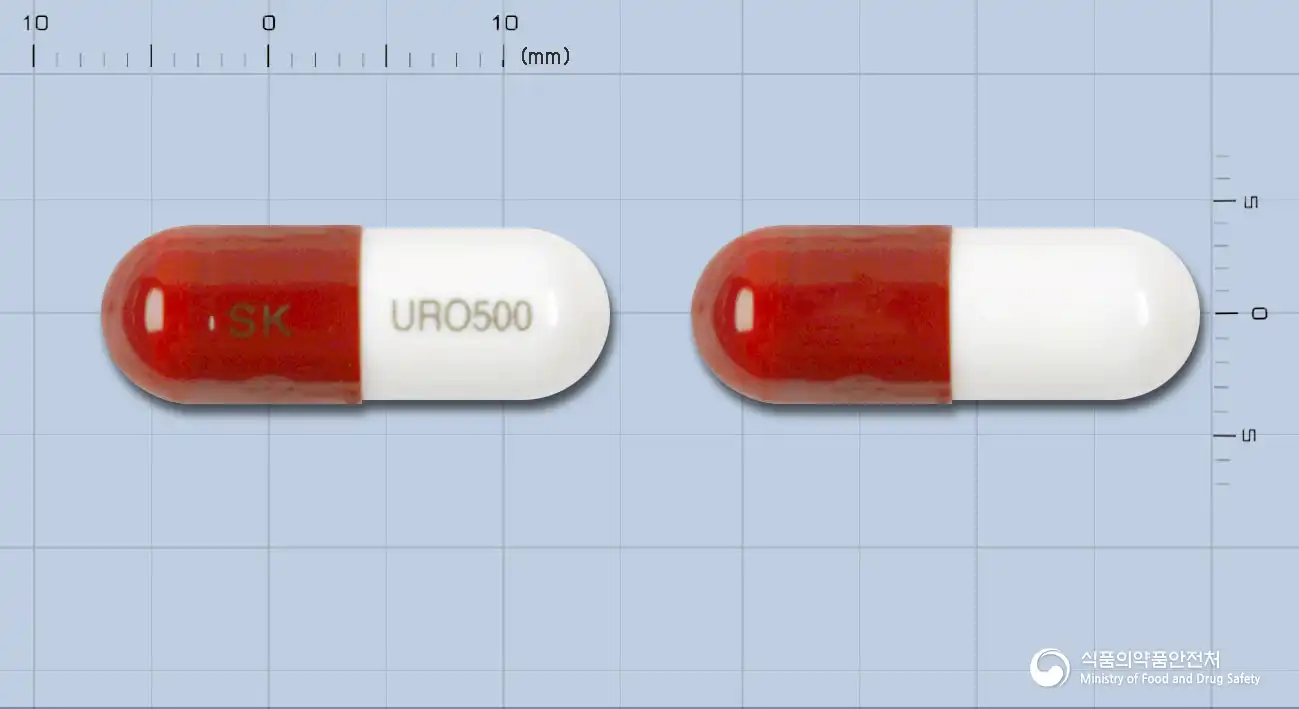
Cefadroxil Hydrate 500mg
Hard capsule · Prescription medication
SK Chemical Co., Ltd.
Cefadroxil Hydrate 9g
Prescription medication
Boryeong Co., Ltd.
Cefadroxil Hydrate 500mg
Hard capsule · Prescription medication
Korea Pharmaceutical Co., Ltd.
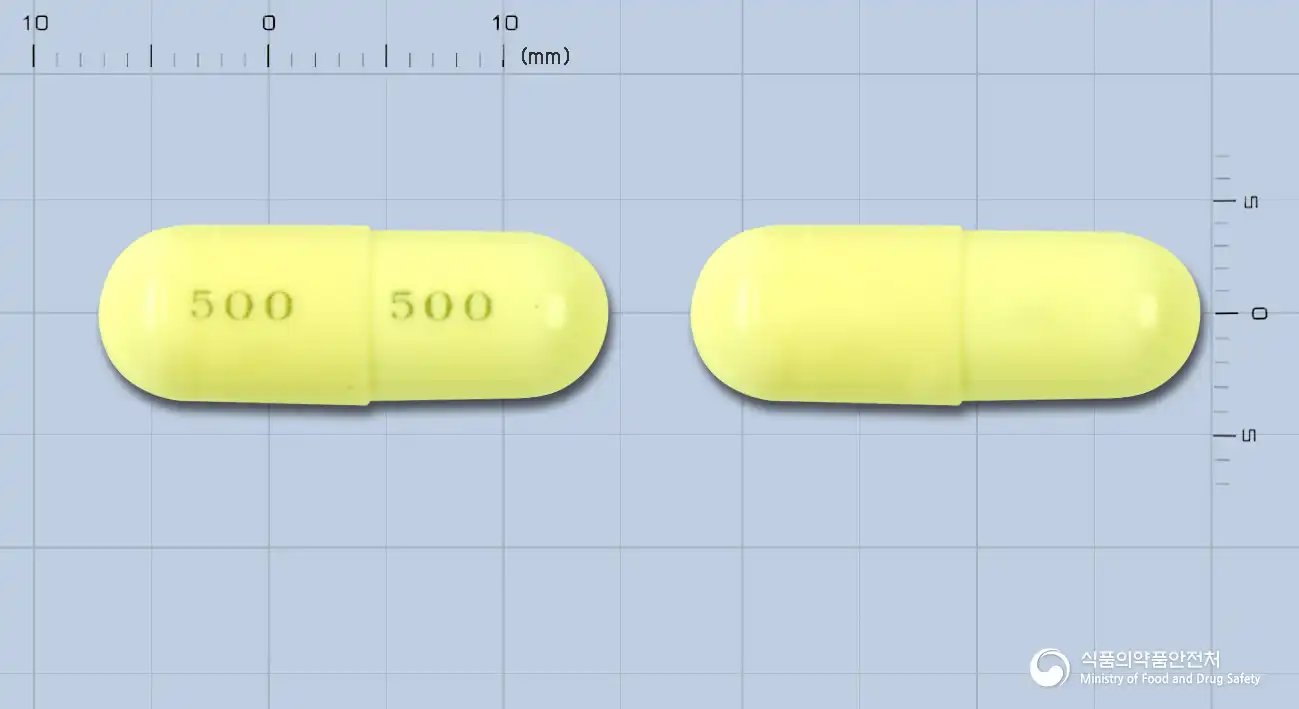
Cefadroxil Hydrate 500mg
Hard capsule · Prescription medication
Jongkundang Co., Ltd.
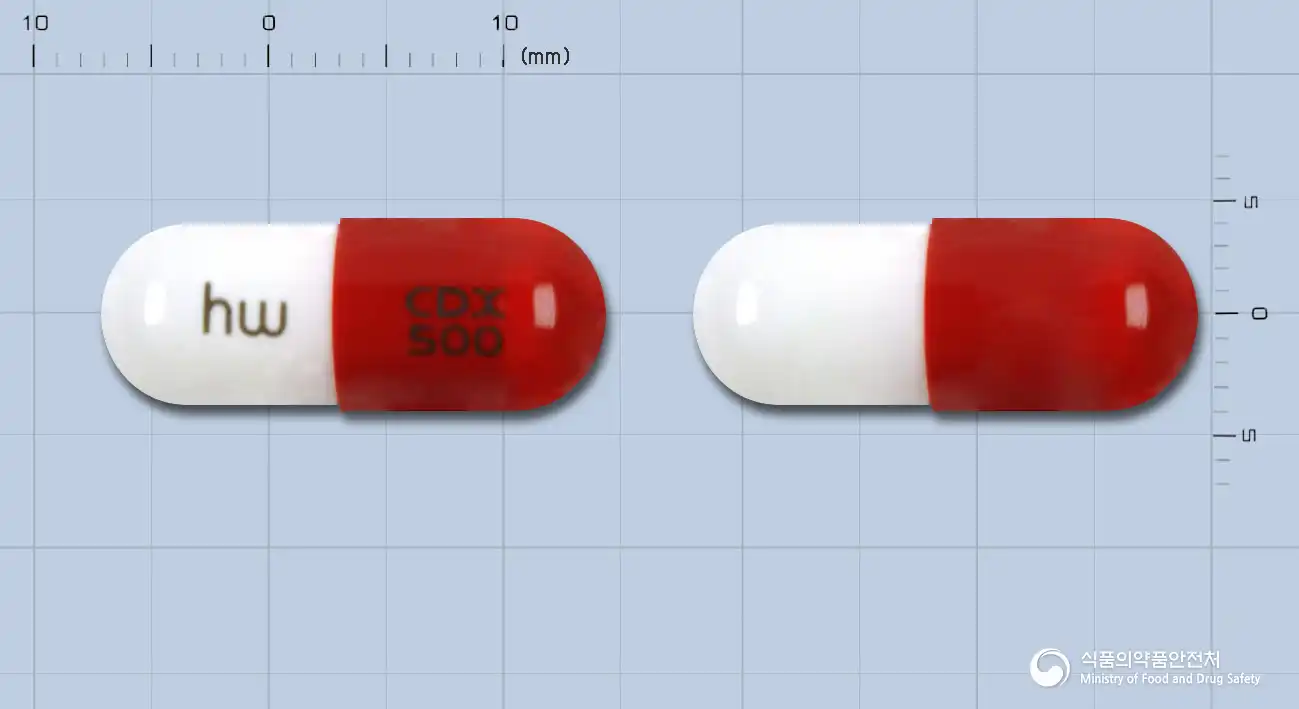
Cefadroxil Hydrate 500mg
Hard capsule · Prescription medication
Hawon Pharmaceutical Co., Ltd.
Even with the same ingredient, the dose and directions can differ by strength and dosage form. Talk to a doctor or pharmacist before switching from a medication you are already taking.
No questions yet.
For anything that needs medical judgment, consult a doctor or pharmacist.
This drug information is based on data provided by the Korea Ministry of Food and Drug Safety.
Consult a doctor or pharmacist for accurate dosage, administration, and usage instructions.