
 한국어
 English
 日本語
 中文(简体)
 Viewing now
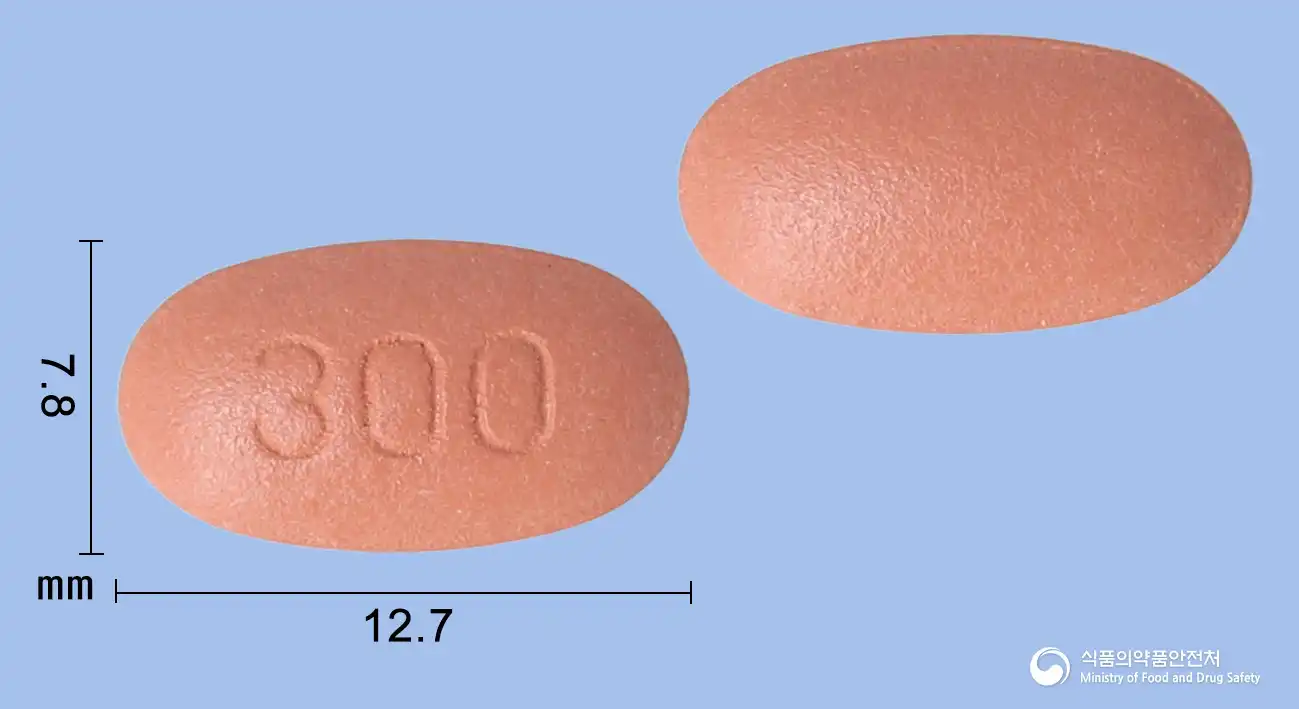
Rifodex 300 mg (Rifampicin)
Rifampicin 300mg
Tablet · Prescription medication
Jongkundang Co., Ltd.
MFDS item code 198000054 · Notified 1980.11.18 · Insurance code 643300580
Treats tuberculosis and asymptomatic meningococcal carriers
This medication is effective against tuberculosis bacteria and meningococci and is used for the treatment of tuberculosis and asymptomatic carriers of meningococci.
Tuberculosis: Adults: Administer 450~600mg (potency) of rifampicin orally once daily. If body weight is 50Kg or less, 450mg is recommended; if body weight is 50Kg or more, 600mg is recommended. Asymptomatic meningococcal carriers: Adults: Administer 600mg (potency) of rifampicin orally twice daily for 2 days. In principle, administer in combination with other antituberculosis drugs. It is preferable to take with plenty of water 1 hour before a meal or 2 hours after a meal. Adjust the dose as appropriate according to age and symptoms.
Tuberculosis: Children: Administer 10–20 mg (potency) per kg of body weight orally once daily. Do not exceed 600 mg (potency) per day. Tuberculosis: The dosage for children 5 years and younger has not been established; administer with caution. Asymptomatic meningococcal carriers: Children (1–12 years): Administer 10 mg (potency) per kg of body weight per dose orally twice daily for 2 days. Asymptomatic meningococcal carriers: Infants (3–12 months): Administer 5 mg (potency) per kg of body weight per dose orally twice daily for 2 days.
This medication may cause serious systemic hypersensitivity reactions during use. These reactions may include fever, rash, hives, angioedema, hypotension, bronchoconstriction, conjunctivitis, decreased platelet and white blood cell counts, abnormal liver function, and flu-like symptoms. If such symptoms occur, discontinue the medication immediately and consult a healthcare professional. This medication should not be administered to patients with biliary obstruction, severe liver dysfunction, or jaundice, those with a history of hypersensitivity to this medication, patients taking certain antiviral agents, premature infants, or newborns, and those undergoing treatment for certain parasites. In cases of intermittent administration or restarting after a temporary discontinuation, caution should be exercised in patients with adrenal cortical dysfunction or liver impairment, as allergic reactions or worsening liver function may occur. This medication can cause a variety of side effects including psychiatric symptoms (insomnia, anxiety, etc.), gastrointestinal disturbances (loss of appetite, nausea, vomiting, diarrhea, etc.), hematological disorders (thrombocytopenia, anemia, etc.), skin rashes and allergic reactions, liver dysfunction, kidney abnormalities, and respiratory issues, so any abnormal symptoms should be reported to a healthcare professional immediately. This medication can cause vitamin K-dependent coagulopathy, increasing the risk of bleeding; therefore, patients with chronic liver disease or poor nutritional status should have regular coagulation tests, and immediate treatment is necessary if bleeding symptoms occur. This medication has many drug interactions, which can lead to reduced efficacy or increased side effects when combined with other medications, so inform your healthcare provider if you are taking other drugs. Pregnant women or those who may become pregnant are advised to avoid this medication, and breastfeeding mothers should consult a physician before using it. In case of overdose, severe symptoms such as vomiting, liver dysfunction, respiratory distress, and convulsions may occur, requiring immediate emergency treatment. This medication may cause red discoloration of urine, sweat, saliva, tears, and teeth, and this discoloration may be permanent, so it should be anticipated. Patients with porphyria should be cautious, as symptoms may worsen with the use of this medication.
Not everyone experiences these, and they can vary from person to person.
This medication is sensitive to light and should be stored in a container that does not allow light in. Additionally, it is important to maintain a room temperature between 1°C and 30°C when storing the medication to ensure its effectiveness.
This medication is a pale reddish-brown, elongated rectangular tablet with almost no odor.
100 tablets/bottle
Even with the same ingredient, strength, dosage form and how it is taken can differ.
Viewing nowRifampicin 300mg
Tablet · Prescription medication
Jongkundang Co., Ltd.
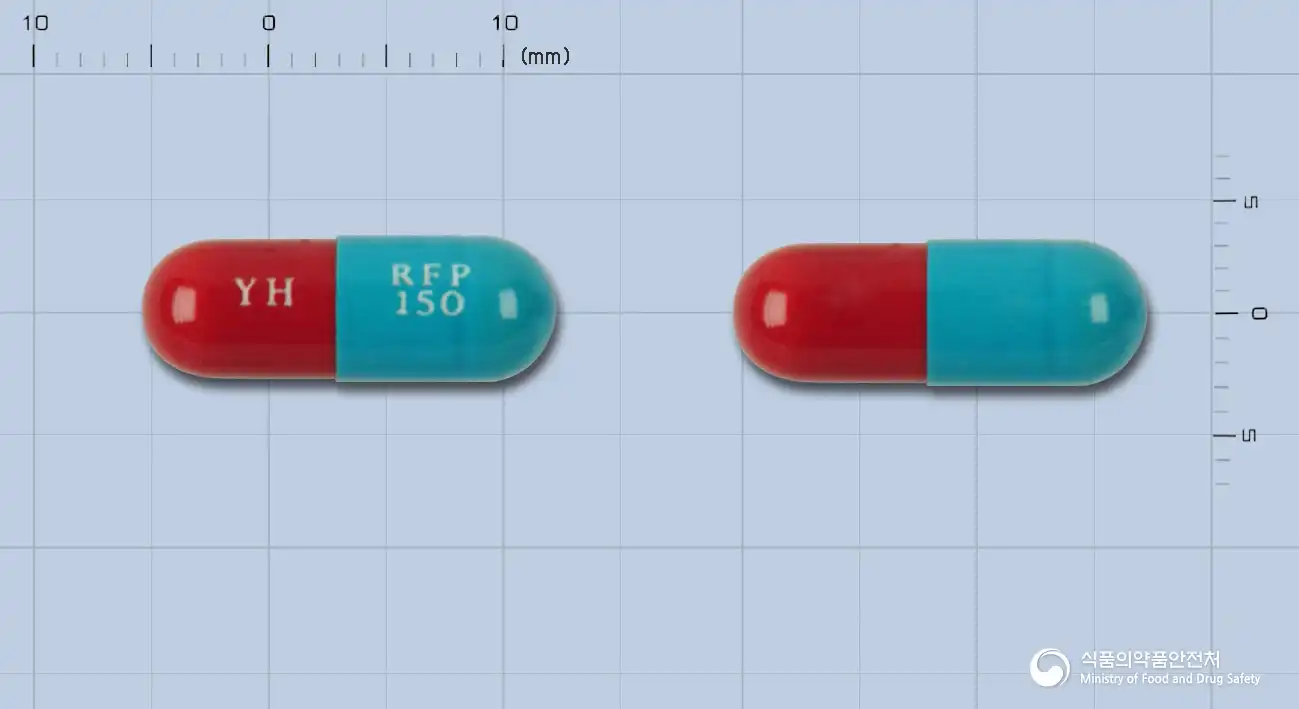
Rifampicin 150mg
Hard capsule · Prescription medication
Yuhansangyo Co., Ltd.
Rifampicin 600mg
Prescription medication
Yuhan Corporation
Even with the same ingredient, the dose and directions can differ by strength and dosage form. Talk to a doctor or pharmacist before switching from a medication you are already taking.
No questions yet.
For anything that needs medical judgment, consult a doctor or pharmacist.
This drug information is based on data provided by the Korea Ministry of Food and Drug Safety.
Consult a doctor or pharmacist for accurate dosage, administration, and usage instructions.