
 한국어
 English
 日本語
 中文(简体)
 Viewing now
Fusidic Acid Tablets (Sodium Fusidate)
Sodium Fusidate 250mg
Tablet · Prescription medication
Dongwha Pharmaceutical Co., Ltd.
MFDS item code 197700126 · Notified 1977.01.21
Treatment of systemic infections (osteomyelitis, sepsis, etc.), respiratory diseases, and skin infections
This medicine is used to treat various types of infections. In tablet form, it is effective for treating osteomyelitis, sepsis, endocarditis, cystic fibrosis, bronchopneumonia, and skin infections such as wound infections, boils, and abscesses caused by staphylococcus. The ointment is used to treat pyoderma (impetigo, infectious eczema, common acne, folliculitis, boils, and purulent hydradenitis) caused by various bacteria such as staphylococcus, streptococcus, corynebacterium, and clostridium, as well as secondary infections resulting from burns, trauma, surgical wounds, and skin grafts. The plaster is also used to treat pyoderma caused by staphylococcus and secondary infections from burns, trauma, surgical wounds, and skin grafts. This medicine mainly helps improve skin and systemic infections caused by staphylococcus and various infectious bacteria.
○ Adults: Administer 1~1.5g (potency) of fusidic acid per day orally in 2~3 divided doses with meals. For severe infections, the dose may be doubled. Adjust the dose appropriately according to age and symptoms.
○ Children aged 6 years and older: Administer 30㎎/㎏ per day in 3 divided doses. (However, patients weighing 50㎏ or more should follow the adult dosage.)
This drug should not be used in patients who have had hypersensitivity to fusidic acid or its salts. It should be avoided in patients with urinary tract staphylococcal infections, particularly those not caused by kidney diseases. Patients with poor liver function should use this medication with extra caution. Gastrointestinal symptoms such as nausea, vomiting, diarrhea, loss of appetite, gastric pain, abdominal pain, and indigestion may occur. Additionally, there may be side effects such as a decrease in blood cell count or suppression of bone marrow function. Rarely, jaundice may occur with prolonged high doses, and symptoms may improve with a reduction in dosage. Allergic symptoms such as skin rashes may occur, so caution is necessary. To prevent resistance, it is advisable to perform susceptibility tests and use the drug only for the minimum required duration. Patients with liver dysfunction or those taking large amounts for an extended period should undergo regular liver function tests. Caution is advised when using this drug in neonates, premature infants, those with jaundice, or those with severe acidosis, as their liver function may not be fully developed. This drug is mainly excreted via bile, so dosage adjustments are not necessary in patients with poor kidney function. Caution is advised when taking this drug with other drugs due to potential interactions. Particularly when combined with anticoagulants, certain antibiotics, statins, HIV medications, and immunosuppressants, the risk of changes in drug concentration and side effects may increase. Women who are pregnant or may become pregnant should only use it when the benefits clearly outweigh the risks, and breastfeeding women should discontinue breastfeeding and use it cautiously. In cases of overdose, elevations in liver enzyme levels, jaundice, abdominal discomfort, and diarrhea may occur, and appropriate treatment should be administered according to the symptoms. When using topical ointments or plasters, local reactions may occur, so the skin condition should be carefully monitored, and use should be discontinued if symptoms arise. Prolonged use over extensive areas should be avoided, and it should not be applied near the eyes.
Not everyone experiences these, and they can vary from person to person.
This drug is sensitive to light and should be stored in an opaque container that does not allow light in. It should also be kept in a tightly sealed container that allows minimal air exposure and stored at room temperature for best preservation. Avoid extreme temperatures, and storing at normal room temperature helps maintain its effectiveness.
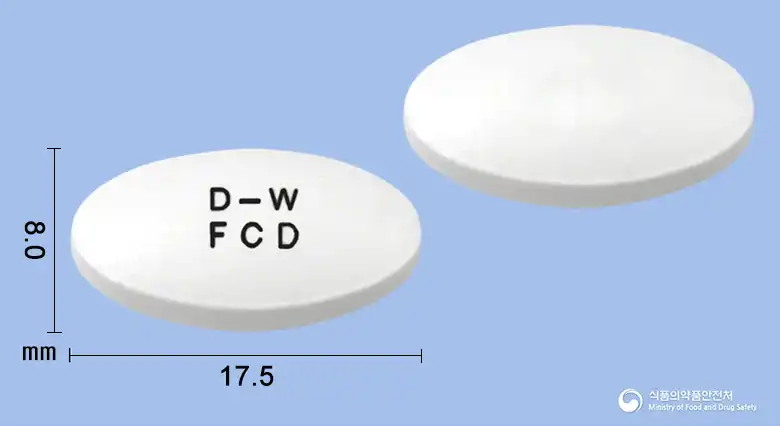
It is a white oval film-coated tablet.
30 tablets/bottle
Even with the same ingredient, strength, dosage form and how it is taken can differ.
Viewing nowSodium Fusidate 250mg
Tablet · Prescription medication
Dongwha Pharmaceutical Co., Ltd.
Sodium Fusidate 20mg
Ointment · OTC medication
Dongwha Pharmaceutical Co., Ltd.
Sodium Fusidate 20mg
Ointment · OTC medication
(Company) Green Cross
Sodium Fusidate 20mg
Ointment · OTC medication
SK Chemical Co., Ltd.
Sodium Fusidate 20mg
Ointment · OTC medication
Samik Pharmaceutical Co., Ltd.
Sodium Fusidate
OTC medication
Dongku Bio Pharmaceutical Co., Ltd.
Sodium Fusidate
OTC medication
Teragen Etex Co., Ltd.
Sodium Fusidate 20mg
Ointment · OTC medication
Taeguk Pharmaceutical Co., Ltd.
Even with the same ingredient, the dose and directions can differ by strength and dosage form. Talk to a doctor or pharmacist before switching from a medication you are already taking.
No questions yet.
For anything that needs medical judgment, consult a doctor or pharmacist.
This drug information is based on data provided by the Korea Ministry of Food and Drug Safety.
Consult a doctor or pharmacist for accurate dosage, administration, and usage instructions.