
 한국어
 English
 日本語
 中文(简体)
 Viewing now
Myambutol Zep Tablets 400mg (Ethambutol Hydrochloride)
Ethambutol Hydrochloride 400mg
Tablet · Prescription medication
Yuhan Corporation
MFDS item code 196700060 · Notified 1967.10.02 · Insurance code 642100440
Treatment of tuberculosis (including pulmonary tuberculosis)
This medication is used for the treatment of pulmonary tuberculosis and other tuberculosis diseases. It effectively suppresses infections caused by the tuberculosis bacillus, thereby improving symptoms and aiding in treatment.
1. Initial treatment Administer 15 mg/kg of body weight of ethambutol hydrochloride orally once every 24 hours. 2. Retreatment Administer 25 mg/kg of body weight of this drug once every 24 hours. After 60 days of treatment, administer 15 mg/kg of body weight once every 24 hours. When administering 25 mg, undergo an eye examination once a month. In principle, administer in combination with other antituberculosis drugs. Adjust the dose as appropriate according to age and symptoms.
This drug should not be used in certain patients. For example, patients who have had an allergic reaction to this drug or its components or those with optic neuritis should not be administered this drug. There are patients who require caution while using this drug. It is generally not administered to patients with diabetes or alcohol dependence, but must be used carefully in essential cases. Administration to infants should also be avoided when possible; if necessary, caution is especially important as it may be difficult to detect early vision impairment. Patients with reduced kidney function, hyperuricemia, or gout also require caution when using this drug. Furthermore, this drug contains yellow dye, so it should be administered carefully to patients who are allergic to this component. This medication may affect the eyes and nerves, potentially causing symptoms such as decreased vision, visual field constriction, and color perception abnormalities; therefore, the patient's condition should be frequently monitored during treatment. If any abnormal symptoms appear, it must be stopped immediately, and rapid action is necessary especially if visual disturbances occur. Neurological symptoms such as numbness of the limbs, peripheral neuropathy, hallucinations, anxiety, insomnia, headaches, and dizziness may also occur, so consultation with a doctor is necessary if these symptoms arise. Although rare, serious skin reactions such as skin rashes, itching, or severe cases like Stevens-Johnson syndrome may occur, so it is essential to carefully monitor the skin condition. Gastrointestinal symptoms may include loss of appetite, nausea, vomiting, and abdominal pain, and liver function abnormalities may occur, so regular liver function tests are necessary. Severe allergic reactions such as anaphylaxis may occur, so if there are symptoms such as difficulty breathing, systemic flushing, swelling, and hives, administration must be stopped immediately, and emergency treatment should be sought. There can be various side effects such as respiratory issues, decreased blood cell counts, and kidney problems, hence the patient's condition must be closely monitored. The safety of this drug during pregnancy has not been established, so women who may become pregnant should be administered with caution, and breastfeeding should be avoided if possible or breastfeeding should be discontinued during use. Particular caution is needed for elderly individuals and children, as elderly patients may experience side effects more easily due to decreased physical function; therefore, regular ophthalmic examinations and status monitoring are essential. In the case of overdose, symptoms such as vomiting, abdominal pain, confusion, and hallucinations may occur, so immediate medical treatment is necessary, and as there is no specific antidote, cessation of use and emergency treatment according to symptoms is important.
Not everyone experiences these, and they can vary from person to person.
This drug should be stored in a tightly sealed container to prevent exposure to air or moisture. Additionally, it is best to store the medication at room temperature between 1°C to 30°C. This will help maintain the drug's effectiveness.
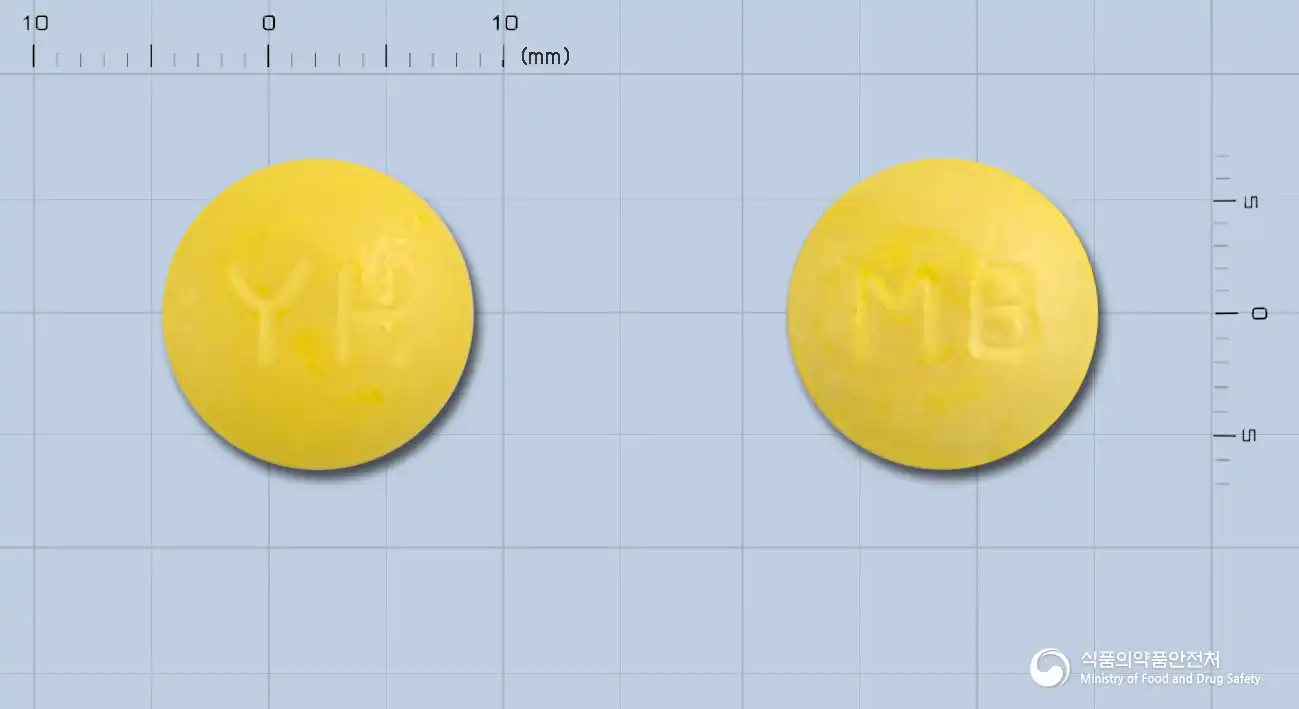
Yellow round film-coated tablets
100 tablets/box [10 tablets/PTP×10]
Even with the same ingredient, strength, dosage form and how it is taken can differ.
Viewing nowEthambutol Hydrochloride 400mg
Tablet · Prescription medication
Yuhan Corporation
Ethambutol Hydrochloride 400mg
Tablet · Prescription medication
BC World Pharmaceutical Co., Ltd.
Ethambutol Hydrochloride 800mg
Tablet · Prescription medication
(Co., Ltd.) BC World Pharmaceutical
Even with the same ingredient, the dose and directions can differ by strength and dosage form. Talk to a doctor or pharmacist before switching from a medication you are already taking.
No questions yet.
For anything that needs medical judgment, consult a doctor or pharmacist.
This drug information is based on data provided by the Korea Ministry of Food and Drug Safety.
Consult a doctor or pharmacist for accurate dosage, administration, and usage instructions.