


Recently, the popularity of blood sugar diet has been steadily continuing. It is a method of controlling blood sugar to lose weight. The most commonly sought-after foods for this are apples, peanut butter, and oatmeal. However, there are also precautions to be aware of when consuming these foods.
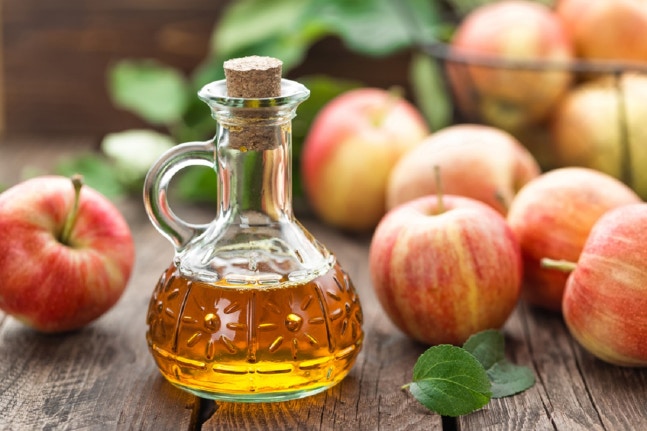
Aesabi is short for Apple Cider Vinegar, referring to fermented apple vinegar. Apple fermented vinegar helps prevent diabetes by suppressing blood sugar spikes. In fact, a research team from Asfahan Medical College in Iran conducted a study with 110 diabetes patients, where some participants consumed about 200mL of water and 15mL of apple vinegar for three months. The results showed that their blood sugar and glycated hemoglobin levels (average blood sugar over the past 2-3 months) were lower than those who did not consume it.
However, caution should be exercised when drinking apple cider vinegar straight. Its strong acidity can cause damage to the esophagus or stomach. Diluting about 15-30 mL in water or carbonated water and drinking it is appropriate. Also, do not brush your teeth immediately after consuming apple cider vinegar. Brushing with alkaline apple cider vinegar residue on the teeth can wear down the enamel that protects the dentin. It is recommended to wait at least 30 minutes after consuming apple cider vinegar before brushing your teeth.
Peanut butter diet is also popular. It started from the movement to lose weight through blood sugar control. The key point of peanut butter is that it contains a lot of protein and fat, which helps maintain satiety for a longer time and raises blood sugar less. It gradually and slowly raises blood sugar, helping to reduce insulin resistance and prevent additional food intake.
However, since peanut butter is a high-calorie food, it should not exceed the recommended daily intake. Peanuts themselves have a low glycemic index of 14 and are rich in protein and unsaturated fatty acids, but during the process of solidifying peanut oil into peanut butter, a lot of saturated fat is added. Furthermore, some peanut butters contain large amounts of salt, sugar, and other additives. Therefore, when dieting with peanut butter, it is advisable to choose products with a high peanut content and low levels of salt, sugar, and other additives.
Many people include oatmeal in their diet to manage blood sugar levels. Oatmeal was listed among the 'Top 10 Healthy Foods' by The New York Times. It contains not only protein and essential amino acids but also trace nutrients such as calcium, potassium, iron, magnesium, phosphorus, and other minerals. Its high dietary fiber content also helps keep you feeling full for a long time with just a small amount.
However, you should not eat oatmeal recklessly. People who easily experience gas or have irritable bowel syndrome should avoid consuming oatmeal. Excessive intake of oatmeal can break down fiber, causing bloating and leading to digestive issues such as diarrhea and discomfort. Additionally, there are different types of oatmeal, including steel-cut oats, rolled oats, and quino oats. Since quick oats have a relatively higher GI index, those on a diet should choose steel-cut oatmeal products and avoid those with added sugars.
Aesabi
However, caution should be exercised when drinking apple cider vinegar straight. Its strong acidity can cause damage to the esophagus or stomach. Diluting about 15-30 mL in water or carbonated water and drinking it is appropriate. Also, do not brush your teeth immediately after consuming apple cider vinegar. Brushing with alkaline apple cider vinegar residue on the teeth can wear down the enamel that protects the dentin. It is recommended to wait at least 30 minutes after consuming apple cider vinegar before brushing your teeth.
Peanut butter
However, since peanut butter is a high-calorie food, it should not exceed the recommended daily intake. Peanuts themselves have a low glycemic index of 14 and are rich in protein and unsaturated fatty acids, but during the process of solidifying peanut oil into peanut butter, a lot of saturated fat is added. Furthermore, some peanut butters contain large amounts of salt, sugar, and other additives. Therefore, when dieting with peanut butter, it is advisable to choose products with a high peanut content and low levels of salt, sugar, and other additives.
Oatmeal
However, you should not eat oatmeal recklessly. People who easily experience gas or have irritable bowel syndrome should avoid consuming oatmeal. Excessive intake of oatmeal can break down fiber, causing bloating and leading to digestive issues such as diarrhea and discomfort. Additionally, there are different types of oatmeal, including steel-cut oats, rolled oats, and quino oats. Since quick oats have a relatively higher GI index, those on a diet should choose steel-cut oatmeal products and avoid those with added sugars.


