

오둥씨
미세플라스틱 이슈가 점점 늘어나네요.
먹거리를 위협하는 플라스틱을 생산
안해야 맞는건데 실생활에 편리함으로
침투한지 오래라서 당장에는 어렵지요.
이미 논의되고 있다해도 실질적인 정부의
정책이 시급한 것 같아요. 우리 아이들이
대대로 물려받는 자연과 음식물인데 한숨만
나옵니다.


Install the Cashdoc app
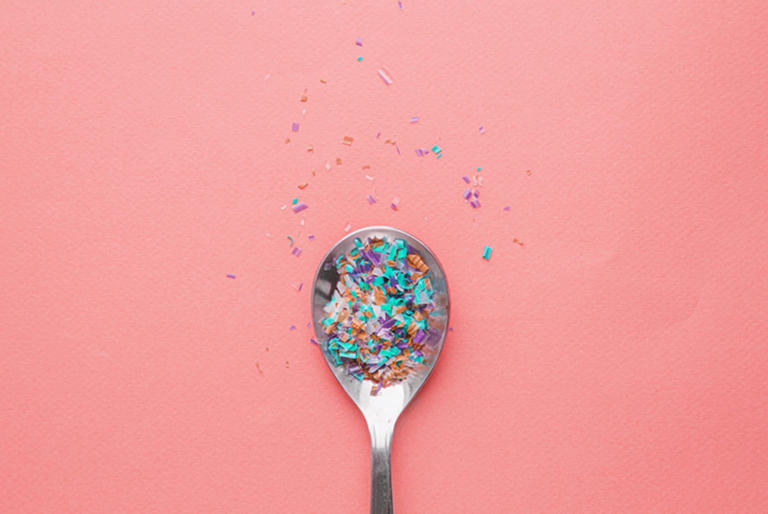
Microplastics are a general term for small plastic particles less than 5mm in size. It's known that particles broken down to nanoscale can be toxic if absorbed by cells. While the specific hazards to humans have not been fully elucidated, caution is always advised. How can we prevent the accumulation of microplastics in our bodies?
Smokers should quit smoking first, as microplastics can be absorbed through cigarette filters. A single cigarette filter is made up of approximately 12,000 plastic synthetic fibers called cellulose acetate. While intended to filter out nicotine and tar, it also releases microplastics. Furthermore, cigarette butts containing cellulose acetate take up to 14 years to decompose. For the sake of the environment, quitting smoking is a good idea.
It is best not to drink bottled water in plastic containers if the expiration date is approaching. Bottled water may contain microplastics. Last year, a joint research team from the Norwegian University of Science and Technology and Nankai University in China announced the results of a study that detected an average of 166 million nanoplastics in 1 mL of bottled water sample. As time passes and bottled water ages, the microplastic content may increase. A study by the University of British Columbia in Canada found that people who only drink water in plastic containers ingest approximately 90,000 more microplastics per year. People who only drink tap water were confirmed to ingest approximately 4,000 more microplastics.
Even if you enjoy seafood, it's best to avoid mollusks like octopus, cuttlefish, squid, and clams, as well as crustaceans like crab and shrimp. These creatures filter small prey from the sand and even inhale microplastics. According to the results of a meta-analysis of about 50 studies related to the level of microplastic pollution conducted between 2014 and 2020 by a research team at Hull York Medical School in the UK, Squid, mussels, and oysters had the highest microplastic content, at 0–10.5 MPs/g. . Crustaceans contained 0.1–8.6 MPs/g, and fish contained 0–2.9 MPs/g.
=======================
Recently, microplastics in bottled water were found to affect blood pressure.
It was an issue... the microplastics story keeps coming up.
Among sensory fish, squid, mussels, and oysters are said to contain more.
They're delicious... but it's getting harder and harder to eat them.
If you drink bottled water, you should definitely check the expiration date.