
 한국어
 English
 日本語
 中文(简体)
Dosage form image
Viewing nowBondipend Soft Capsule (Alfacalcidol)
Alfacalcidol 0.5μg
Soft capsule · OTC medication
The U Pharmaceutical Co., Ltd.
MFDS item code 202503338 · Notified 2025.12.22
Treatment of osteoporosis and improvement of symptoms of vitamin D metabolism disorders (hypocalcemia, etc.)
This medication helps to improve symptoms such as hypocalcemia, tetany, bone pain, and lesions associated with disturbances in vitamin D metabolism. It is especially effective for patients with chronic renal failure, hypoparathyroidism, vitamin D resistant rickets, and osteomalacia. Additionally, this medication is used to treat osteoporosis. Therefore, it is effective in improving various issues related to bone health.
Adjust the dose while adequately monitoring the patient's serum calcium level. Chronic renal failure and osteoporosis: Administer (take) 0.5~1 ㎍ of alfacalcidol orally once daily. Hypoparathyroidism and other diseases due to abnormalities in vitamin D metabolism: Administer (take) 1~4 ㎍ of this drug orally once daily.
Osteoporosis: Administer (take) 0.01~0.03 ㎍ of alfacalcidol per kg of body weight orally once daily. Other diseases: Administer (take) 0.05~0.1 ㎍ of this drug per kg of body weight orally once daily.
This medication should not be taken by patients with hypercalcemia, hyperphosphatemia, or hypermagnesemia. It should also be avoided in cases where the product of calcium and phosphorus in the blood exceeds a certain level or in cases of alkalosis. If there are symptoms of vitamin D overdose or if there is an allergy to this medication or its ingredients, it should be avoided. During the use of this medication, it should not be taken together with drugs containing magnesium, vitamin D preparations, calcium-containing preparations, and certain diuretics as it may cause dangerously high levels of calcium in the blood. Women who are breastfeeding may find it unsafe to take this medication, and it is recommended to avoid it if possible. If taking is unavoidable, it is advisable to stop breastfeeding. Women who are pregnant or may become pregnant should consult an expert before taking this medication. It is also important for children, the elderly, and patients taking certain medications to consult with healthcare professionals before taking this medication. During treatment, various symptoms related to hypercalcemia may occur, so if symptoms arise, immediately discontinue use and consult an expert. Especially, symptoms related to kidney dysfunction, liver dysfunction, skin rashes, and ocular abnormalities may appear. It is important to strictly adhere to the prescribed dosage and regimen while taking this medication and to pay attention to calcium intake. Regular testing of serum calcium levels to maintain them within the normal range is crucial. In case of overdose, discontinue use immediately and seek emergency treatment, and closely monitor until serum calcium levels return to normal. This medication should be stored out of reach of children, away from direct sunlight, and in a cool, dry place. For quality maintenance, it is advisable not to transfer it to other containers.
Loss of appetite, nausea, vomiting, diarrhea, constipation, stomach pain, discomfort in the upper abdomen, abdominal fullness, dyspepsia, thirst, oral dysesthesia, polydipsia, pancreatitis, metallic taste, muscle cramps in the legs, headache, heaviness in the head, insomnia, anxiety, weakness, lethargy, dizziness, numbness, drowsiness, heartburn, shoulder stiffness, presbycusis, tinnitus, decline in memory and cognitive abilities, delirium, altered consciousness, back pain, mild increase in blood pressure, palpitations, deep vein thrombosis, acute renal failure, elevated BUN, increased creatinine, kidney stones, nephrocalcinosis, liver dysfunction, jaundice, itching, rash, feeling of heat, conjunctival injection, conjunctivitis, corneal calcification, photophobia, periarticular calcification, bone pain, hoarseness, edema, weight loss, dysuria, polyuria, nocturia, metastatic calcification, myalgia, rhinorrhea, high fever, decreased libido, proteinuria, hypercholesterolemia
Not everyone experiences these, and they can vary from person to person.
This medication is sensitive to light, so it should be stored in light-blocking containers. Additionally, it is important to store it at room temperature between 1°C and 30°C to maintain its efficacy.
Yellow oval soft capsule containing colorless or transparent oily contents
30 capsules/bottle, 100 capsules/bottle
Even with the same ingredient, strength, dosage form and how it is taken can differ.
Alfacalcidol 0.5μg
Soft capsule · OTC medication
The U Pharmaceutical Co., Ltd.
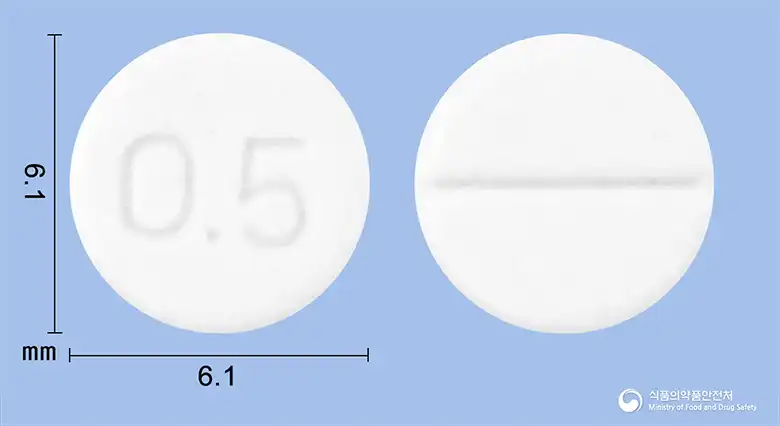
Alfacalcidol 0.5μg
Tablet · OTC medication
Il Sung I.S. Corporation
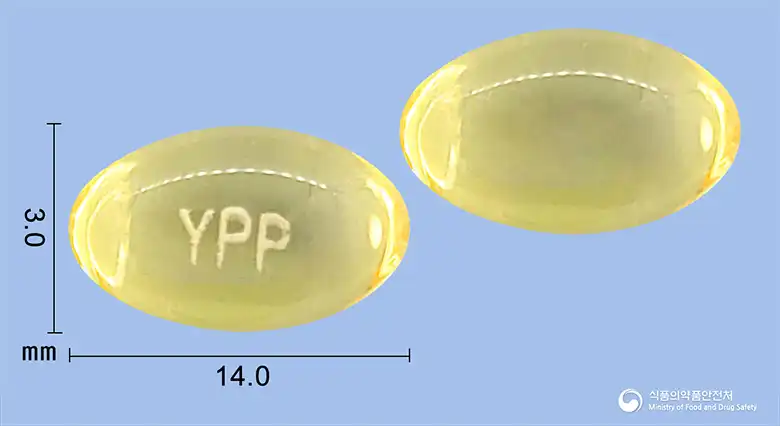
Alfacalcidol 0.5μg
Soft capsule · OTC medication
Youngpoong Pharmaceutical Co., Ltd.
Alfacalcidol 0.5μg
Soft capsule · OTC medication
Anguk Pharmaceutical Co., Ltd.
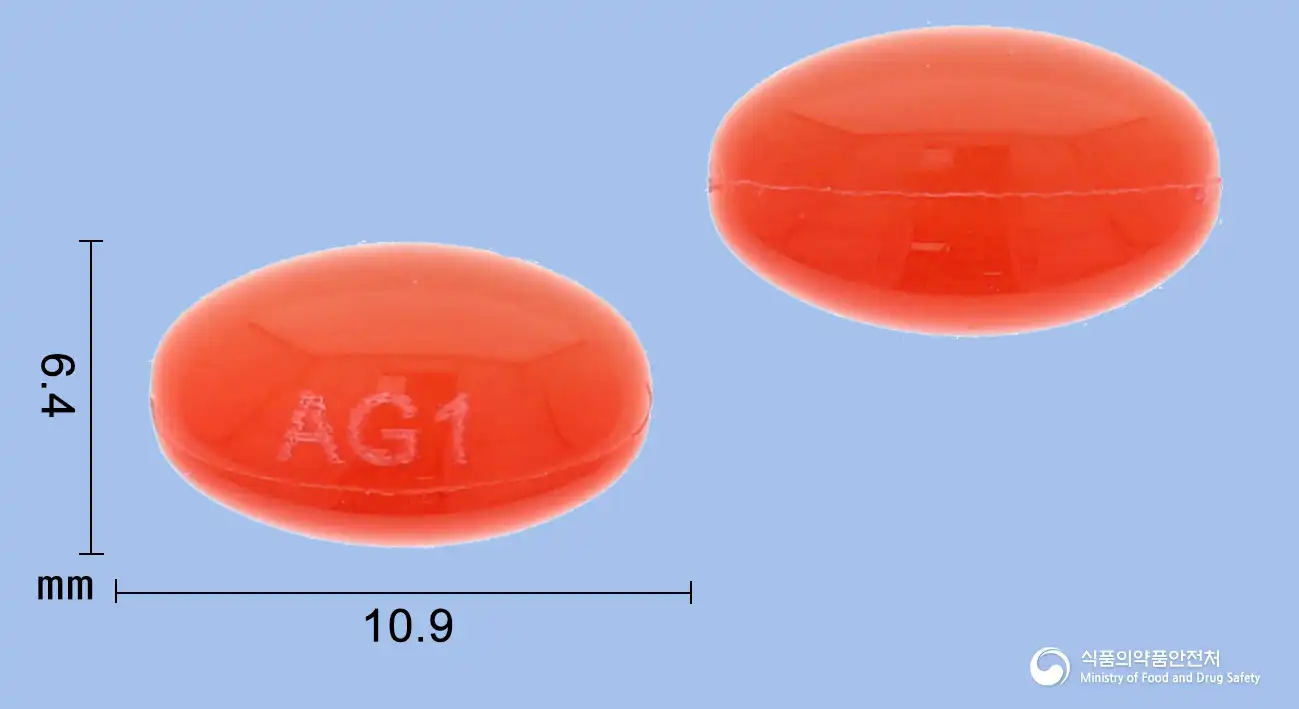
Alfacalcidol 1μg
Soft capsule · OTC medication
Ahn-Gook Pharmaceutical Co., Ltd.
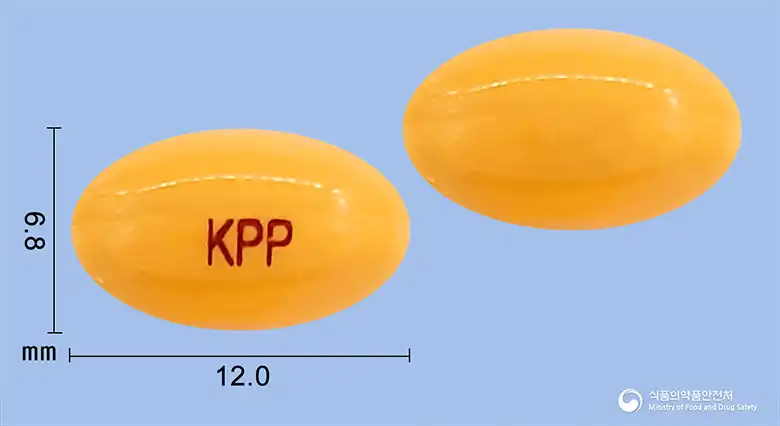
Alfacalcidol 1μg
Soft capsule · OTC medication
Korea Prime Pharmaceutical Co., Ltd.
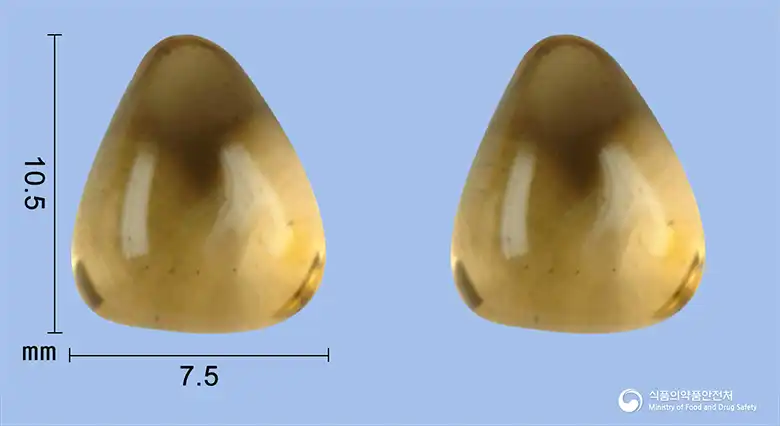
Alfacalcidol 0.5μg
Soft capsule · OTC medication
Shinil Pharmaceutical Co., Ltd.
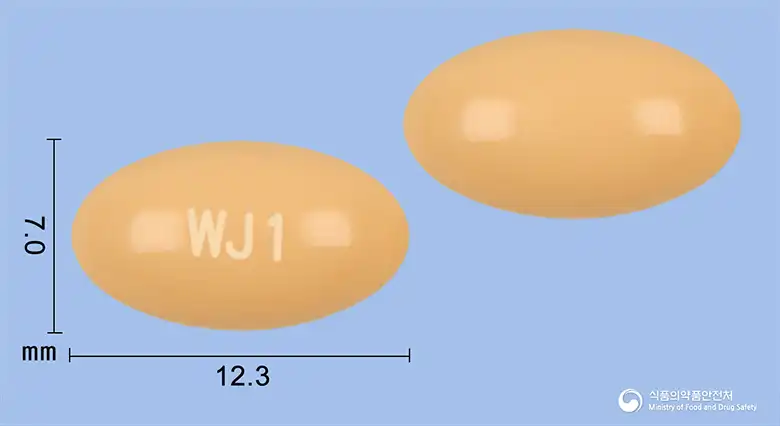
Alfacalcidol 0.5μg
Soft capsule · OTC medication
Austin Pharmaceutical Co., Ltd.
Even with the same ingredient, the dose and directions can differ by strength and dosage form. Talk to a doctor or pharmacist before switching from a medication you are already taking.
No questions yet.
For anything that needs medical judgment, consult a doctor or pharmacist.
This drug information is based on data provided by the Korea Ministry of Food and Drug Safety.
Consult a doctor or pharmacist for accurate dosage, administration, and usage instructions.