
 한국어
한국어 English
 日本語
日本語 中文(简体)
 Viewing nowCombination
Emplgin Met Extended-Release Tablet 25/1000 mg (Empagliflozin, Metformin Hydrochloride)
Empagliflozin 25mg · Metformin Hydrochloride 1000mg
Tablet · Prescription medication · Combination
Dongkuk Pharmaceutical Co., Ltd.
MFDS item code 202501720 · Approved 2025.07.09 · Insurance code 653406040
Blood sugar control in type 2 diabetes and prevention of cardiovascular events
This medication is used to improve blood sugar control in adult patients with type 2 diabetes who are taking empagliflozin and metformin together. It acts as an adjunct to diet and exercise for patients who are not adequately controlled on diet and exercise alone. It can be administered to patients with type 2 diabetes who also have cardiovascular disease; however, in such cases, careful use should be guided by the clinical study information from a specialist. This medication effectively helps control blood sugar, thereby improving patient health.
The dosage of this medication in anti-diabetic therapy should be determined within the range of the maximum recommended daily dosage of empagliflozin 25 mg and extended-release metformin hydrochloride 2000 mg for each patient, considering their current treatment, efficacy, and tolerability. This medication is to be taken once daily during the evening with meals to reduce the gastrointestinal side effects caused by metformin. This medication is 10/1000 mg,
This medication is used for the treatment of diabetes and contains two components that assist in blood sugar control. Care should be taken while taking this medication as there is a risk of a rare side effect called severe lactic acidosis. Lactic acidosis occurs when there is an excessive build-up of lactic acid in the body, which can lead to severe conditions and can sometimes be life-threatening. When used with other diabetes medications, hypoglycemia may occur, so blood sugar levels should be monitored frequently, and medication dosage should be adjusted as necessary in consultation with a physician. This medication should not be administered to patients with severely impaired kidney function, acute renal issues, severe infections, heart failure, or certain specific health conditions. Before and after tests involving iodine contrast agents, this medication should be temporarily discontinued due to the risk of deteriorated kidney function and lactic acidosis, and should only be resumed once kidney function has returned to normal. It is safer for pregnant or breastfeeding women to avoid using this medication; if breastfeeding, nursing should be halted. This medication may lead to fluid volume loss, so caution is advised if there are symptoms of dehydration or risk of fluid loss. Additionally, this medication may increase the risk of genital infections and urinary tract infections, so any signs of infection should prompt immediate consultation with a physician. As it may decrease vitamin B12 levels, blood tests to monitor vitamin B12 levels are recommended for individuals on this medication for long periods. Elderly patients or those with poor kidney function should have their kidney function thoroughly evaluated before starting this medication and should regularly monitor their kidney function. Alcohol consumption should be avoided while taking this medication, as alcohol can increase the risk of lactic acidosis. If symptoms such as vomiting, diarrhea, severe muscle pain, or breathing difficulties occur, immediate medical assistance should be sought, as these symptoms may indicate lactic acidosis or ketoacidosis. The tablet should be swallowed whole and not chewed, crushed, or divided, and it is normal for the tablet shell to pass in stool. This medication may interact with other drugs, so it is essential to inform your physician or pharmacist about any other medications you are taking. In cases of overdose, there is a risk of hypoglycemia or lactic acidosis, so medication dosage should not be changed without a doctor's direction, and immediate hospital visit is required in case of an overdose.
Not everyone experiences these, and they can vary from person to person.
This medication should be stored in a tightly sealed container to protect it from air and moisture. The appropriate storage temperature is room temperature between 1 to 30 degrees Celsius. Avoid storing it in excessively hot or cold areas.
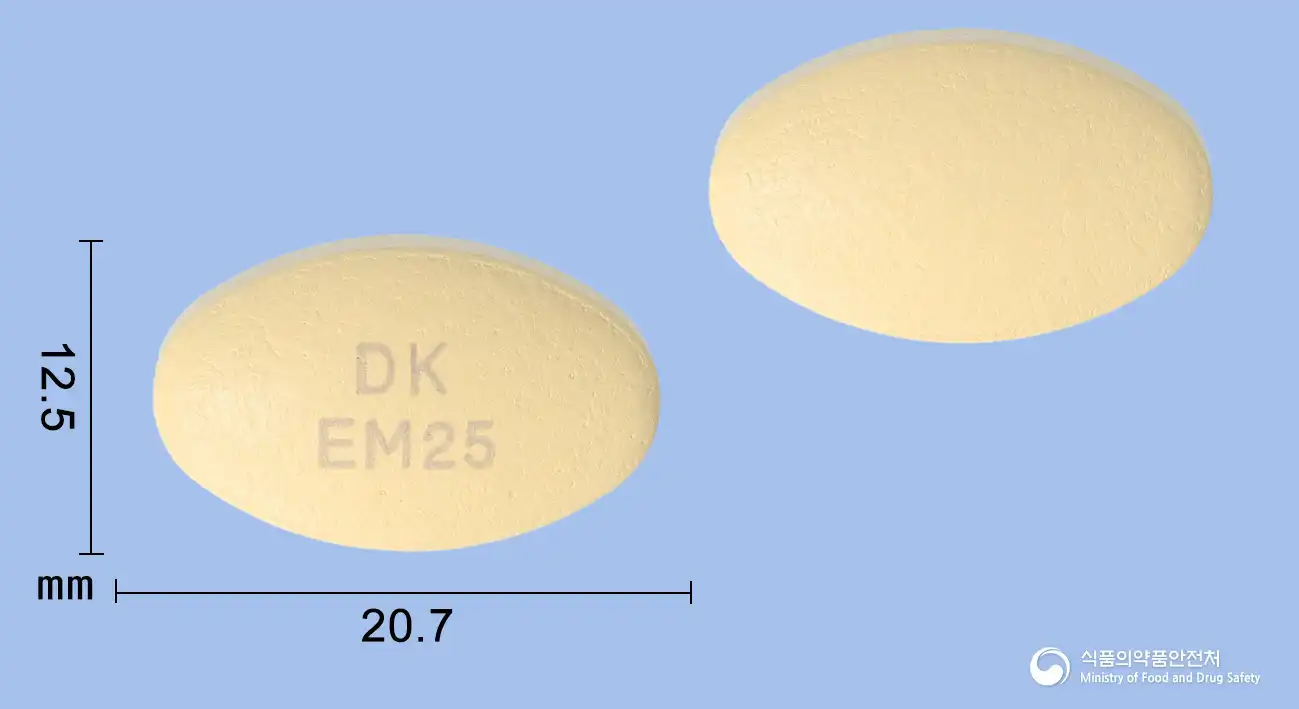
Light yellow, oval-shaped, double-convex extended-release film-coated tablet
30 tablets/bottle
Even with the same ingredient, strength, dosage form and how it is taken can differ.
Viewing nowCombinationEmpagliflozin 25mg · Metformin Hydrochloride 1000mg
Tablet · Prescription medication · Combination
Dongkuk Pharmaceutical Co., Ltd.
 Combination
Empagliflozin 5mg · Metformin Hydrochloride 500mg
Tablet · Prescription medication · Combination
Boehringer Ingelheim Korea Co., Ltd.
 Combination
Empagliflozin 5mg · Metformin Hydrochloride 850mg
Tablet · Prescription medication · Combination
Boehringer Ingelheim Korea Co., Ltd.
 Combination
Empagliflozin 5mg · Metformin Hydrochloride 1000mg
Tablet · Prescription medication · Combination
Boehringer Ingelheim Korea Co., Ltd.
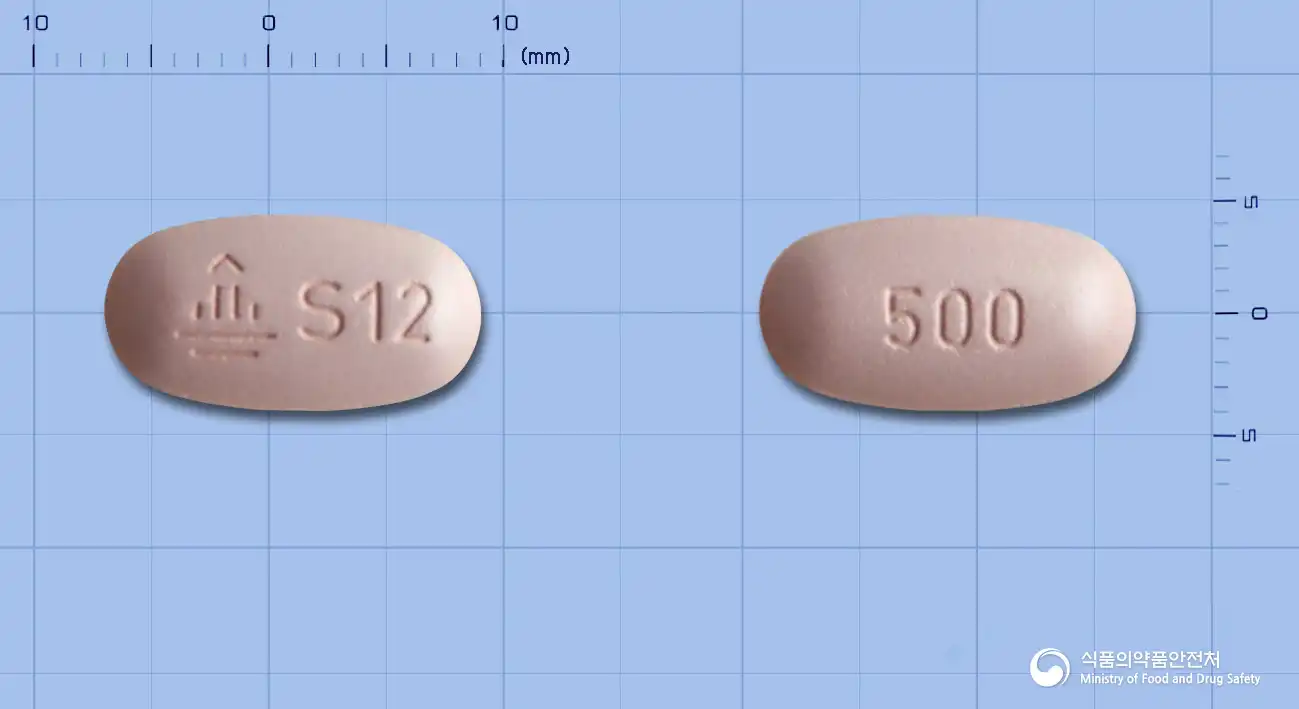 Combination
Empagliflozin 12.5mg · Metformin Hydrochloride 500mg
Tablet · Prescription medication · Combination
Boehringer Ingelheim Korea Co., Ltd.
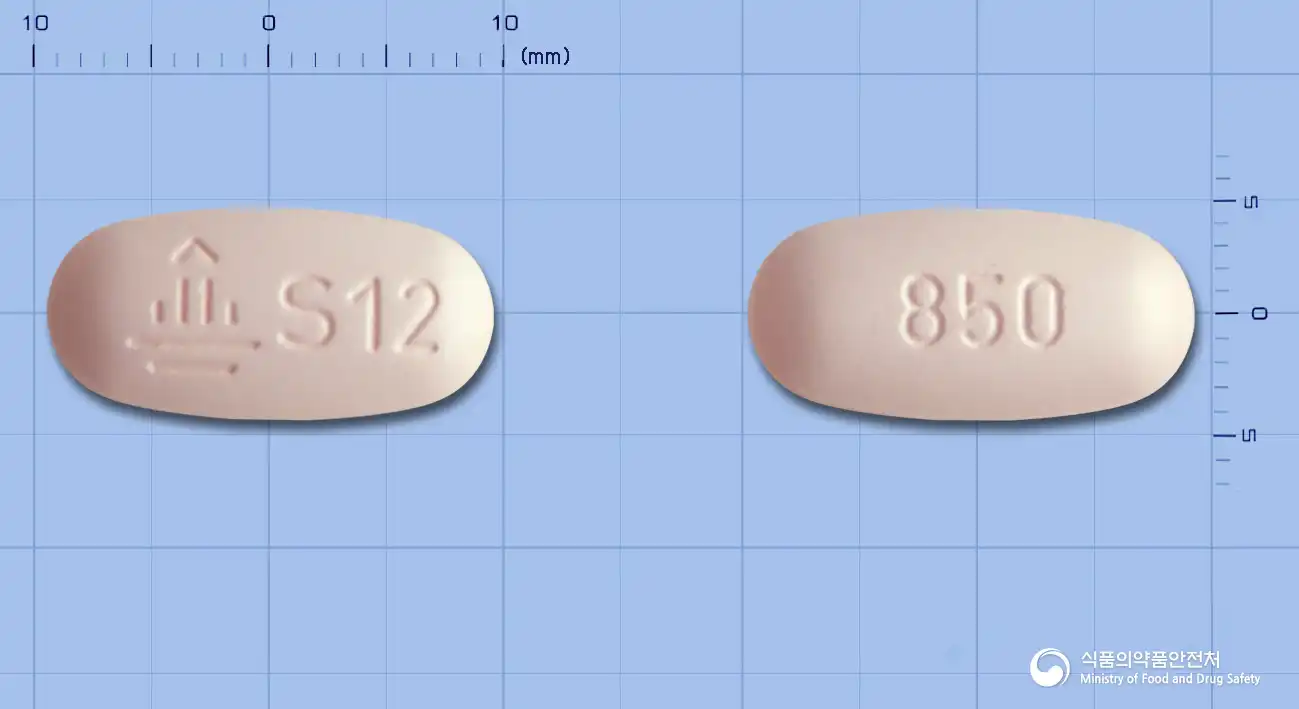 Combination
Empagliflozin 12.5mg · Metformin Hydrochloride 850mg
Tablet · Prescription medication · Combination
Boehringer Ingelheim Korea Co., Ltd.
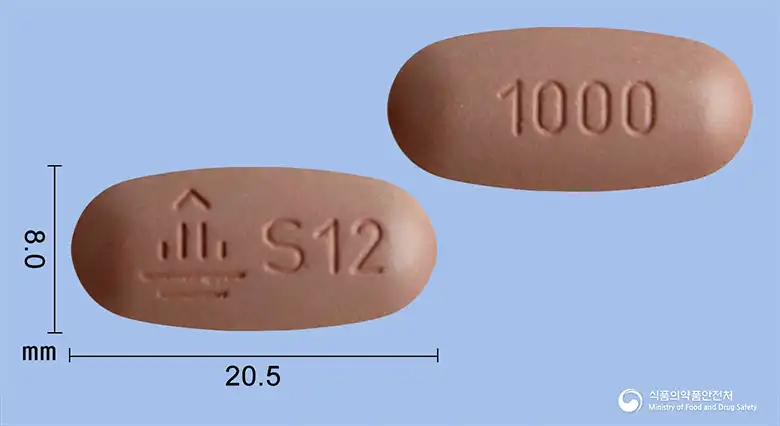 Combination
Empagliflozin 12.5mg · Metformin Hydrochloride 1000mg
Tablet · Prescription medication · Combination
Boehringer Ingelheim Korea Co., Ltd.
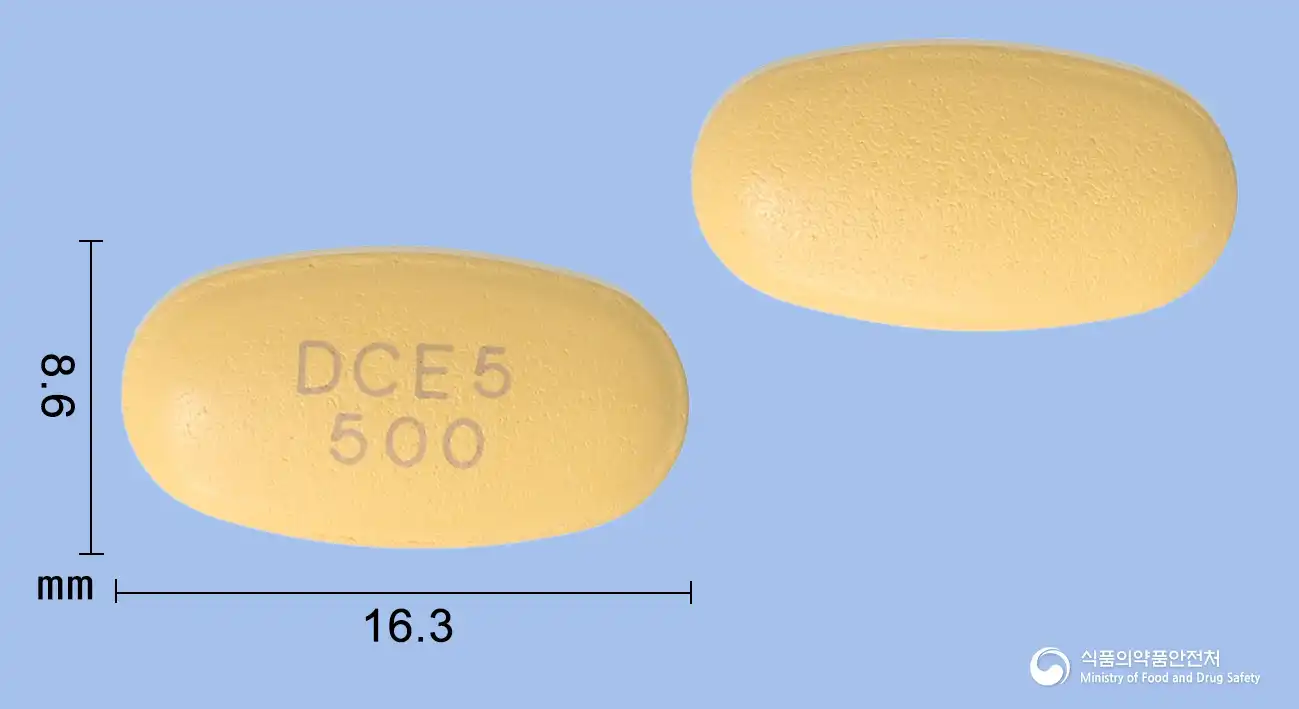 Combination
Empagliflozin 5mg · Metformin Hydrochloride 500mg
Tablet · Prescription medication · Combination
Donggu Bio Pharmaceutical Co., Ltd.
Even with the same ingredient, the dose and directions can differ by strength and dosage form. Talk to a doctor or pharmacist before switching from a medication you are already taking.
No questions yet.
For anything that needs medical judgment, consult a doctor or pharmacist.
This drug information is based on data provided by the Korea Ministry of Food and Drug Safety.
Consult a doctor or pharmacist for accurate dosage, administration, and usage instructions.