
 한국어
한국어 English
 日本語
日本語 中文(简体)
 Viewing now
Ropesstop Capsule (Loperamide Hydrochloride)
Loperamide Hydrochloride 2mg
Hard capsule · OTC medication
Aprogen Pharmaceuticals, Co., Ltd.
MFDS item code 202402832 · Notified 2024.12.02
Improvement of acute and chronic diarrhea
This medication is used to treat acute diarrhea and chronic diarrhea.
Acute diarrhea: The initial dose is 4 mg of loperamide hydrochloride taken orally, and the maintenance dose is 2 mg administered each time there is loose stool. The usual daily dose is 6-8 mg, and the maximum daily dose is 16 mg. Chronic diarrhea: The initial dose is 4 mg of loperamide hydrochloride taken orally, and the maintenance dose is 2 mg administered each time there is loose stool until diarrhea is resolved. Subsequently, the dose should be tailored to individual patient needs.
Acute diarrhea: The initial dose is 2 mg of loperamide hydrochloride taken orally, and the maintenance dose is 2 mg administered each time there is loose stool. The maximum daily dose is 6 mg. Dose should be adjusted according to age and symptoms.
This drug should not be used in infants under 24 months of age or in children with chronic diarrhea. It should also be avoided in patients with bacterial diarrhea accompanied by bloody stools or high fever, patients with acute ulcerative colitis, and patients with severe gastrointestinal problems like intestinal obstruction. If symptoms of constipation, abdominal distention, or intestinal blockage occur, treatment should be stopped immediately. Those allergic to this drug should avoid its use, and patients with hemorrhagic colitis should also be cautious, as symptoms may worsen with this drug. Patients with lactose intolerance or certain genetic metabolic disorders should avoid this medication due to its ingredients. Patients with impaired liver function should be more cautious when taking this drug and should be monitored closely for central nervous system side effects. When using this drug to treat diarrhea, if symptoms do not improve within 48 hours for acute diarrhea or 10 days for chronic diarrhea, treatment should be stopped and a doctor consulted. Dehydration due to diarrhea can occur, so proper fluid replenishment is especially necessary in children. During treatment with this medication, fatigue, dizziness, and drowsiness may occur, so caution is required when driving or operating machinery. In early pregnancy, risks and benefits should be carefully considered when using this medication, and it is not recommended during breastfeeding, as it may be excreted in small amounts in breast milk. When used in children, it must be done according to the instructions of a doctor or pharmacist, and special caution should be taken in children with immature liver function to avoid overdose risk. Elderly patients may have diminished physical function and should use the medication with caution along with dosage adjustments. In case of overdose, symptoms of central nervous system depression and heart problems can occur, so the prescribed dosage must be strictly followed, and immediate medical attention is required if abnormal symptoms appear. This drug does not treat the cause of diarrhea but relieves the symptoms, so if symptoms do not improve, professional consultation is mandatory.
Hives, severe swelling (angioedema), chest tightness, difficulty breathing, cold sweat, pallor (severe allergic reaction), rash, toxic epidermal necrolysis, erythema multiforme, Stevens-Johnson syndrome (severe skin adverse reaction), anaphylactic shock, anaphylactic reaction (severe hypersensitivity), intestinal obstruction, toxic megacolon (including severe swelling or urination abnormalities), severe swelling, increased blood pressure, severe headache, seizures,
Not everyone experiences these, and they can vary from person to person.
This drug must be stored in a tightly sealed container to prevent exposure to air and moisture. The recommended storage temperature is room temperature between 1 degree and 30 degrees.
White hard capsule containing white powder
10 capsules/PTP, 1000 capsules/bottle
Even with the same ingredient, strength, dosage form and how it is taken can differ.
Viewing nowLoperamide Hydrochloride 2mg
Hard capsule · OTC medication
Aprogen Pharmaceuticals, Co., Ltd.
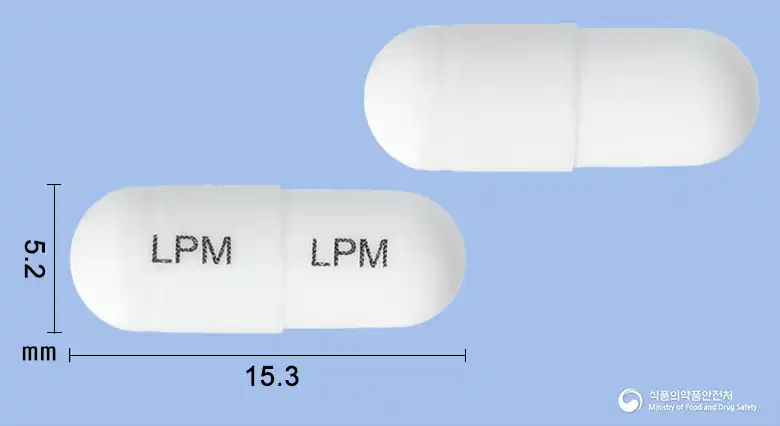
Loperamide Hydrochloride 2mg
Hard capsule · OTC medication
Youngil Pharmaceutical Co., Ltd.

Loperamide Hydrochloride 2mg
Hard capsule · OTC medication
Taeguk Pharmaceutical Co., Ltd.

Loperamide Hydrochloride 2mg
Hard capsule · OTC medication
GL Pharma Co., Ltd.

Loperamide Hydrochloride 2mg
Hard capsule · OTC medication
Samnam Pharmaceutical Co., Ltd.

Loperamide Hydrochloride 2mg
Hard capsule · OTC medication
Future Bio Pharmaceutical Co., Ltd.
Loperamide Hydrochloride 2mg
OTC medication
KIMS Pharmaceutical Co., Ltd.
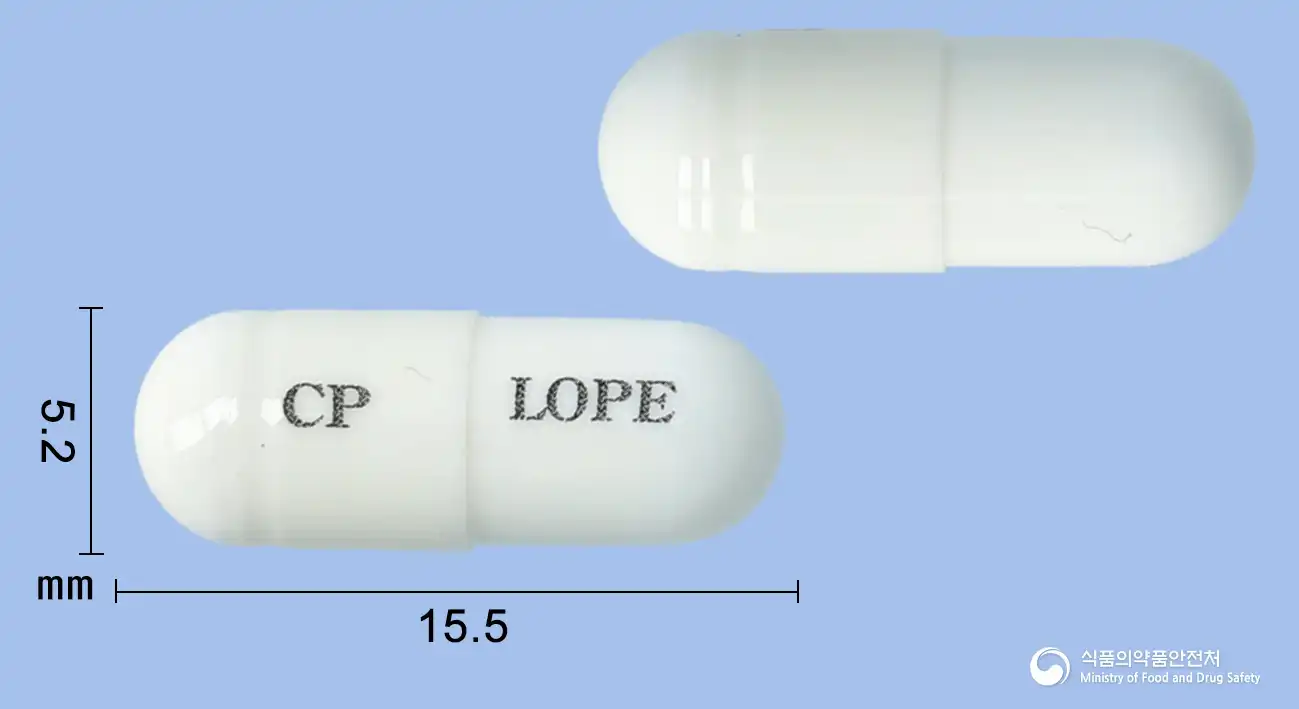
Loperamide Hydrochloride 2mg
Hard capsule · OTC medication
CMG Pharmaceutical Co., Ltd.
Even with the same ingredient, the dose and directions can differ by strength and dosage form. Talk to a doctor or pharmacist before switching from a medication you are already taking.
No questions yet.
For anything that needs medical judgment, consult a doctor or pharmacist.
This drug information is based on data provided by the Korea Ministry of Food and Drug Safety.
Consult a doctor or pharmacist for accurate dosage, administration, and usage instructions.