
 한국어
 English
 日本語
 中文(简体)
 Viewing nowCombination
Trinames Tablet 2.5/1000 mg (Linagliptin, Metformin)
Metformin Hydrochloride 1000mg · Linagliptin Micronized 2.5mg
Tablet · Prescription medication · Combination
Ilhwa Co., Ltd.
MFDS item code 202400624 · Approved 2024.03.22 · Insurance code 640904640
Improvement of glycemic control in type 2 diabetes mellitus
This drug is used to help control blood sugar in patients with type 2 diabetes by combining linagliptin and metformin. Used alongside dietary and exercise therapy, it effectively manages blood sugar levels, contributing to the prevention of diabetes complications and overall health improvement. Consistent use of this medication will significantly aid in blood sugar control for patients. This drug is used for the improvement of blood sugar control in patients with type 2 diabetes.
The dose of this medicine for antidiabetic therapy should be determined based on each patient's current treatment regimen, efficacy, and tolerability, without exceeding the maximum recommended daily doses of each component: linagliptin 5mg and metformin hydrochloride, as extended-release, 2000 mg. This medicine should be taken with food once daily, preferably with the evening meal. To reduce gastrointestinal adverse reactions associated with metformin use, the dose of metformin hydrochloride should be increased gradually. To maintain the extended-release properties, swallow this medicine whole; do not split, crush, grind, or chew it. For this medicine 5/1000 mg extended-release tablets, take 1 tablet once daily. Patients taking this medicine 2.5/1000 mg extended-release tablets should take 2 tablets together once daily. 1. Patients not currently receiving metformin therapy: The initial dose of this medicine is a total daily dose of linagliptin 5 mg and metformin hydrochloride 1000mg. The dose of metformin hydrochloride may be increased gradually up to the maximum recommended daily dose of 2000 mg. 2. Patients receiving metformin therapy - For patients whose blood glucose is not adequately controlled with metformin monotherapy, the initial dose of this medicine is a total daily dose of linagliptin 5 mg and the patient's current dose of metformin hydrochloride. - For patients whose blood glucose is not adequately controlled with combination therapy of metformin and a sulfonylurea, or metformin and insulin, an initial dose of this medicine consisting of a total daily dose of linagliptin 5mg and a dose of metformin hydrochloride similar to the patient's current dose should be considered. When this medicine is administered in combination with insulin or a sulfonylurea, a reduction in the dose of insulin or the sulfonylurea may be necessary to reduce the risk of hypoglycemia. - When switching from an immediate-release metformin formulation to an extended-release formulation, blood glucose control should be closely monitored and the dose adjusted as appropriate if necessary. - When switching from combination therapy with linagliptin and extended-release metformin to this medicine, the dose of this medicine should correspond to the patient's current doses of linagliptin and extended-release metformin hydrochloride. Renal impairment Because dose adjustment according to renal function may be necessary, assessment of renal function is recommended before treatment with this medicine and periodically thereafter. No dose adjustment of this medicine is necessary in patients with mild renal impairment [creatinine clearance (CrCl) ≧ 60mL/min or estimated glomerular filtration rate (eGFR) ≧ 60mL/min/1.73 m2]. In patients with moderate renal impairment (CKD stage 3A), with creatinine clearance (CrCl) of 45mL/min or more and less than 60mL/min, or estimated glomerular filtration rate (eGFR) of 45mL/min/1.73m2 or more and less than 60mL/min/1.73m2, this medicine may be used with metformin hydrochloride dose adjustment as follows, provided it is well tolerated and the patient has no other condition that may increase the risk of lactic acidosis. Since the starting dose of metformin hydrochloride is 500mg or 750mg once daily, treatment should not be initiated with this medicine. The maximum daily dose of metformin hydrochloride is 1000mg. If creatinine clearance (CrCl) decreases to less than 45mL/min or estimated glomerular filtration rate (eGFR) to less than 45mL/min/1.73m2, this medicine should be discontinued immediately.
This medication can rarely cause serious lactic acidosis or hypoglycemia, requiring caution. It should not be administered to patients allergic to its components, nor to those with type 1 diabetes, lactic acidosis, or diabetic ketoacidosis. Patients with severely impaired kidney function or conditions that may lead to acute changes in kidney function should also avoid this medication. Patients with severely impaired cardiac or pulmonary function, liver dysfunction, acute alcohol intoxication, or alcoholic disease should avoid using this drug. This medication should not be used in pregnant women or those with placental dysfunction or preeclampsia. Caution is advised when using this drug alongside other blood sugar lowering agents due to an increased risk of hypoglycemia, which may require dosage adjustments of other medications. Lactic acidosis is very rare but can be fatal; if symptoms such as vomiting, diarrhea, muscle cramps, abdominal pain, or weakness occur, immediate medical attention is required. Regular kidney function checks are essential, particularly for elderly or renally impaired patients. Patients with acute heart failure or heart disease should use this drug cautiously and must stop it temporarily before and after undergoing tests with radiopaque iodine contrast agents. Patients scheduled for surgery should discontinue this medication 48 hours prior to the procedure and resume it only after normal kidney function has returned post-surgery. Acute pancreatitis or bullous skin disorders such as dermatitis herpetiformis may occur while on this medication; if such symptoms arise, inform your doctor immediately. Tablets must be swallowed whole and not crushed or chewed; it is normal for the tablet coating to be excreted in feces. Long-term use may lower vitamin B12 levels, hence regular checks of vitamin B12 should be conducted. This medication may interact with various drugs, so patients should inform their doctor or pharmacist about any other medications they are taking. It is recommended to avoid this medication during pregnancy or breastfeeding, especially since its components may transfer into breast milk. Safety and efficacy in children have not been established. Elderly patients may have reduced kidney function, necessitating careful dosage adjustments and regular kidney function assessments. Overdosing may result in lactic acidosis or other serious symptoms, requiring immediate medical treatment. Store this medication out of reach of children, avoid moisture, and do not transfer it into other containers.
Not everyone experiences these, and they can vary from person to person.
This medication may be sensitive to air and moisture, so it should be stored in a tightly sealed container. Additionally, it is important to keep it at room temperature between 1°C and 30°C to maintain its efficacy.
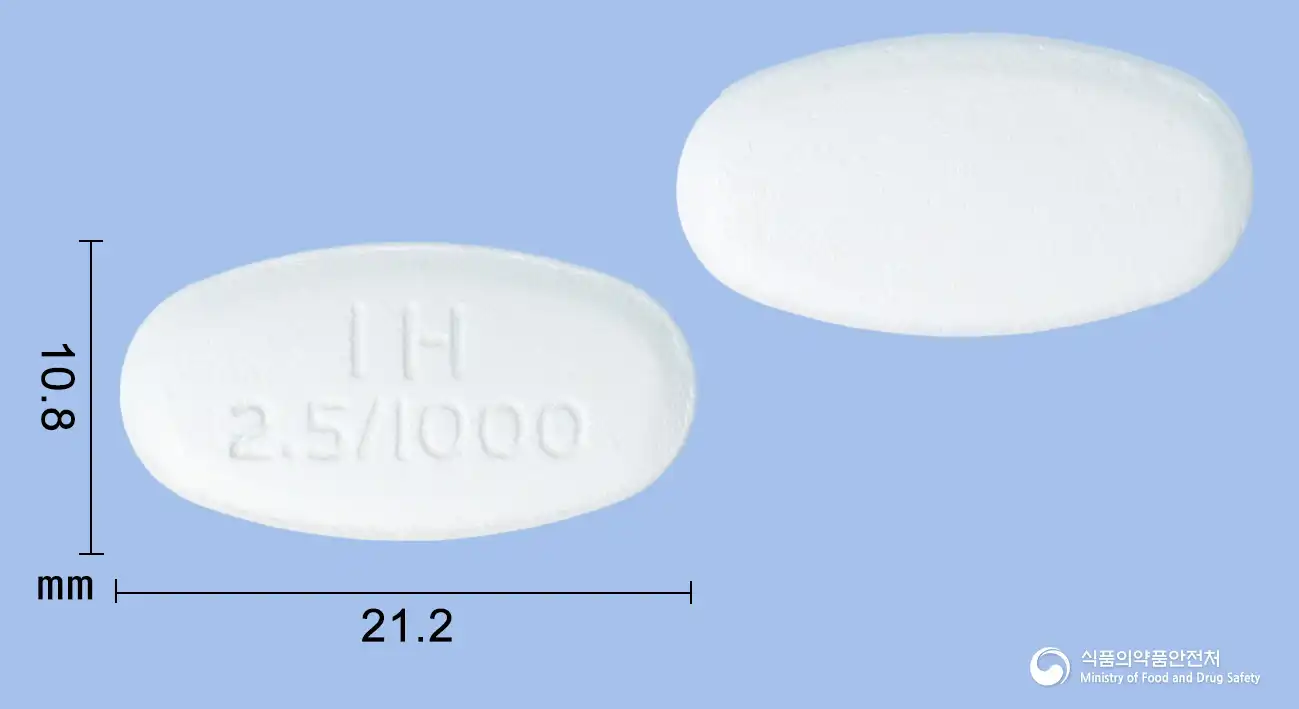
White oval prolonged-release film-coated tablet with IH 2.5/1000 engraved on one side
28 tablets (7 tablets/PTP×4)/box, 30 tablets/bottle, 100 tablets/bottle
Even with the same ingredient, strength, dosage form and how it is taken can differ.
Viewing nowCombinationMetformin Hydrochloride 1000mg · Linagliptin Micronized 2.5mg
Tablet · Prescription medication · Combination
Ilhwa Co., Ltd.
Linagliptin Micronized 2.5mg · Metformin Hydrochloride 1000mg
Tablet · Prescription medication · Combination
Samjin Pharmaceutical Co., Ltd.
Linagliptin Micronized 2.5mg · Metformin Hydrochloride 500mg
Tablet · Prescription medication · Combination
Samjin Pharmaceutical Co., Ltd.
Linagliptin Micronized 2.5mg · Metformin Hydrochloride 850mg
Tablet · Prescription medication · Combination
Samjin Pharmaceutical Co., Ltd.
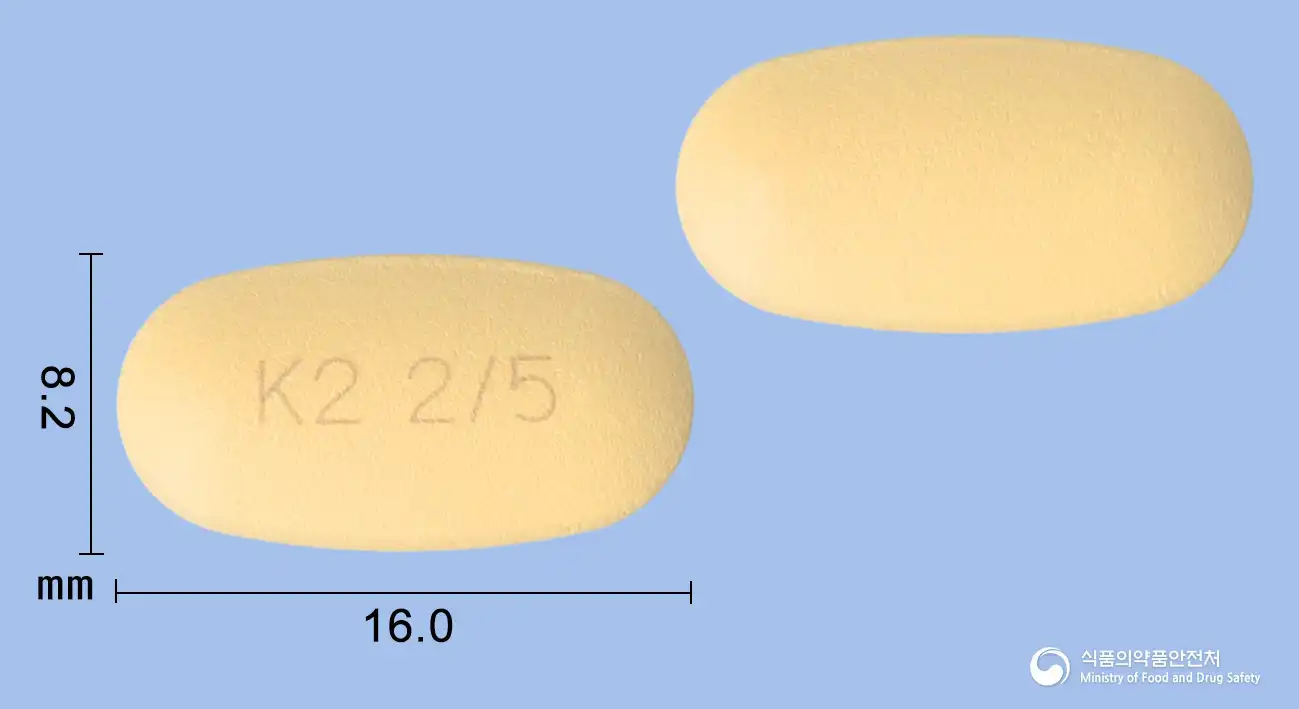 Combination
Linagliptin Micronized 2.5mg · Metformin Hydrochloride 500mg
Tablet · Prescription medication · Combination
Genewon Science Co., Ltd.
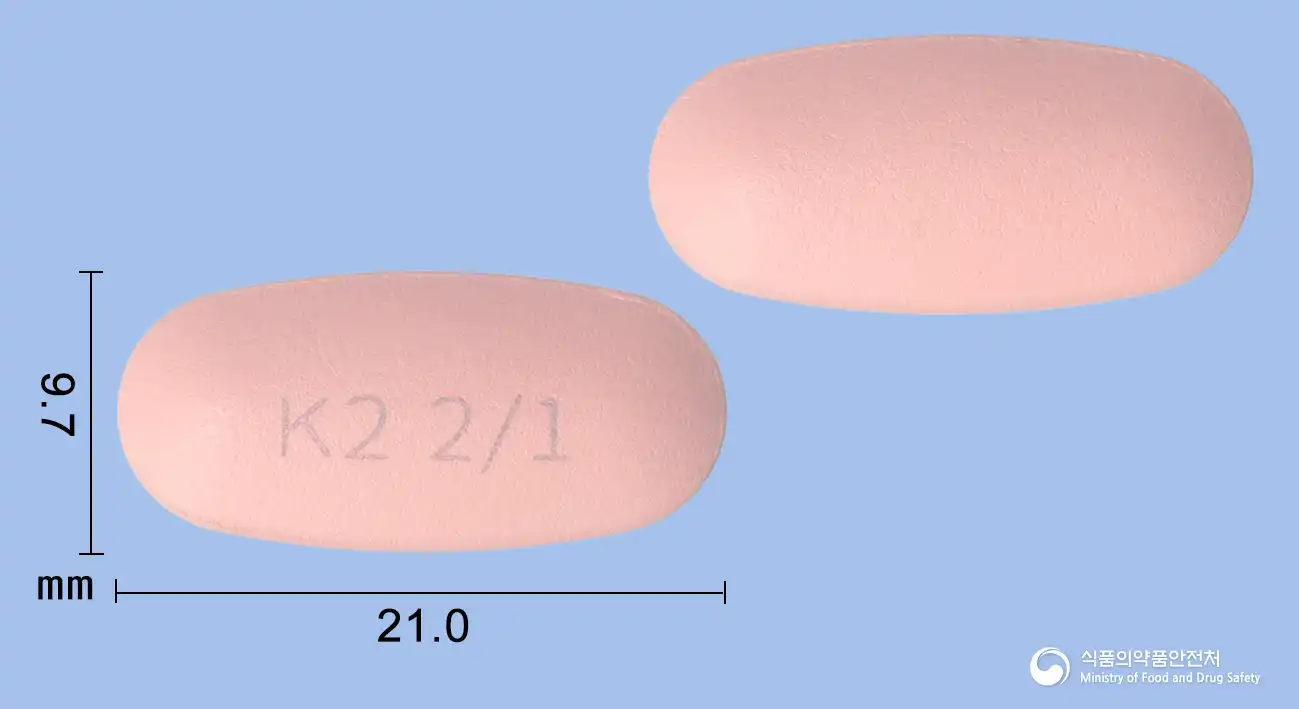 Combination
Linagliptin Micronized 2.5mg · Metformin Hydrochloride 1000mg
Tablet · Prescription medication · Combination
Genewon Science Co., Ltd.
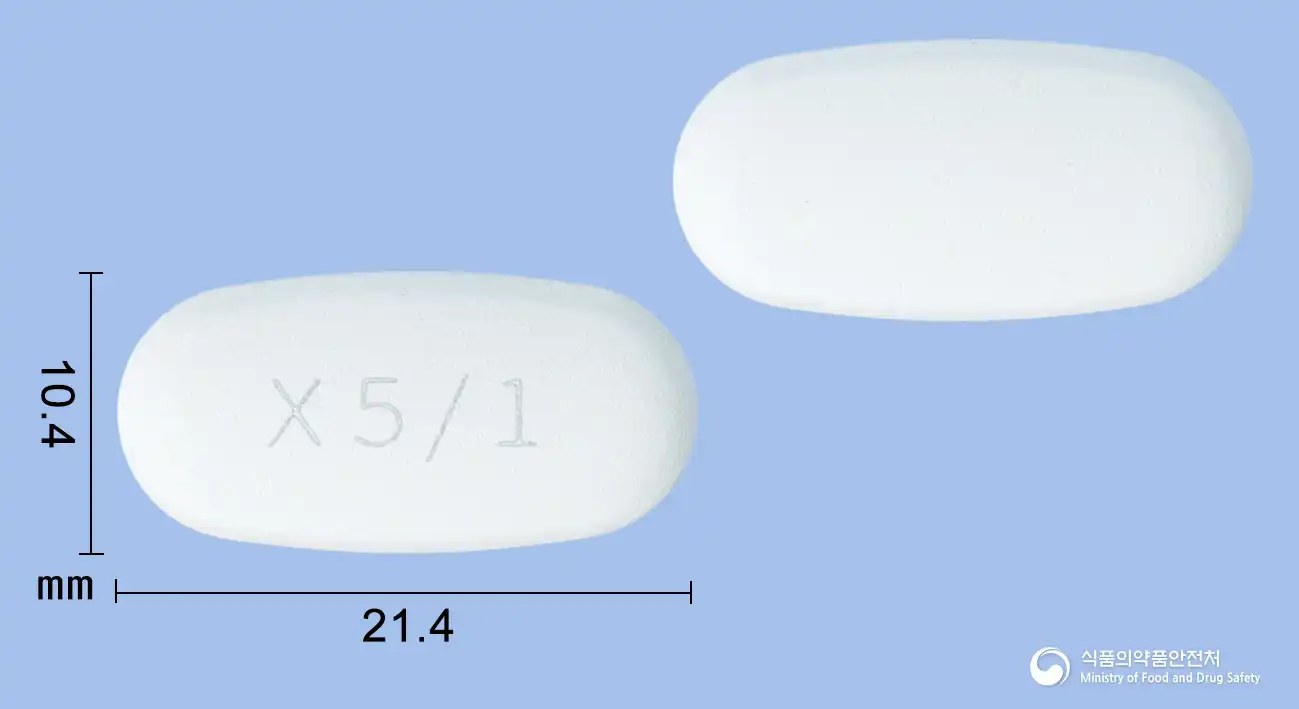 Combination
Linagliptin Micronized 5mg · Metformin Hydrochloride 1000mg
Tablet · Prescription medication · Combination
Genewon Science Co., Ltd.
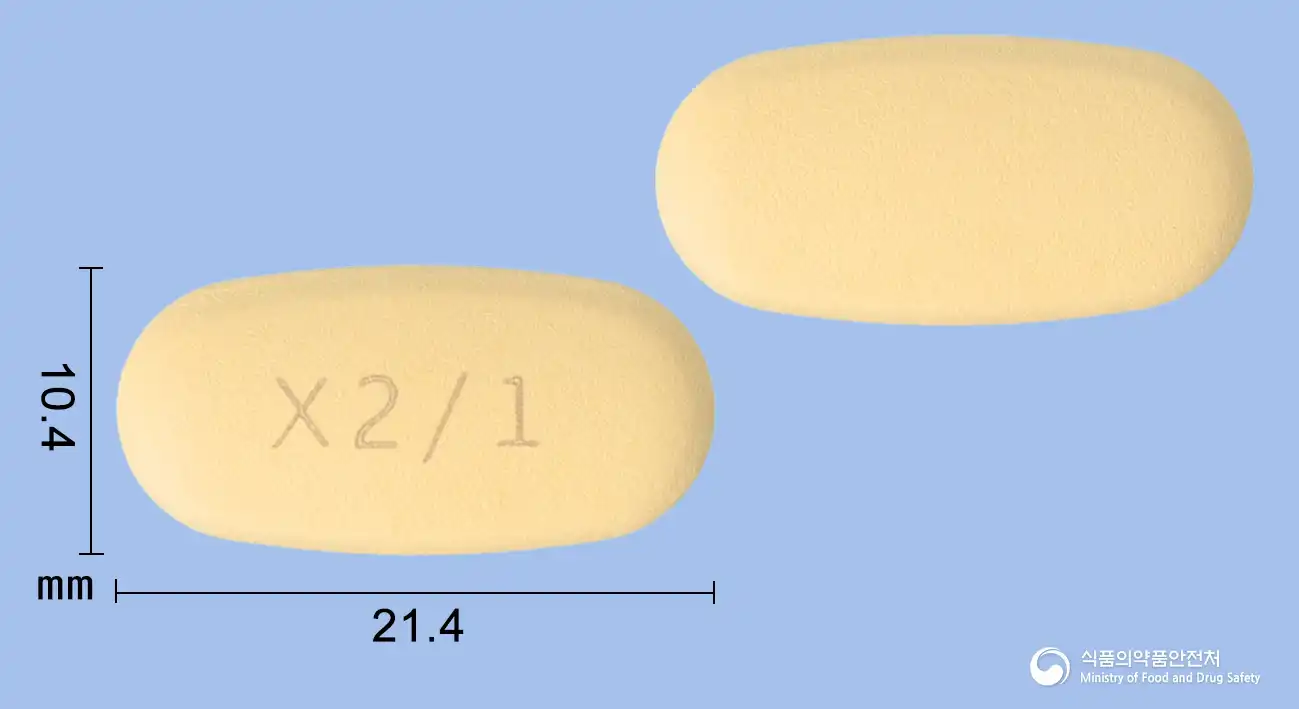 Combination
Linagliptin Micronized 2.5mg · Metformin Hydrochloride 1000mg
Tablet · Prescription medication · Combination
Genewon Science Co., Ltd.
Even with the same ingredient, the dose and directions can differ by strength and dosage form. Talk to a doctor or pharmacist before switching from a medication you are already taking.
No questions yet.
For anything that needs medical judgment, consult a doctor or pharmacist.
This drug information is based on data provided by the Korea Ministry of Food and Drug Safety.
Consult a doctor or pharmacist for accurate dosage, administration, and usage instructions.