Improvement of glycemic control in patients with type 2 diabetes mellitus
Who takes it
Adults
Adult dose
The dose of this medicine for antidiabetic therapy should be determined based on each patient's current treatment regimen, efficacy, and tolerability, without exceeding the maximum recommended daily doses of each component: linagliptin 5mg and metformin hydrochloride, as extended-release, 2000 mg.
This medicine should be taken with food once daily, preferably with the evening meal.
For this medicine 5/1000 mg extended-release tablets, take 1 tablet once daily.
Patients taking this medicine 2.5/1000 mg extended-release tablets should take 2 tablets together once daily.
1. Patients not currently receiving metformin therapy:
The initial dose of this medicine is a total daily dose of linagliptin 5 mg and metformin hydrochloride 1000mg. The dose of metformin hydrochloride may be increased gradually up to the maximum recommended daily dose of 2000 mg.
2. Patients receiving metformin therapy
- For patients whose blood glucose is not adequately controlled with metformin monotherapy, the initial dose of this medicine is a total daily dose of linagliptin 5 mg and the patient's current dose of metformin hydrochloride.
- For patients whose blood glucose is not adequately controlled with combination therapy of metformin and a sulfonylurea, or metformin and insulin, an initial dose of this medicine consisting of a total daily dose of linagliptin 5mg and a dose of metformin hydrochloride similar to the patient's current dose should be considered.
- When switching from an immediate-release metformin formulation to an extended-release formulation, blood glucose control should be closely monitored and the dose adjusted as appropriate if necessary.
- When switching from combination therapy with linagliptin and extended-release metformin to this medicine, the dose of this medicine should correspond to the patient's current doses of linagliptin and extended-release metformin hydrochloride.
No dose adjustment of this medicine is necessary in patients with mild renal impairment [creatinine clearance (CrCl) ≧ 60mL/min or estimated glomerular filtration rate (eGFR) ≧ 60mL/min/1.73 m2].
In patients with moderate renal impairment (CKD stage 3A), with creatinine clearance (CrCl) of 45mL/min or more and less than 60mL/min, or estimated glomerular filtration rate (eGFR) of 45mL/min/1.73m2 or more and less than 60mL/min/1.73m2, this medicine may be used with metformin hydrochloride dose adjustment as follows, provided it is well tolerated and the patient has no other condition that may increase the risk of lactic acidosis.
Since the starting dose of metformin hydrochloride is 500mg or 750mg once daily, treatment should not be initiated with this medicine. The maximum daily dose of metformin hydrochloride is 1000mg.
If creatinine clearance (CrCl) decreases to less than 45mL/min or estimated glomerular filtration rate (eGFR) to less than 45mL/min/1.73m2, this medicine should be discontinued immediately.
Improvement of glycemic control in patients with type 2 diabetes mellitus
View approved original textHide original text
This medicine serves to complement dietary and exercise regimens for patients with type 2 diabetes who are taking linagliptin and metformin together, aiding in blood glucose control. Specifically, it effectively manages blood glucose levels, assisting in diabetes management. When used consistently along with lifestyle improvements, it may have a positive impact on blood glucose control. This medication is used for improving blood glucose control.
How to take
Adult dose
The dose of this medicine for antidiabetic therapy should be determined based on each patient's current treatment regimen, efficacy, and tolerability, without exceeding the maximum recommended daily doses of each component: linagliptin 5mg and metformin hydrochloride, as extended-release, 2000 mg.
This medicine should be taken with food once daily, preferably with the evening meal.
For this medicine 5/1000 mg extended-release tablets, take 1 tablet once daily.
Patients taking this medicine 2.5/1000 mg extended-release tablets should take 2 tablets together once daily.
1. Patients not currently receiving metformin therapy:
The initial dose of this medicine is a total daily dose of linagliptin 5 mg and metformin hydrochloride 1000mg. The dose of metformin hydrochloride may be increased gradually up to the maximum recommended daily dose of 2000 mg.
2. Patients receiving metformin therapy
- For patients whose blood glucose is not adequately controlled with metformin monotherapy, the initial dose of this medicine is a total daily dose of linagliptin 5 mg and the patient's current dose of metformin hydrochloride.
- For patients whose blood glucose is not adequately controlled with combination therapy of metformin and a sulfonylurea, or metformin and insulin, an initial dose of this medicine consisting of a total daily dose of linagliptin 5mg and a dose of metformin hydrochloride similar to the patient's current dose should be considered.
- When switching from an immediate-release metformin formulation to an extended-release formulation, blood glucose control should be closely monitored and the dose adjusted as appropriate if necessary.
- When switching from combination therapy with linagliptin and extended-release metformin to this medicine, the dose of this medicine should correspond to the patient's current doses of linagliptin and extended-release metformin hydrochloride.
No dose adjustment of this medicine is necessary in patients with mild renal impairment [creatinine clearance (CrCl) ≧ 60mL/min or estimated glomerular filtration rate (eGFR) ≧ 60mL/min/1.73 m2].
In patients with moderate renal impairment (CKD stage 3A), with creatinine clearance (CrCl) of 45mL/min or more and less than 60mL/min, or estimated glomerular filtration rate (eGFR) of 45mL/min/1.73m2 or more and less than 60mL/min/1.73m2, this medicine may be used with metformin hydrochloride dose adjustment as follows, provided it is well tolerated and the patient has no other condition that may increase the risk of lactic acidosis.
Since the starting dose of metformin hydrochloride is 500mg or 750mg once daily, treatment should not be initiated with this medicine. The maximum daily dose of metformin hydrochloride is 1000mg.
If creatinine clearance (CrCl) decreases to less than 45mL/min or estimated glomerular filtration rate (eGFR) to less than 45mL/min/1.73m2, this medicine should be discontinued immediately.
Precautions
This medicine is an antidiabetic agent primarily composed of metformin hydrochloride and linagliptin. Care should be taken as rare cases of severe lactic acidosis may occur with the use of this medication.
Lactic acidosis is a dangerous condition resulting from an excessive accumulation of lactic acid in the body, which can be life-threatening without immediate treatment.
This medication should not be administered to individuals with certain medical conditions, such as allergies to the ingredients, type 1 diabetes, severe renal impairment, acute infections, severe liver dysfunction, or acute alcohol intoxication.
Additionally, it should not be used in acute situations that may affect kidney function, such as dehydration, severe infections, or acute myocardial infarction.
There is a risk of hypoglycemia while taking this medication, especially when taken with insulin or sulfonylureas, so blood glucose levels should be closely monitored.
Symptoms of lactic acidosis may include abdominal pain, muscle cramps, and feelings of weakness; if these symptoms occur, consult a doctor immediately.
Since renal function plays a crucial role, kidney function should be regularly monitored before and during treatment, and the medication may need to be discontinued if kidney function declines.
This medication should be stopped for a certain period before and after surgery or radiographic procedures with iodine contrast, and resumed only after renal function has recovered post-surgery.
Rare side effects such as acute pancreatitis or blistering dermatitis (similar to pemphigus) have been reported; if these symptoms occur, discontinue use and consult a healthcare professional immediately.
Metformin can lower vitamin B12 levels with prolonged use, so blood tests may be needed to check vitamin B12 status and supplementation may be required.
This medication should be swallowed whole without chewing or crushing. Its film coating may appear in stools, which is normal.
Since this medication may interact with other drugs, it is essential to inform your doctor or pharmacist about any other medications being taken.
It is advisable to avoid this medication during pregnancy or breastfeeding, and consult a healthcare provider if planning a pregnancy.
Elderly patients may commonly experience reduced kidney function, so renal function should be checked frequently during use and the dosage adjusted if necessary.
In cases of overdose, severe side effects such as lactic acidosis may occur, so strictly adhere to the recommended dosage; in cases of overdose, seek immediate medical attention.
Store this medication out of reach of children, avoid moisture, and do not transfer it to other containers.
Side effects
Severe lactic acidosis
hypoglycemia
nasopharyngitis
hypersensitivity reactions
angioedema
urticaria
lactic acidosis
abnormal vitamin B12 absorption test
hypoglycemia
dysgeusia
Show 126 moreCollapse
cough
decreased appetite
diarrhea
constipation
nausea
pancreatitis
vomiting
abdominal pain
oral ulcer
abnormal liver function tests
hepatitis
pruritus
erythema
rash
pemphigoid-like eruption
severe and disabling arthralgia
rhabdomyolysis
increased lipase
increased amylase
constipation
epigastric pain
enterocolitis
intestinal obstruction
gastroenteritis
herpes zoster
cystitis
acute pyelonephritis
bronchitis
vestibular neuronitis
sepsis
pneumonia
anorexia
dehydration
hyperglycemia
cerebral infarction
stuttering
Alzheimer's-type dementia
chest pain
fever
facial edema
fatigue
chronic obstructive pulmonary disease
asthma
diabetic foot syndrome
skin lesions
liver metastasis
acute leukemia
basal cell carcinoma
non-small cell lung cancer
malignant pericardial effusion
gastric cancer
rectal cancer
pancreatic cancer
meniscus injury
pneumoconiosis
congestive heart failure
angina
acute myocardial infarction
unstable angina
cardiac arrest
diabetic retinopathy
acute kidney injury
end-stage renal disease
acute cholangitis
acute cholecystitis
cholangitis
cholelithiasis
dizziness
kidney transplant failure
anxiety
affective disorder
insomnia
depression
contusion
bone contusion
concussion
bone fracture
hand fracture
chest discomfort
weakness
pain
epistaxis
oropharyngeal pain
speech disorder
allergic rhinitis
exertional dyspnea
wet cough
rhinorrhea
lung mass
arthralgia
osteoporosis
joint disease
musculoskeletal discomfort
myositis
myalgia
soft tissue mass
postmenopausal osteoporosis
rotator cuff syndrome
androgenetic alopecia
hyperhidrosis
hair loss
dermatitis
anxiety
insomnia
depression
hypertension
benign prostatic hyperplasia
stomatitis
mediastinitis
vitreous hemorrhage
fever
ligament sprain
flank pain
myelodysplastic syndrome
vocal cord polyp
periodontitis
influenza
gingivitis
altered mental state
nocturia
dermatitis
hypotension
flushing
hearing loss
erectile dysfunction
goiter
Not everyone experiences these, and they can vary from person to person.
Storage
Store this medication in a tightly sealed container to prevent exposure to air and moisture. It is recommended to maintain storage temperatures between 1 and 30 degrees Celsius at room temperature.
Appearance and packaging
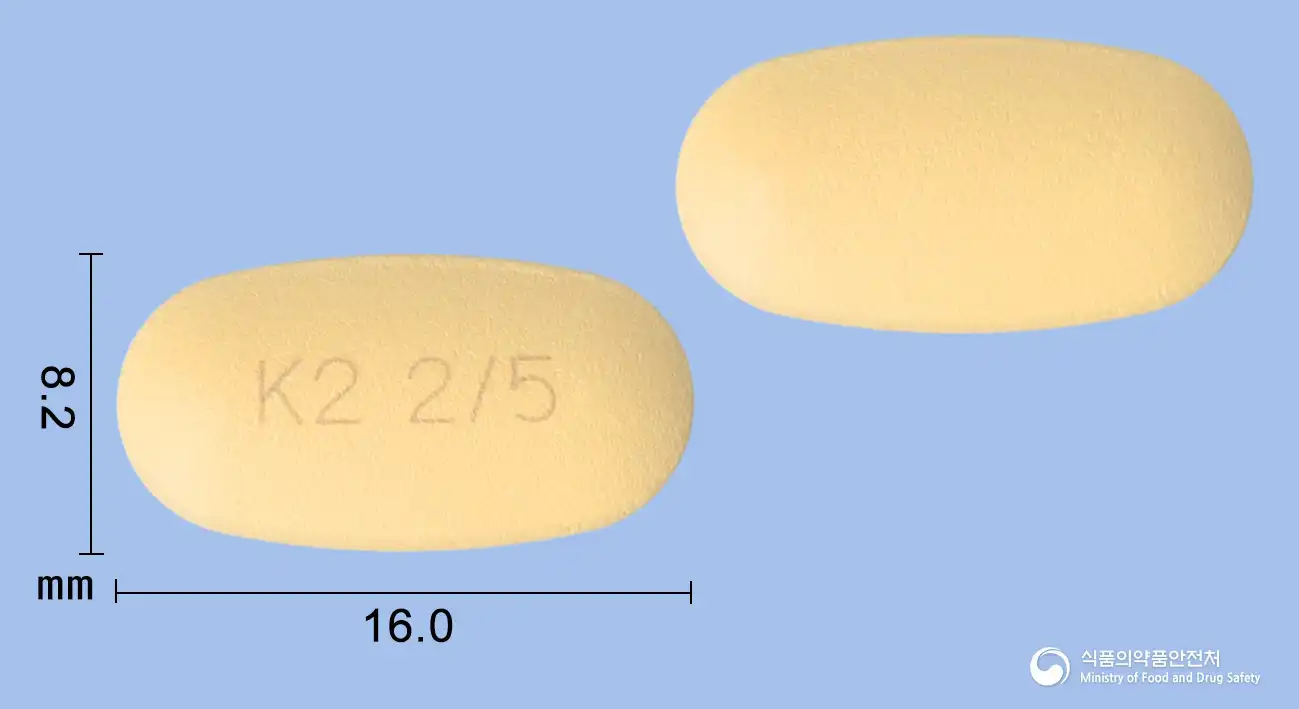
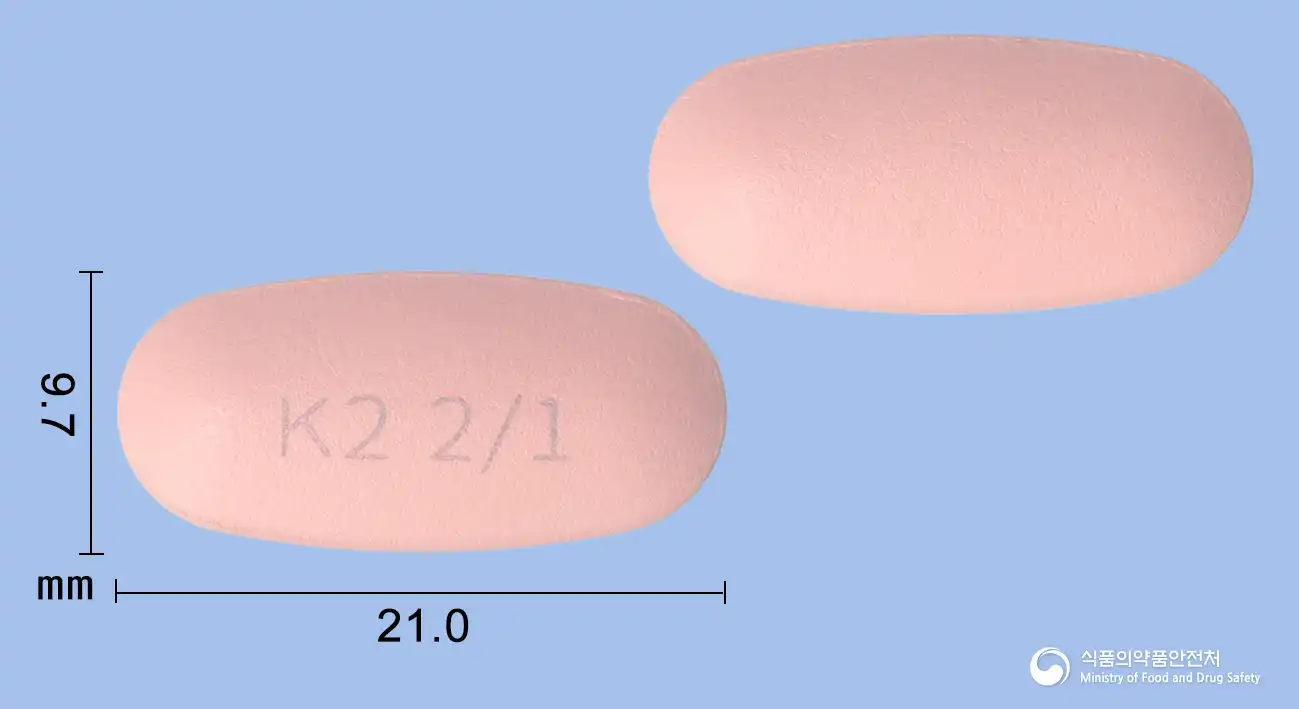
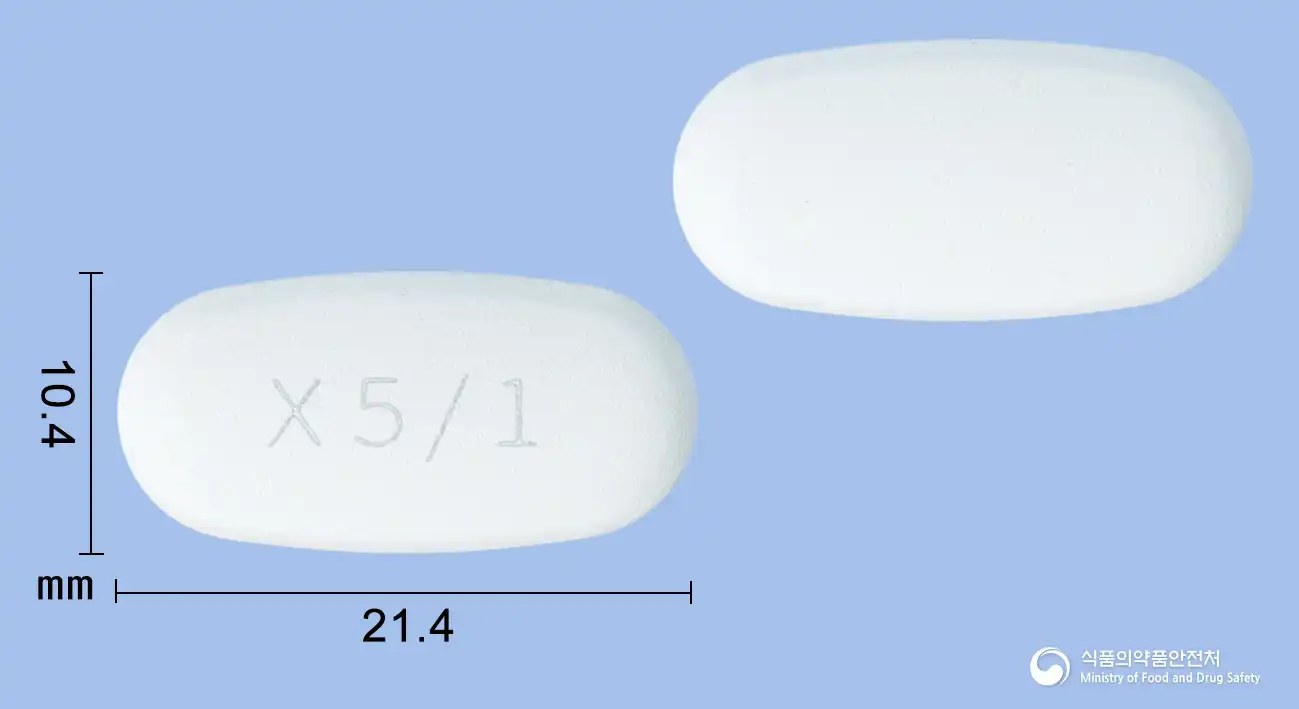
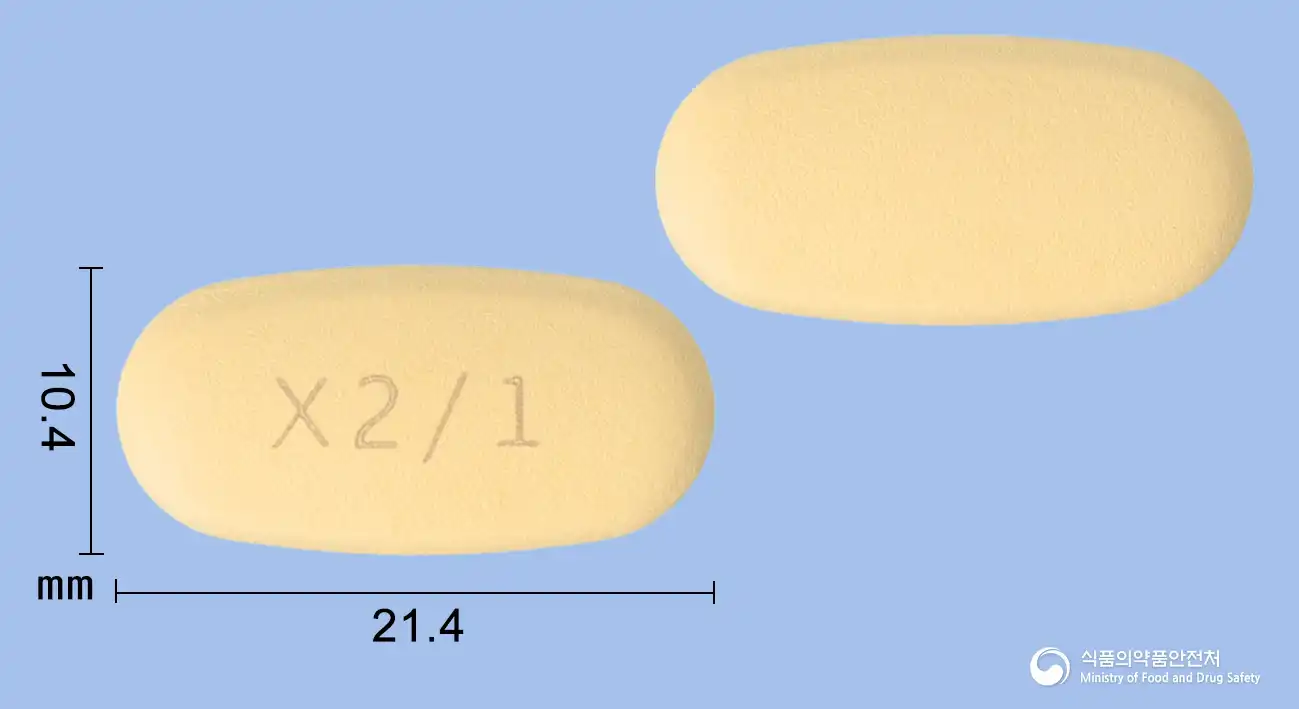
Appearance
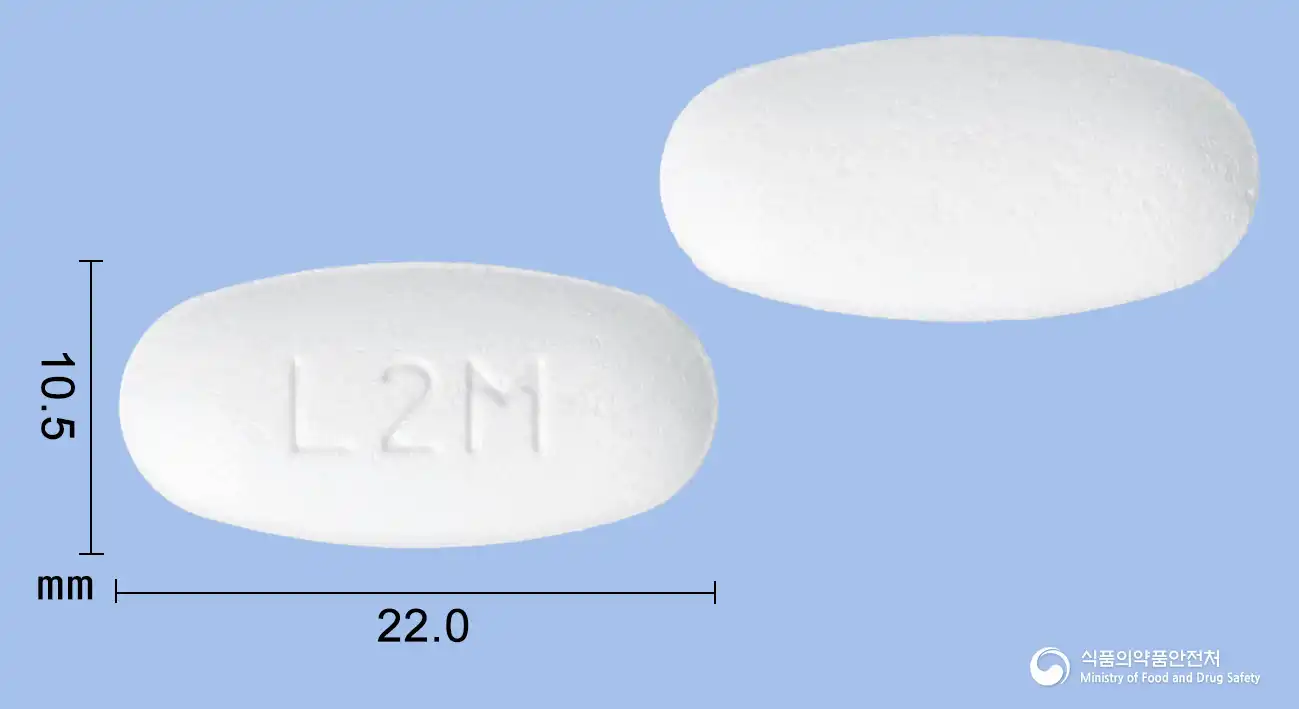
Oval sustained release tablet in white to nearly white color imprinted with L2M on one side
Package unit
28 tablets/box [7 tablets/PTP x 4], 30 tablets/bottle
Same-ingredient medicines
Even with the same ingredient, strength, dosage form and how it is taken can differ.
Even with the same ingredient, the dose and directions can differ by strength and dosage form. Talk to a doctor or pharmacist before switching from a medication you are already taking.
Questions about this medicine
No questions yet.
For anything that needs medical judgment, consult a doctor or pharmacist.
This drug information is based on data provided by the Korea Ministry of Food and Drug Safety. Consult a doctor or pharmacist for accurate dosage, administration, and usage instructions.

 한국어
 English
 日本語
 中文(简体)
 Viewing nowCombination