Improvement of blood glucose control in type 2 diabetes
Who takes it
Adults
Adult dose
This medication is taken once daily with meals, preferably with dinner.
To maintain the sustained release properties, swallow the tablet whole without splitting, crushing, or chewing.
Take 1 tablet of this 5/1000 mg sustained release tablet daily.
For this 2.5/1000 mg sustained release tablet, take 2 tablets simultaneously once daily.
1. If not currently on metformin treatment: the initial dosage is
Improvement of blood glucose control in type 2 diabetes
View approved original textHide original text
This medicine serves to complement dietary and exercise regimens for patients with type 2 diabetes who are taking linagliptin and metformin together, aiding in blood glucose control. Specifically, it effectively manages blood glucose levels, assisting in diabetes management. When used consistently along with lifestyle improvements, it may have a positive impact on blood glucose control. This medication is used for improving blood glucose control.
How to take
Adult dose
This medication is taken once daily with meals, preferably with dinner.
To maintain the sustained release properties, swallow the tablet whole without splitting, crushing, or chewing.
Take 1 tablet of this 5/1000 mg sustained release tablet daily.
For this 2.5/1000 mg sustained release tablet, take 2 tablets simultaneously once daily.
1. If not currently on metformin treatment: the initial dosage is
Precautions
This medicine is an antidiabetic agent primarily composed of metformin hydrochloride and linagliptin. Care should be taken as rare cases of severe lactic acidosis may occur with the use of this medication.
Lactic acidosis is a dangerous condition resulting from an excessive accumulation of lactic acid in the body, which can be life-threatening without immediate treatment.
This medication should not be administered to individuals with certain medical conditions, such as allergies to the ingredients, type 1 diabetes, severe renal impairment, acute infections, severe liver dysfunction, or acute alcohol intoxication.
Additionally, it should not be used in acute situations that may affect kidney function, such as dehydration, severe infections, or acute myocardial infarction.
There is a risk of hypoglycemia while taking this medication, especially when taken with insulin or sulfonylureas, so blood glucose levels should be closely monitored.
Symptoms of lactic acidosis may include abdominal pain, muscle cramps, and feelings of weakness; if these symptoms occur, consult a doctor immediately.
Since renal function plays a crucial role, kidney function should be regularly monitored before and during treatment, and the medication may need to be discontinued if kidney function declines.
This medication should be stopped for a certain period before and after surgery or radiographic procedures with iodine contrast, and resumed only after renal function has recovered post-surgery.
Rare side effects such as acute pancreatitis or blistering dermatitis (similar to pemphigus) have been reported; if these symptoms occur, discontinue use and consult a healthcare professional immediately.
Metformin can lower vitamin B12 levels with prolonged use, so blood tests may be needed to check vitamin B12 status and supplementation may be required.
This medication should be swallowed whole without chewing or crushing. Its film coating may appear in stools, which is normal.
Since this medication may interact with other drugs, it is essential to inform your doctor or pharmacist about any other medications being taken.
It is advisable to avoid this medication during pregnancy or breastfeeding, and consult a healthcare provider if planning a pregnancy.
Elderly patients may commonly experience reduced kidney function, so renal function should be checked frequently during use and the dosage adjusted if necessary.
In cases of overdose, severe side effects such as lactic acidosis may occur, so strictly adhere to the recommended dosage; in cases of overdose, seek immediate medical attention.
Store this medication out of reach of children, avoid moisture, and do not transfer it to other containers.
Side effects and when to seek care immediately
Serious side effects
Urticaria, severe swelling (edema), chest tightness, difficulty breathing, cold sweat, pallor, severe rash with fever, blisters, skin peeling, pain in oral/ocular mucosa, shortness of breath or difficulty breathing, asthma attacks, respiratory abnormalities associated with cough and fever, yellowing of skin or eyes (jaundice), extreme lethargy, sudden severe headaches, thunderclap headache, seizures, confusion, visual abnormalities, paralysis, urination disturbances
Not everyone experiences these, and they can vary from person to person.
Storage
Store this medication in a tightly sealed container to prevent exposure to air and moisture. It is recommended to maintain storage temperatures between 1 and 30 degrees Celsius at room temperature.
Appearance and packaging
Appearance
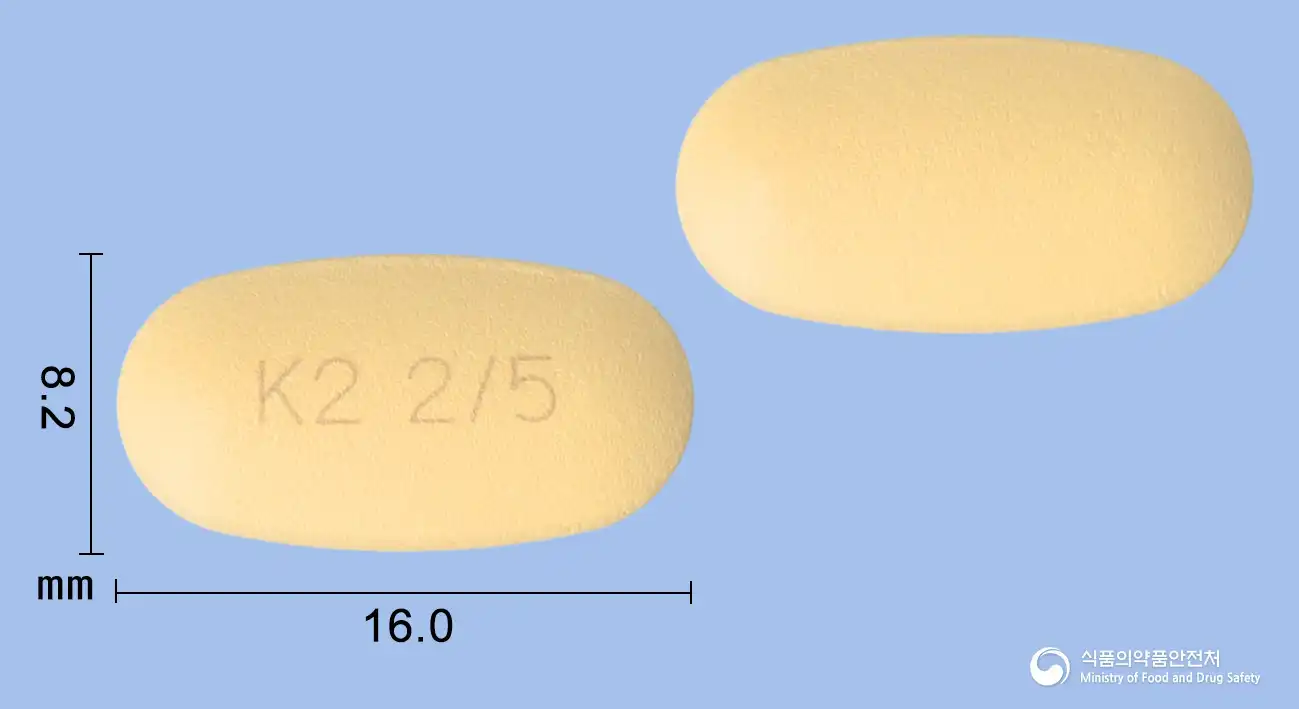
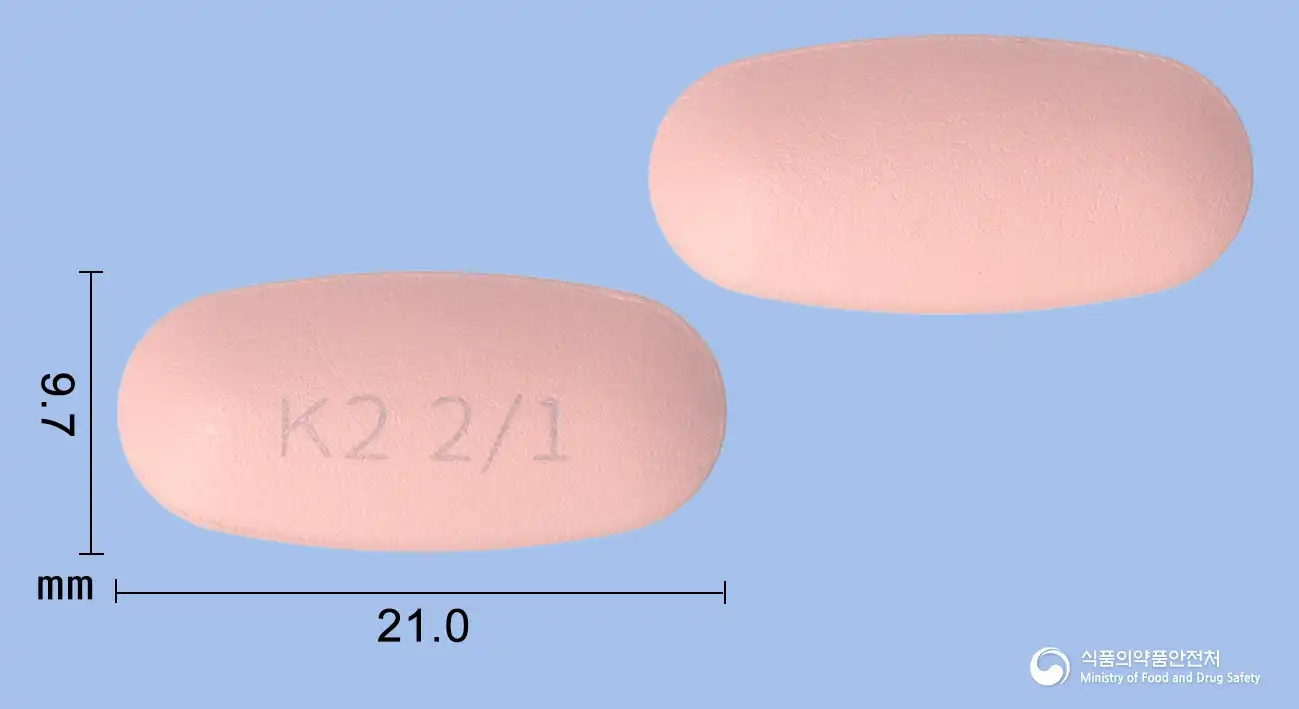
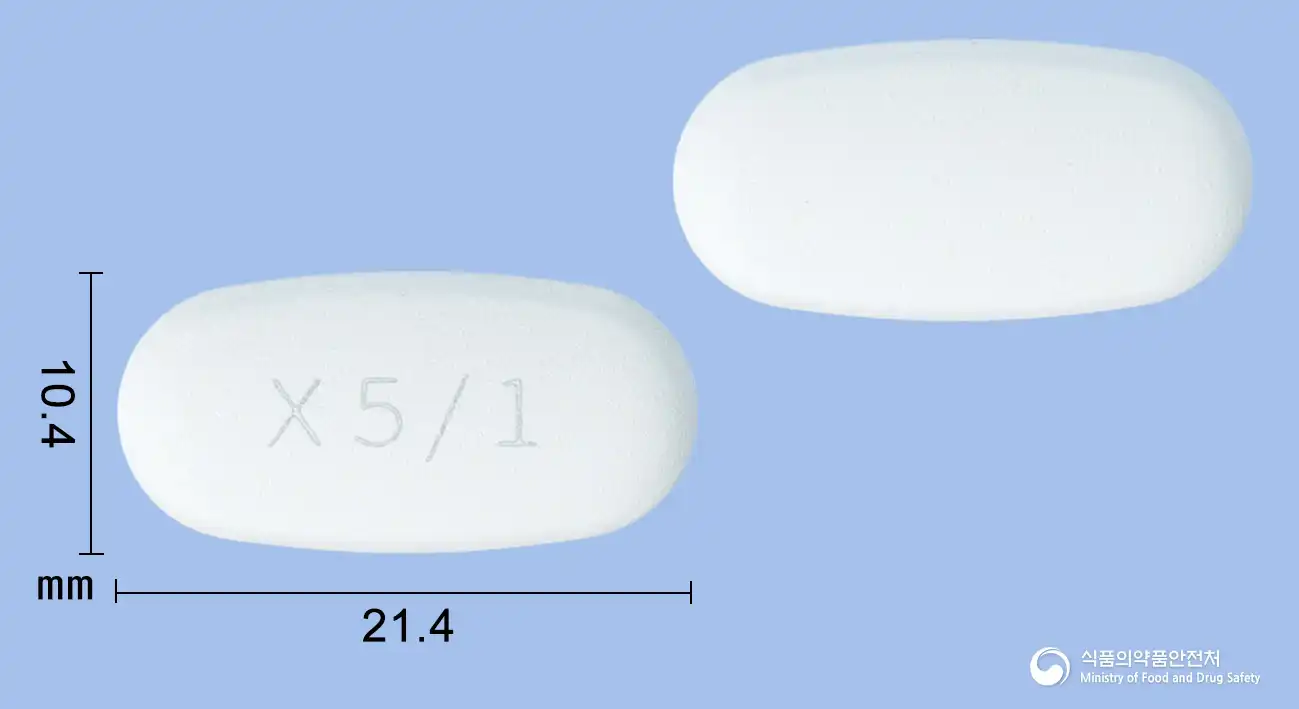
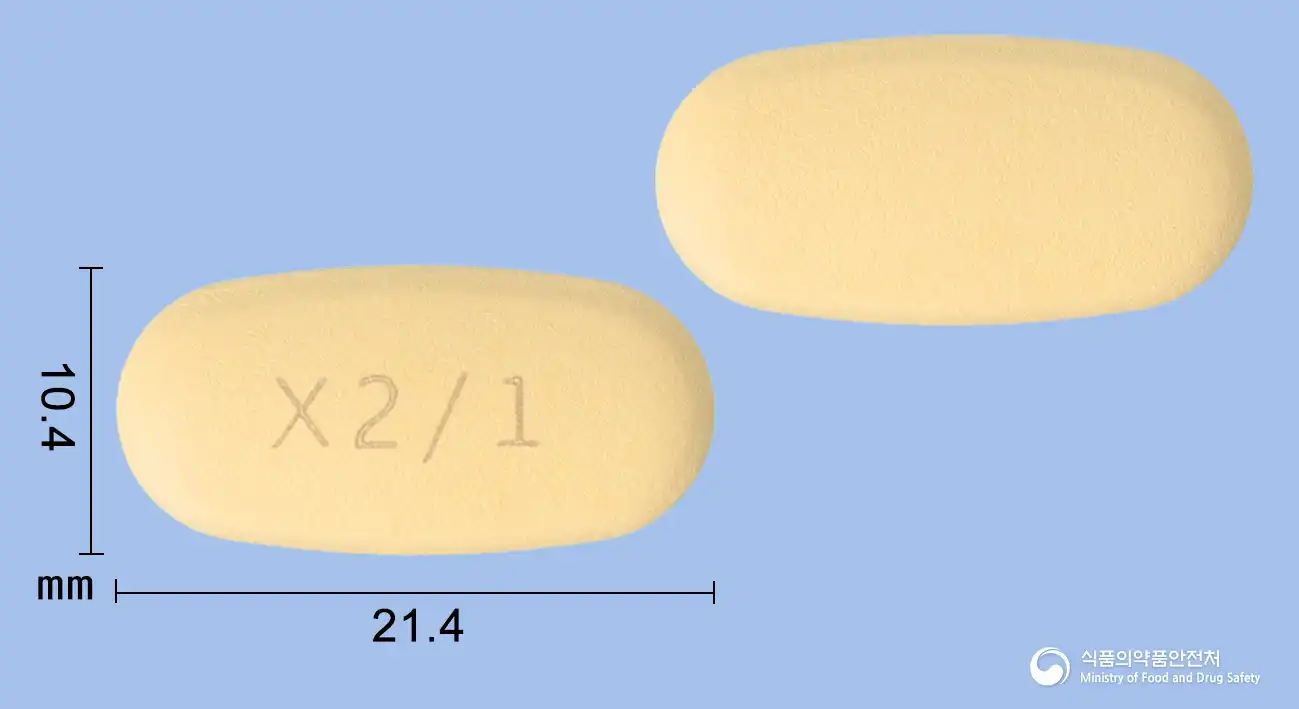
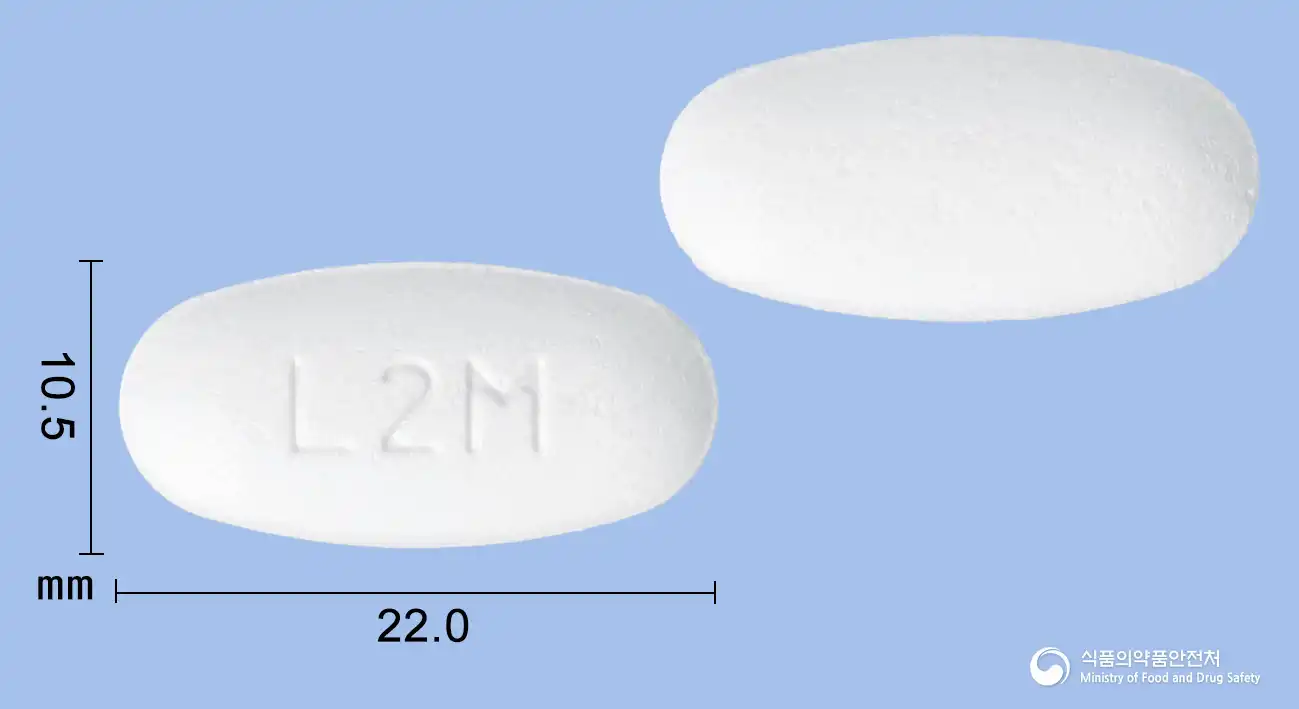
Oval sustained release tablet in white to nearly white color imprinted with L2M on one side
Package unit
28 tablets/box [7 tablets/PTP x 4], 30 tablets/bottle
Same-ingredient medicines
Even with the same ingredient, strength, dosage form and how it is taken can differ.
Even with the same ingredient, the dose and directions can differ by strength and dosage form. Talk to a doctor or pharmacist before switching from a medication you are already taking.
Questions about this medicine
No questions yet.
For anything that needs medical judgment, consult a doctor or pharmacist.
This drug information is based on data provided by the Korea Ministry of Food and Drug Safety. Consult a doctor or pharmacist for accurate dosage, administration, and usage instructions.

 한국어
한국어 English
 日本語
日本語 中文(简体)
 Viewing nowCombination