Improvement of blood sugar control in type 2 diabetes
Who takes it
Adults
Adult dose
This medication is taken once daily with dinner.
For the 5/1000 mg extended-release tablet, take 1 tablet once daily.
For the 2.5/1000 mg extended-release tablet, take 2 tablets simultaneously once daily.
The initial dose is 5 mg of Linagliptin and 1000 mg of Metformin Hydrochloride, which can be gradually increased to a maximum of 2000 mg.
Patients currently on Metformin treatment should consider their current treatment regimen.
Improvement of blood sugar control in type 2 diabetes
View approved original textHide original text
This medication is used to assist patients with type 2 diabetes in effectively controlling their blood sugar levels. Linagliptin and Metformin work together to provide help for blood sugar management that is insufficient with dietary and exercise therapy alone. With consistent intake, it improves blood sugar levels and contributes to reducing the risk of complications, playing a significant role in patients' healthy blood sugar regulation.
How to take
Adult dose
This medication is taken once daily with dinner.
For the 5/1000 mg extended-release tablet, take 1 tablet once daily.
For the 2.5/1000 mg extended-release tablet, take 2 tablets simultaneously once daily.
The initial dose is 5 mg of Linagliptin and 1000 mg of Metformin Hydrochloride, which can be gradually increased to a maximum of 2000 mg.
Patients currently on Metformin treatment should consider their current treatment regimen.
Precautions
This medication is used for controlling blood sugar and is primarily prescribed to diabetes patients.
It should not be used in certain patients. For example, it should not be administered to those allergic to any of its ingredients or those with type 1 diabetes, severe renal impairment, hepatic impairment, acute alcohol intoxication, or severe heart disease.
Although rare, this medication can cause a serious condition called lactic acidosis, which can be life-threatening, so caution is necessary. The risk of lactic acidosis is higher when there is compromised renal function or other severe conditions such as infections, dehydration, or heart disease.
During the course of this medication, symptoms of hypoglycemia may occur, especially when taken together with insulin or sulfonylureas; therefore, blood sugar levels should be monitored carefully.
Elderly patients or those taking other medications that may affect renal function should have their kidney function tested before taking this medication, and kidney status should be checked regularly.
If iodine contrast agents are used during acute surgical procedures or radiological exams, this medication should be temporarily discontinued, and it should be resumed only after normal kidney function is restored following the exam.
This medication should be swallowed whole and not chewed or crushed, and it is normal for tablet shells to be expelled in the stool.
If severe abdominal pain, persistent vomiting, muscle weakness, or difficulty breathing occur during treatment, immediate consultation with a physician is necessary.
This medication is not recommended for use in pregnant or breastfeeding women, and consultation with a physician is advised if pregnancy is planned.
Alcohol consumption should be avoided during this medication, as it may increase the risk of side effects associated with the drug.
This medication can interact with other drugs, so it is essential to inform the physician of all medications currently being taken, especially those that may affect renal function, before use.
In case of an overdose, immediate medical attention should be sought for appropriate treatment, especially if lactic acidosis is suspected.
Side effects and when to seek care immediately
Serious side effects
Hives
angioedema
lactic acidosis
severe hypoglycemia
acute pancreatitis
vesicular bullous pemphigoid
angina pectoris
acute myocardial infarction
unstable angina
heart failure
Show 12 moreCollapse
jaundice due to liver dysfunction
severe allergic reactions
severe skin adverse reactions
difficulty breathing
asthma attacks
severe edema
renal and urinary abnormalities
sudden and severe headaches
confusional state
visual disturbances
paralysis
seizures
Mild side effects
Nasopharyngitis
immune system hypersensitivity reactions
hypoglycemia
taste disturbance
cough
decreased appetite
diarrhea
constipation
nausea
vomiting
Show 20 moreCollapse
abdominal pain
oral ulcers
abnormal liver function
hepatitis
itching
erythema
rash
severe joint pain with disability
increased lipase levels
increased amylase
angioedema
lactic acidosis
abnormal vitamin B12 absorption tests
vascular disorders
chest pain
fever
weakness
facial swelling
fatigue
palpitations
Not everyone experiences these, and they can vary from person to person.
Storage
This medication is sensitive to air and moisture; therefore, it should be stored in a tightly sealed container. It is best to maintain storage temperatures between 1 and 30 degrees Celsius.
Appearance and packaging
Appearance
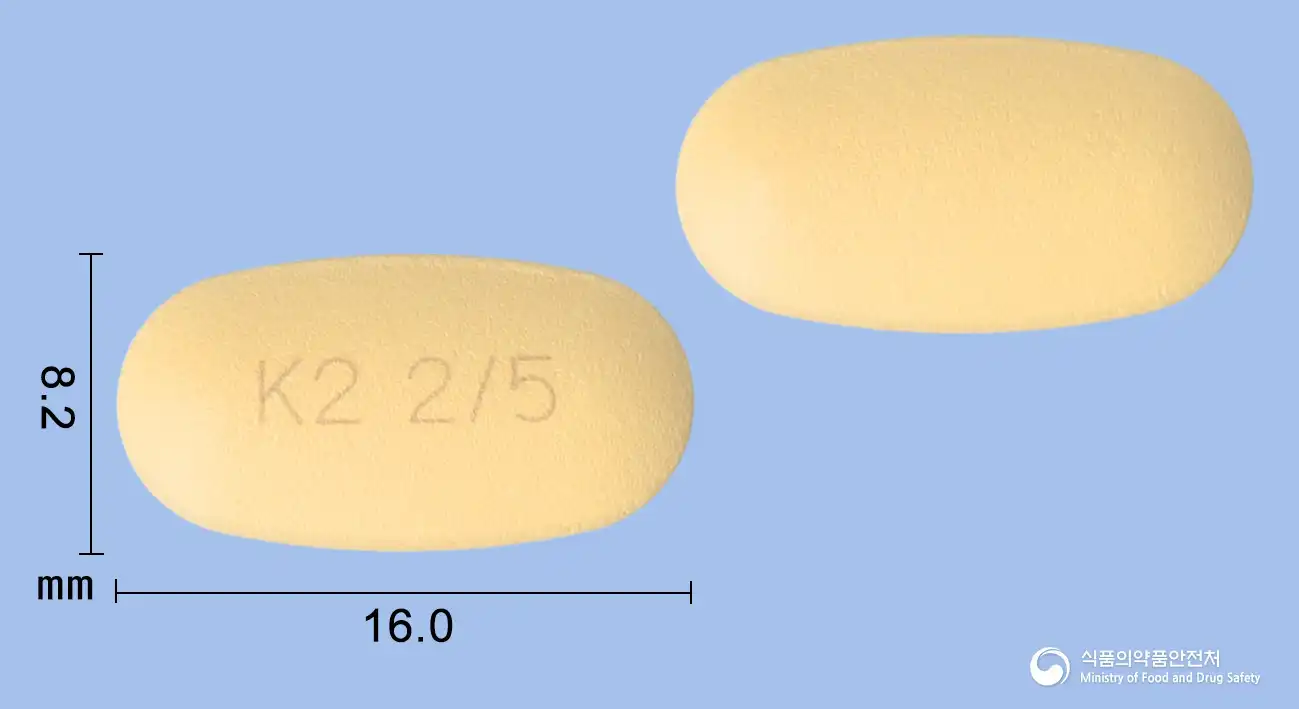
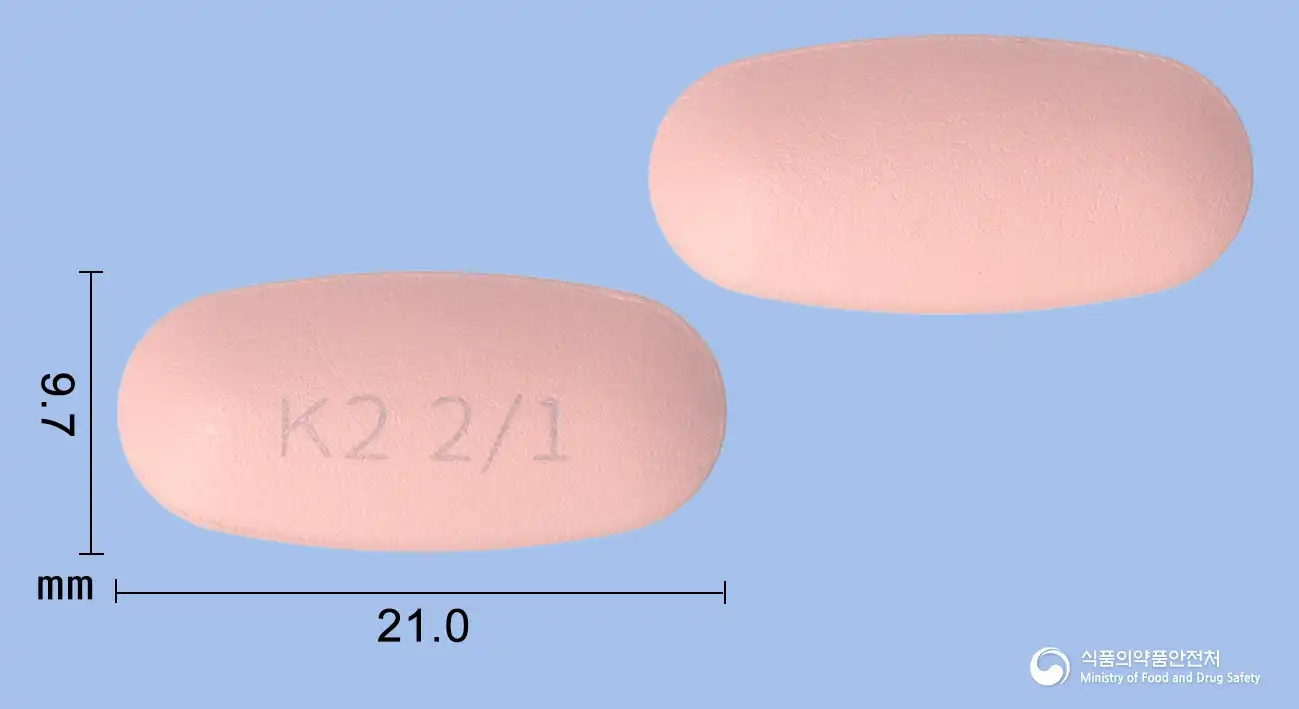
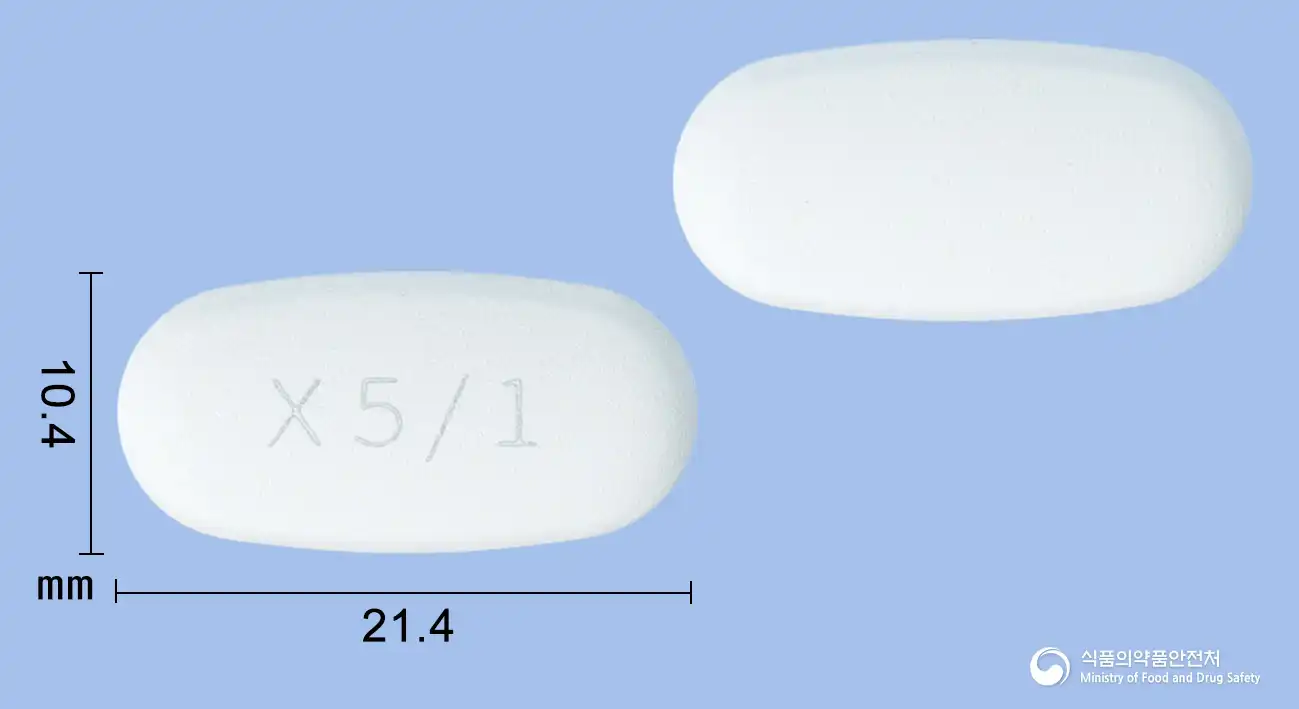
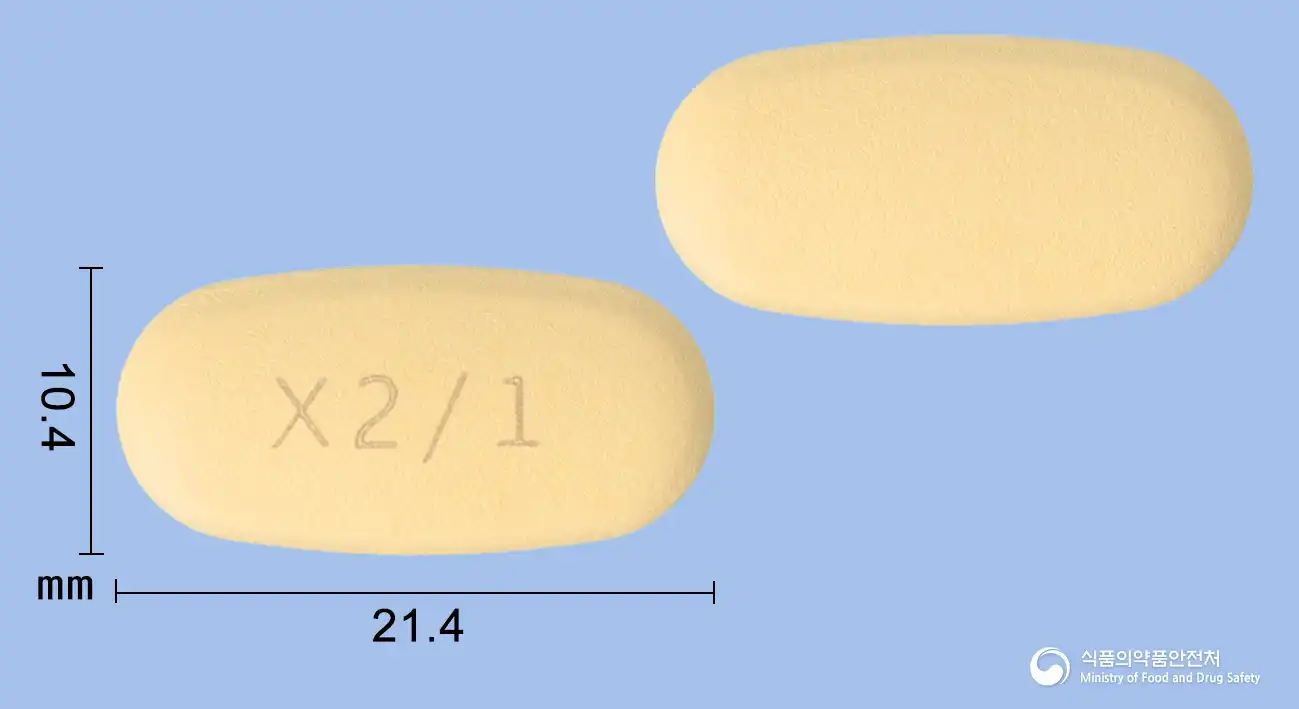
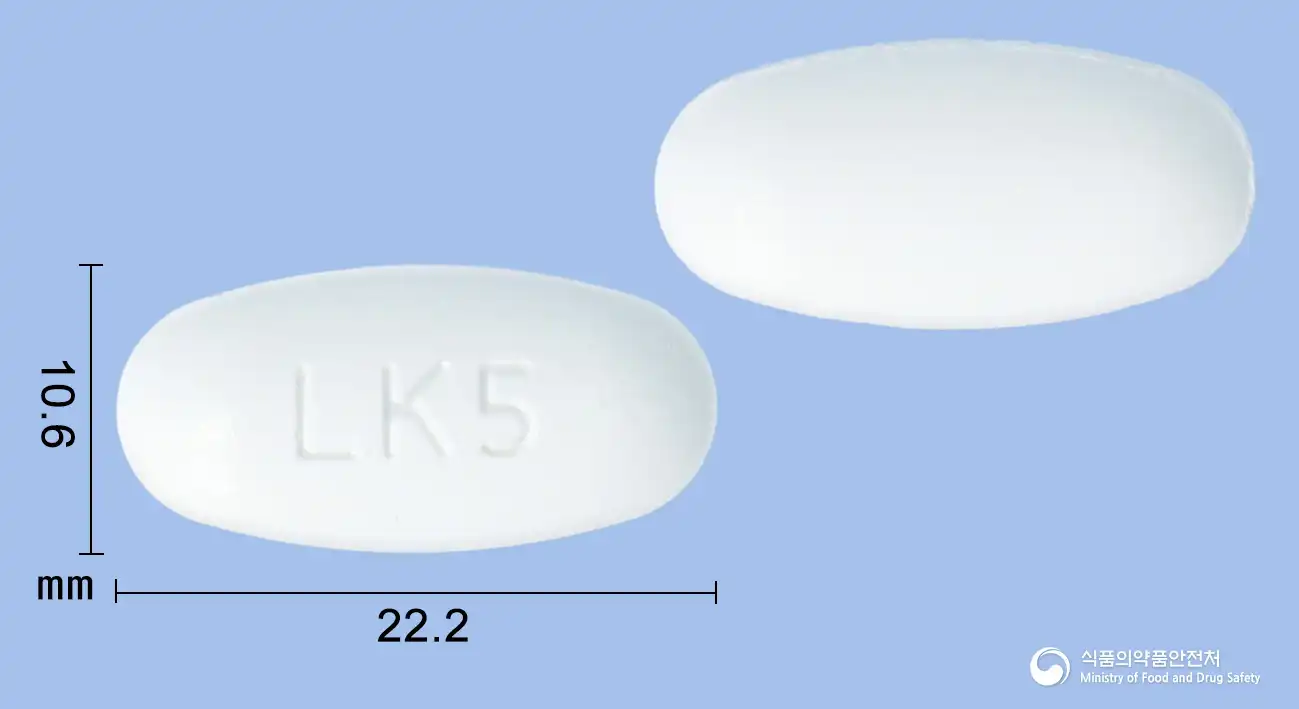
Oval extended-release tablet, white to almost white, engraved with LK5 on one side
Even with the same ingredient, the dose and directions can differ by strength and dosage form. Talk to a doctor or pharmacist before switching from a medication you are already taking.
Questions about this medicine
No questions yet.
For anything that needs medical judgment, consult a doctor or pharmacist.
This drug information is based on data provided by the Korea Ministry of Food and Drug Safety. Consult a doctor or pharmacist for accurate dosage, administration, and usage instructions.

 한국어
한국어 English
 日本語
日本語 中文(简体)
 Viewing nowCombination