
 한국어
한국어 English
 日本語
日本語 中文(简体)
 Viewing now
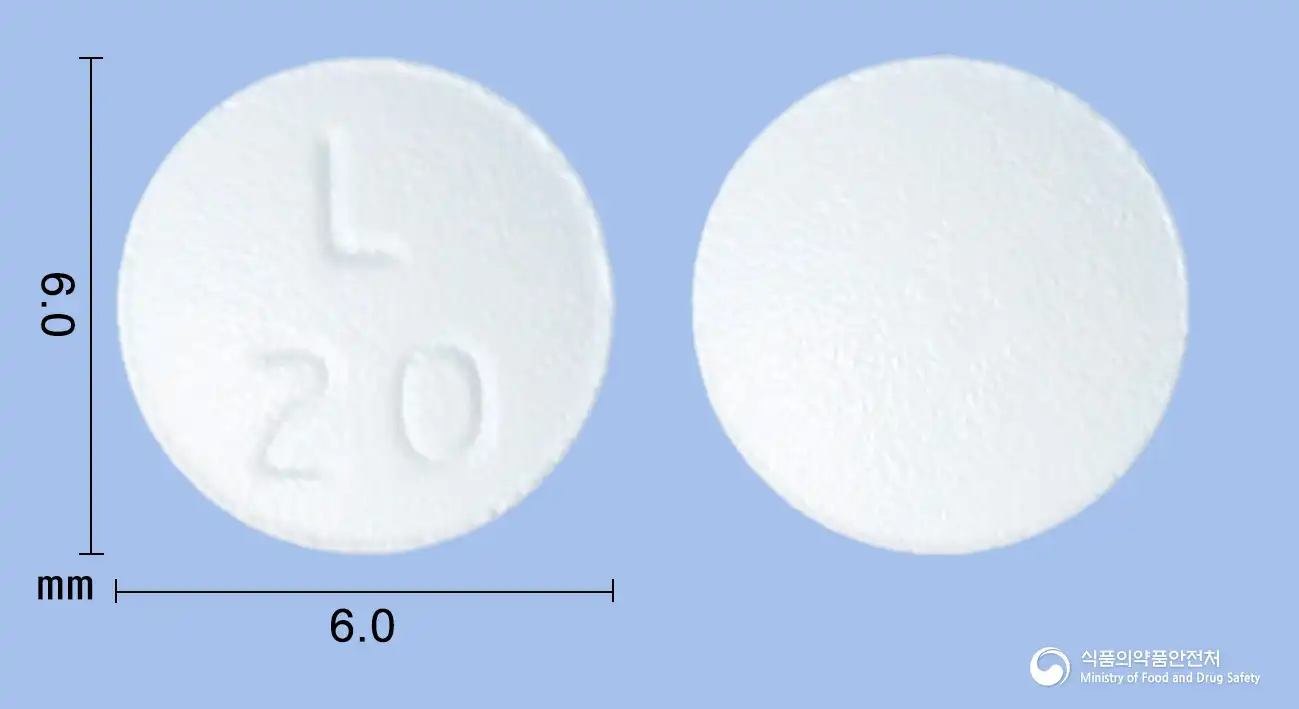
Latuda 20 mg (Lurasidone Hydrochloride)
Lurasidone Hydrochloride 20mg
Tablet · Prescription medication
Bukwang Pharmaceutical Co., Ltd.
MFDS item code 202303207 · Approved 2023.11.23 · Insurance code 642204800
Treatment of schizophrenia and major depressive episodes associated with bipolar disorder type I
This medication is used to treat schizophrenia in adolescents aged 13 and older and adults. It is also effective in improving major depressive episodes associated with bipolar disorder type I in children aged 10 and older and adults. Therefore, this drug is used to stabilize symptoms of schizophrenia and bipolar disorder and to help alleviate symptoms.
This medication is administered with or after meals. For the treatment of schizophrenia in adolescents aged 13 and older and adults, it is started at a dose of 40 mg once daily and is given within a total daily range of 40 to 160 mg. The maximum dose is 160 mg. For adults aged 10 and older with major depressive episodes associated with bipolar disorder type I, it is started at 20 mg once daily either alone or in combination with lithium or valproate therapy...
For the treatment of schizophrenia in adolescents aged 13 and older, it is started at a dose of 40 mg once daily and can be adjusted within a range of 40 to 80 mg daily. The maximum dose is 80 mg. For children aged 10 and older concerning bipolar disorder type I...
This drug should not be used in elderly patients with dementia-related psychosis. Suicidal thoughts or behaviors may occur during treatment with this drug; thus, patients and families should be closely monitored, especially during the first few months and during dose adjustments. This drug can cause a serious side effect known as Neuroleptic Malignant Syndrome. If high fever, muscle stiffness, or changes in consciousness occur, the medication should be immediately discontinued and the patient should go to the hospital. Long-term use may result in irreversible muscle disorders known as tardive dyskinesia, so if symptoms arise, the patient should consult with a doctor to determine whether to continue the medication. Blood sugar may increase or diabetes may worsen; therefore, diabetic patients or those at risk should have regular blood sugar tests. This drug is not used in elderly dementia patients due to the risk of cerebrovascular problems such as stroke. Patients with allergies to this drug or its additives, or those with severely impaired liver or kidney function should not take it. Additionally, since the efficacy of this drug may be altered when taken with certain strong medications, patients must inform their doctor or pharmacist about all medications they are currently taking. Various side effects such as drowsiness, dizziness, anxiety, insomnia, muscle disorders, gastrointestinal disturbances, etc. may occur, and if symptoms are severe, consultation with healthcare personnel is necessary.
Hives, severe swelling (edema), chest tightness, difficulty breathing, cold sweat, pallor, severe rash with fever, blisters, skin peeling, pain in oral/ocular mucosa, shortness of breath or difficulty breathing, asthma attacks, abnormal breathing with cough and fever, yellowing of the skin or eyes (jaundice), extreme lethargy, sudden and severe headache, thunderclap headache, seizures, confusion of consciousness, visual disturbances, paralysis, urinary issues.
Not everyone experiences these, and they can vary from person to person.
This medication may be sensitive to air or moisture; therefore, it must be stored in a tightly closed container. It is recommended to maintain a storage temperature between 1 and 30 degrees Celsius at room temperature. This way, the effectiveness of the medication can be preserved for a long time.
White to grayish-white round film-coated tablets
30 tablets/bottle, 90 tablets/bottle
Even with the same ingredient, strength, dosage form and how it is taken can differ.
Viewing nowLurasidone Hydrochloride 20mg
Tablet · Prescription medication
Bukwang Pharmaceutical Co., Ltd.
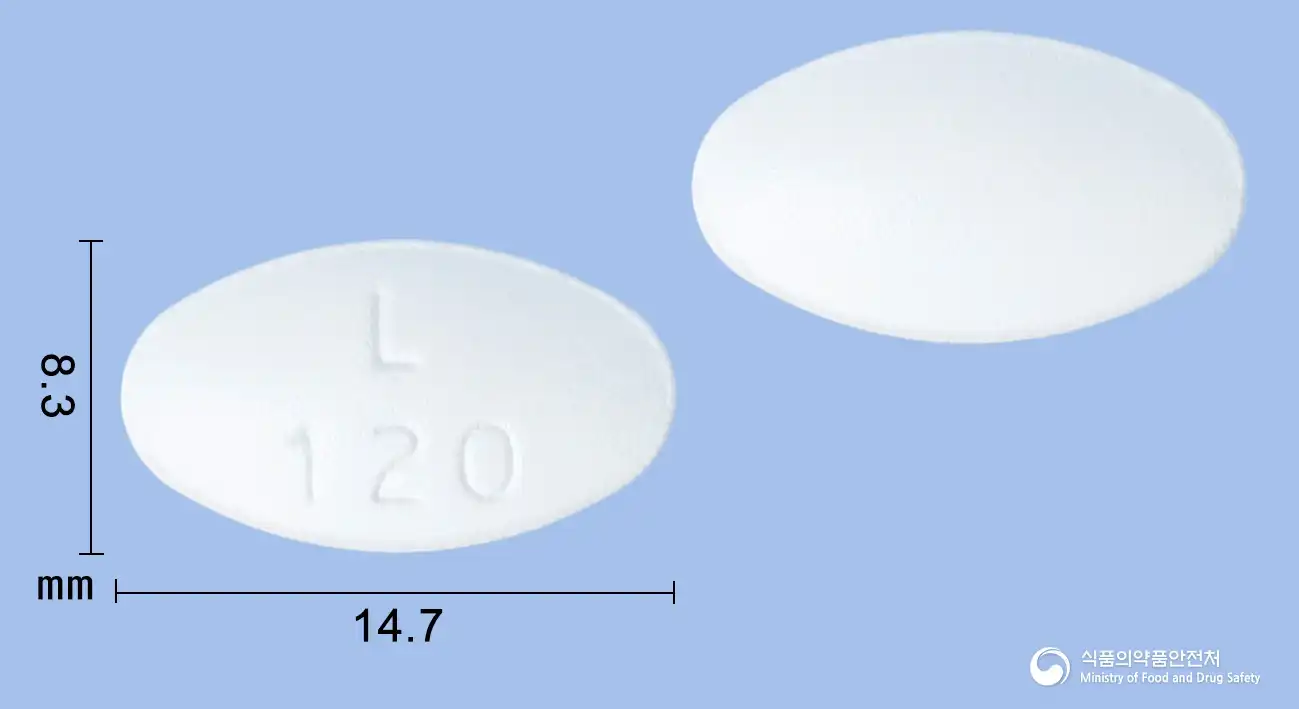
Lurasidone Hydrochloride 120mg
Tablet · Prescription medication
Bukwang Pharmaceutical Co., Ltd.
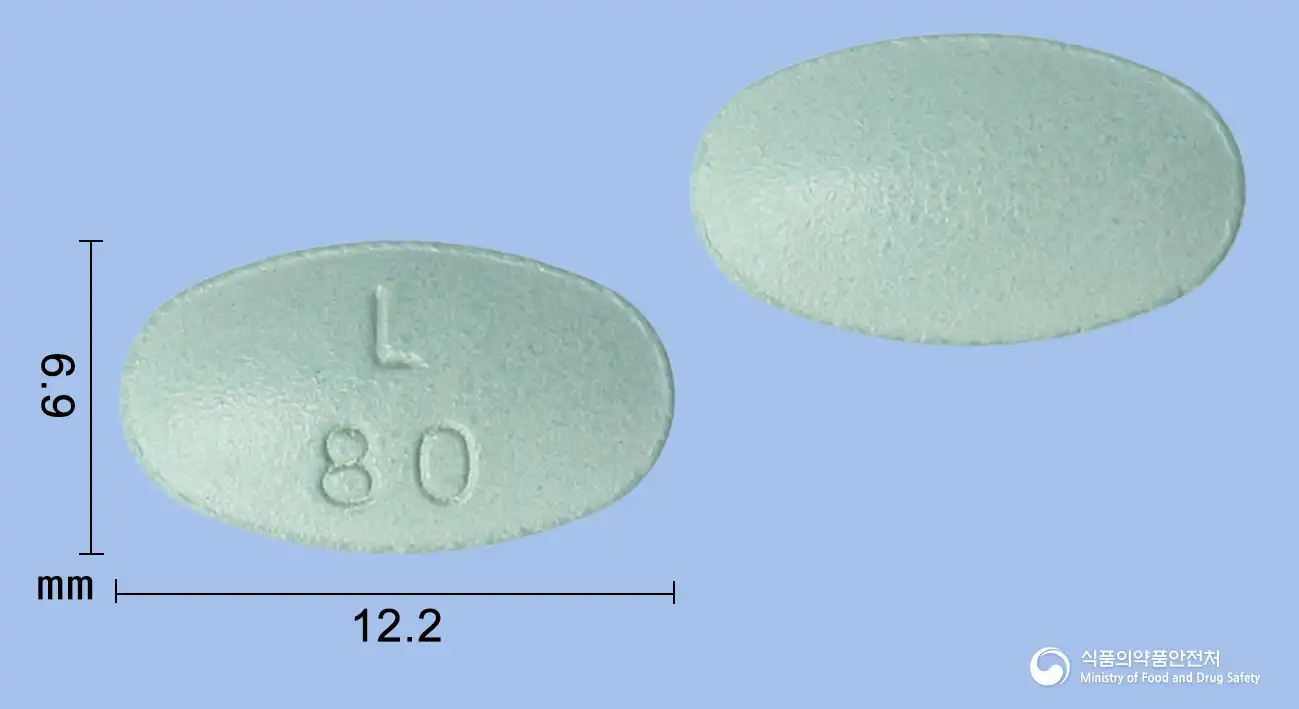
Lurasidone Hydrochloride 80mg
Tablet · Prescription medication
Bukwang Pharmaceutical Co., Ltd.
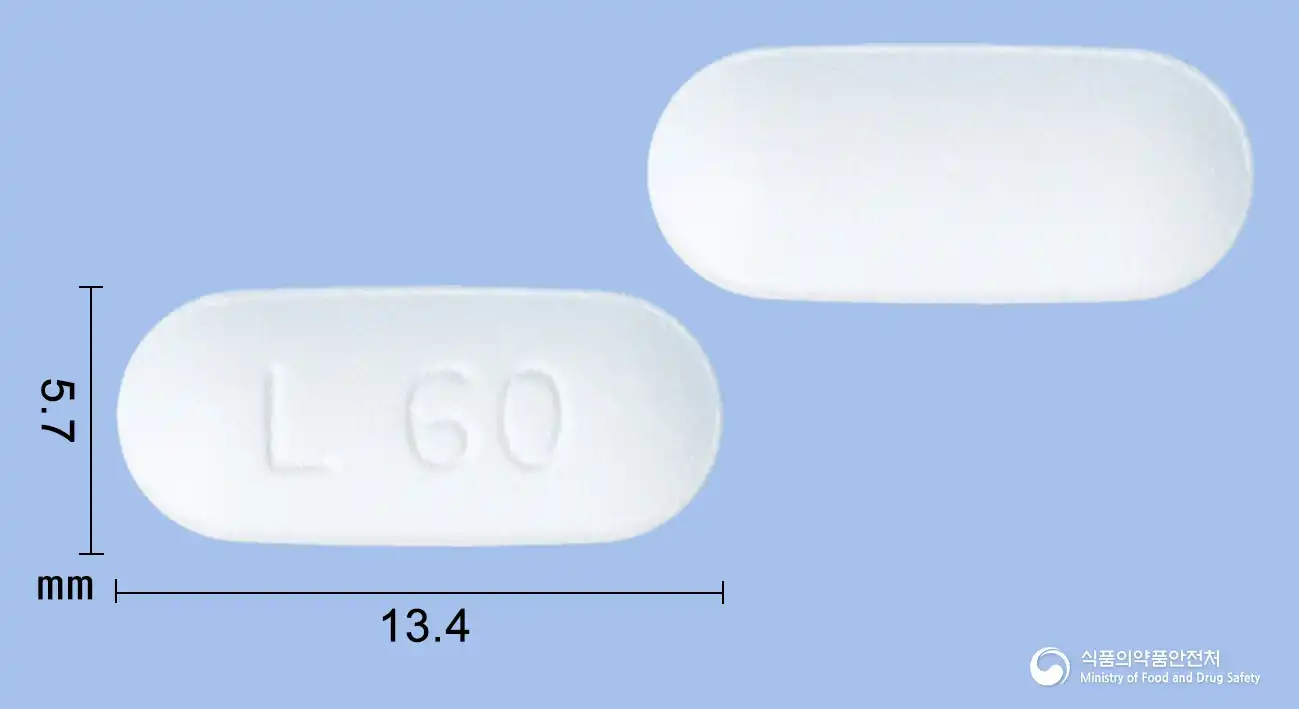
Lurasidone Hydrochloride 60mg
Tablet · Prescription medication
Bukwang Pharmaceutical Co., Ltd.
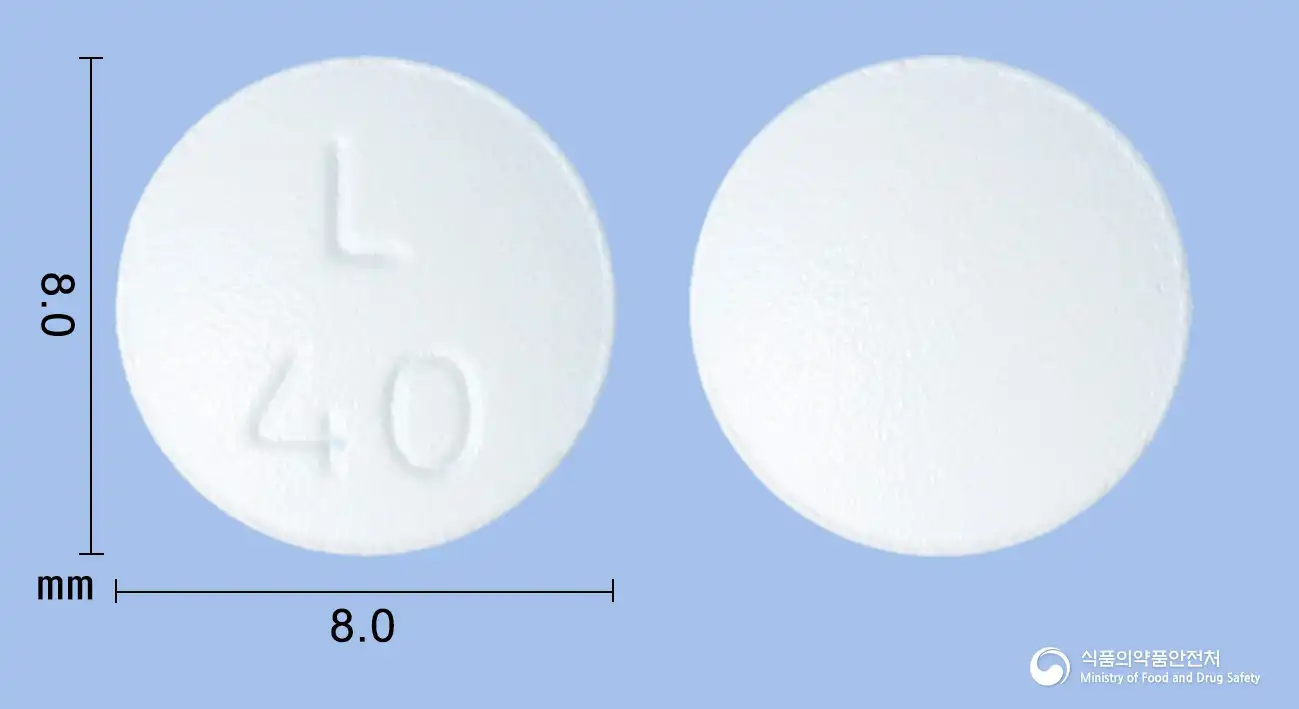
Lurasidone Hydrochloride 40mg
Tablet · Prescription medication
Bukwang Pharmaceutical Co., Ltd.
Even with the same ingredient, the dose and directions can differ by strength and dosage form. Talk to a doctor or pharmacist before switching from a medication you are already taking.
No questions yet.
For anything that needs medical judgment, consult a doctor or pharmacist.
This drug information is based on data provided by the Korea Ministry of Food and Drug Safety.
Consult a doctor or pharmacist for accurate dosage, administration, and usage instructions.