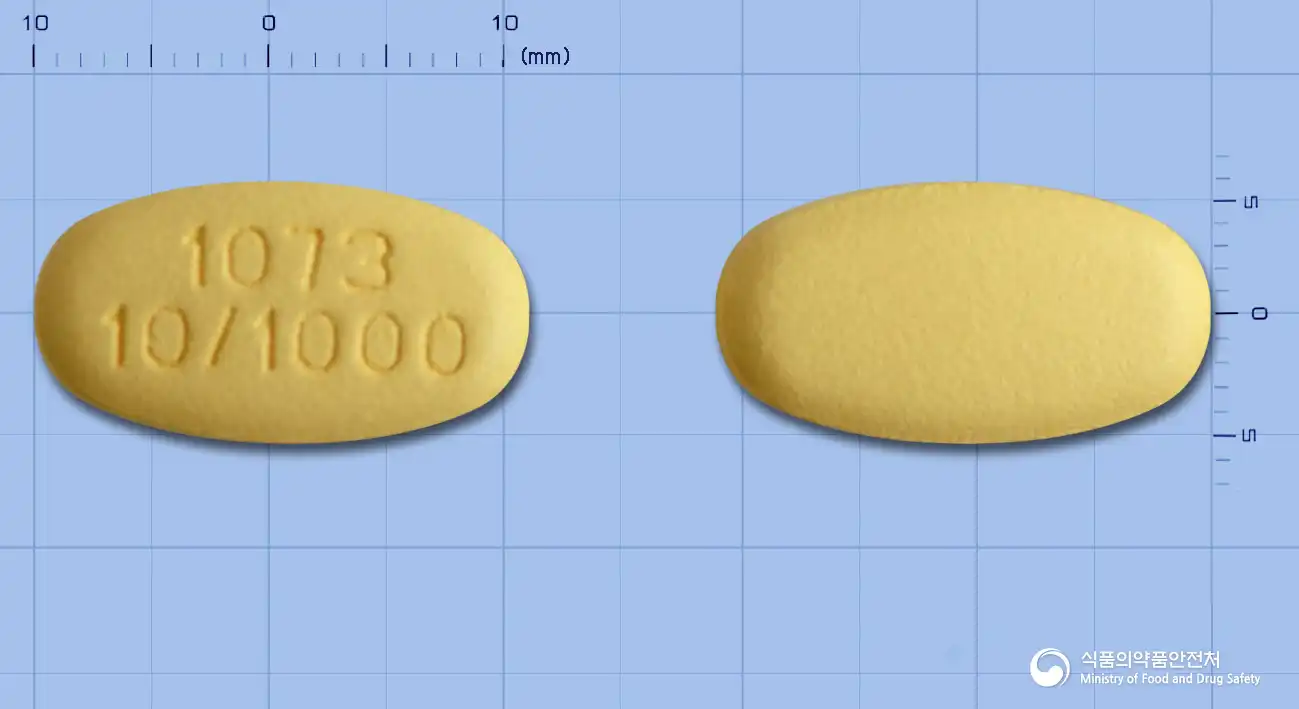
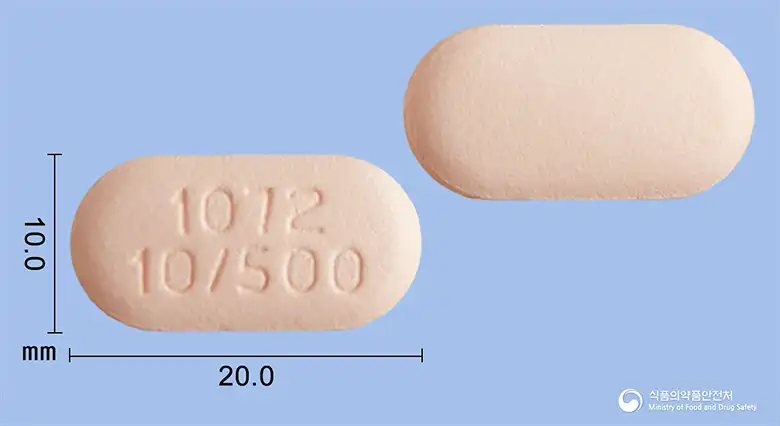
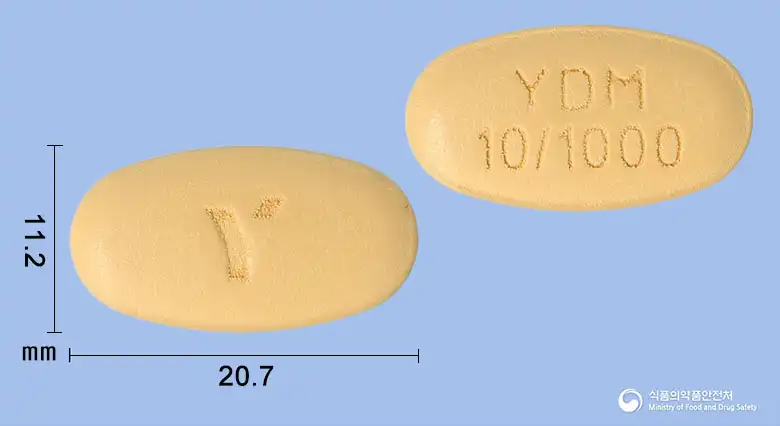
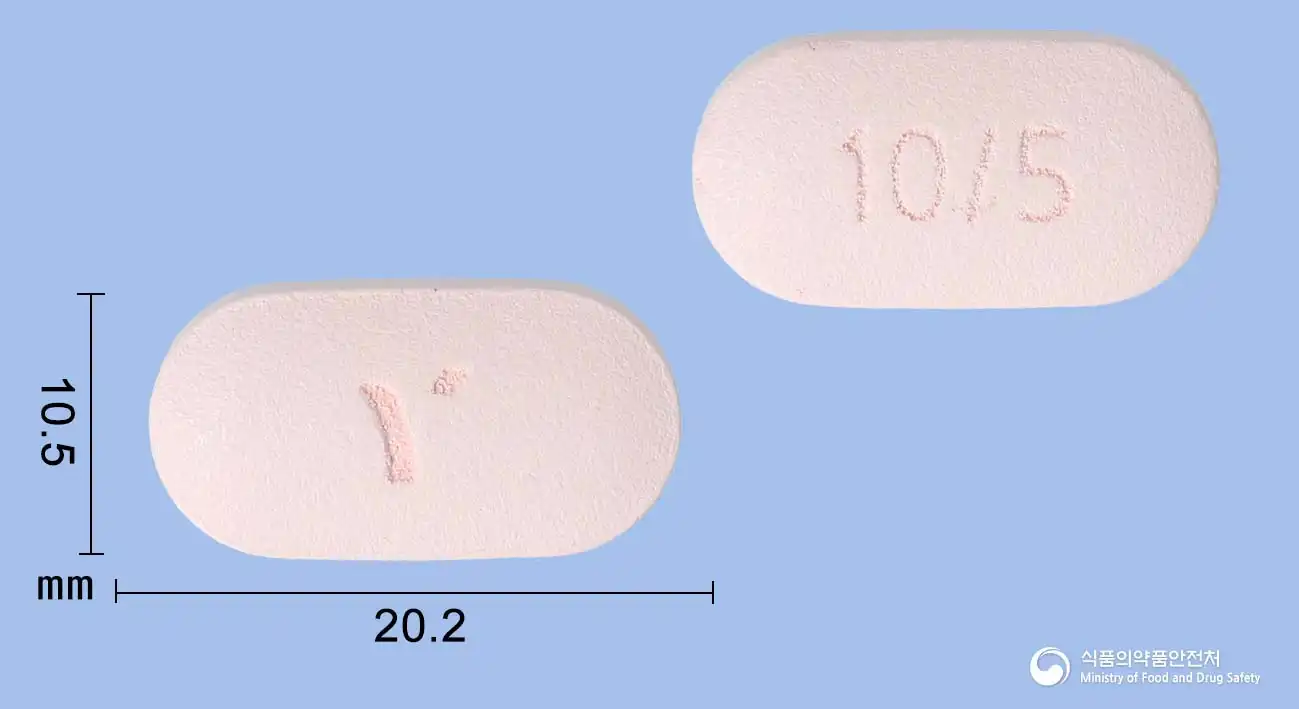
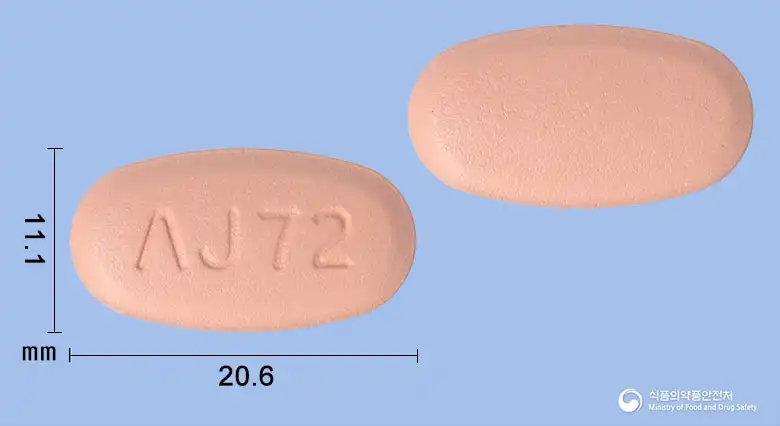
Improvement of glycemic control in adults with type 2 diabetes mellitus
Who takes it
Adults
Adult dose
The dose of this drug should be individualized based on the patient's current treatment regimen, efficacy, and tolerability, without exceeding the maximum recommended dose of dapagliflozin 10mg and extended-release metformin 2000mg.
This drug is generally administered once daily with the evening meal.
The maximum dose of this drug is dapagliflozin 10mg/extended-release metformin 2000mg once daily, administered as two 5mg/1000mg tablets.
Patients who have not previously received pharmacological treatment for diabetes and for whom adequate glycemic control is difficult to achieve with monotherapy:
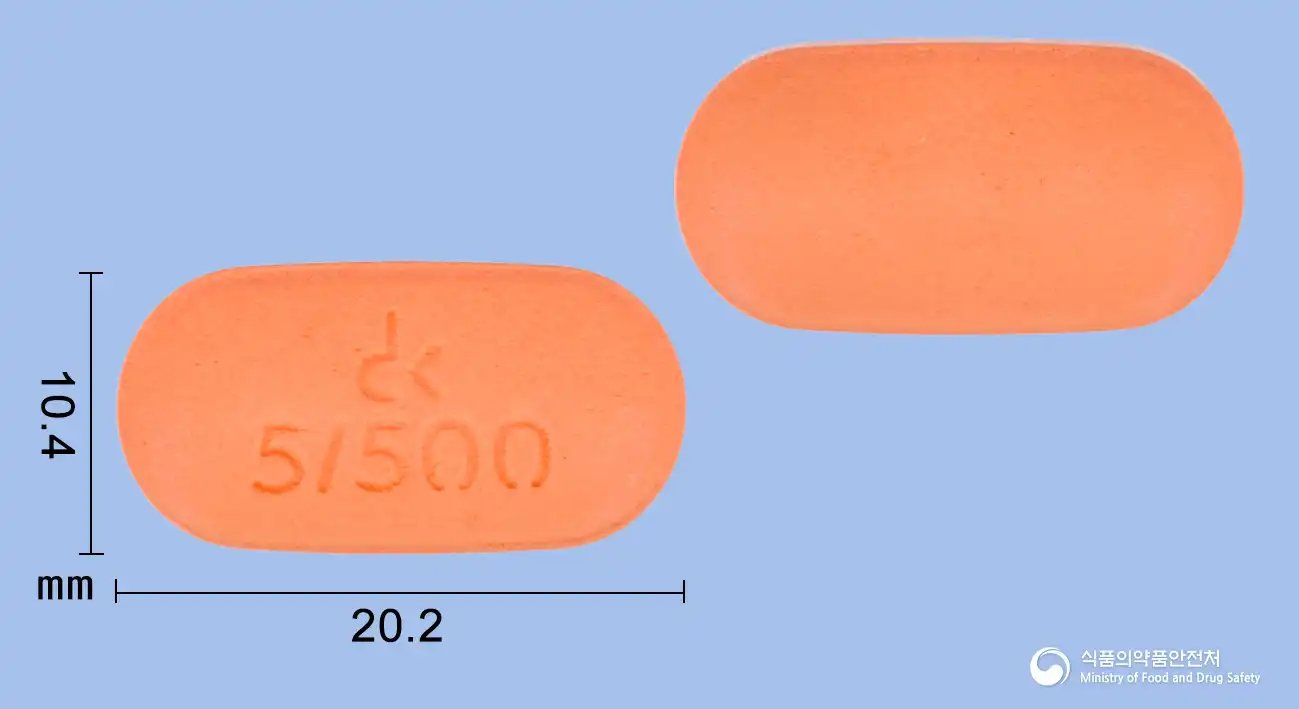
When used as initial therapy in patients who have not previously received pharmacological treatment for diabetes, the recommended starting dose of this drug is one 5mg/500mg or 10mg/500mg tablet once daily.
The dose should be titrated gradually to reduce gastrointestinal adverse reactions associated with metformin.
For patients receiving treatment with metformin, the recommended dose of dapagliflozin is 10mg once daily, and the dose of this drug should provide the same dose of metformin the patient was taking or an appropriately adjusted dose therapeutically close to it. When converting from immediate-release to extended-release metformin, glycemic control should be closely monitored and the dose adjusted as appropriate.
For patients switching from combination therapy with dapagliflozin and metformin to this drug, treatment may be initiated at the doses of dapagliflozin and metformin they were previously receiving. When converting from immediate-release to extended-release metformin, glycemic control should be closely monitored and the dose adjusted as appropriate.
When this drug is used in combination with insulin or an insulin secretagogue such as a sulfonylurea, a lower dose of insulin or the insulin secretagogue may be considered to reduce the risk of hypoglycemia.
This drug must be swallowed whole and must never be crushed, cut, or chewed.
No dose adjustment is necessary in patients with mild renal impairment.
For patients with an estimated glomerular filtration rate (eGFR) of 45 mL/min/1.73 m2 or higher and less than 60 mL/min/1.73 m2 who do not have other symptoms that may increase the risk of lactic acidosis, the starting dose of metformin hydrochloride, a component of this drug, is 500mg once daily, and the maximum daily dose is 1000mg.
Administration of this drug is not recommended in patients with an eGFR below 45 mL/min/1.73m2.
If the estimated glomerular filtration rate (eGFR) falls below 45 mL/min/1.73m2, administration of this drug should be discontinued immediately. Renal function should be assessed every 3~6 months.
Metformin is excreted through the kidneys, and renal function is more likely to decline in older adults; therefore, this drug should be used with caution as age increases (see Precautions for Use, 9. Administration to Elderly Patients, Patient subsection).
Improvement of glycemic control in adults with type 2 diabetes mellitus
Insufficient blood sugar control
type 2 diabetes
cardiovascular disease
cardiovascular risk factors
View approved original textHide original text
This medication is used to improve blood sugar control in patients with type 2 diabetes through the combination of dapagliflozin and metformin. It can effectively manage blood sugar when taken alongside dietary and exercise therapy. It is especially suitable for adult patients with type 2 diabetes who do not have sufficient blood sugar control. For patients with cardiovascular disease or risk factors, please refer to professional information on the cardiovascular events related to dapagliflozin. This medication is intended to improve blood sugar control in patients with type 2 diabetes.
How to take
Adult dose
The dose of this drug should be individualized based on the patient's current treatment regimen, efficacy, and tolerability, without exceeding the maximum recommended dose of dapagliflozin 10mg and extended-release metformin 2000mg.
This drug is generally administered once daily with the evening meal.
The maximum dose of this drug is dapagliflozin 10mg/extended-release metformin 2000mg once daily, administered as two 5mg/1000mg tablets.
Patients who have not previously received pharmacological treatment for diabetes and for whom adequate glycemic control is difficult to achieve with monotherapy:
When used as initial therapy in patients who have not previously received pharmacological treatment for diabetes, the recommended starting dose of this drug is one 5mg/500mg or 10mg/500mg tablet once daily.
The dose should be titrated gradually to reduce gastrointestinal adverse reactions associated with metformin.
For patients receiving treatment with metformin, the recommended dose of dapagliflozin is 10mg once daily, and the dose of this drug should provide the same dose of metformin the patient was taking or an appropriately adjusted dose therapeutically close to it. When converting from immediate-release to extended-release metformin, glycemic control should be closely monitored and the dose adjusted as appropriate.
For patients switching from combination therapy with dapagliflozin and metformin to this drug, treatment may be initiated at the doses of dapagliflozin and metformin they were previously receiving. When converting from immediate-release to extended-release metformin, glycemic control should be closely monitored and the dose adjusted as appropriate.
When this drug is used in combination with insulin or an insulin secretagogue such as a sulfonylurea, a lower dose of insulin or the insulin secretagogue may be considered to reduce the risk of hypoglycemia.
This drug must be swallowed whole and must never be crushed, cut, or chewed.
No dose adjustment is necessary in patients with mild renal impairment.
For patients with an estimated glomerular filtration rate (eGFR) of 45 mL/min/1.73 m2 or higher and less than 60 mL/min/1.73 m2 who do not have other symptoms that may increase the risk of lactic acidosis, the starting dose of metformin hydrochloride, a component of this drug, is 500mg once daily, and the maximum daily dose is 1000mg.
Administration of this drug is not recommended in patients with an eGFR below 45 mL/min/1.73m2.
If the estimated glomerular filtration rate (eGFR) falls below 45 mL/min/1.73m2, administration of this drug should be discontinued immediately. Renal function should be assessed every 3~6 months.
Metformin is excreted through the kidneys, and renal function is more likely to decline in older adults; therefore, this drug should be used with caution as age increases (see Precautions for Use, 9. Administration to Elderly Patients, Patient subsection).
Precautions
This medication is used for treating diabetes and should not be administered to patients with poor kidney function.
This medication can rarely cause a serious condition called lactic acidosis; therefore, special caution is required for patients with impaired kidney or liver function.
When used in combination with insulin or sulfonylurea drugs, there is a risk of hypoglycemia, so blood sugar changes should be monitored closely.
During periods of acute infection, dehydration, or unstable physical conditions before and after surgery, this medication should be temporarily discontinued and should be resumed only after confirming that kidney function is normal.
Women who are pregnant or breastfeeding should not use this medication, and it should be administered cautiously to children and the elderly.
This medication may cause genital infections or urinary tract infections in some patients; therefore, please consult a doctor immediately if symptoms of infection occur.
During use, symptoms of decreased fluid volume or hypotension may appear; therefore, caution should be taken regarding dizziness or dehydration symptoms, and consultation with medical staff is necessary if needed.
Vitamin B12 levels may drop, so if taken for a long time, it is advisable to check the vitamin B12 status through blood tests.
In addition, alcohol consumption may increase the risk of side effects from this medication; hence, excessive drinking should be avoided during treatment.
It is important to regularly monitor kidney function and blood sugar levels during the use of this medication and to inform medical staff immediately of any abnormal symptoms.
Side effects
Severe lactic acidosis
severe hypoglycemia
vulvovaginitis
balanitis
genital infections
urinary tract infections
fungal infections
hypoglycemia
decreased fluid volume
thirst
Show 86 moreCollapse
diabetic ketoacidosis
dizziness
constipation
dry mouth
lumbago
dysuria
polyuria
nocturia
vulvar pruritus
genital pruritus
elevated hematocrit
reduced renal creatinine clearance
dyslipidemia
elevated serum creatinine
elevated blood urea
weight loss
ketosis
urosepsis
pyelonephritis
acute kidney injury
renal dysfunction
rash
diarrhea
nausea
vomiting
decreased vitamin B12
Guillain-Barré syndrome
bacterial pneumonia
sialadenitis
chest pain
thermal burn
wrist fracture
gastrointestinal stromal tumor
lung malignancy
uterine fibroids
atrial fibrillation
acute cholecystitis
upper abdominal pain
dyspepsia
abdominal discomfort
abdominal pain
gastric ulcer
irritable bowel syndrome
salivary gland mass
toothache
headache
facial paralysis
peripheral neuropathy
paresthesia
drowsiness
tremor
nasopharyngitis
pharyngitis
adenoviral conjunctivitis
shingles
pneumonia
rhinitis
elevated alanine aminotransferase
elevated blood sugar
tendinitis
arthralgia
myalgia
myofascial pain syndrome
osteoarthritis
osteochondrosis
limb pain
periarticular inflammation
tenosynovitis
trigger finger
weakness
fatigue
peripheral edema
edema
pain
vitamin D deficiency
hyperglycemia
urethral syndrome
cough
hyperventilation
skin abrasion
benign prostatic hyperplasia
pruritus
palpitations
insomnia
type 2a hyperlipidemia
sensorineural hearing loss
Not everyone experiences these, and they can vary from person to person.
Storage
This medication should be stored in a tightly sealed container to prevent exposure to air or humidity. Furthermore, the medication should be kept at room temperature, between 1 degree and 30 degrees Celsius, without extreme heat or cold.
Even with the same ingredient, the dose and directions can differ by strength and dosage form. Talk to a doctor or pharmacist before switching from a medication you are already taking.
Questions about this medicine
No questions yet.
For anything that needs medical judgment, consult a doctor or pharmacist.
This drug information is based on data provided by the Korea Ministry of Food and Drug Safety. Consult a doctor or pharmacist for accurate dosage, administration, and usage instructions.

 한국어
 English
 日本語
 中文(简体)
 Viewing nowCombination