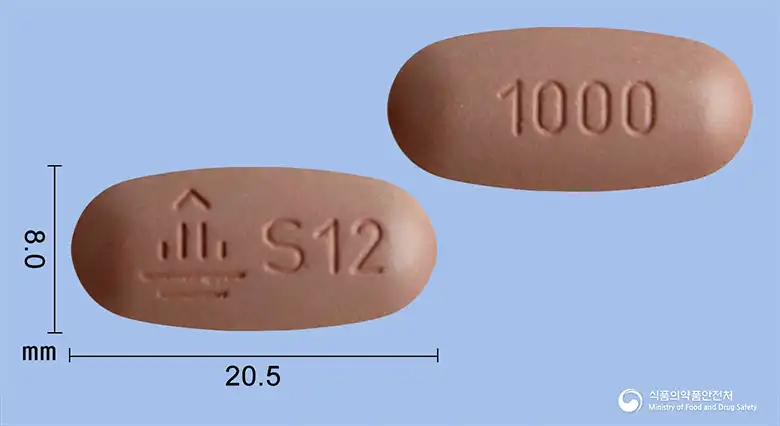
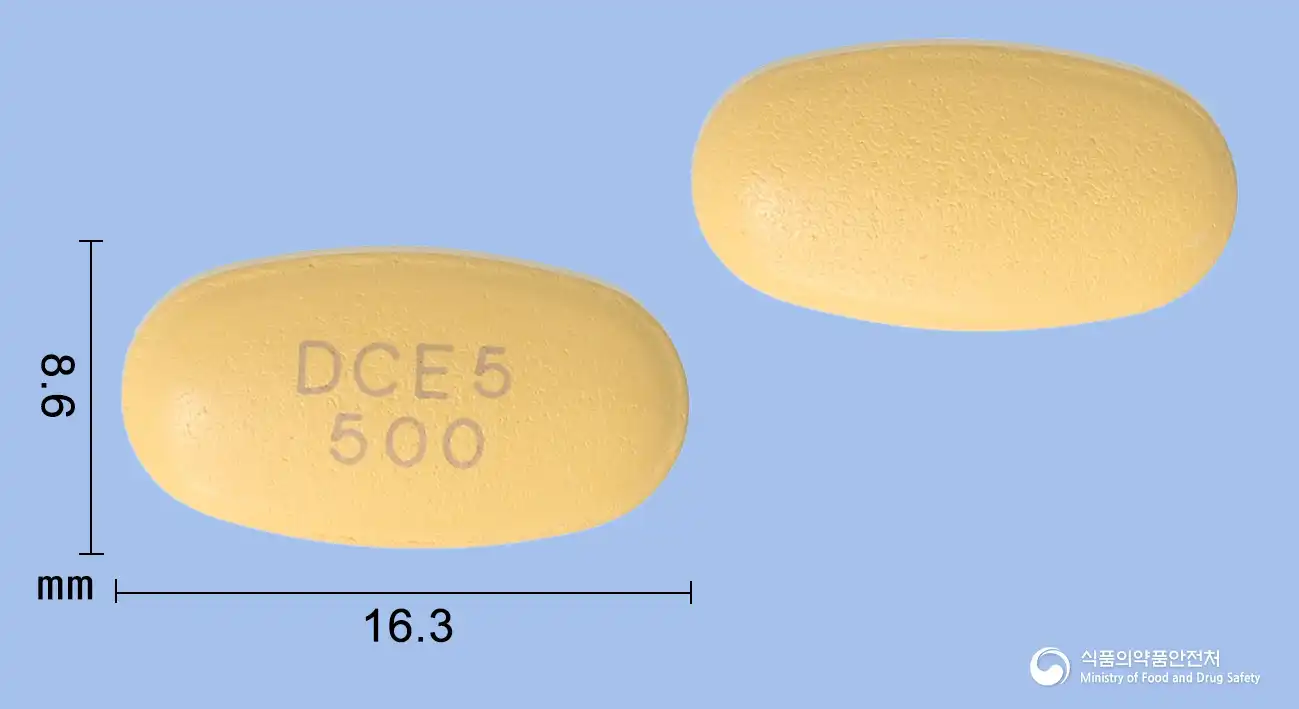
Biconvex oval film-coated tablet with a light brownish purple hue.
Packaging
60 tablets/box [(10 tablets/PTP x 6)], 10 tablets/box [(10 tablets/PTP x 1)], 60 tablets/bottle
Approval status
Active
MFDS item code 202302540 · Approved 2023.08.28
Summary
Main use
Blood glucose control in type 2 diabetes and prevention of cardiovascular events.
Who takes it
Adults
Adult dose
The recommended dosage of this medication is 1 tablet, twice a day. The dosage should not exceed a maximum of 25 mg of empagliflozin and 2000 mg of metformin.
For patients with insufficient blood glucose control using metformin alone or in combination with other medications, it is recommended to use 5 mg of empagliflozin twice daily along with the existing metformin dosage.
If tolerance is good, it may be increased to 10 mg to 25 mg of empagliflozin.
Blood glucose control in type 2 diabetes and prevention of cardiovascular events.
Poor blood glucose control
type 2 diabetes
cardiovascular disease
View approved original textHide original text
This medication is used to improve blood glucose control in adults with type 2 diabetes when used in conjunction with diet and exercise. It is particularly effective in patients whose blood glucose is not sufficiently controlled, and should be administered with reference to specialist guidance if cardiovascular disease is present. Therefore, this medication is used to aid in diabetes treatment and improve blood glucose management.
How to take
Adult dose
The recommended dosage of this medication is 1 tablet, twice a day. The dosage should not exceed a maximum of 25 mg of empagliflozin and 2000 mg of metformin.
For patients with insufficient blood glucose control using metformin alone or in combination with other medications, it is recommended to use 5 mg of empagliflozin twice daily along with the existing metformin dosage.
If tolerance is good, it may be increased to 10 mg to 25 mg of empagliflozin.
Precautions
This medication is composed of two ingredients that aid in blood glucose control.
During the use of this medication, there may be a rare side effect called severe lactic acidosis, so attention to symptoms is necessary.
Especially, when taken concurrently with insulin or sulfonylurea medications, hypoglycemia may occur, so caution is required.
This medication should not be administered to patients with moderate to severe renal impairment, nor should it be used in cases of acute kidney problems or serious infections.
Additionally, it should not be administered to patients with type 1 diabetes, diabetic ketoacidosis, or acute and unstable heart failure.
Before and after examinations using iodine contrast agents, administration of this medication should be temporarily suspended, and it should be resumed only after confirming normal renal function.
It is also safer for women who are pregnant or breastfeeding to avoid using this medication.
Regular monitoring of renal function should be conducted before and during treatment, especially in elderly patients or those with slight renal impairment, as increased caution is necessary.
Adverse effects such as gastrointestinal disturbances, urinary tract infections, reproductive infections, hypoglycemia, increased urination, etc., may occur; therefore, if any unusual symptoms occur, immediate consultation with a physician is advised.
Alcohol consumption may increase the risk of lactic acidosis, so it is advised to avoid it during treatment.
If surgery is planned or an acute illness arises, one should consult with a physician regarding the temporary cessation of medication use.
This medication may increase the risk of hypoglycemia, so dosage adjustments may be needed when used with insulin or other blood glucose-lowering agents.
Furthermore, patients at risk of fluid loss or dehydration should be closely monitored for hydration status and blood pressure during treatment.
During the use of this medication, it is important to regularly check liver function, renal function, and vitamin B12 levels through blood tests.
It is not recommended for children or adolescents under 18 years of age, as safety and efficacy have not been established.
In case of overdose, one should immediately visit the hospital for appropriate treatment, and particularly, if symptoms of lactic acidosis appear, immediate emergency treatment is required.
This medication should be stored out of reach of children, and it is important to keep it in its original container to maintain quality.
Side effects and when to seek care immediately
Serious side effects
Hives, severe swelling (angioedema), chest tightness, difficulty breathing, cold sweat, pallor, severe rash with fever, blisters, skin peeling, pain in oral/eye mucosa, shortness of breath or breathing difficulty, asthma attack, cough + abnormal breathing with fever, yellowing of skin or eyes (jaundice), extreme lethargy, sudden and severe headache, thunderclap headache, seizures, confusion, visual disturbances, paralysis.
Mild side effects
Hypoglycemia
urinary tract infection
reproductive infection
increased urination
nausea
vomiting
diarrhea
abdominal pain
loss of appetite
abnormal liver function tests
Show 20 moreCollapse
hepatitis
altered taste
itching
rash
hives
erythema
angioedema
difficulty urinating
thirst
increased serum lipids
increased serum creatinine
decreased glomerular filtration rate
increased hematocrit
decreased fluid volume
dehydration
hypotension
decreased blood volume
orthostatic hypotension
fainting
decreased vitamin B12 absorption.
Not everyone experiences these, and they can vary from person to person.
Storage
This medication may be sensitive to air or moisture, so it must be stored in a tightly sealed container. It is advisable to maintain a storage temperature between 1 and 30 degrees Celsius. Proper storage will help maintain the effectiveness of the medication for a long time.
Appearance and packaging
Appearance
Biconvex oval film-coated tablet with a light brownish purple hue.
Package unit
60 tablets/box [(10 tablets/PTP x 6)], 10 tablets/box [(10 tablets/PTP x 1)], 60 tablets/bottle
Same-ingredient medicines
Even with the same ingredient, strength, dosage form and how it is taken can differ.
Even with the same ingredient, the dose and directions can differ by strength and dosage form. Talk to a doctor or pharmacist before switching from a medication you are already taking.
Questions about this medicine
No questions yet.
For anything that needs medical judgment, consult a doctor or pharmacist.
This drug information is based on data provided by the Korea Ministry of Food and Drug Safety. Consult a doctor or pharmacist for accurate dosage, administration, and usage instructions.

 한국어
한국어 English
 日本語
日本語 中文(简体)