
 한국어
한국어 English
 日本語
日本語 中文(简体)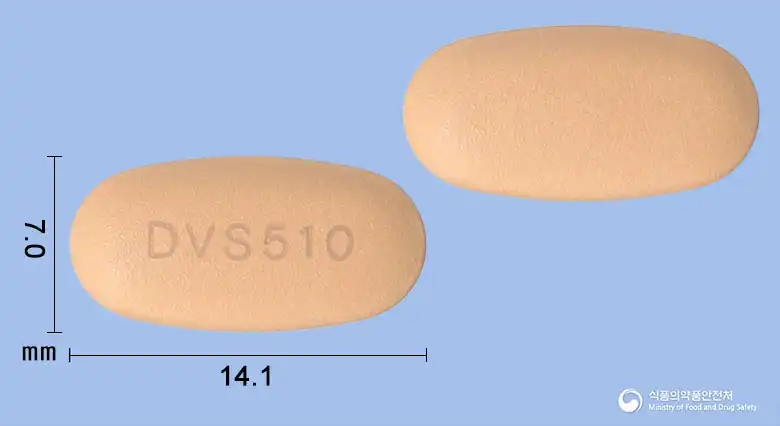
Summary
- Main use
- Improvement of blood sugar control in adults with Type 2 diabetes
- Who uses it
- Adults
- Adult dosage
- This medication is administered as 1 tablet containing 0.5 mg of Rosiglitazone Maleate and 100 mg of Sitagliptin once daily, regardless of meals.
Ingredients
- Manufacturer
- (주)종근당
Efficacy & effects
Improvement of blood sugar control in adults with Type 2 diabetes
View approved original textHide original text
This medication is used to improve blood sugar control in adults with Type 2 diabetes by supporting diet and exercise. Rosiglitazone and Sitagliptin work together to effectively lower blood sugar, aiding in the treatment of diabetes.
Dosage and Administration
Adult dosage
This medication is administered as 1 tablet containing 0.5 mg of Rosiglitazone Maleate and 100 mg of Sitagliptin once daily, regardless of meals.
Precautions
This medication may cause or worsen congestive heart failure in patients with weakened cardiac function, so it should be used under the supervision of a physician. After administration, patients should be closely monitored for symptoms of heart failure, such as sudden weight gain, difficulty breathing, or swelling. If symptoms of heart failure arise, the patient's condition should be assessed through echocardiography, chest X-ray, or ECG, and appropriate treatment should be received. If necessary, discontinuation of the medication can be considered. It is recommended not to use this medication in patients with severe heart failure or symptomatic heart failure. This medication may cause fluid retention which can worsen heart failure; therefore, patients should consult a doctor if symptoms such as swelling or shortness of breath occur. Additionally, this medication may cause hypersensitivity reactions in some patients, so if symptoms like rash, hives, or breathing difficulties occur, use should be discontinued immediately and medical attention sought. Pancreatitis may develop while taking this medication; if symptoms such as abdominal pain, vomiting, or loss of appetite occur, the patient should inform their doctor immediately. This medication should not be used in patients with severely impaired liver or kidney function, severe heart failure, or diabetic ketoacidosis. Women before menopause should be aware that this medication may promote ovulation, increasing the risk of pregnancy, and appropriate contraceptive methods should be utilized. During treatment with this medication, regular blood tests, liver function tests, and ophthalmic examinations should be conducted, and if any abnormal symptoms appear, the patient should inform their doctor immediately. If rapid weight gain, swelling, or difficulty breathing occurs during treatment, a medical examination should be sought. When administering this medication to elderly patients, routine evaluation of kidney function and careful observation of the patient's condition should be performed. In cases of overdose, general symptomatic treatment should be applied, and, if necessary, treatments such as hemodialysis may be considered. Store out of reach of children and avoid transferring to other containers as this may affect the quality of the medication.
Side effects and when to seek care immediately
Serious side effects
Hives, severe swelling (edema), chest tightness, difficulty breathing, cold sweat, pallor, severe rash with high fever, blisters, painful mucous membranes of the mouth/eyes, severe allergic reaction, severe skin adverse reactions, asthma attack, breathing abnormalities with cough and fever, yellowing of skin or eyes (jaundice), extreme lethargy, liver dysfunction (jaundice), sudden and severe headache, thunderclap headache, seizures, and
Mild side effects
- Headache
- dyspepsia
- upper abdominal pain
- cataracts
- tinnitus
- constipation
- diarrhea
- itching
- osteoarthritis
- myalgia
Show 24 moreCollapse
- hyperlipidemia
- dizziness
- sensory abnormalities
- diabetic retinopathy
- visual disturbances
- palpitations
- hypertension
- anemia
- herpes zoster
- breast discomfort
- vomiting
- gastrointestinal discomfort
- gastritis
- irritable bowel syndrome
- oral ulcer formation
- blood in stools
- epigastric discomfort
- loose stools
- erosive gastritis
- peritonitis
- esophagitis
- exacerbated dysphagia
- gastric ulcer
- oral ulcer formation
Not everyone experiences these, and they can vary from person to person.
Storage
This medication should be stored in a tightly sealed container to prevent air or moisture from entering and should be kept at a temperature between 1 degrees and 30 degrees Celsius. Proper storage will help maintain the effectiveness of the medication and prevent degradation.
Appearance and packaging
Appearance
Light orange, round, biconvex, film-coated tablet
Package unit
Bottle packaging - 30 tablets/bottle, Bottle packaging - 5 tablets/bottle
Questions about this medicine
No questions yet.
For anything that needs medical judgment, consult a doctor or pharmacist.