
 한국어
 English
 日本語
 中文(简体)
Summary
- Main use
- Improvement of glycemic control in adults with type 2 diabetes mellitus
- Who uses it
- Adults
- Adult dosage
- This medicine may be administered as 1 tablet once daily, regardless of meals, to patients with type 2 diabetes mellitus receiving lobeglitazone sulfate 0.5 mg and sitagliptin 100 mg. Assessment of renal function is recommended before starting this medicine and periodically thereafter. - No dose adjustment is necessary if the estimated glomerular filtration rate (eGFR) is 45 mL/min/1.73m2 or higher. - This medicine is not recommended if the estimated glomerular filtration rate (eGFR) is less than 45 mL/min/1.73 m2.
Ingredients
- Manufacturer
- Jongkundang Co., Ltd.
Efficacy & effects
Improvement of glycemic control in adults with type 2 diabetes mellitus
View approved original textHide original text
This medication is used to improve blood sugar control in adults with Type 2 diabetes by supporting diet and exercise. Rosiglitazone and Sitagliptin work together to effectively lower blood sugar, aiding in the treatment of diabetes.
Dosage and Administration
Adult dosage
This medicine may be administered as 1 tablet once daily, regardless of meals, to patients with type 2 diabetes mellitus receiving lobeglitazone sulfate 0.5 mg and sitagliptin 100 mg. Assessment of renal function is recommended before starting this medicine and periodically thereafter. - No dose adjustment is necessary if the estimated glomerular filtration rate (eGFR) is 45 mL/min/1.73m2 or higher. - This medicine is not recommended if the estimated glomerular filtration rate (eGFR) is less than 45 mL/min/1.73 m2.
Precautions
This medication may cause or worsen congestive heart failure in patients with weakened cardiac function, so it should be used under the supervision of a physician. After administration, patients should be closely monitored for symptoms of heart failure, such as sudden weight gain, difficulty breathing, or swelling. If symptoms of heart failure arise, the patient's condition should be assessed through echocardiography, chest X-ray, or ECG, and appropriate treatment should be received. If necessary, discontinuation of the medication can be considered. It is recommended not to use this medication in patients with severe heart failure or symptomatic heart failure. This medication may cause fluid retention which can worsen heart failure; therefore, patients should consult a doctor if symptoms such as swelling or shortness of breath occur. Additionally, this medication may cause hypersensitivity reactions in some patients, so if symptoms like rash, hives, or breathing difficulties occur, use should be discontinued immediately and medical attention sought. Pancreatitis may develop while taking this medication; if symptoms such as abdominal pain, vomiting, or loss of appetite occur, the patient should inform their doctor immediately. This medication should not be used in patients with severely impaired liver or kidney function, severe heart failure, or diabetic ketoacidosis. Women before menopause should be aware that this medication may promote ovulation, increasing the risk of pregnancy, and appropriate contraceptive methods should be utilized. During treatment with this medication, regular blood tests, liver function tests, and ophthalmic examinations should be conducted, and if any abnormal symptoms appear, the patient should inform their doctor immediately. If rapid weight gain, swelling, or difficulty breathing occurs during treatment, a medical examination should be sought. When administering this medication to elderly patients, routine evaluation of kidney function and careful observation of the patient's condition should be performed. In cases of overdose, general symptomatic treatment should be applied, and, if necessary, treatments such as hemodialysis may be considered. Store out of reach of children and avoid transferring to other containers as this may affect the quality of the medication.
Side effects
- Congestive heart failure
- excessive and rapid weight change
- shortness of breath
- edema
- severe hypersensitivity reactions
- anaphylaxis
- angioedema
- Stevens-Johnson syndrome
- acute pancreatitis
- nasopharyngitis
Show 191 moreCollapse
- headache
- dyspepsia
- upper abdominal pain
- edema
- tinnitus
- ligament sprain
- hyperlipidemia
- cataract
- constipation
- chronic gastritis
- gastroesophageal reflux disease
- diabetic retinopathy
- hyperglycemia
- palpitations
- anemia
- herpes zoster
- breast discomfort
- dizziness
- cold
- upper respiratory tract infection
- cough
- hematuria
- ALT elevation
- AST elevation
- fatty liver
- paresthesia
- visual disturbances
- surgical intervention
- intervertebral disc disease
- hypertension
- osteoarthritis
- myalgia
- fracture
- arthralgia
- weight gain
- neck/shoulder pain
- ligament injuries
- tinnitus
- insomnia
- atherosclerosis
- vomiting
- gastrointestinal discomfort
- gastroenteritis
- irritable bowel syndrome
- oral ulcer formation
- blood in stool
- epigastric discomfort
- diarrhea
- erosive gastritis
- peritonitis
- esophagitis
- exacerbation of dysphagia
- gastric ulcer
- oral ulcer formation
- gingivitis
- appendicitis
- exacerbation of pancreatitis
- periodontitis
- hemorrhoids
- exacerbation of hemorrhoids
- toothache
- exacerbation of hypercholesterolemia
- increased fasting blood sugar level
- increased hemoglobin A1c
- vitamin D deficiency
- dyslipidemia
- increased low-density lipoprotein
- weight loss
- gout
- elevated blood cholesterol
- pelvic pain
- periorbital edema
- worsened edema
- syncope
- flank pain
- low back pain
- generalized edema
- generalized weakness
- leg edema
- inadequate effect
- acute respiratory distress syndrome
- bronchitis
- chronic obstructive pulmonary disease
- chronic laryngitis
- throat infection
- atelectasis
- sinusitis
- shortness of breath
- exacerbation of asthma
- epistaxis
- shortness of breath
- pulmonary edema
- epiglottitis
- polyneuropathy
- cognitive impairment
- skin tingling
- brainstem infarction
- eye twitching
- leg cramps
- simple partial seizure
- peripheral sensory neuropathy
- speech disorder
- exacerbation of dizziness
- spinal stenosis
- cystitis
- nocturia
- increased serum creatinine
- dysuria
- frequent urination
- nephrotic syndrome
- ureteral stones
- urinary tract infection
- rib fractures
- shoulder girdle syndrome
- osteoporotic fractures
- pelvic fractures
- joint abnormalities
- joint pain
- costochondritis
- leg fractures
- mandibular dysfunction
- elbow deformity
- tinea corporis
- keratosis
- psoriasis
- exacerbation of psoriasis
- acute urticaria
- onychomycosis
- trichosis
- fungal infections of the nails
- alopecia
- skin nodules
- skin exfoliation
- dermatosis
- erythematous rash
- corneal deposits
- conjunctivitis
- ocular hypertension
- canaliculitis
- chorioretinal disorders
- exacerbation of cataracts
- decreased vision
- ocular infections
- kidney cancer
- gallbladder carcinoma
- gastric carcinoma
- breast cancer
- ovarian cyst
- polycythemia
- lung cancer
- erectile dysfunction
- anxiety reactions
- depression
- depressed mood
- mental disorders
- confusion
- skin tearing
- knee arthroplasty
- intervertebral disc herniation
- dry eye syndrome
- toxocariasis
- genital molluscum contagiosum
- vaginal candidiasis
- increased TSH
- hyperthyroidism
- sialadenitis
- vaginitis
- cervical dysplasia
- menopausal symptoms
- intermittent claudication
- subdural hematoma
- aortic atherosclerosis
- gallstones
- cholangitis
- coronary artery disease
- coronary occlusion
- male perineal pain
- atrial fibrillation
- ventricular ectopy
- cerebral aneurysm
- discoid lupus erythematosus
- bruising
- hypoglycemia
- rhabdomyolysis
- vesicular pemphigoid
- myalgia
- limb pain
- back pain
- interstitial lung disease
- pruritus
- thrombocytopenia
Not everyone experiences these, and they can vary from person to person.
Storage
This medication should be stored in a tightly sealed container to prevent air or moisture from entering and should be kept at a temperature between 1 degrees and 30 degrees Celsius. Proper storage will help maintain the effectiveness of the medication and prevent degradation.
Appearance and packaging
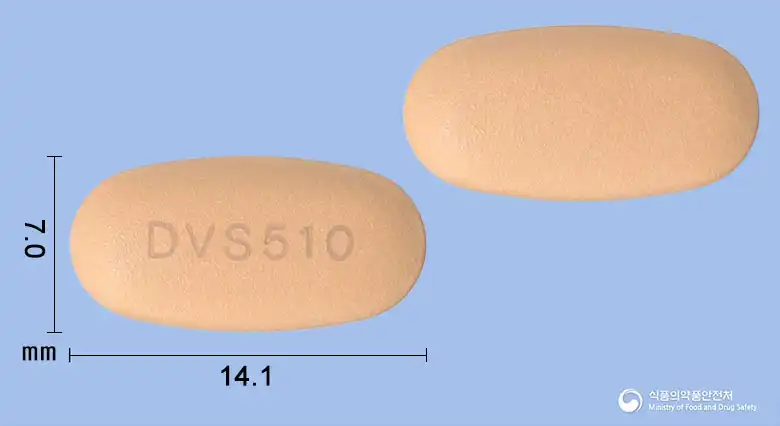
Appearance
Light orange, round, biconvex, film-coated tablet
Package unit
Bottle packaging - 30 tablets/bottle, Bottle packaging - 5 tablets/bottle
Questions about this medicine
No questions yet.
For anything that needs medical judgment, consult a doctor or pharmacist.