
 한국어
 English
 日本語
 中文(简体)
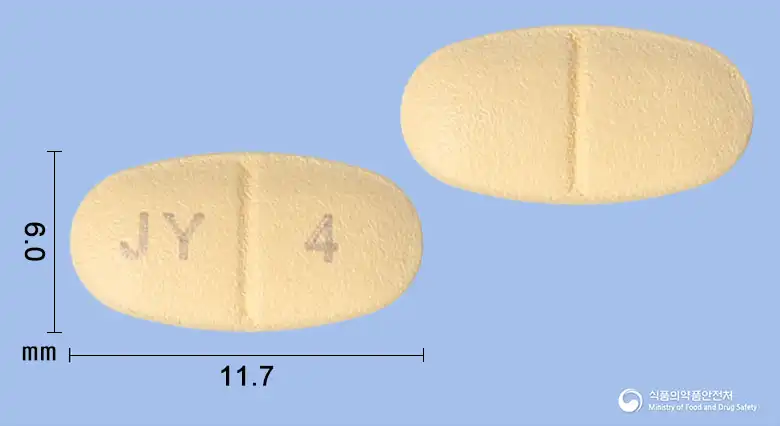 Viewing nowCombination
Dapaglinzi 10/4 mg
Dapagliflozin Propanediol Hydrate 12.3mg · Glimepiride 4mg
Tablet · Prescription medication · Combination
Jinyang Pharmaceutical Co., Ltd.
MFDS item code 202300664 · Approved 2023.02.22 · Insurance code 650304470
Improvement of glycemic control in patients with type 2 diabetes mellitus
This medication is used to improve blood sugar control in patients with type 2 diabetes when combined with dietary management and exercise. The combination of glimepiride and dapagliflozin helps achieve more effective blood sugar control.
This drug may be administered as 1 tablet (10mg/4mg as dapagliflozin/glimepiride) once daily immediately before breakfast or before the first meal to patients receiving glimepiride 4 mg and dapagliflozin 10 mg. It is very important not to skip a meal after taking this drug. Patients who require a reduction in glimepiride should take the individual components as separate preparations. The tablet should be swallowed whole. While taking this drug, blood glucose levels should be measured regularly, and regular measurement of glycated hemoglobin (HbA1c) levels is also recommended. The risk of hypoglycemia may increase during treatment with this drug. The risk may be greater, particularly when accompanied by weight loss, lifestyle changes, or other factors that may increase the risk of changes in blood glucose. Hypoglycemia can generally be promptly corrected by immediate intake of sugar; however, it may recur despite successful initial management. Therefore, patients should be carefully monitored during treatment with this drug. Severe hypoglycemia requires immediate medical treatment and follow-up, and sometimes hospitalization (see Precautions for Use). Special populations 1) Patients with renal impairment: The efficacy of dapagliflozin, an active ingredient in this drug, depends on renal function, and patients with renal impairment may be more sensitive to the glucose-lowering effect of glimepiride. Therefore, renal function should be assessed before starting treatment with this drug, and renal function and changes in blood glucose should be closely monitored after treatment is initiated. Administration of this drug to improve glycemic control is not recommended in patients with an estimated glomerular filtration rate (eGFR) below 45 mL/min/1.73m2, and this drug should not be administered to patients with severe renal impairment or worse (see Precautions for Use, 1. Contraindications and 2. Patients Requiring Caution). 2) Patients with hepatic impairment: Carefully monitor patients with hepatic impairment when starting treatment with this drug. Do not administer this drug to patients with severe hepatic impairment (see Precautions for Use, 1. Contraindications and Patients Requiring Caution).
This medication should not be administered to certain patients. Firstly, patients with allergy to the main ingredients or excipients of this medication, or to sulfonylurea drugs should not take this medication. Furthermore, patients with type 1 diabetes, history of diabetic ketoacidosis, or diabetic coma should also not use this medication. As this medication contains anhydrous lactose, it should not be prescribed to patients with genetic disorders such as lactose intolerance, lactose enzyme deficiency, or glucose-galactose malabsorption. Patients with severe renal function or liver function impairment, pregnant women, or women who may become pregnant should not take this medication. Patients with severe infections, before or after surgery, or with severe trauma should prioritize insulin therapy and this medication should be used with caution. Patients with gastrointestinal disorders such as diarrhea or vomiting may have a risk of hypoglycemia due to impaired food absorption, so caution is needed. Dialysis patients should also avoid this medication. When using this medication, special care should be taken with patients whose kidney function or fluid volume is reduced. This medication can cause a drop in blood pressure or worsen kidney function, so patients with impaired kidney function, the elderly, or those taking diuretics should be thoroughly assessed before administration and their blood pressure and kidney function should be continuously monitored afterward. In patients whose kidney function is moderately impaired or worse, the blood sugar control effect may be diminished, so the decision to administer should be made carefully. In addition, when taking this medication along with sulfonylurea drugs, particularly at the beginning of treatment, the risk of hypoglycemia increases, thus blood sugar should be checked frequently. Elderly patients, those who are malnourished or have irregular meal intake, those who engage in excessive exercise, and those who consume alcohol should be especially cautious. If symptoms of hypoglycemia appear, sugar should be ingested immediately and if symptoms are severe, medical consultation should be sought. Common side effects of this medication include genital infections and urinary tract infections. Genital infections may occur more frequently in women, so treatment should be sought immediately if symptoms of infection appear. Hypoglycemia, decreased fluid volume, dizziness, dry mouth, dysuria, nocturia, increased hematocrit, elevated serum creatinine, dyslipidemia, weight loss, itching, cold sweats, hair loss, dermatitis, dry skin, allergic dermatitis, contact dermatitis, diabetic foot ulcers, abnormal sweating, eczema, coin dermatitis, and hyperkeratosis, and dermal lesions, flank pain, fibromyalgia have also been reported. This medication can potentially cause diabetic ketoacidosis, a serious metabolic condition, so if symptoms such as nausea, vomiting, abdominal pain, difficulty breathing, or fatigue occur, healthcare professionals should be notified immediately. Ketoacidosis can occur even if blood sugar levels are not high, so caution is required. Pregnant or breastfeeding women should not use this medication, and if pregnancy is planned, alternative treatments should be considered after discussing with a healthcare provider. The safety and efficacy for children and adolescents under 18 years of age have not been established, so it is not used in these populations. Elderly patients are at higher risk of decreased kidney function, so careful attention should be paid to dosage adjustments and monitoring of kidney function. In case of overdose, symptoms such as hypoglycemia, dehydration, and hypotension may occur, and immediate medical attention is needed. If hypoglycemia is severe, emergency treatment such as intravenous glucose may be necessary. During the use of this medication, be aware of symptoms of hypoglycemia and take care when driving or operating machinery. Keep the medication out of reach of children and store it in its original container.
Vulvovaginitis, balanitis and related genital infections, urinary tract infections, fungal infections, perineal necrosis, hypoglycemia, decreased fluid volume, thirst, diabetic ketoacidosis, dizziness, constipation, dry mouth, back pain, dysuria, polyuria, nocturia, interstitial nephritis, vulvar itching, genital itching, elevated hematocrit, decreased renal creatinine clearance at the beginning of treatment, dyslipidemia, increased serum creatinine at the beginning of treatment, elevated blood urea, weight loss, rash, urosepsis, pyelonephritis, acute kidney injury, renal dysfunction, chest pain, weakness, pain, keratitis, chronic obstructive pulmonary disease, hemoptysis, cerebral hemorrhage, peripheral artery occlusion, angina, myocardial infarction, biliary stones, cholangitis, alcoholic cirrhosis, depression, suicide attempt, gastric adenocarcinoma, anaphylactic reaction, food allergy, erythrocytosis, acute pyelonephritis, chest pain, dyspepsia, nausea, diarrhea, vomiting, urinary retention, abnormal urination, increased alanine aminotransferase, increased aspartate aminotransferase, decreased appetite, insomnia, headache, sensory loss, paresthesia, nasopharyngitis, upper respiratory infection, chest discomfort, peripheral edema, generalized edema, hunger, vaginal discharge, menstrual irregularities, itching, hives, sweating, arthralgia, musculoskeletal pain, limb pain, muscular weakness, myalgia, osteoarthritis, ligament sprain, diabetic retinopathy, cough, dyspnea, orthostatic hypotension, palpitations, insomnia, fatty liver, gallbladder polyp, tinnitus, taste alteration, herpes simplex, edema, fever, foreign body sensation, facial edema, facial pain, warmth, flu-like symptoms, breast lump, erectile dysfunction, benign prostatic hyperplasia, breast pain, genital rash, menorrhagia, genital edema, uterine bleeding, vaginal bleeding, discomfort in the vulva, hair loss, dermatitis, dry skin, allergic dermatitis, contact dermatitis, diabetic foot ulcer, atypical sweating eczema, nummular eczema, eczema, hyperkeratosis, nail pigmentation, skin lesions, increased appetite, drowsiness, tension headache, carpal tunnel syndrome, diabetic neuropathy, unconsciousness, nerve compression, neuralgia, peripheral neuropathy, sleep disorders, syncope, tremor, bronchitis, shingles, sinusitis, tonsillitis, diverticulitis, pelvic inflammatory disease, pericoronitis, pneumonia, pulmonary tuberculosis, rhinitis, onychomycosis, chest pain, fatigue, pain, edema, foreign body sensation, breast pain, menstrual irregularities, vaginal discharge, itching, hives, sweating, arthralgia, musculoskeletal pain, limb pain, muscular weakness, myalgia, osteoarthritis, ligament sprain, diabetic retinopathy, cough, dyspnea, orthostatic hypotension, palpitations, insomnia, fatty liver, gallbladder polyp, tinnitus, taste alteration, herpes simplex, edema, fever, foreign body sensation, facial edema, facial pain, warmth, flu-like symptoms, breast lump, erectile dysfunction, benign prostatic hyperplasia, breast pain, genital rash, menorrhagia, genital edema, uterine bleeding, vaginal bleeding, discomfort in the vulva, hair loss, dermatitis, dry skin, allergic dermatitis, contact dermatitis, diabetic foot ulcer, atypical sweating eczema, nummular eczema, eczema, hyperkeratosis, nail pigmentation, skin lesions, increased appetite, drowsiness, tension headache, carpal tunnel syndrome, diabetic neuropathy, unconsciousness, nerve compression, neuralgia, peripheral neuropathy, sleep disorders, syncope, tremor, bronchitis, shingles, sinusitis, tonsillitis, diverticulitis, pelvic inflammatory disease, pericoronitis, pneumonia, pulmonary tuberculosis, rhinitis, onychomycosis
Not everyone experiences these, and they can vary from person to person.
This medication should be stored in a tightly sealed container to protect it from air or moisture. It is best to maintain the storage temperature between 1 to 30 degrees Celsius at room temperature. Proper storage can help retain the drug's effectiveness for a long time.
Yellow oval film-coated tablets
Box - 28 tablets/box [(14 tablets/PTP x 2)], Bottle - 30 tablets/bottle, Bottle - 300 tablets/bottle, Bottle - 1000 tablets/bottle
Even with the same ingredient, strength, dosage form and how it is taken can differ.
Viewing nowCombinationDapagliflozin Propanediol Hydrate 12.3mg · Glimepiride 4mg
Tablet · Prescription medication · Combination
Jinyang Pharmaceutical Co., Ltd.
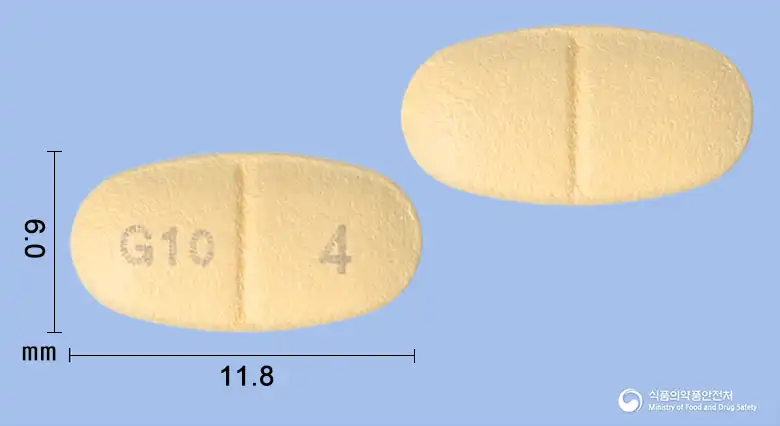 Combination
Dapagliflozin Propanediol Hydrate 12.3mg · Glimepiride 4mg
Tablet · Prescription medication · Combination
HyunDae Tech (Co., Ltd.)
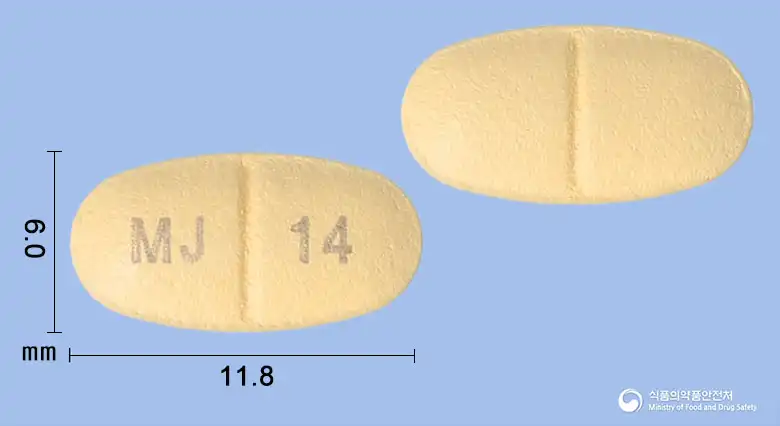 Combination
Dapagliflozin Propanediol Hydrate 12.3mg · Glimepiride 4mg
Tablet · Prescription medication · Combination
Mothers Pharmaceutical Co., Ltd.
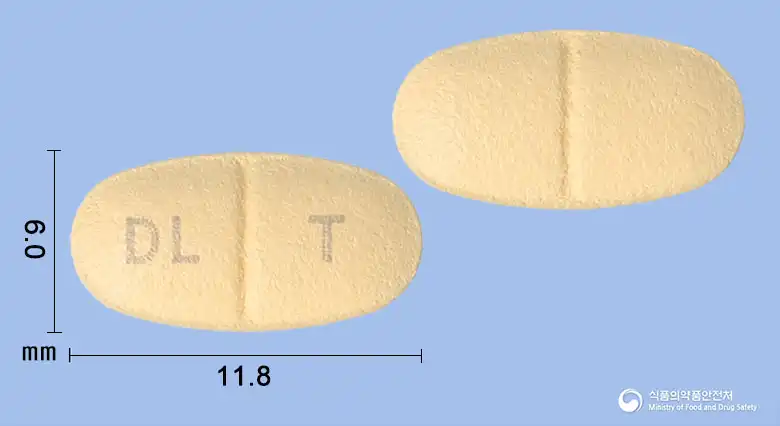 Combination
Dapagliflozin Propanediol Hydrate 12.3mg · Glimepiride 4mg
Tablet · Prescription medication · Combination
Kyungdong Pharmaceutical Co., Ltd.
Even with the same ingredient, the dose and directions can differ by strength and dosage form. Talk to a doctor or pharmacist before switching from a medication you are already taking.
No questions yet.
For anything that needs medical judgment, consult a doctor or pharmacist.
This drug information is based on data provided by the Korea Ministry of Food and Drug Safety.
Consult a doctor or pharmacist for accurate dosage, administration, and usage instructions.