
 한국어
한국어 English
 日本語
日本語 中文(简体)
 Viewing now
Esomezol-Dial Extended Release Capsule 10 mg (Esomeprazole Magnesium Trihydrate)
Esomeprazole Magnesium Trihydrate 5.5625mg
Hard capsule · Prescription medication
Hanmi Pharmaceutical Co., Ltd.
MFDS item code 202203716 · Approved 2022.09.30 · Insurance code 643508540
Improvement of acute and chronic gastritis gastric mucosal lesions
This medication is used to improve gastric mucosal lesions caused by acute and chronic gastritis.
1 capsule once, once a day taken orally. This medication can be taken regardless of meals. It should be swallowed with liquids such as water and should not be chewed or crushed. Patients who have difficulty swallowing capsules may open the capsule and take the contents mixed in half a cup of non-carbonated water. Other beverages should not be used as they may dissolve the enteric coating. After opening the capsule and placing the contents in water, it should be stirred and immediately swallowed without chewing, and the cup should be rinsed with half a cup of non-carbonated water and consumed again. The drug particles floating in water should not be chewed or crushed during consumption. 1. Adults: Take 1 capsule orally once a day. 2. Children under 12 years: There is no experience of administering this medication to children under 12 years of age. 3. Renal impairment: There is no need to adjust the dosage. Since there are not many cases of administration to patients with severe renal failure, it should be administered with caution. 4. Hepatic impairment: There is no need to adjust the dosage for patients with mild to moderate hepatic impairment. Administration should be done carefully for patients with severe hepatic impairment. 5. Elderly: There is no need to adjust the dosage.
There is no experience of administering this medication to children under 12 years of age.
This medication should not be administered to certain patients. Patients who are hypersensitive to this drug or its components, or who have a history of hypersensitivity to benzimidazole derivatives should not take it. Patients currently taking medications containing atazanavir, nelfinavir, or rilpivirine should not use this medication in combination. Women who are breastfeeding should not take this medication. When administering this medication, various adverse reactions may occur, hence caution is needed. Gastrointestinal disturbances may cause abdominal discomfort, bloating, and diarrhea. Neurological and systemic symptoms such as headache, dizziness, and pharyngitis may also occur. Rarely, serious side effects such as blood disorders, hypersensitivity reactions, hypomagnesemia, mental confusion, skin rashes, fractures, and liver dysfunction have been reported. Regular check-ups are required during long-term use, especially if taken for more than one year, as the risk of hypomagnesemia or fractures may increase. This medication suppresses gastric acid secretion, lowering the acidity in the stomach, which may slightly increase the risk of gastrointestinal bacterial infections. Additionally, symptoms of malignancy may be masked or diagnosis may be delayed, so careful evaluation is required in patients with suspicious symptoms among those with gastric ulcers. This medication may interact with various drugs, so if taking other medications, it is essential to consult a physician or pharmacist. Particularly, caution is needed when used in combination with warfarin, digoxin, methotrexate, clopidogrel, as there may be changes in blood concentration or risk of side effects. Data on the safety of this medication during pregnancy are limited, so it should be administered cautiously to pregnant women, and breastfeeding women should avoid taking it. In the event of overdose, there is no specific antidote, so treatment should be symptomatic and general supportive care should be implemented. This medication should be stored out of reach of children, and transferring it to another container is not advisable as it may affect quality.
Urticaria, angioedema, anaphylaxis, shock, urticaria, mucocutaneous syndrome, Stevens-Johnson syndrome, toxic epidermal necrolysis, Lyell's syndrome, acute generalized exanthematous pustulosis, drug reaction with eosinophilia and systemic symptoms (DRESS), jaundice, hepatitis, hepatic failure, subarachnoid hemorrhage, severe headache, seizures, altered consciousness, visual disturbances, paralysis, facial edema, severe edema, Clostridioides difficile-associated diarrhea
Not everyone experiences these, and they can vary from person to person.
This medication must be stored in a tightly closed container to protect it from air and moisture. It is recommended to maintain a storage temperature between 1 and 30 degrees Celsius.
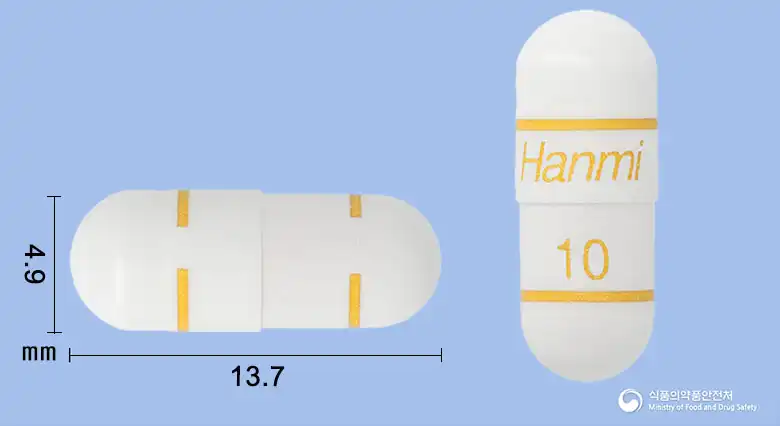
An extended-release hard capsule with a white or pale yellow tablet and a cloudy pink tablet, with a white upper and lower body.
30 capsules per bottle
Even with the same ingredient, strength, dosage form and how it is taken can differ.
Viewing nowEsomeprazole Magnesium Trihydrate 5.5625mg
Hard capsule · Prescription medication
Hanmi Pharmaceutical Co., Ltd.
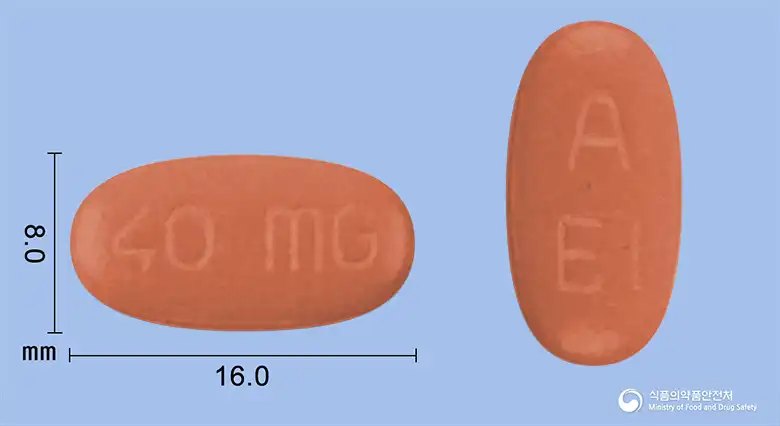
Esomeprazole Magnesium Trihydrate 44.5mg
Tablet · Prescription medication
AstraZeneca Korea Co., Ltd.
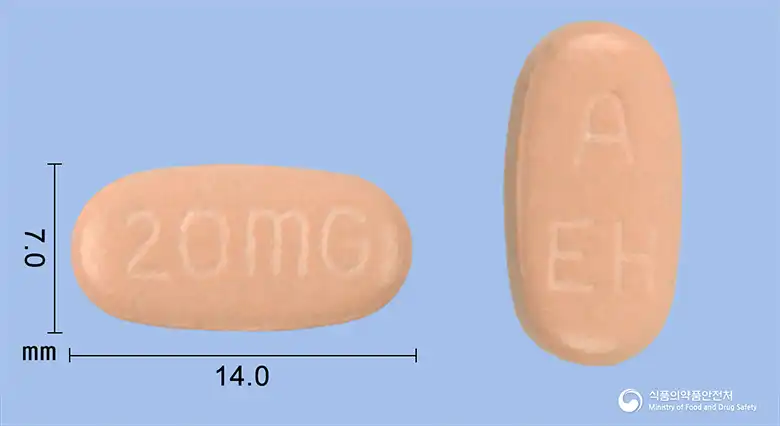
Esomeprazole Magnesium Trihydrate 22.3mg
Tablet · Prescription medication
AstraZeneca Korea Co., Ltd.

Esomeprazole Magnesium Trihydrate 22.3mg
Tablet · Prescription medication
Daewon Pharmaceutical Co., Ltd.

Esomeprazole Magnesium Trihydrate 44.5mg
Tablet · Prescription medication
Daewon Pharmaceutical Co., Ltd.
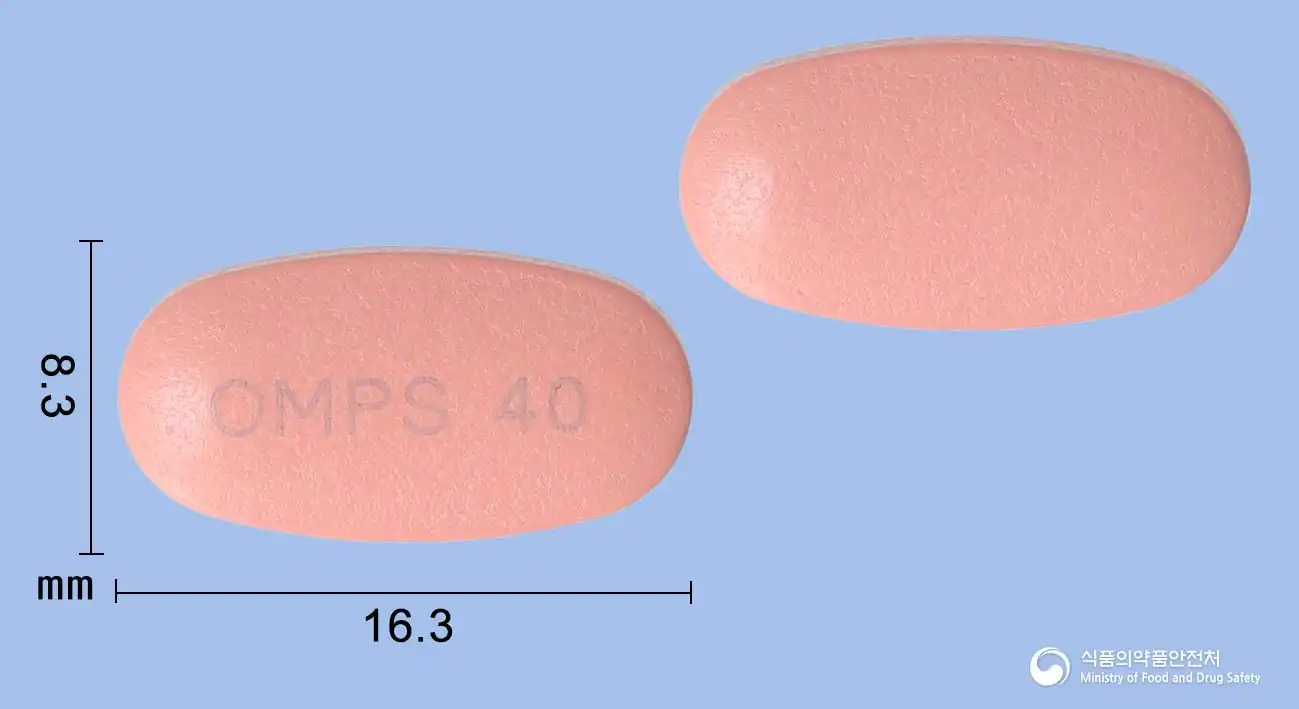
Esomeprazole Magnesium Dihydrate 43.38mg
Tablet · Prescription medication
Jongkundang Co., Ltd.
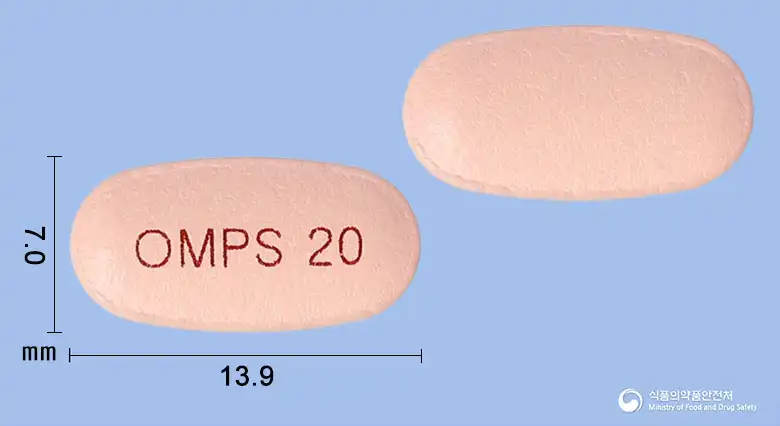
Esomeprazole Magnesium Dihydrate 21.69mg
Tablet · Prescription medication
Chong Kun Dang Pharmaceutical Corp.

Esomeprazole Magnesium Trihydrate 22.3mg
Tablet · Prescription medication
Samjin Pharmaceutical Co., Ltd.
Even with the same ingredient, the dose and directions can differ by strength and dosage form. Talk to a doctor or pharmacist before switching from a medication you are already taking.
No questions yet.
For anything that needs medical judgment, consult a doctor or pharmacist.
This drug information is based on data provided by the Korea Ministry of Food and Drug Safety.
Consult a doctor or pharmacist for accurate dosage, administration, and usage instructions.