
 한국어
 English
 日本語
 中文(简体)
 Viewing now
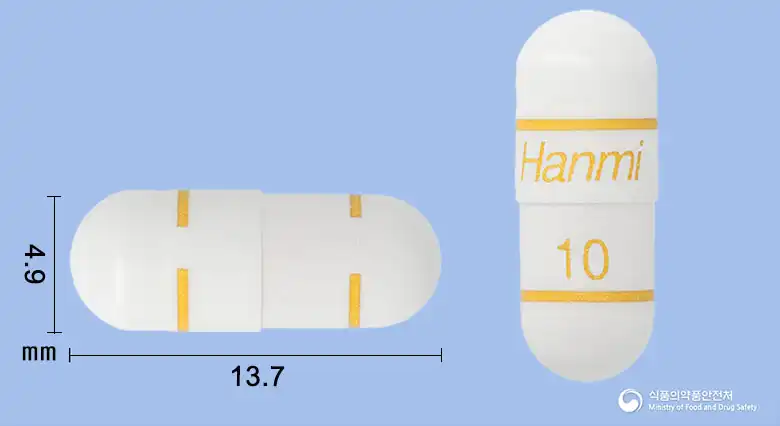
Esomezol-Dial Extended Release Capsule 10 mg (Esomeprazole Magnesium Trihydrate)
Esomeprazole Magnesium Trihydrate 5.5625mg
Hard capsule · Prescription medication
Hanmi Pharmaceutical Co., Ltd.
MFDS item code 202203716 · Approved 2022.09.30 · Insurance code 643508540
Improvement of gastric mucosal lesions in acute and chronic gastritis
This medication is used to improve gastric mucosal lesions caused by acute and chronic gastritis.
This medicine may be taken with or without food. Swallow this medicine with a liquid such as water. Do not chew or crush it. Patients who have difficulty swallowing capsules may open the capsule and take its contents with half a glass of still water. Do not use other beverages, as they may dissolve the enteric coating. Open the capsule, place the contents in water, and stir. Drink immediately without chewing. Rinse the cup with half a glass of still water and drink the rinse. Do not chew or crush the granules floating in the water while taking this medicine. 1. Adults : Administer 1 capsule orally once daily. 3. Renal impairment : No dose adjustment is necessary. Use with caution because there is limited experience administering this medicine to patients with severe renal impairment. 4. Hepatic impairment : No dose adjustment is necessary in patients with mild to moderate hepatic impairment. Use with caution in patients with severe hepatic impairment. 5. Older adults : No dose adjustment is necessary.
2. Children under 12 years of age : There is no experience with administering this medicine to children under 12 years of age.
This medication should not be administered to certain patients. Patients who are hypersensitive to this drug or its components, or who have a history of hypersensitivity to benzimidazole derivatives should not take it. Patients currently taking medications containing atazanavir, nelfinavir, or rilpivirine should not use this medication in combination. Women who are breastfeeding should not take this medication. When administering this medication, various adverse reactions may occur, hence caution is needed. Gastrointestinal disturbances may cause abdominal discomfort, bloating, and diarrhea. Neurological and systemic symptoms such as headache, dizziness, and pharyngitis may also occur. Rarely, serious side effects such as blood disorders, hypersensitivity reactions, hypomagnesemia, mental confusion, skin rashes, fractures, and liver dysfunction have been reported. Regular check-ups are required during long-term use, especially if taken for more than one year, as the risk of hypomagnesemia or fractures may increase. This medication suppresses gastric acid secretion, lowering the acidity in the stomach, which may slightly increase the risk of gastrointestinal bacterial infections. Additionally, symptoms of malignancy may be masked or diagnosis may be delayed, so careful evaluation is required in patients with suspicious symptoms among those with gastric ulcers. This medication may interact with various drugs, so if taking other medications, it is essential to consult a physician or pharmacist. Particularly, caution is needed when used in combination with warfarin, digoxin, methotrexate, clopidogrel, as there may be changes in blood concentration or risk of side effects. Data on the safety of this medication during pregnancy are limited, so it should be administered cautiously to pregnant women, and breastfeeding women should avoid taking it. In the event of overdose, there is no specific antidote, so treatment should be symptomatic and general supportive care should be implemented. This medication should be stored out of reach of children, and transferring it to another container is not advisable as it may affect quality.
Abdominal discomfort, abdominal distension, diarrhea, chest pain, pharyngitis, dizziness, headache, subarachnoid hemorrhage, oropharyngeal pain, leukopenia, thrombocytopenia, agranulocytosis, pancytopenia, fever, angioedema, anaphylactic reaction, peripheral edema, hyponatremia, hypomagnesemia, insomnia, anxiety, mental confusion, depression, aggressiveness, hallucinations, dizziness, altered perception, drowsiness, taste disorder, blurred vision, dizziness, bronchospasm, pancreatitis, abdominal pain, constipation, diarrhea, abdominal bloating, nausea, vomiting, dry mouth, stomatitis, gastrointestinal candidiasis, microscopic colitis, elevated liver enzymes, jaundice, hepatitis, liver failure, encephalopathy, dermatitis, itching, rash, urticaria, alopecia, photosensitivity, erythema multiforme, mucous membrane syndrome, toxic epidermal necrolysis, acute generalized pustular psoriasiform drug reaction, eosinophilia with systemic symptoms drug response, fracture, arthralgia, myalgia, muscle weakness, interstitial nephritis, gynecomastia, asthenia, increased sweating, Clostridium difficile-associated diarrhea, allergic reaction, back pain, chest pain, substernal chest pain, facial edema, facial flushing, fatigue, fever, influenza-like disorder, generalized edema, leg edema, malaise, pain, rigidity, asthenia, peripheral edema, flushing, hypertension, tachycardia, goiter, irritable bowel syndrome, constipation exacerbation, dyspepsia, dysphagia, gastrointestinal motility disorder, upper abdominal pain, belching, esophageal disorder, frequent bowel movements, gastroenteritis, gastrointestinal bleeding, hiccups, melena, oral disorders, pharyngeal disorders, rectal disorders, gastrointestinal symptoms, elevated serum gastrin, tongue disorders, tongue edema, ulcerative stomatitis, vomiting, earache, tinnitus, anemia, hypochromic anemia, cervical lymphadenopathy, epistaxis, leukocytosis, leukopenia, thrombocytopenia, hyperbilirubinemia, abnormal liver function, increased ALT, increased AST, diabetes, hyperuricemia, hyponatremia, increased ALP, thirst, vitamin B12 deficiency, weight gain, weight loss, exacerbation of arthritis, arthropathy, convulsions, fibromyalgia syndrome, hernia, rheumatic polymyalgia, arthralgia, anorexia, apathy, increased appetite, confusion, worsening depression, hypertonicity, anxiety, sensory reduction, erectile dysfunction, insomnia, migraine, worsening migraine, sleep disorders, tremors, dizziness, visual field loss, altered perception, drowsiness, dysmenorrhea, menstrual disorders, vaginitis, exacerbation of asthma, cough, dyspnea, laryngeal edema, pharyngitis, rhinitis, sinusitis, acne, anal itching, rash, erythematous rash, papular rash, angioedema, dermatitis, itching, urticaria, increased sweating, otitis media, altered sense of smell, taste loss, taste distortion, abnormal urination, albuminuria, cystitis, dysuria, fungal infection, hematuria, urinary frequency, candidiasis, genital candidiasis, polyuria, conjunctivitis, visual disturbances, duodenitis, esophagitis, esophageal stricture, esophageal ulcer, esophageal varices, gastric ulcer, gastritis, benign polyp or nodule, Barrett's esophagus, mucosal discoloration, hernia, systemic lupus erythematosus, cutaneous lupus erythematosus, hypocalcemia, hypokalemia, rhabdomyolysis, myalgia, asthenia
Not everyone experiences these, and they can vary from person to person.
This medication must be stored in a tightly closed container to protect it from air and moisture. It is recommended to maintain a storage temperature between 1 and 30 degrees Celsius.
An extended-release hard capsule with a white or pale yellow tablet and a cloudy pink tablet, with a white upper and lower body.
30 capsules per bottle
Even with the same ingredient, strength, dosage form and how it is taken can differ.
Viewing nowEsomeprazole Magnesium Trihydrate 5.5625mg
Hard capsule · Prescription medication
Hanmi Pharmaceutical Co., Ltd.
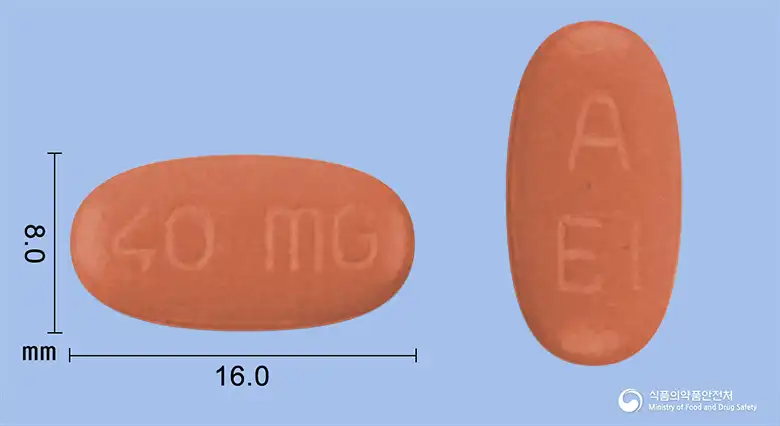
Esomeprazole Magnesium Trihydrate 44.5mg
Tablet · Prescription medication
AstraZeneca Korea Co., Ltd.
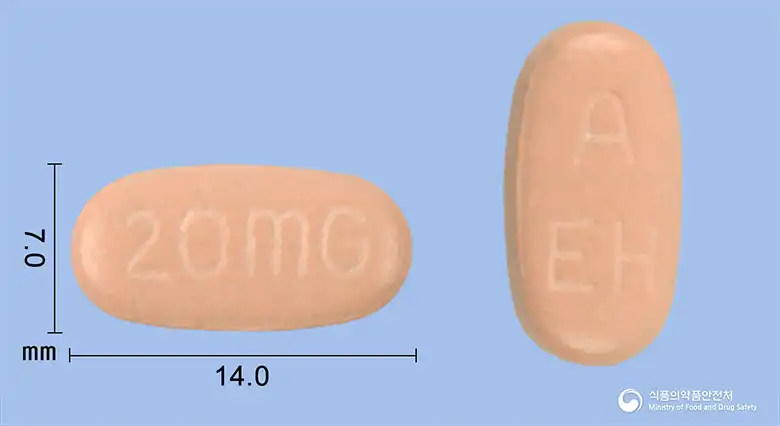
Esomeprazole Magnesium Trihydrate 22.3mg
Tablet · Prescription medication
AstraZeneca Korea Co., Ltd.

Esomeprazole Magnesium Trihydrate 22.3mg
Tablet · Prescription medication
Daewon Pharmaceutical Co., Ltd.

Esomeprazole Magnesium Trihydrate 44.5mg
Tablet · Prescription medication
Daewon Pharmaceutical Co., Ltd.
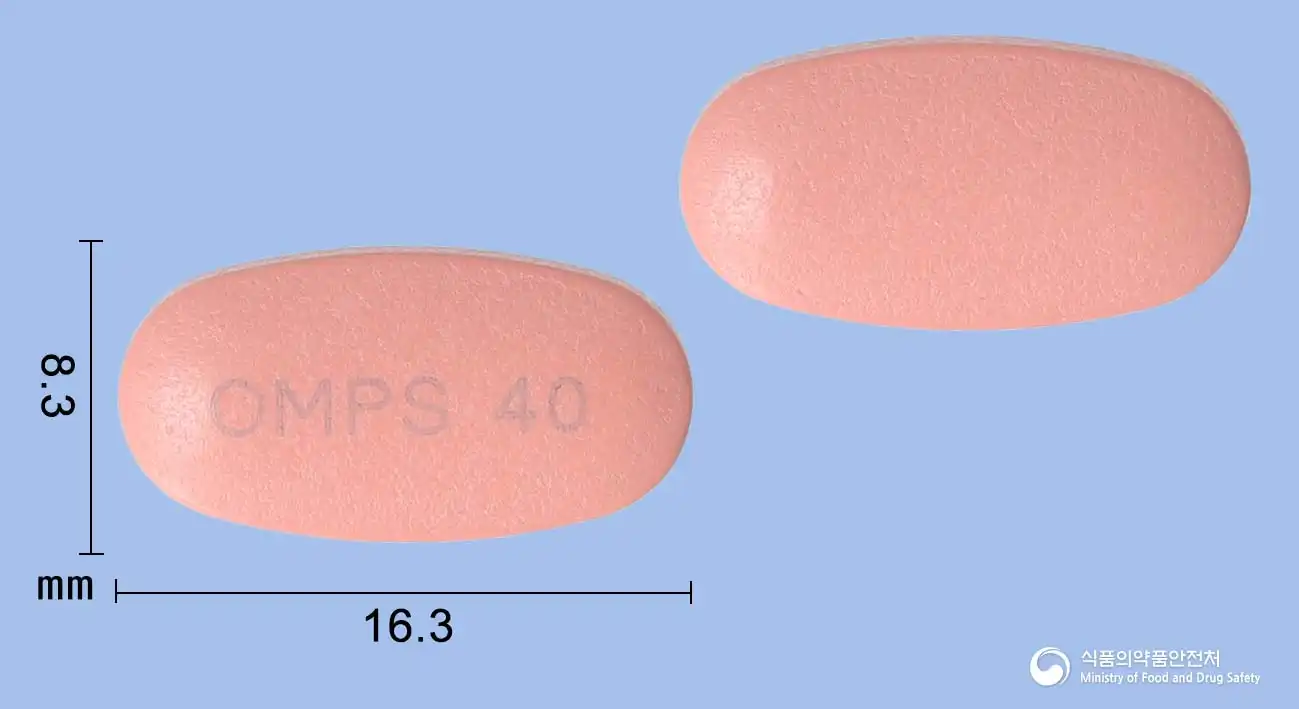
Esomeprazole Magnesium Dihydrate 43.38mg
Tablet · Prescription medication
Jongkundang Co., Ltd.
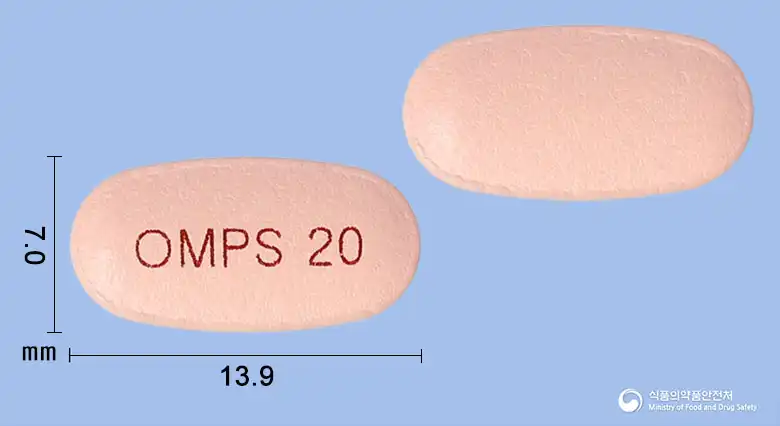
Esomeprazole Magnesium Dihydrate 21.69mg
Tablet · Prescription medication
Chong Kun Dang Pharmaceutical Corp.

Esomeprazole Magnesium Trihydrate 22.3mg
Tablet · Prescription medication
Samjin Pharmaceutical Co., Ltd.
Even with the same ingredient, the dose and directions can differ by strength and dosage form. Talk to a doctor or pharmacist before switching from a medication you are already taking.
No questions yet.
For anything that needs medical judgment, consult a doctor or pharmacist.
This drug information is based on data provided by the Korea Ministry of Food and Drug Safety.
Consult a doctor or pharmacist for accurate dosage, administration, and usage instructions.