
 한국어
 English
 日本語
 中文(简体)
 Viewing now
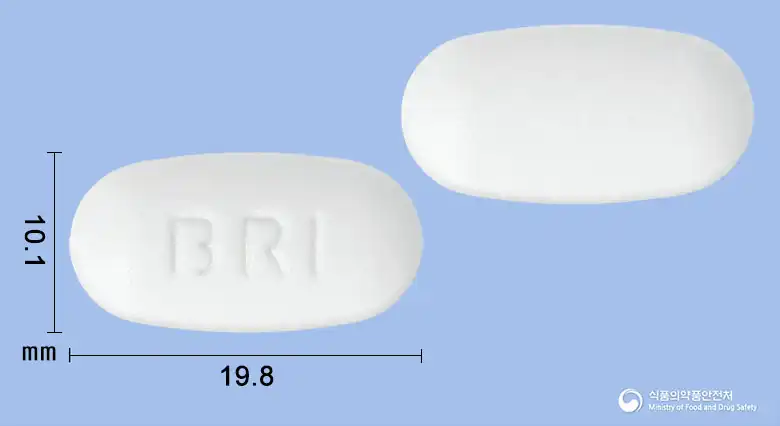
Insavel Tablet (Sevelamer Carbonate)
Sevelamer Carbonate 800mg
Tablet · Prescription medication
Boryung Pharmaceutical Co., Ltd.
MFDS item code 202203027 · Approved 2022.07.18 · Insurance code 641907960
Control of elevated serum phosphorus in patients with chronic kidney disease (on or off dialysis)
This medication is used for the control of serum phosphorus in chronic kidney disease patients with elevated serum phosphorus levels, both in those receiving dialysis and those not receiving dialysis.
This medicine should be taken with meals 3 times daily. 1) Administration to patients not taking phosphate binders The recommended starting dose is 0.8g to 1.6g; take 1~2 tablets of this medicine with each meal according to the serum phosphorus level. 5.5 - 7.5 ㎎/dL: Take 1 tablet per dose, 3 times daily with meals 7.5 ㎎/dL or higher: Take 2 tablets per dose, 3 times daily with meals 2) Substitution of this medicine for sevelamer hydrochloride tablets Administer the same dose. Appropriate dosage adjustment may be necessary to achieve the target serum phosphorus level. The maximum daily dose of sevelamer carbonate studied in patients with chronic kidney disease receiving dialysis was 14g. 3) Substitution of this medicine for calcium acetate preparations 1 tablet per dose, 3 times daily 1 tablet per dose, 3 times daily 2 tablets per dose, 3 times daily 2 tablets per dose, 3 times daily 3 tablets per dose, 3 times daily 3 tablets per dose, 3 times daily 4) Switching from sevelamer carbonate tablets to powder or from powder to tablets Administer the same dose. Appropriate dosage adjustment may be necessary to achieve the target serum phosphorus level. 5) Dosage adjustment in all patients taking this medicine If necessary, increase or decrease the dose of this medicine by 0.8g, with meals 3 times daily, at intervals of 2 weeks until the target serum phosphorus level is achieved.
This drug should not be used by patients who are allergic to the active ingredient or excipients. Additionally, it should not be used in patients with hypophosphatemia or those with intestinal obstruction or blockage. Patients with narrowed intestines or severe constipation should use this medication with caution, as it may swell in the bowel and cause bowel obstruction or perforation. While taking this medication, gastrointestinal adverse reactions such as vomiting, nausea, diarrhea, indigestion, abdominal pain, and constipation may occur, and if these symptoms worsen, a doctor should be consulted. Patients receiving peritoneal dialysis should carefully monitor for symptoms of infection such as peritonitis and seek immediate treatment if abnormal symptoms develop. This drug does not contain calcium or alkaline components, so regular monitoring of serum calcium levels is necessary, and calcium supplements may be required if indicated. With long-term use, vitamin A, D, E, K, and folate levels may decrease, so regular blood tests and vitamin supplementation should be considered if necessary. Patients with dysphagia or gastrointestinal motility disorders may have difficulty using this medication; in such cases, powdered forms of the drug may be considered. When taken with other medications, drug interactions may occur; therefore, other medications should be taken at least 1 to 3 hours apart from this drug, and the doctor may monitor blood concentration if necessary. Pregnant women should only use this medication when the benefits of treatment are deemed to outweigh the risks to the fetus, as safety for the fetus has not been established. During breastfeeding, it is unclear whether this medication is excreted in breast milk, so the benefits and risks of breastfeeding and medication therapy should be considered. Safety and efficacy in children under the age of 18 have not been established, and use is not recommended. There is no special caution needed for older adults, although it is generally safe to start with lower doses. There are no reports of overdose, but care should be taken not to exceed the recommended dosage. This medication should be taken with meals and must be swallowed whole without chewing or crushing. When storing, it is recommended to keep it in the original container away from moisture. If severe constipation, persistent abdominal pain, or vomiting occurs, discontinue use and seek medical attention immediately. The effects on driving or operating machinery are unknown, so caution is advised.
Not everyone experiences these, and they can vary from person to person.
Store this medication in a tightly closed container to protect it from air and moisture. The storage temperature should be maintained at room temperature between 1 degree and 30 degrees Celsius. This will help maintain the drug's efficacy and ensure safe use.
Oval film-coated tablet, white or light yellow
30 tablets/bottle, 180 tablets/bottle
Even with the same ingredient, strength, dosage form and how it is taken can differ.
Viewing nowSevelamer Carbonate 800mg
Tablet · Prescription medication
Boryung Pharmaceutical Co., Ltd.
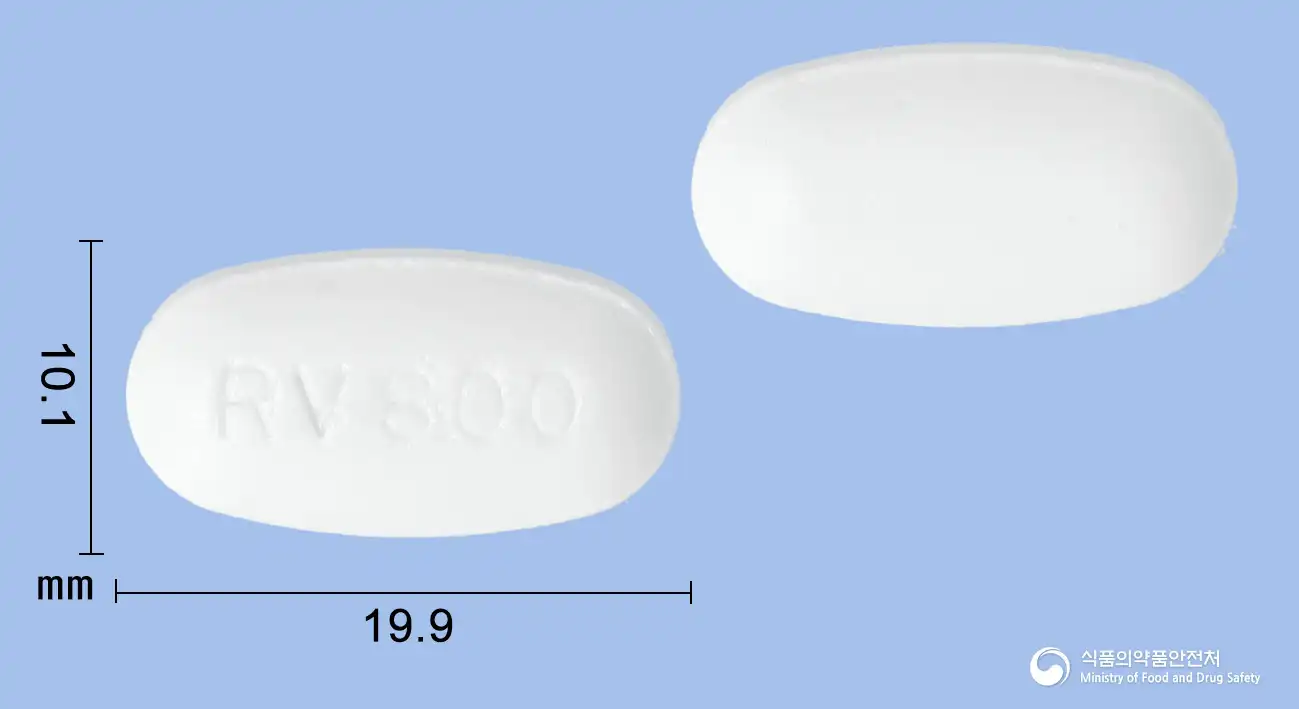
Sevelamer Carbonate 800mg
Tablet · Prescription medication
Sanofi-Aventis Korea Co., Ltd.
Sevelamer Carbonate 800mg
Prescription medication
Sanofi-Aventis Korea Co., Ltd.
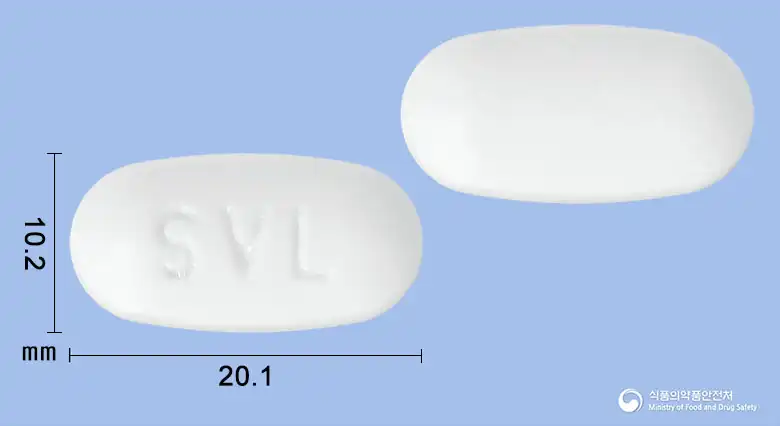
Sevelamer Carbonate 800mg
Tablet · Prescription medication
SK Chemicals Co., Ltd.
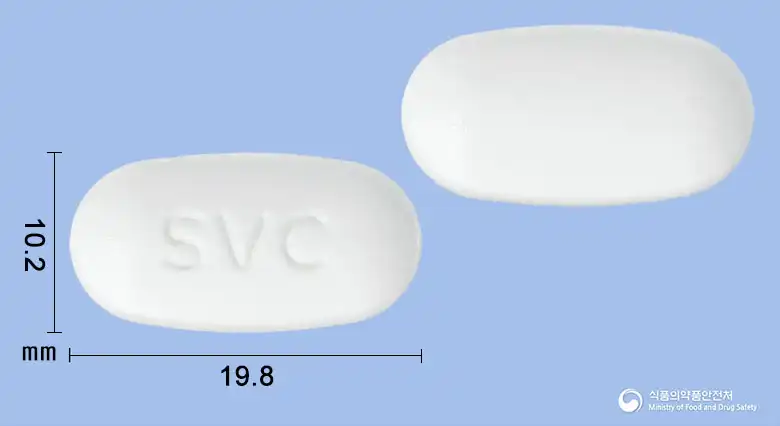
Sevelamer Carbonate 800mg
Tablet · Prescription medication
Daewon Pharmaceutical Co., Ltd.
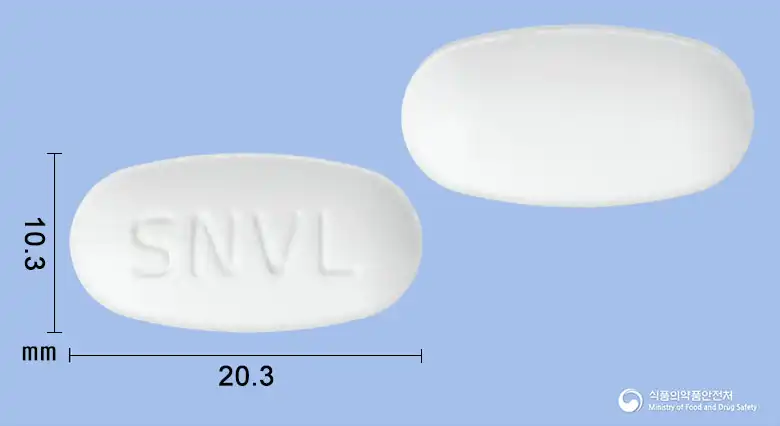
Sevelamer Carbonate 800mg
Tablet · Prescription medication
Yuyu Pharmaceutical Co., Ltd.
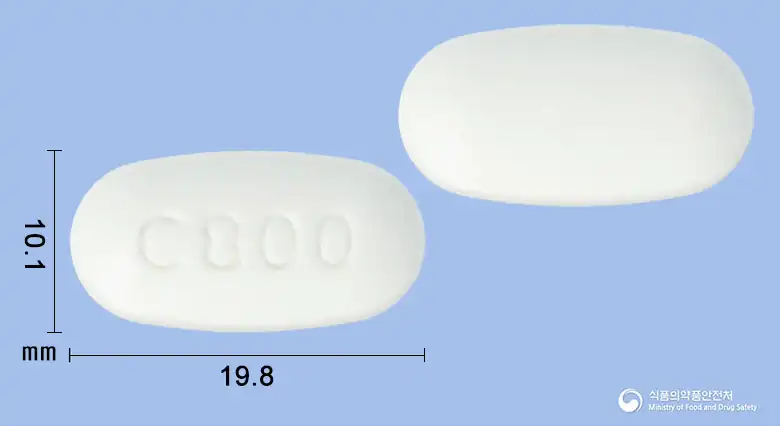
Sevelamer Carbonate 800mg
Tablet · Prescription medication
Albozen Korea Co., Ltd.
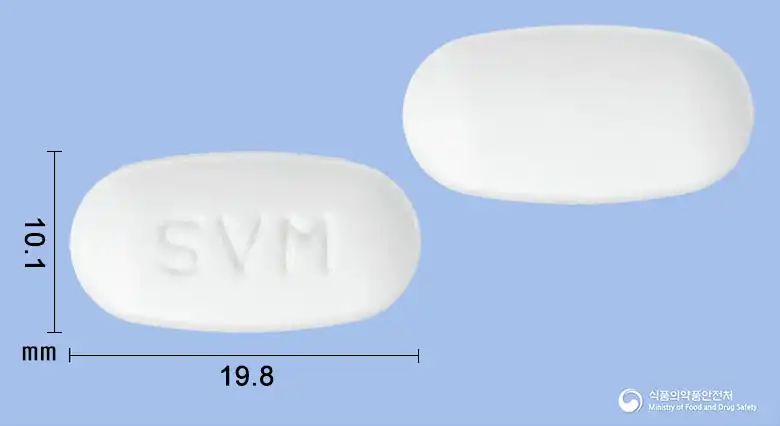
Sevelamer Carbonate 800mg
Tablet · Prescription medication
Farmgen Science Co., Ltd.
Even with the same ingredient, the dose and directions can differ by strength and dosage form. Talk to a doctor or pharmacist before switching from a medication you are already taking.
No questions yet.
For anything that needs medical judgment, consult a doctor or pharmacist.
This drug information is based on data provided by the Korea Ministry of Food and Drug Safety.
Consult a doctor or pharmacist for accurate dosage, administration, and usage instructions.