
 한국어
 English
 日本語
 中文(简体)
Dosage form image
Viewing nowCombinationEmpagliflozin/Metformin 5/850 mg Tablet
Empagliflozin 5mg · Metformin Hydrochloride 850mg
Tablet · Prescription medication · Combination
Kujoo Pharmaceutical Co., Ltd.
MFDS item code 202201393 · Approved 2022.04.04
Improvement of glycemic control in adults with type 2 diabetes
This medication contains both empagliflozin and metformin to assist adults with type 2 diabetes in controlling blood sugar as an adjunct to diet and exercise therapy. It is particularly suitable for patients with cardiovascular disease who do not achieve adequate glycemic control. For details on the impact on cardiovascular events, please refer to the usage precautions provided by professionals. Overall, this medicine improves blood sugar control and is helpful in treating type 2 diabetes.
The recommended dose of this drug is 1 tablet twice daily. The dose should be determined based on each patient's current treatment regimen, efficacy, and tolerability, without exceeding the maximum recommended daily doses of each component: empagliflozin 25 mg and metformin 2000 mg. ⦁ For patients who are unable to achieve adequate glycemic control with metformin alone or in combination with other drugs such as insulin, the recommended dose is empagliflozin 5 mg twice daily (total daily dose of 10 mg) and the patient's current dose of metformin. If empagliflozin 10 mg (total daily dose) is well tolerated and additional glycemic control is needed, the dose may be increased to empagliflozin 25 mg (total daily dose). ⦁ Patients switching to this drug from combination therapy with empagliflozin (total daily dose of 10 mg or 25 mg) and metformin should receive their previous doses of empagliflozin and metformin. When this drug is administered concomitantly with a sulfonylurea or insulin, a reduction in the dose of the sulfonylurea or insulin may be considered to reduce the risk of hypoglycemia (see sections 4. Adverse Reactions and 6. Interactions under Precautions for Use). This drug should be taken with meals to reduce gastrointestinal adverse reactions associated with metformin. If you miss a dose of this drug, take it as soon as you remember. However, do not take a double dose at one time; if this happens, skip the missed dose. Special Populations Patients with Renal Impairment No dose adjustment is required for patients with mild renal impairment. Because this drug contains metformin, it may be used with dose adjustment in patients with an estimated glomerular filtration rate (eGFR) of 45-59 ml/min/1.73m2 or a CrCl of 45-59 ml/min who do not have other conditions that may increase the risk of lactic acidosis. In these patients, the starting dose of metformin is 500 mg or 850 mg once daily; therefore, treatment should be initiated with the individual single-ingredient products empagliflozin and metformin. The maximum daily dose of metformin hydrochloride that may be administered with this drug is 1000 mg, which may be given as 500 mg twice daily. Renal function should be carefully monitored every 3-6 months (see section 3. Patients Requiring Caution, item 1 under Precautions for Use). If renal function declines to CrCl < 45 ml/min or eGFR < 45 ml/min/1.73m2, this drug should be discontinued immediately (see section 2. Patients Who Must Not Take This Drug, item 2 under Precautions for Use). Elderly Patients For patients aged 75 years or older, renal function and the risk of volume depletion should be considered.
This medication helps in blood sugar control. Care must be taken while using this medication as it may cause a rare but very dangerous condition known as severe lactic acidosis. Lactic acidosis occurs when lactic acid builds up excessively in the body and can be life-threatening in severe cases. Additionally, when used with other diabetes medications such as insulin or sulfonylureas, caution must be exercised as hypoglycemia (symptoms of low blood sugar) may occur. This drug should not be used in patients with severely impaired kidney function, acute infections, dehydration, or serious heart problems. If receiving iodinated contrast agents for radiologic testing, this medication should be discontinued for a specified period before and after the examination, and resumed only after confirming normal kidney function. This drug is also not recommended for pregnant or potentially pregnant women, or women who are breastfeeding. Regular monitoring of kidney function and blood creatinine levels is necessary while taking this drug, particularly for elderly patients or those with slightly impaired kidney function. This drug may cause gastrointestinal disturbances (diarrhea, vomiting, abdominal pain, etc.), urinary infections, genital infections, increased urination, and hypoglycemia, so any unusual symptoms should be reported to a physician immediately. Alcohol consumption should be avoided while taking this medication as it may increase the risk of lactic acidosis. Patients who are dehydrated or in a state of fluid deficiency, those with low blood pressure, or those suffering from cardiovascular disease should also exercise caution. If surgery is planned, this medication should be stopped 48 hours prior, and resumed only after confirming normal kidney function has been restored post-surgery. During the use of this medication, signs of hypoglycemia, symptoms of lactic acidosis (muscle pain, weakness, difficulty breathing, etc.), and signs of infection should be carefully monitored, and a physician should be notified promptly if any abnormalities occur. Lastly, this drug has not been established for safety and efficacy in children and is not recommended for individuals under 18 years of age. Elderly patients are at higher risk of decreased kidney function, therefore dosages should be adjusted, and regular monitoring should be conducted.
Not everyone experiences these, and they can vary from person to person.
This medication should be stored in a tightly sealed container to prevent exposure to air and moisture, and kept at room temperature between 1 and 30 degrees Celsius. Storing it this way will help maintain the medication's effectiveness and ensure safe usage.
White, oval, biconvex, film-coated tablet with a yellow tint
10 tablets/box [10 tablets/PTP X 1], 60 tablets/box [10 tablets/PTP X 6], 60 tablets/bottle
Even with the same ingredient, strength, dosage form and how it is taken can differ.
Empagliflozin 5mg · Metformin Hydrochloride 850mg
Tablet · Prescription medication · Combination
Kujoo Pharmaceutical Co., Ltd.
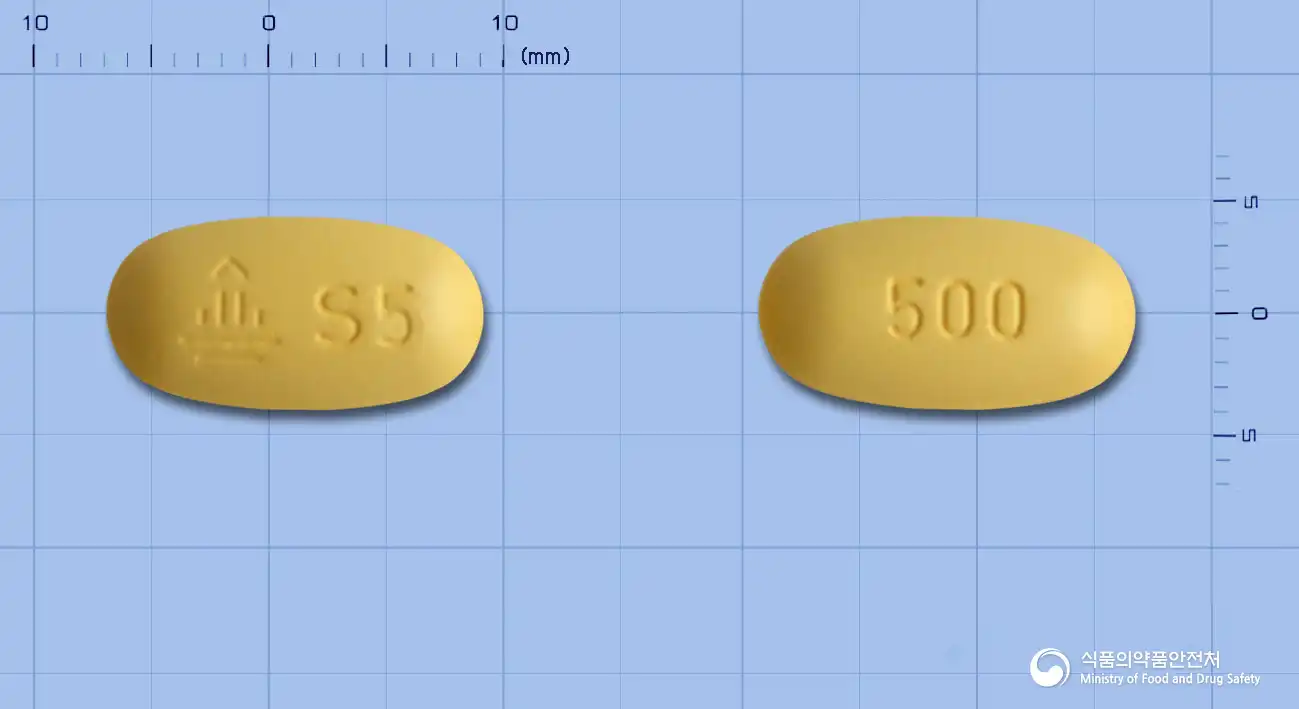 Combination
Empagliflozin 5mg · Metformin Hydrochloride 500mg
Tablet · Prescription medication · Combination
Boehringer Ingelheim Korea Co., Ltd.
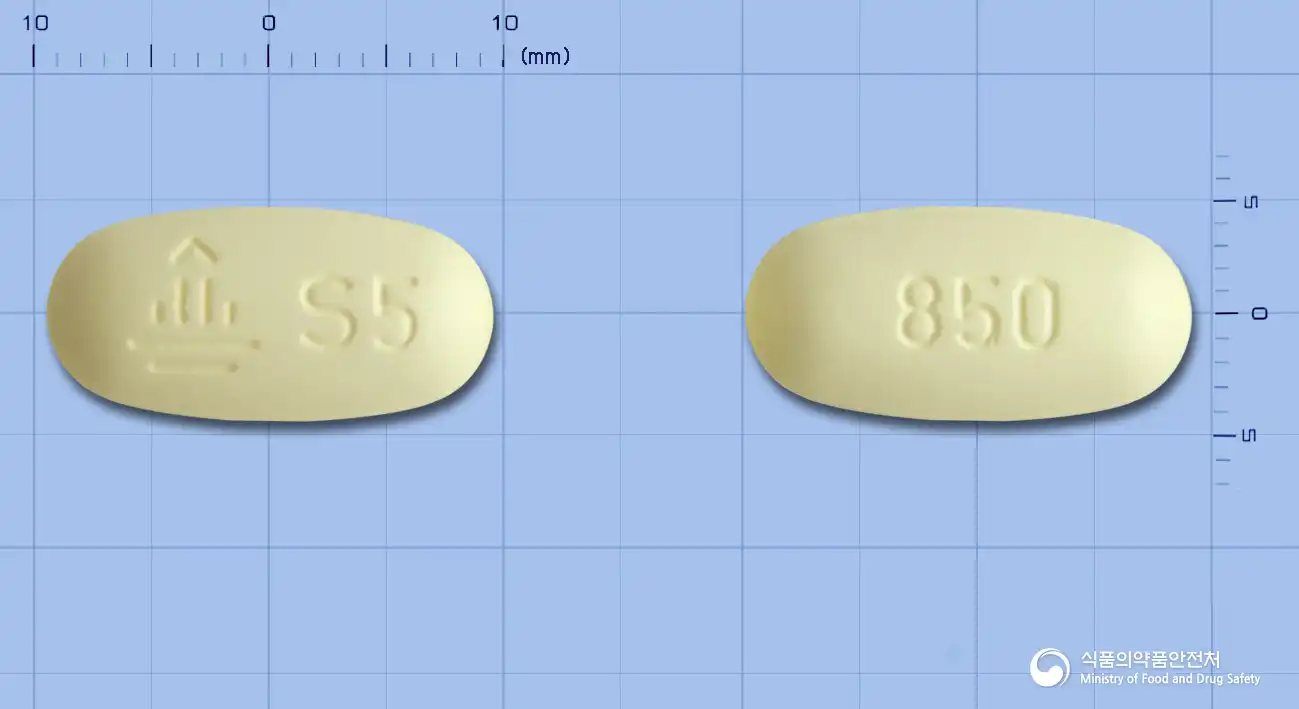 Combination
Empagliflozin 5mg · Metformin Hydrochloride 850mg
Tablet · Prescription medication · Combination
Boehringer Ingelheim Korea Co., Ltd.
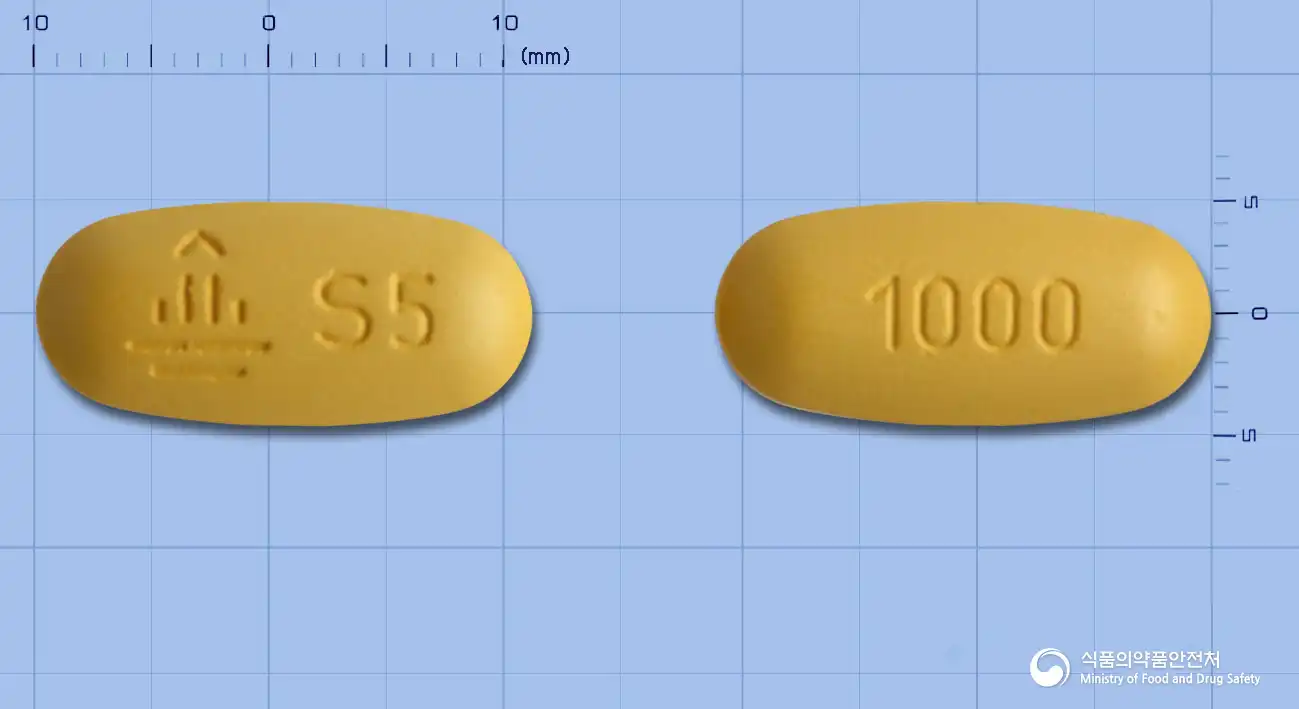 Combination
Empagliflozin 5mg · Metformin Hydrochloride 1000mg
Tablet · Prescription medication · Combination
Boehringer Ingelheim Korea Co., Ltd.
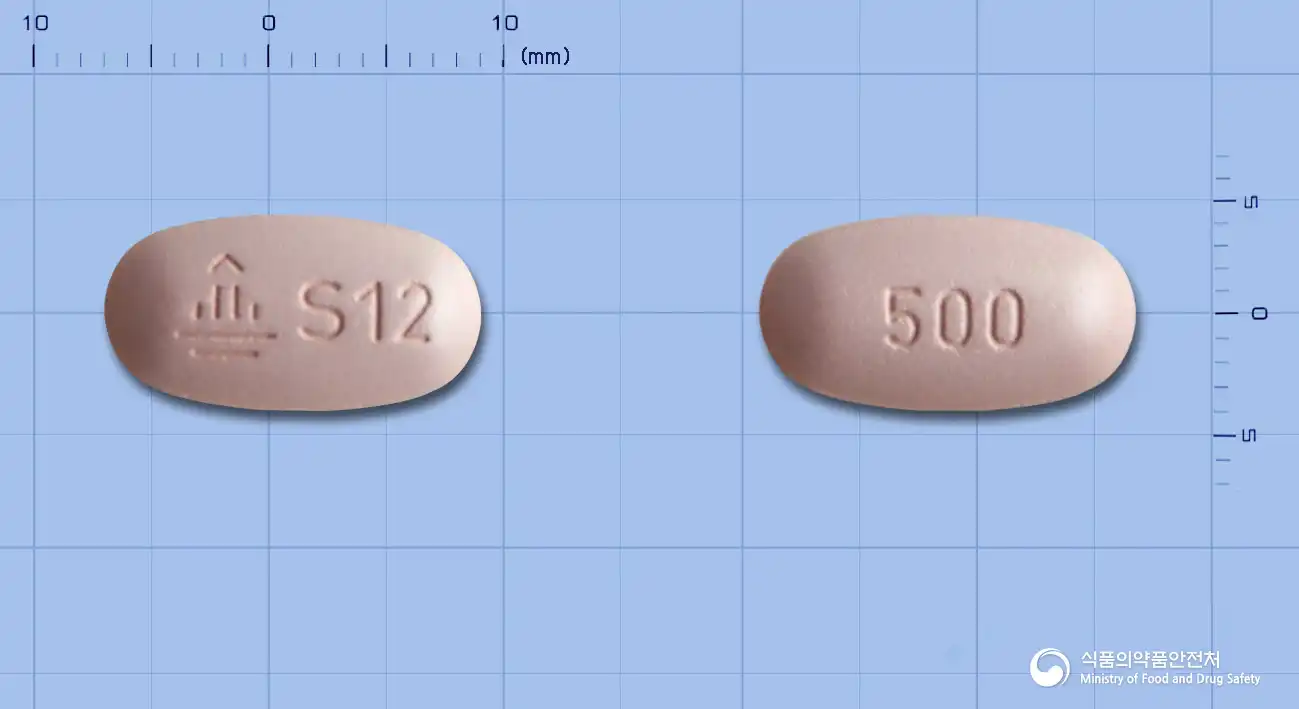 Combination
Empagliflozin 12.5mg · Metformin Hydrochloride 500mg
Tablet · Prescription medication · Combination
Boehringer Ingelheim Korea Co., Ltd.
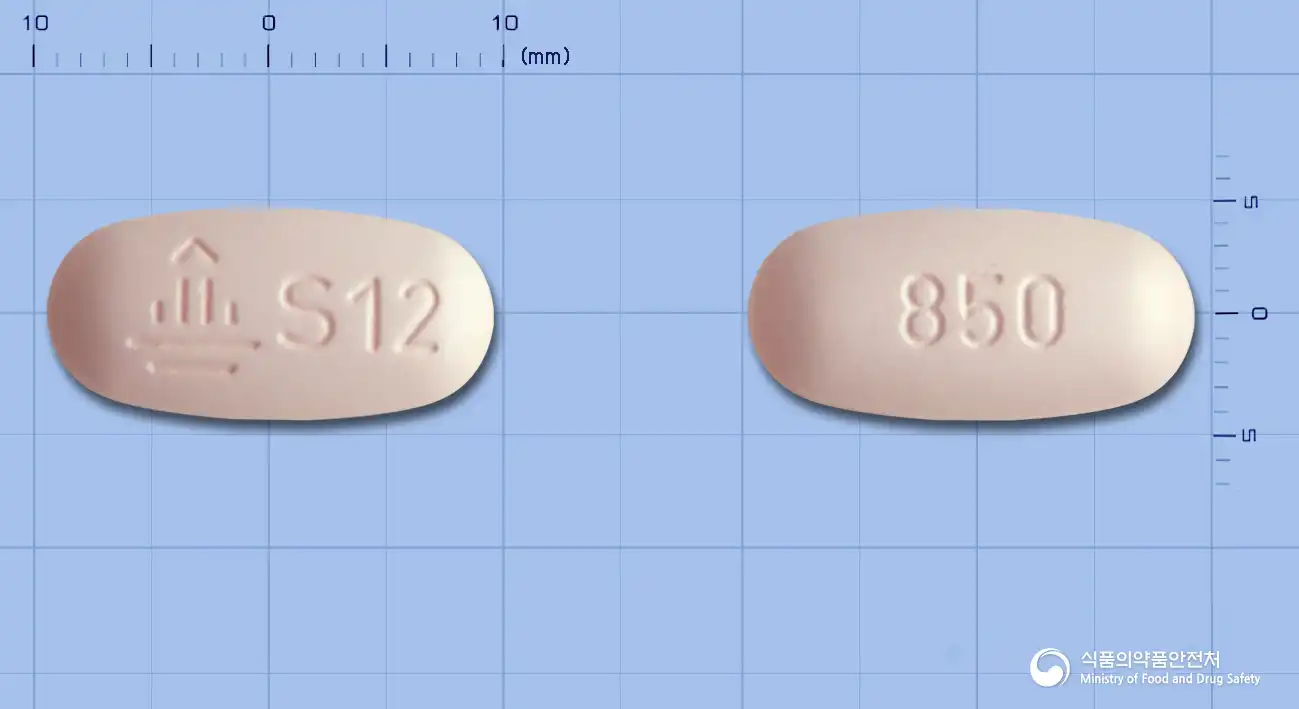 Combination
Empagliflozin 12.5mg · Metformin Hydrochloride 850mg
Tablet · Prescription medication · Combination
Boehringer Ingelheim Korea Co., Ltd.
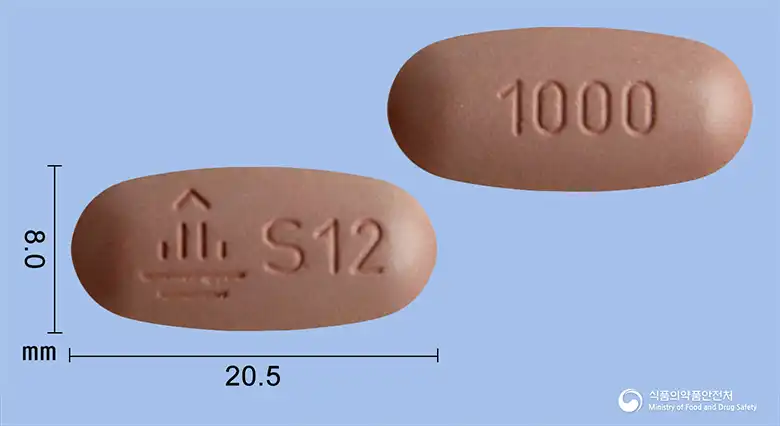 Combination
Empagliflozin 12.5mg · Metformin Hydrochloride 1000mg
Tablet · Prescription medication · Combination
Boehringer Ingelheim Korea Co., Ltd.
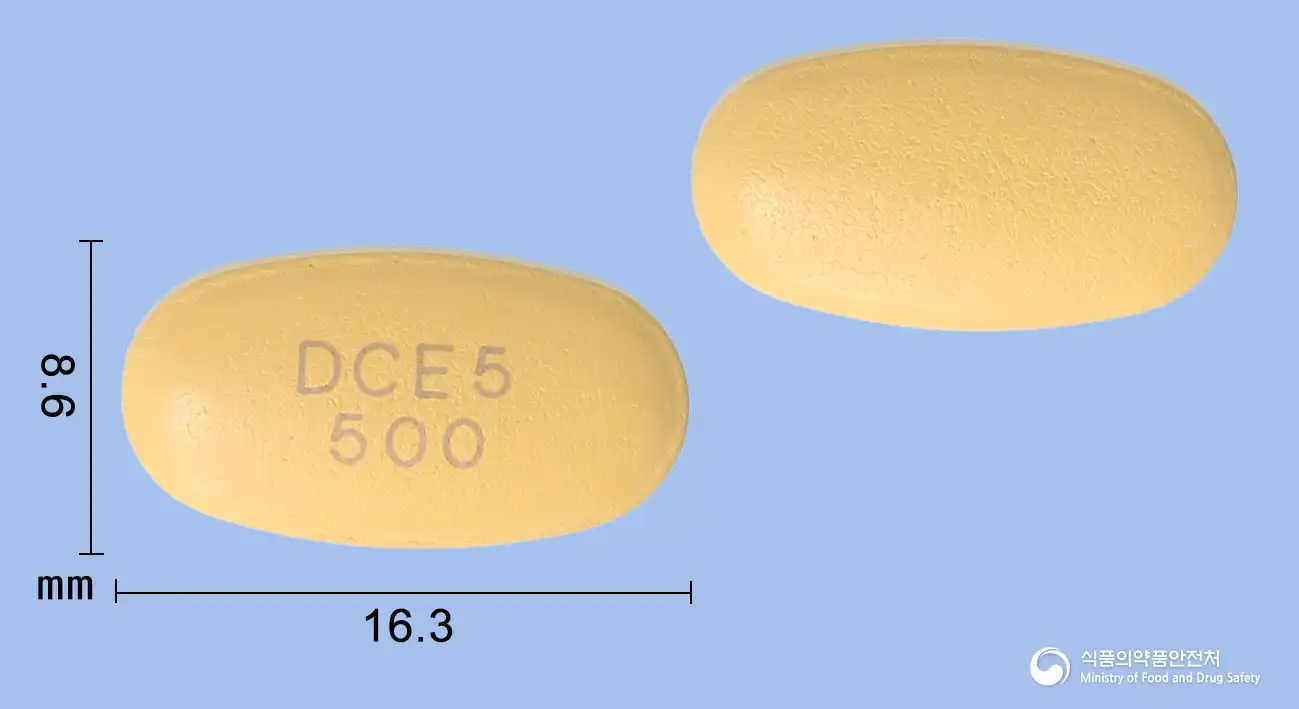 Combination
Empagliflozin 5mg · Metformin Hydrochloride 500mg
Tablet · Prescription medication · Combination
Donggu Bio Pharmaceutical Co., Ltd.
Even with the same ingredient, the dose and directions can differ by strength and dosage form. Talk to a doctor or pharmacist before switching from a medication you are already taking.
No questions yet.
For anything that needs medical judgment, consult a doctor or pharmacist.
This drug information is based on data provided by the Korea Ministry of Food and Drug Safety.
Consult a doctor or pharmacist for accurate dosage, administration, and usage instructions.