
 한국어
 English
 日本語
 中文(简体)
 Viewing now
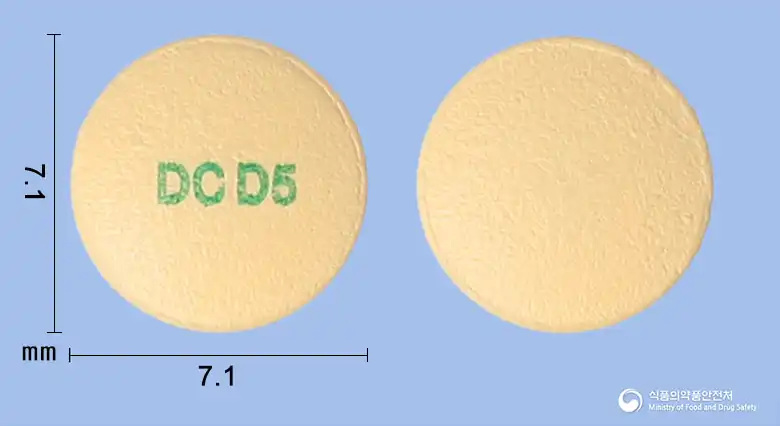
Dapagliflozin 5 mg (Dapagliflozin Propanediol Hydrate)
Dapagliflozin Propanediol Hydrate 6.15mg
Tablet · Prescription medication
Donggu Bio Pharmaceutical Co., Ltd.
MFDS item code 202200812 · Approved 2022.02.23 · Insurance code 657308660
Treatment of type 2 diabetes mellitus, chronic heart failure, and chronic kidney disease
This medication is used in conjunction with dietary and exercise therapy to help control blood glucose in patients with Type 2 diabetes. It is also effective in reducing the risk of death and hospitalization due to cardiovascular disease in patients with chronic heart failure. In patients with chronic kidney disease, it helps to lower risks associated with worsening kidney function. This drug is used in combination with standard treatment for cardiovascular risk or chronic heart failure and kidney disease. Overall, this medication is used to improve the health condition of patients with diabetes, heart failure, and kidney disease.
Type 2 diabetes mellitus Monotherapy and add-on combination therapy The recommended dose of this drug is 10mg once daily for monotherapy and add-on combination therapy with other blood glucose-lowering agents, including insulin. When this drug is used with insulin or an insulin secretagogue such as a sulfonylurea, a lower dose of insulin or the insulin secretagogue may be considered to reduce the risk of hypoglycemia. Initial combination therapy For patients who have not previously received pharmacological treatment for diabetes, the recommended initial dose of this drug when administered with metformin is 5mg once daily or 10mg once daily. Chronic heart failure and chronic kidney disease The recommended dose of this drug is 10 mg once daily. Special populations Renal impairment - eGFR less than 45 mL/min/1.73m2: Use of this drug to improve glycemic control is not recommended. - eGFR less than 25 mL/min/1.73m2: Initiation of this drug is not recommended in patients with chronic heart failure and chronic kidney disease. - Patients on dialysis: Do not administer this drug. Hepatic impairment No dose adjustment is necessary in patients with mild or moderate hepatic impairment. For patients with severe hepatic impairment, 5 mg is recommended as the starting dose. If well tolerated, this dose may be increased to 10mg. Older adults (≥ 65 years) Dose adjustment based on age is not recommended. Method of administration This drug may be administered orally once daily at any time of day, with or without food. The tablet should be swallowed whole.
Pediatric population The efficacy and safety of dapagliflozin in children under 18 years of age have not been established. No relevant data are available.
This medication should not be used in patients with allergies to the active ingredient or excipients, patients with Type 1 diabetes, those with diabetic ketoacidosis, and patients undergoing dialysis. It should be administered with caution in patients with reduced fluid volume or kidney function issues, and fluid status and kidney function should be carefully checked before administration. This medication can lower blood pressure and poses a risk of acute kidney injury, so elderly patients or those with decreased kidney function should be particularly cautious. The glucose control effect varies depending on kidney function and is not recommended for patients with heavily reduced kidney function. During the course of this medication, genital infections and urinary tract infections may occur, so if symptoms of infection appear, consulting healthcare professionals immediately is necessary. Additionally, hypoglycemia may occur, so dosage adjustments may be needed if taking medications such as insulin or sulfonylureas concurrently. Symptoms of dehydration or low blood pressure due to reduced fluid volume may occur, so if these symptoms are present, medication should be paused and a physician should be consulted. A serious metabolic disorder called diabetic ketoacidosis may occur, so if symptoms such as vomiting, abdominal pain, or difficulty breathing appear, visiting the hospital immediately is essential. It is safest not to use this medication in patients with severely impaired liver function, pregnant women, or nursing mothers. Elderly patients or those taking diuretics should have their kidney function and fluid status frequently monitored, and it is important to undergo regular blood glucose and kidney function tests during the course of this medication. Although this medication does not significantly affect driving or operating machinery, caution is necessary as hypoglycemia symptoms may occur. Lastly, the safety and efficacy of this medication in children have not been established, so it is not used in pediatric populations.
Vulvovaginitis, balanitis and related genital infections, urinary tract infections, fungal infections, perineal necrosis, hypoglycemia, decreased fluid volume, thirst, diabetic ketoacidosis, dizziness, constipation, dry mouth, back pain, dysuria, polyuria, nocturia, interstitial nephritis, vulvar itching, genital itching, elevated hematocrit, decreased creatinine clearance early in treatment, dyslipidemia, elevated serum creatinine early in treatment, increased blood urea, weight loss, acute pyelonephritis, chest pain, headache, indigestion, nausea, diarrhea, vomiting, vaginal discharge, itching, urticaria, arthralgia, musculoskeletal pain, limb pain, muscle weakness, myalgia, osteoarthritis, ligament strain, diabetic retinopathy, cough, dyspnea, orthostatic hypotension, palpitations, insomnia, fatty liver, gallbladder polyp, tinnitus
Not everyone experiences these, and they can vary from person to person.
This medication must be stored in a tightly sealed container to avoid exposure to air or moisture. It is important to maintain a storage temperature between 1 and 30 degrees Celsius. This way, the effectiveness of the drug can be preserved for a long time.
Yellow round film-coated tablet
Bottle - 28 tablets/bottle, Bottle - 30 tablets/bottle, Box - 28 tablets/box [7 tablets/Alu-Alu x 4]
Even with the same ingredient, strength, dosage form and how it is taken can differ.
Viewing nowDapagliflozin Propanediol Hydrate 6.15mg
Tablet · Prescription medication
Donggu Bio Pharmaceutical Co., Ltd.
Dapagliflozin Propanediol Hydrate 6.15mg
Tablet · Prescription medication
AstraZeneca Korea Co., Ltd.
Dapagliflozin Propanediol Hydrate 12.3mg
Tablet · Prescription medication
AstraZeneca Korea Co., Ltd.
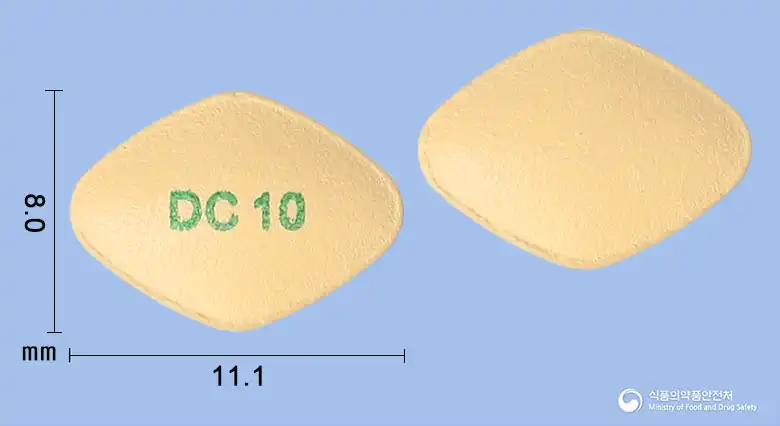
Dapagliflozin Propanediol Hydrate 12.3mg
Tablet · Prescription medication
Donggu Bio Pharmaceutical Co., Ltd.
Dapagliflozin Propanediol Hydrate 12.3mg
Tablet · Prescription medication
Il Sung IS Co., Ltd.
Dapagliflozin Propanediol Hydrate
Prescription medication
Optus Pharmaceutical Co., Ltd.
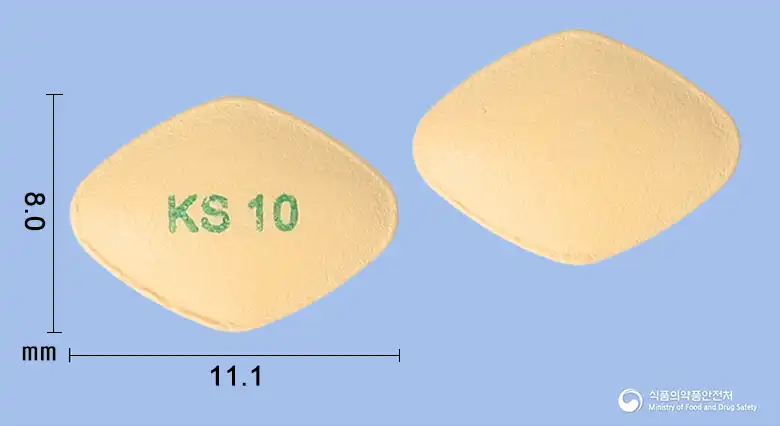
Dapagliflozin Propanediol Hydrate 12.3mg
Tablet · Prescription medication
Aprogen Biologics Co., Ltd.
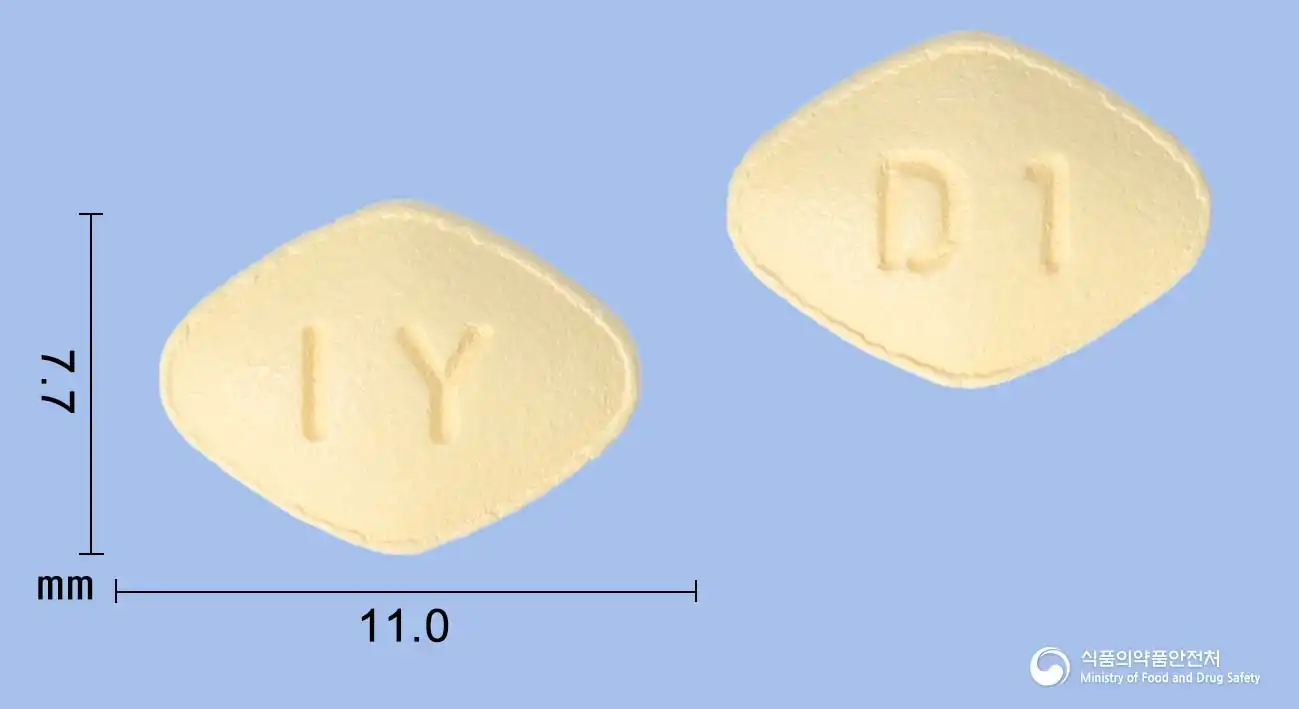
Dapagliflozin Propanediol Hydrate 12.3mg
Tablet · Prescription medication
Il Yang Pharmaceutical Co., Ltd.
Even with the same ingredient, the dose and directions can differ by strength and dosage form. Talk to a doctor or pharmacist before switching from a medication you are already taking.
No questions yet.
For anything that needs medical judgment, consult a doctor or pharmacist.
This drug information is based on data provided by the Korea Ministry of Food and Drug Safety.
Consult a doctor or pharmacist for accurate dosage, administration, and usage instructions.