This medication is generally taken twice daily with food and the dosage is increased gradually to minimize gastrointestinal side effects caused by metformin.
1. Patients not currently treated with metformin:
- The initial dosage is 50/500 mg of this medication taken twice daily, with a potential increase to 50/1000 mg taken twice daily at one tablet per dose.
2. Patients being treated with metformin:
Difficulty controlling blood sugar in patients with type 2 diabetes
View approved original textHide original text
This medication is used in conjunction with diet and exercise therapy to assist patients with type 2 diabetes in controlling their blood sugar levels. It may be used for those who are newly receiving diabetes medication or have difficulty controlling blood sugar with other monotherapies. Additionally, this medication can be beneficial when metformin or sitagliptin alone is insufficient, or when replacing a treatment that involved combining these two medications. If adequate blood sugar control is not achieved with a combination of metformin and sulfonylureas, thiazolidinediones, or insulin, this medication can be used to improve blood sugar control. Therefore, this medication serves as an effective adjunct therapy for patients who struggle to control their blood sugar despite multiple medication regimens. This medication improves blood sugar control in patients with type 2 diabetes.
How to take
Adult dose
This medication is generally taken twice daily with food and the dosage is increased gradually to minimize gastrointestinal side effects caused by metformin.
1. Patients not currently treated with metformin:
- The initial dosage is 50/500 mg of this medication taken twice daily, with a potential increase to 50/1000 mg taken twice daily at one tablet per dose.
2. Patients being treated with metformin:
Precautions
This medication is used for diabetes treatment and contains two active ingredients, sitagliptin and metformin.
During treatment with this medication, allergic reactions may occur; therefore, if symptoms such as skin rash or difficulty breathing arise, discontinue use immediately and consult a physician.
There may be a risk of acute pancreatitis, so if symptoms such as abdominal pain, nausea, or vomiting occur, monitor closely and inform your doctor.
This medication should not be used in patients with impaired kidney function, acute heart issues, or those who are pregnant or breastfeeding.
Particularly, patients with reduced kidney function should have thorough discussions with their physician before taking this medication and should undergo regular kidney function tests.
Moreover, during acute infections, dehydration, or before and after significant trauma or surgery, it may be necessary to temporarily discontinue this medication.
When taking this medication, if meal amounts are irregular or if engaging in strenuous exercise, there is a risk of side effects such as hypoglycemia or lactic acidosis; caution is advised.
Side effects such as diarrhea, nausea, headache, and upper respiratory infections may occur, and immediate treatment is required in cases of severe hypoglycemia.
Additionally, this medication may have interactions if taken with other hypoglycemic agents or certain medications, so inform your doctor of all medications being taken.
Alcohol consumption may increase the risk of lactic acidosis; therefore, it is advisable to avoid drinking during treatment.
If undergoing surgery or contrast studies using iodine, the use of this medication should be suspended for a certain period, and it should only be resumed after confirming that kidney function is normal.
Elderly individuals may have a higher risk of diminished kidney function, so kidney function should be monitored more carefully during treatment with this medication.
Pregnant women or those who might become pregnant and breastfeeding mothers should not use this medication.
If an overdose occurs, seek medical attention immediately, as this medication can be partially removed by dialysis.
Finally, if any abnormal symptoms develop during treatment with this medication, consult a doctor immediately and continue treatment with regular monitoring of blood sugar and kidney function.
Side effects and when to seek care immediately
Serious side effects
Hives, severe swelling (angioedema), anaphylaxis, chest tightness, difficulty breathing, Stevens-Johnson syndrome, severe rash accompanied by fever, blisters, skin peeling, pain in oral/ocular mucosa, acute pancreatitis, acute renal failure, liver dysfunction (jaundice), severe lactic acidosis, sudden and very severe headache, seizures, altered consciousness, visual disturbances, paralysis, severe swelling with elevated blood pressure, significantly reduced urine output, difficulty breathing,
Not everyone experiences these, and they can vary from person to person.
Storage
This medication should be stored in a tightly closed container to prevent air from entering, at room temperature between 1 degree and 30 degrees Celsius. Proper storage will help maintain the medication's efficacy and prevent deterioration.
Appearance and packaging
Appearance
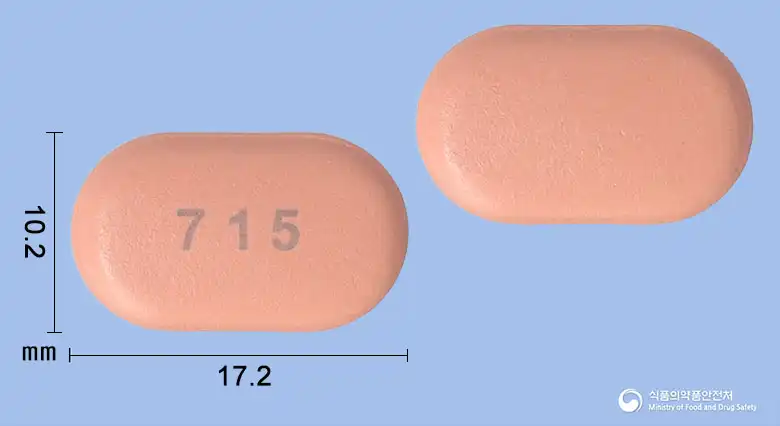
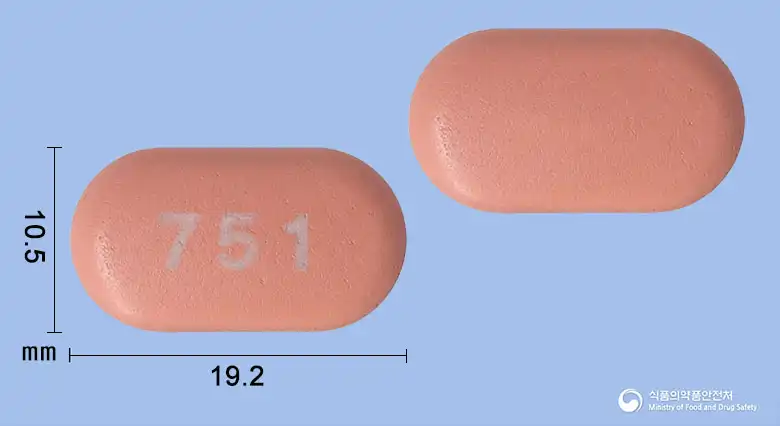
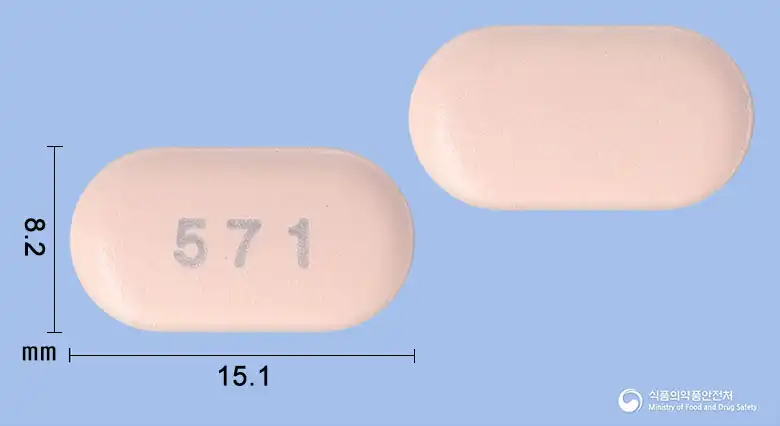
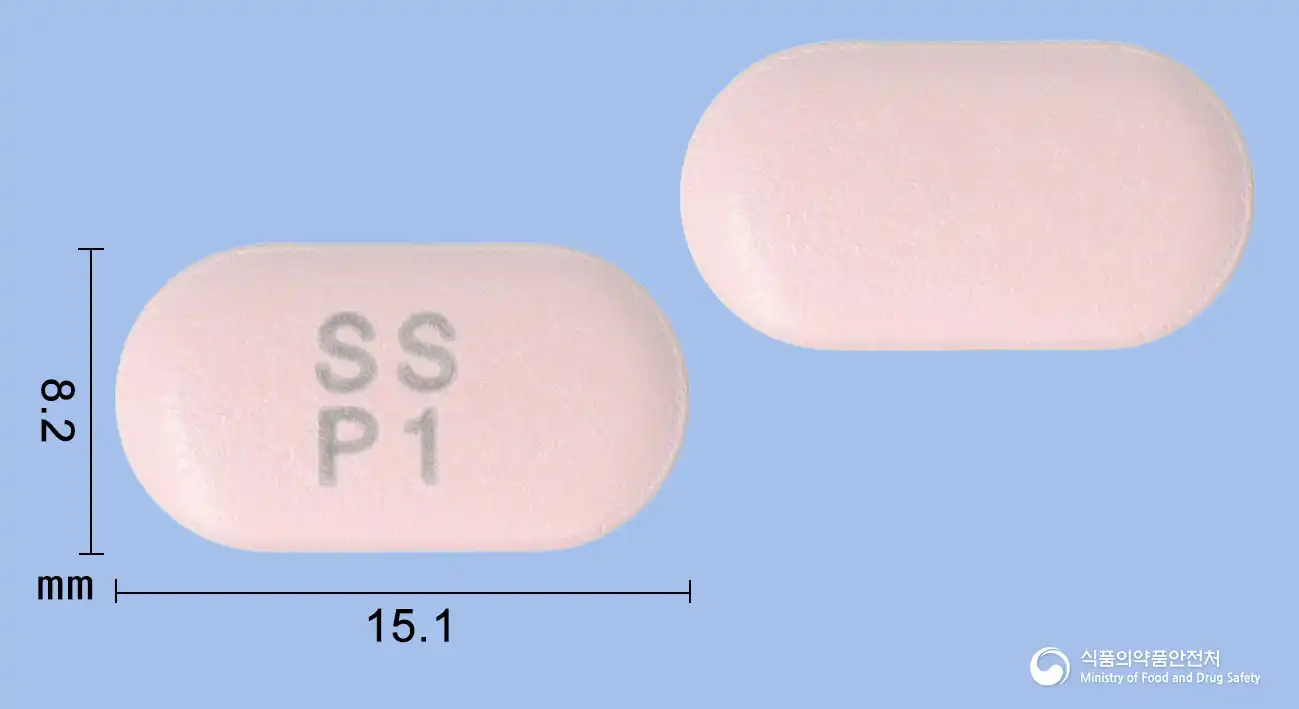
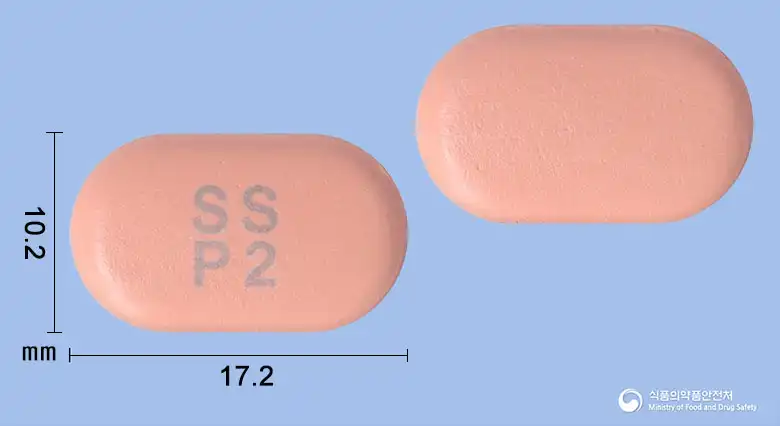
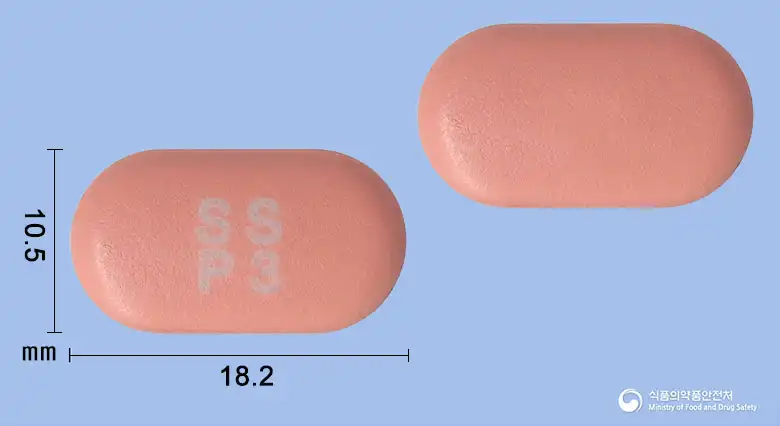
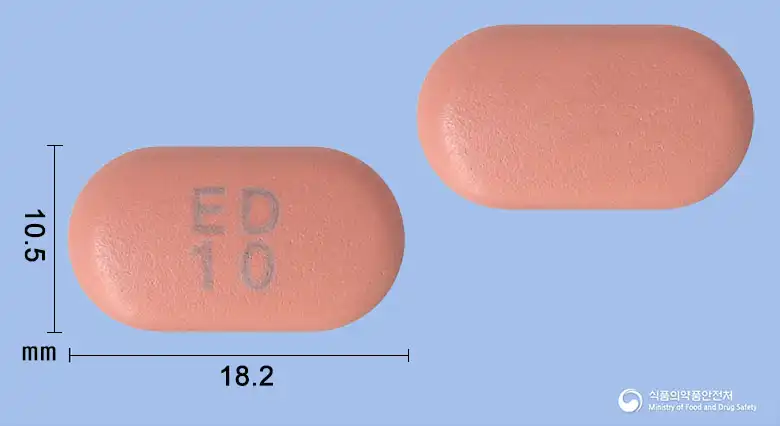
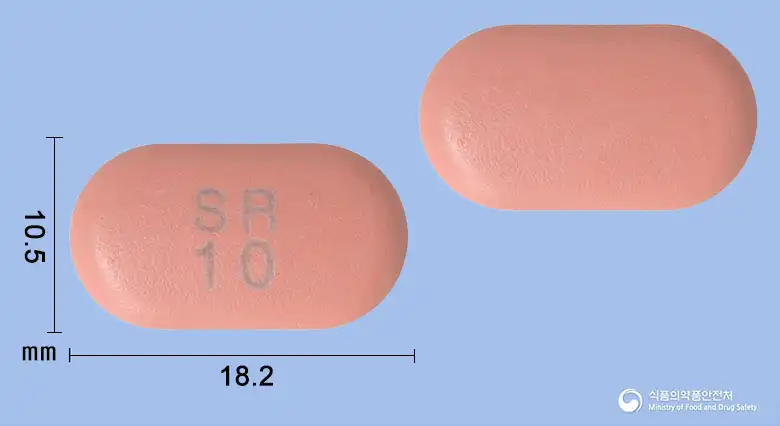
Pink oval film-coated tablets
Package unit
30 tablets/box [(10 tablets/PTP x 3)]
Same-ingredient medicines
Even with the same ingredient, strength, dosage form and how it is taken can differ.
Even with the same ingredient, the dose and directions can differ by strength and dosage form. Talk to a doctor or pharmacist before switching from a medication you are already taking.
Questions about this medicine
No questions yet.
For anything that needs medical judgment, consult a doctor or pharmacist.
This drug information is based on data provided by the Korea Ministry of Food and Drug Safety. Consult a doctor or pharmacist for accurate dosage, administration, and usage instructions.

 한국어
한국어 English
 日本語
日本語 中文(简体)
 Viewing nowCombination