
 한국어
한국어 English
 日本語
日本語 中文(简体)
 Viewing now
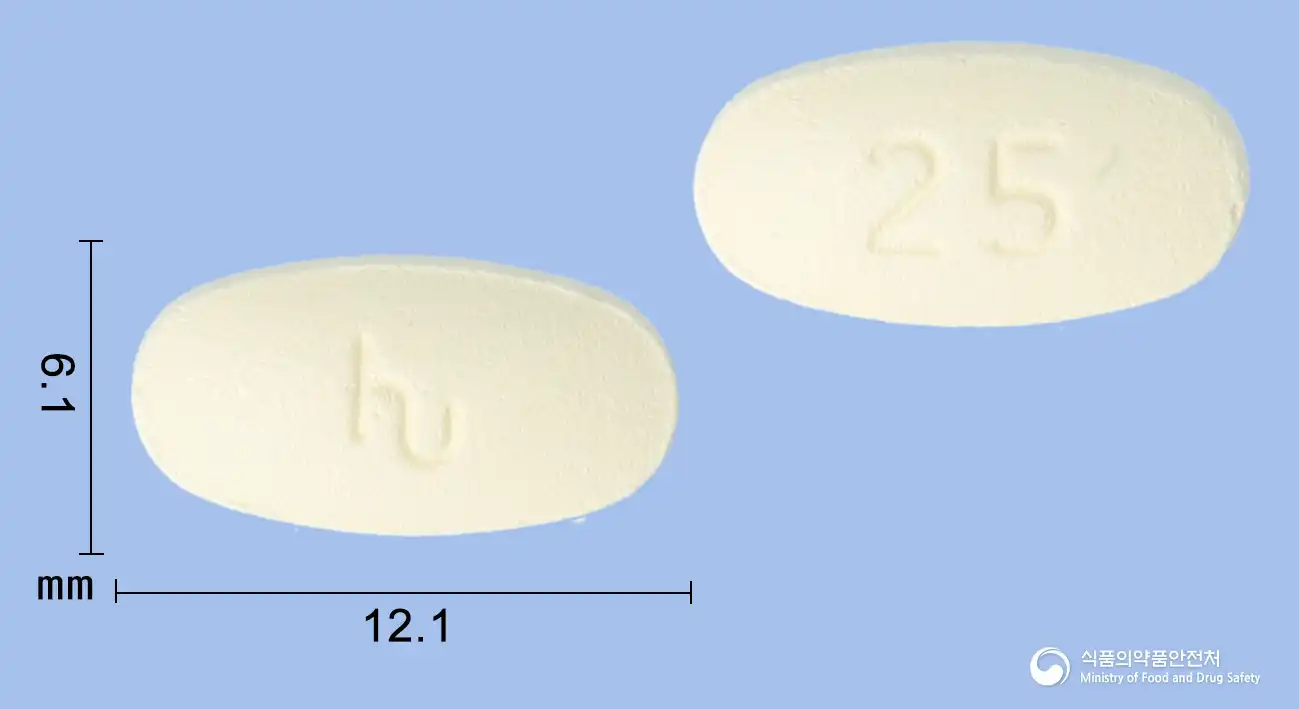
Hudiang 25 mg Tablet (Empagliflozin)
Empagliflozin 25mg
Tablet · Prescription medication
Huons Co., Ltd.
MFDS item code 202105424 · Approved 2021.07.16 · Insurance code 670609470
Treatment of type 2 diabetes through improved blood sugar control
This medication is an adjunct used along with diet and exercise to help control blood sugar in adults with type 2 diabetes. It can be used alone or in combination with other medications. Caution is required when used in patients with type 2 diabetes who have difficulty controlling blood sugar, especially if there is a history of cardiovascular disease, and it is advisable to refer to related clinical trial information. This medication effectively improves blood sugar control and aids in diabetes management.
The recommended dosage of this medication for monotherapy and combination therapy with insulin or other blood glucose-lowering agents is 10 mg once daily. If well-tolerated and additional blood sugar control is needed, the dosage may be increased to 25 mg once daily. This medication can be taken regardless of meals, and the tablet should be swallowed whole. If a dose is missed, take it as soon as remembered, and do not take double doses on the same day.
This medication should not be used in patients with allergies to the active ingredient or any of the components. It is not to be administered to patients with type 1 diabetes or diabetic ketoacidosis due to potential danger. This medication is not expected to be effective in patients with severely impaired kidney function, end-stage renal disease, or those undergoing dialysis. This medication contains lactose, so it should not be used in patients with lactase deficiency, galactose intolerance, or genetic lactase enzyme deficiency. In patients with mildly impaired renal function, the dosage of this medication may need to be adjusted or discontinued, so regular monitoring of renal function is necessary. In patients with severe heart failure, the use of this medication is not recommended, requiring caution. When used in conjunction with insulin or insulin secretagogues, there may be an increased risk of hypoglycemia, and it may be necessary to reduce the doses of those medications as needed. This medication may cause side effects such as hypoglycemia, urinary tract infections, genital infections, increased urination, decreased fluid volume, hepatic dysfunction, etc., and any unusual symptoms should prompt immediate consultation with a healthcare professional. Particularly, serious metabolic imbalance known as ketoacidosis may occur, and immediate testing and treatment are required if symptoms like vomiting, abdominal pain, or difficulty in breathing arise. Elderly patients or those at risk of fluid loss should be cautious of dehydration or hypotension and should carefully monitor fluid status. This medication may affect kidney function, so kidney function tests are necessary before and during administration. It is recommended that breastfeeding women discontinue breastfeeding while taking this medication due to the possibility of the drug passing into breast milk. Pregnant women should avoid taking this medication, and if pregnancy is confirmed, administration should be discontinued. This medication may increase the risk of hypoglycemia while driving or operating machinery. In case of overdose, appropriate treatment should be provided based on clinical status, and there are no data on its removal through hemodialysis. This medication has not been established for safety and efficacy in children and adolescents under 18, and thus should not be used. There may be drug interactions, so healthcare providers should be informed of any other medications being taken. Regular monitoring of blood sugar and renal function tests is essential while on this medication.
Not everyone experiences these, and they can vary from person to person.
This medication should be stored in a tightly sealed container to prevent exposure to air or moisture. Additionally, it is important to maintain storage temperatures between 1 and 30 degrees Celsius (room temperature).
Pale yellow oval film-coated tablet
30 tablets/PTP [(10 tablets/PTPX3)], 10 tablets/PTP [(10 tablets/PTPX1)]
Even with the same ingredient, strength, dosage form and how it is taken can differ.
Viewing nowEmpagliflozin 25mg
Tablet · Prescription medication
Huons Co., Ltd.
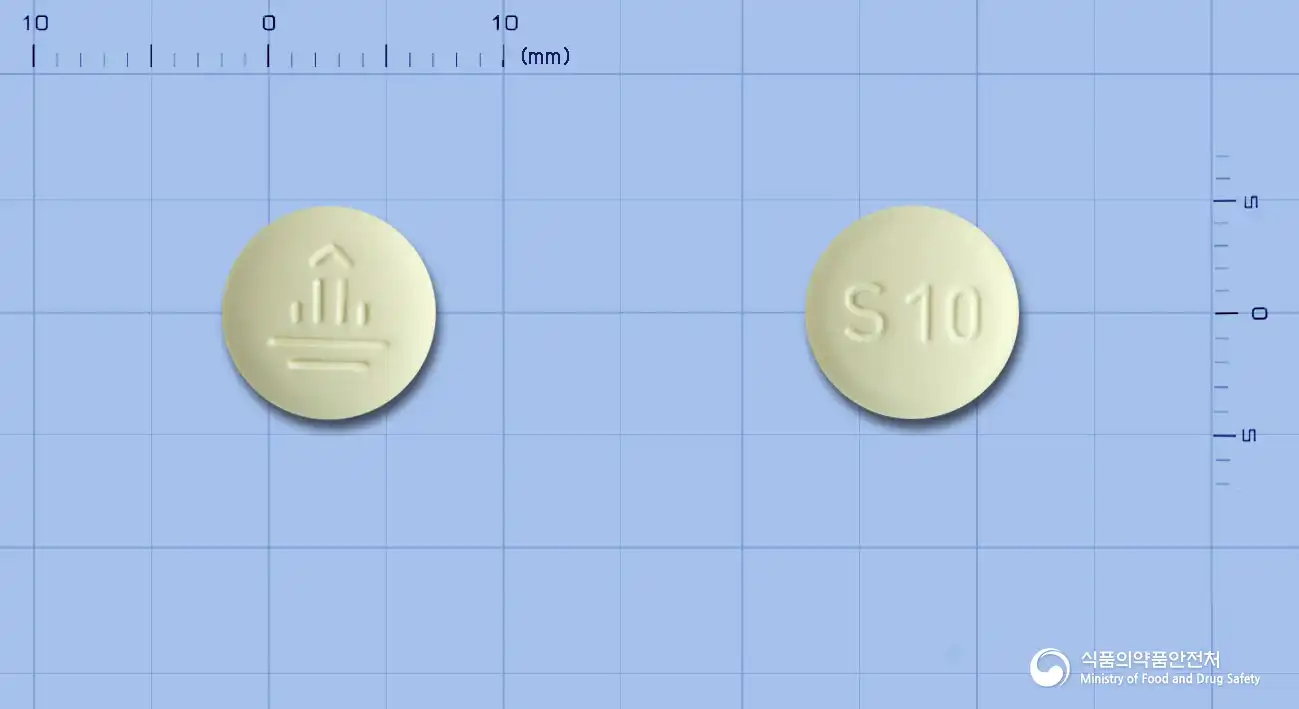
Empagliflozin 10mg
Tablet · Prescription medication
Boehringer Ingelheim Korea Co., Ltd.
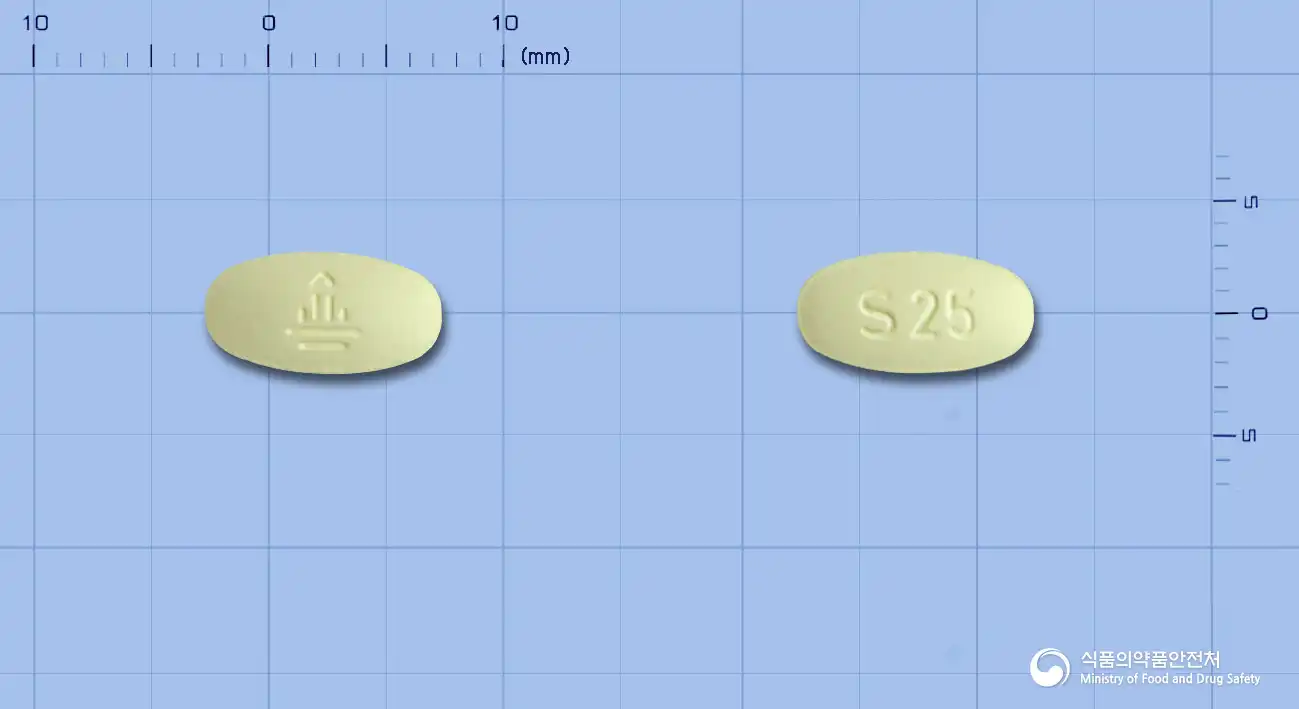
Empagliflozin 25mg
Tablet · Prescription medication
Boehringer Ingelheim Korea Co., Ltd.
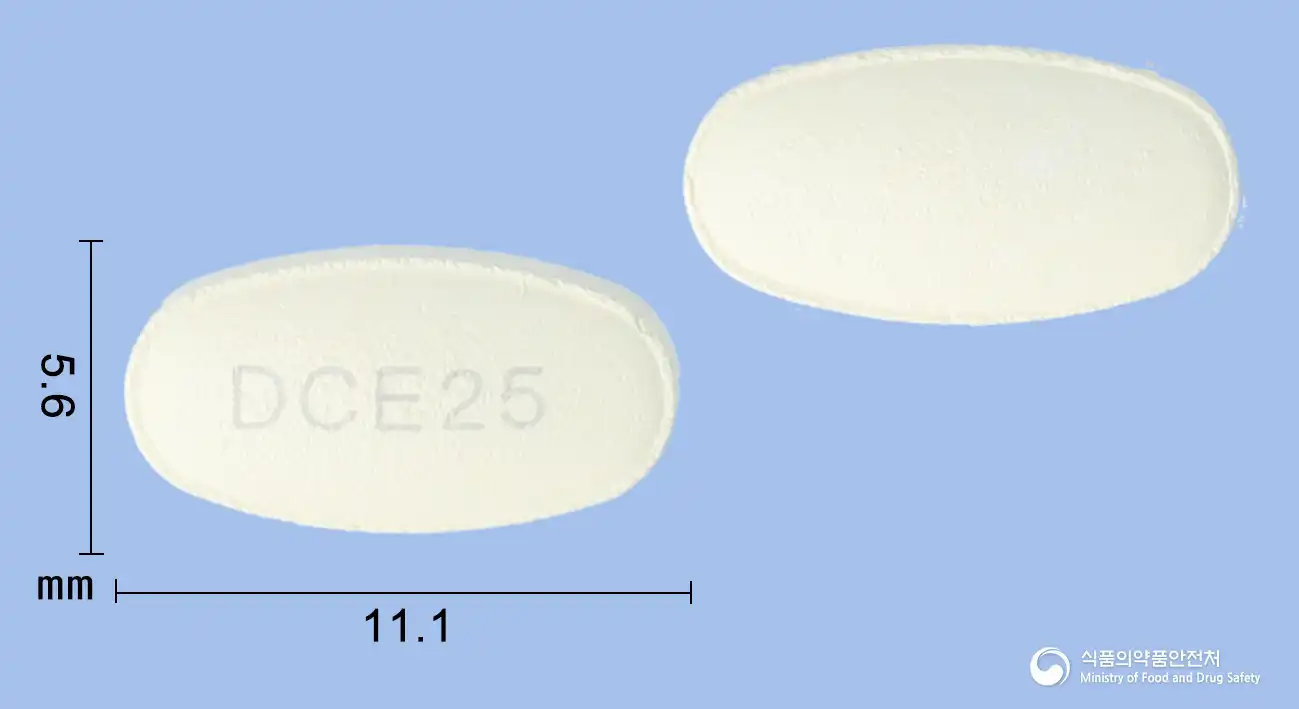
Empagliflozin 25mg
Tablet · Prescription medication
Donggu Bio Pharmaceutical Co., Ltd.
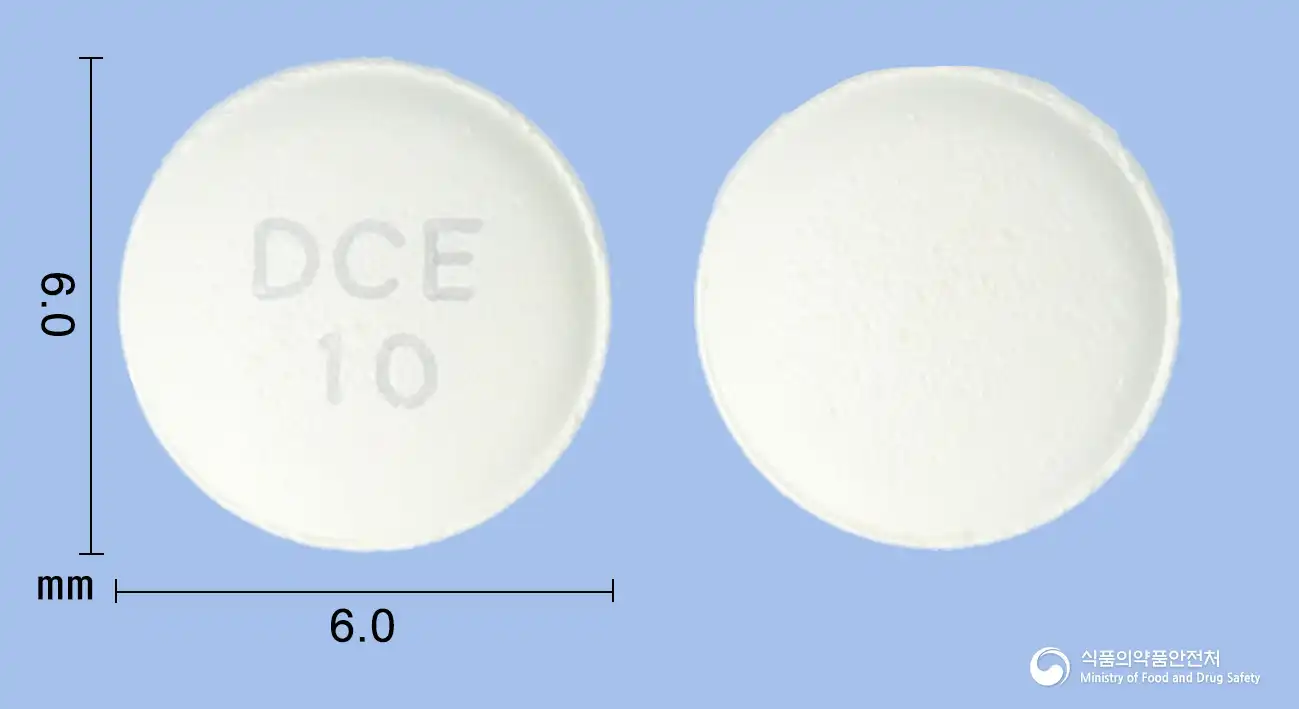
Empagliflozin 10mg
Tablet · Prescription medication
Dong Gu Bio Pharmaceutical Co., Ltd.
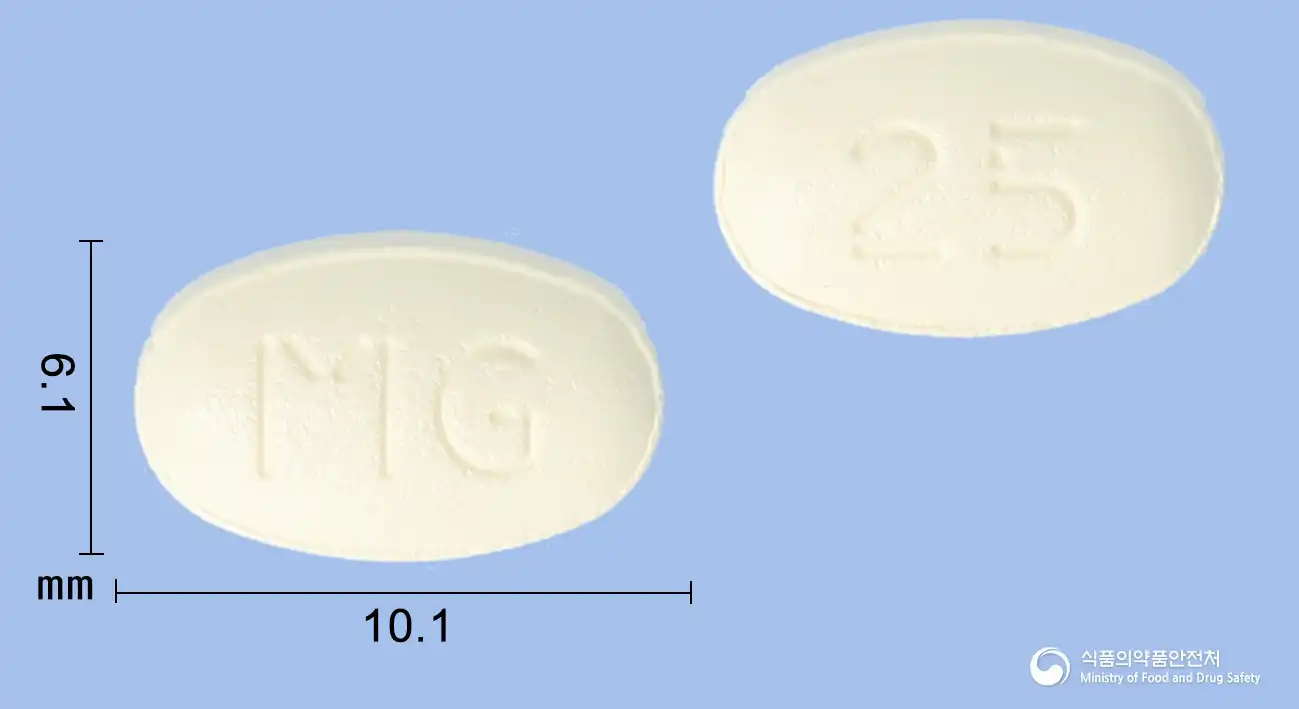
Empagliflozin 25mg
Tablet · Prescription medication
Korea Prime Pharmaceuticals Co., Ltd.
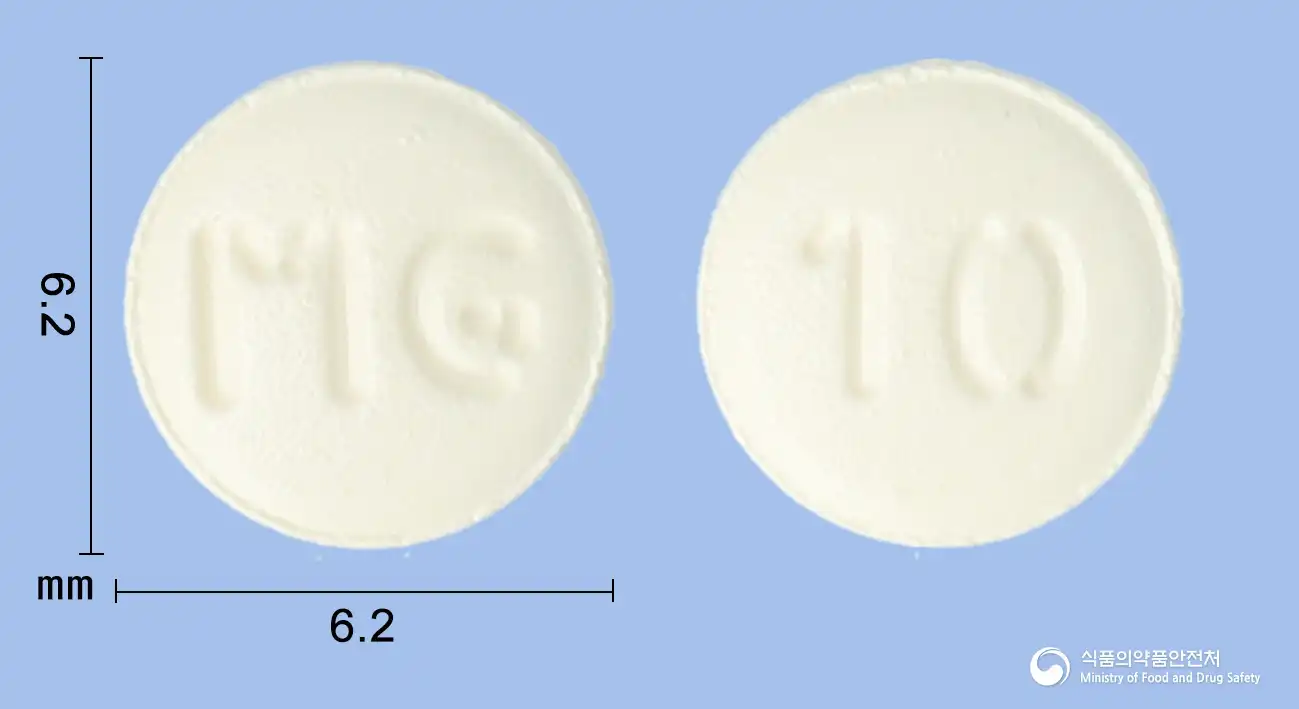
Empagliflozin 10mg
Tablet · Prescription medication
Korea Prime Pharmaceutical Co., Ltd.
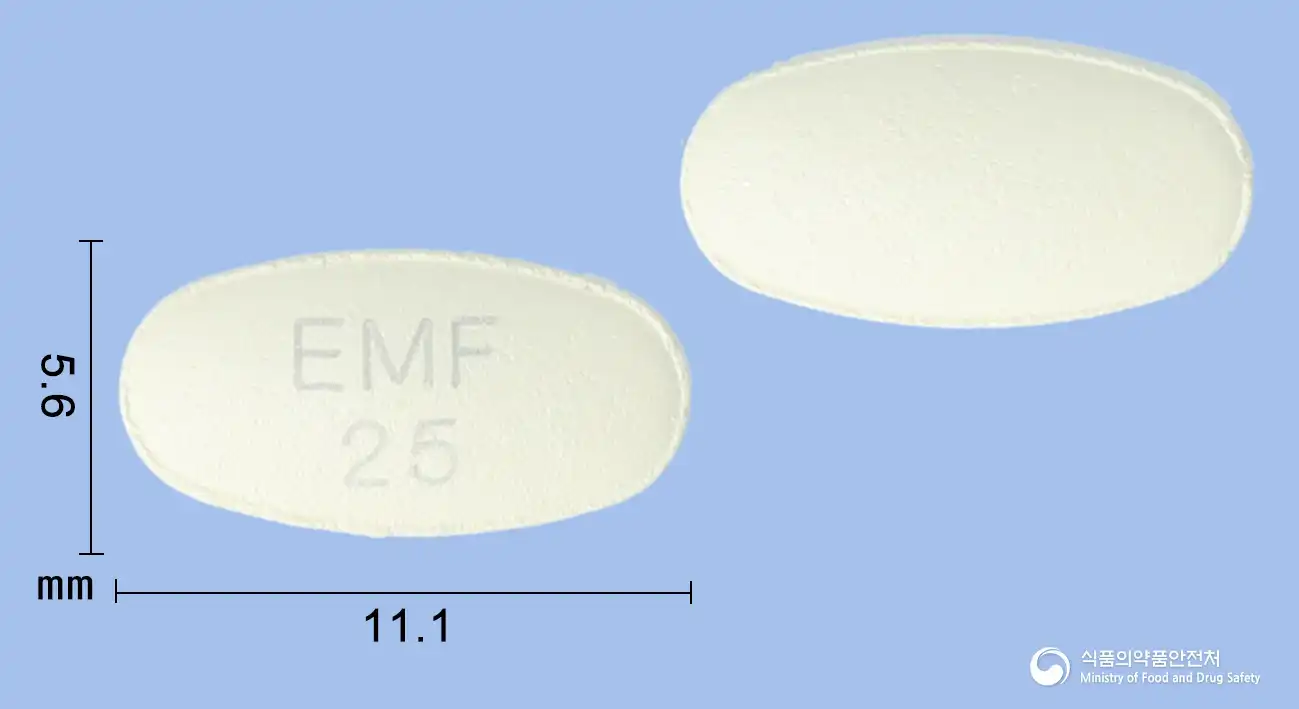
Empagliflozin 25mg
Tablet · Prescription medication
Kips Biopharma Co., Ltd.
Even with the same ingredient, the dose and directions can differ by strength and dosage form. Talk to a doctor or pharmacist before switching from a medication you are already taking.
No questions yet.
For anything that needs medical judgment, consult a doctor or pharmacist.
This drug information is based on data provided by the Korea Ministry of Food and Drug Safety.
Consult a doctor or pharmacist for accurate dosage, administration, and usage instructions.