
 한국어
 English
 日本語
 中文(简体)
Dosage form image
Viewing nowEmpagliflozin Tablet 10 mg
Empagliflozin 10mg
Tablet · Prescription medication
Shinpoong Pharmaceutical Co., Ltd.
MFDS item code 202102112 · Approved 2021.03.05
Improvement of glycemic control in adults with type 2 diabetes
This medication is used in conjunction with diet and exercise to help control blood sugar in adults with type 2 diabetes. It can be used alone or in combination with metformin if initial therapy has not been tried or if blood sugar control is difficult with monotherapy. It is also used together with metformin alone, in combination with metformin and pioglitazone or sulfonylureas, or in insulin therapy when blood sugar control is not sufficient. Care should be taken when administering this medication to patients with type 2 diabetes who have cardiovascular diseases. This medication helps improve overall blood sugar management.
The recommended dose of this medicine is 10 mg once daily, whether used as monotherapy or as add-on combination therapy with other glucose-lowering agents, such as insulin. If 10 mg of this medicine is well tolerated and additional glycemic control is needed, the dose may be increased to 25 mg once daily. When this medicine is coadministered with a sulfonylurea or insulin, a reduction in the dose of the sulfonylurea or insulin may be considered to reduce the risk of hypoglycemia (see Precautions, 3. Adverse Reactions). This medicine may be taken with or without food. Swallow the tablet whole. If you miss a dose, take it as soon as you remember. Do not take double the dose in one day. No dose adjustment is necessary in patients with mild renal impairment. Treatment with this medicine should not be initiated in patients with an estimated glomerular filtration rate (eGFR) < 60 ml/min/1.73m2 [or CrCl < 60 ml/min]. In patients who tolerate this medicine well and whose glomerular filtration rate remains < 60ml/min/1.73m2 [or CrCl < 60 ml/min], the dose should be adjusted to or maintained at 10 mg once daily. This medicine should be discontinued if the glomerular filtration rate decreases to < 45 ml/min/1.73m2 [or CrCl < 45 ml/min]. Do not use this medicine in patients with end-stage renal disease (ESRD) or those on dialysis, because efficacy is not expected. No dose adjustment is necessary in patients with mild or moderate hepatic impairment. Use of this medicine is not recommended in patients with severe hepatic impairment, as it has not been studied in this population. No dose adjustment based on age is necessary. Renal function and the risk of volume depletion should be considered in patients aged 75 years or older. Initiation of treatment with this medicine is not recommended in patients aged 85 years or older because clinical experience is limited (see Precautions, 4. General Precautions).
This medication should not be used in patients who have an allergic reaction to the active ingredient or any of the components. It should not be given to patients with type 1 diabetes or diabetic ketoacidosis. Patients with severely reduced kidney function or those undergoing dialysis should also avoid taking this medication. Moreover, patients with lactose intolerance or genetic lactose metabolism disorders should not take this medication due to the lactose included in it. This medication should be administered cautiously in patients with mild kidney impairment, and it should be discontinued if kidney function worsens. In patients with heart failure in the mild stage, it should be used with caution and is not recommended for those with severe heart failure. When used with insulin or insulin secretagogues, there may be a risk of hypoglycemia, so dosage adjustments may be necessary. This medication may cause side effects such as hypoglycemia, genital infections, urinary tract infections, increased urination, and decreased fluid volume, so symptoms should be closely monitored. In particular, serious metabolic abnormalities such as ketoacidosis may occur, and if symptoms such as vomiting, abdominal pain, or shortness of breath appear, you should visit a hospital immediately. Elderly patients are at higher risk of fluid volume loss, so caution is necessary, and fluid status and blood pressure should be regularly monitored. This medication may affect certain test results during blood sugar control, so it's important to discuss monitoring methods with healthcare professionals. Women who are pregnant or planning to become pregnant should avoid taking this medication, and breastfeeding should be discontinued if nursing. This medication is not used in children under 18 years of age as safety and efficacy have not been established. No specific toxic symptoms have been reported in cases of overdose, but if any abnormal symptoms occur, notify a healthcare professional immediately. This medication should be kept out of the reach of children, and it should not be transferred to other containers.
Hypoglycemia, ketoacidosis, vulvovaginitis, balanitis, other genital infections, urinary tract infection, perineal necrosis, pruritus, rash, urticaria, angioedema, decreased fluid volume, increased urination, difficulty urinating, interstitial nephritis, thirst, increased serum lipids, increased serum creatinine, decreased glomerular filtration rate, increased hematocrit, uro sepsis, pyelonephritis, diarrhea, nausea, gastric ulcer, colitis, vomiting, ischemic colitis, gastrointestinal bleeding, soft tissue infection, appendiceal abscess, appendicitis, meningitis, chronic otitis media, peritonsillar abscess, pneumonia, pulmonary tuberculosis, sepsis, subcutaneous abscess, tubo-ovarian abscess, vestibular neuritis, headache, cerebral infarction, intracranial aneurysm, fever, vascular stenosis of stents, thrombosis of vascular stents, ureteral calculi, acute kidney injury, cervical inflammation, hyperglycemia, hyponatremia, diabetic foot, low back pain, glaucoma, pathological myopia, retinal detachment, retinal vein occlusion, macular retinal detachment, limb injury, road traffic accident, splenic injury, sternum fracture, angina, Prinzmetal angina, coronary artery disease, deep vein thrombosis, benign neoplasm of the dilated portion of the renal tubule, benign ovarian tumor, bladder cancer, gastric cancer, pancreatic carcinoma, rectal cancer, thyroid cancer, uterine leiomyoma, acute cholecystitis, autoimmune hepatitis, cholelithiasis, upper abdominal pain, dental caries, gastric ulcer, erosive gastritis, abdominal discomfort, dry mouth, gastroesophageal reflux disease, abdominal distension, rectal bleeding, chronic gastritis, enteritis, bloating, gastric polyp, gingival swelling, passage of blood in stool, hemorrhoids, pancreatic cyst, rectal pain, toothache, upper respiratory infection, bronchitis, chronic sinusitis, gastroenteritis, Helicobacter infection, periodontitis, chronic tonsillitis, conjunctivitis, influenza, laryngitis, paronychia, tinea corporis, dental abscess, nasopharyngitis, positional dizziness, sensory loss, paresthesia, amnesia, carotid artery stenosis, diabetic neuropathy, facial paralysis, memory impairment, neuralgia, Parkinsonism, polyneuropathy, drowsiness, CNS-origin vertigo, fatigue, peripheral edema, facial edema, peripheral swelling, chills, strange sensation, edema, pain, pain at puncture site, weight gain, electrocardiogram abnormalities, decreased hemoglobin, increased hemoglobin, positive Helicobacter test, positive urine red blood cells, hematuria, hyperactive bladder, renal mass, urinary retention, urinary tract pain, abnormal urination, benign prostatic hyperplasia, erectile dysfunction, atrophic vaginitis, cervical dysplasia, vaginal discharge, hypoglycemia, decreased appetite, pica, hyperlipidemia, vitamin D deficiency, dermoid cyst, seborrheic dermatitis, atopic dermatitis, circular eczema, prickly heat, sebaceous gland hyperplasia, lumbar spinal canal stenosis, myalgia, limb pain, musculoskeletal chest pain, arthralgia, cervical stenosis, fibromyalgia, flank pain, fracture pain, muscular weakness, musculoskeletal pain, osteoarthritis, osteoporosis, rotator cuff syndrome, astigmatism, cataracts, allergic conjunctivitis, blurred vision, corneal erosion, macular fibrosis, ocular discomfort, ocular congestion, eyelid swelling, visual impairment, vitreous floaters, vitreous hemorrhage, epistaxis, asthma, age-related shortness of breath, productive cough, allergic rhinitis, cough, skin laceration, contusion, rib fracture, concussion, corneal abrasion, fall, hand fracture, iliolumbar ligament syndrome, open eye injury, pelvic fracture, palpitations, tachycardia, atherosclerosis, diabetic vascular disorders, peripheral artery occlusive disease, anxiety, depression, sleep disorders, insomnia, acute cholecystitis, hepatitis, otalgia, positional vertigo, anemia, lymphadenopathy, hypothyroidism, thyroid nodule, constipation, herpes zoster, chest discomfort, chest pain, asthenia, weight loss, vulvar pruritus, genital pruritus, dyslipidemia, diabetic retinopathy, dry eyes, shortness of breath
Not everyone experiences these, and they can vary from person to person.
This medication should be stored in a tightly closed container to avoid exposure to air or moisture. It is best to keep the storage temperature between 1 to 30 degrees Celsius at room temperature.
Light yellow, round, biconvex film-coated tablet
10 tablets/box (10 tablets/PTP x 1), 30 tablets/box (10 tablets/PTP x 3), 30 tablets/bottle
Even with the same ingredient, strength, dosage form and how it is taken can differ.
Empagliflozin 10mg
Tablet · Prescription medication
Shinpoong Pharmaceutical Co., Ltd.
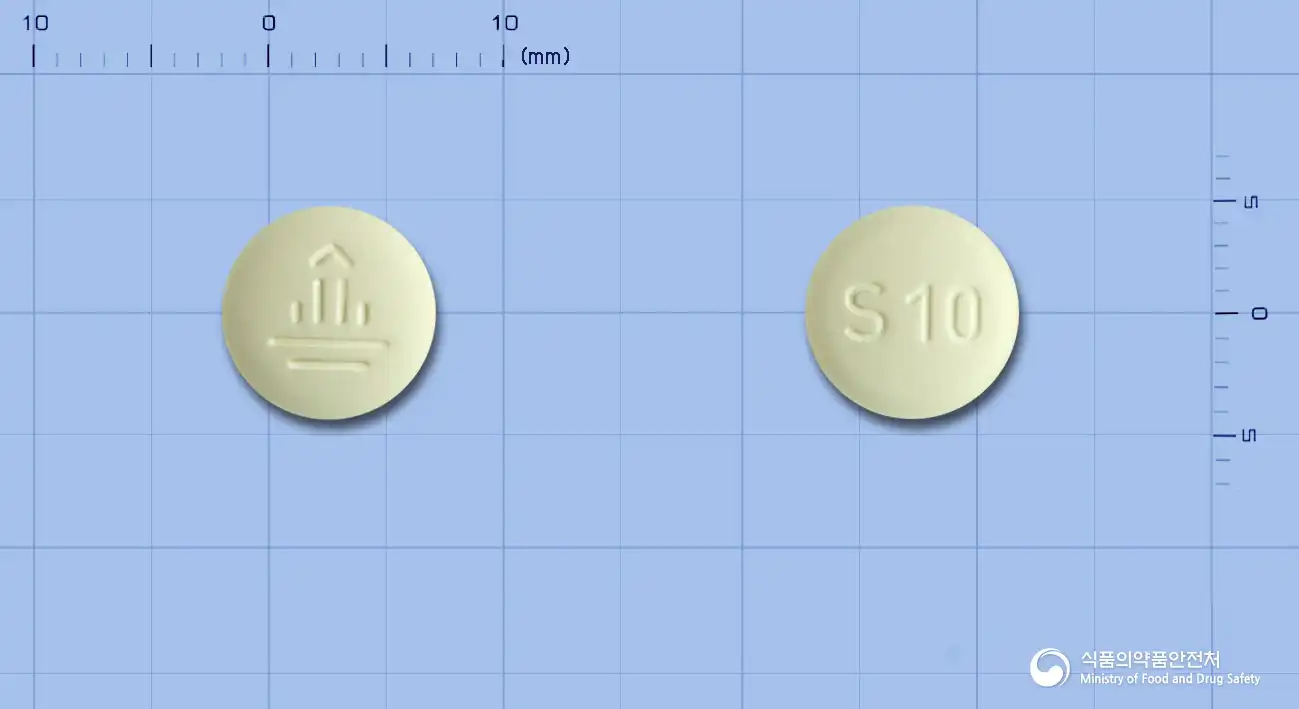
Empagliflozin 10mg
Tablet · Prescription medication
Boehringer Ingelheim Korea Co., Ltd.
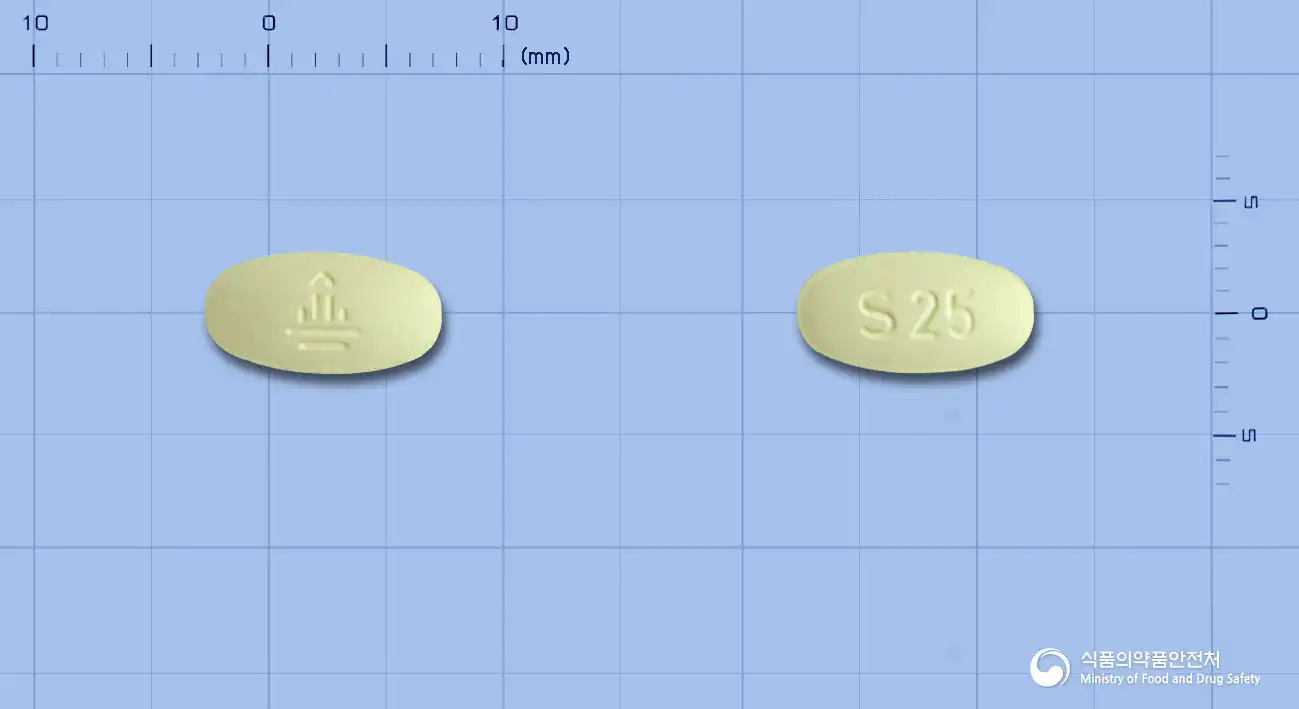
Empagliflozin 25mg
Tablet · Prescription medication
Boehringer Ingelheim Korea Co., Ltd.
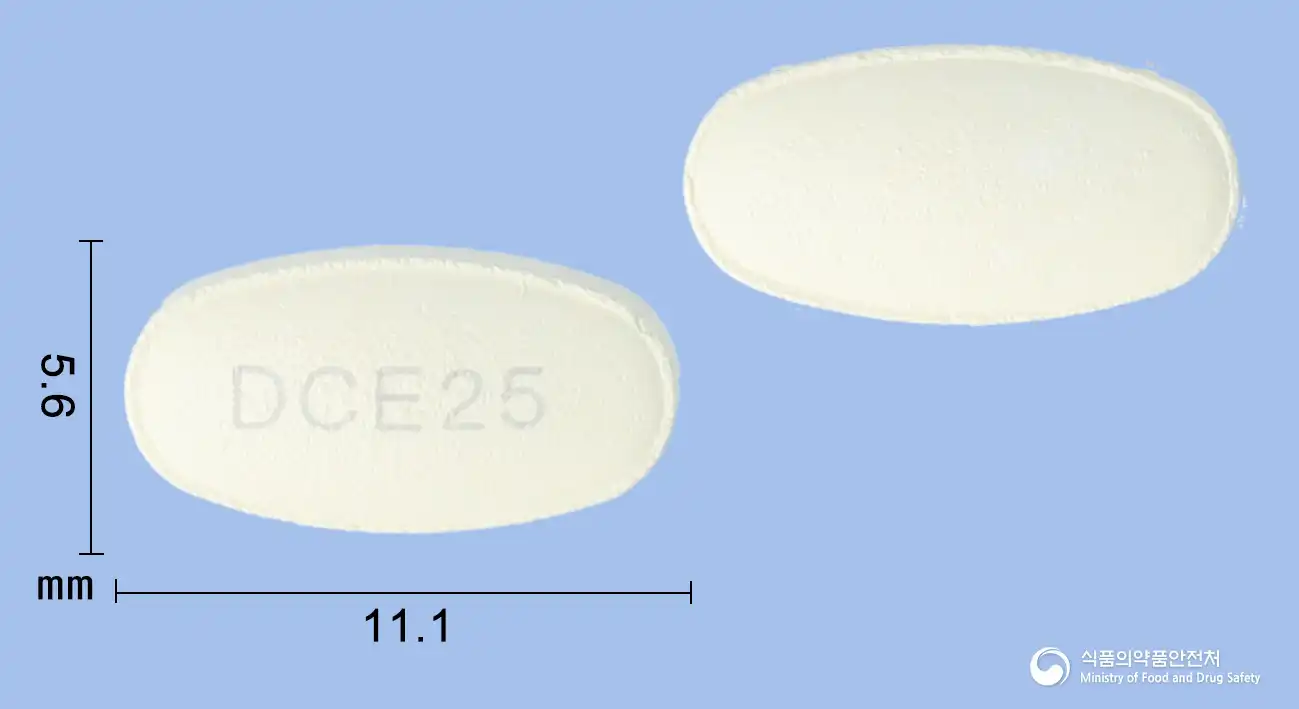
Empagliflozin 25mg
Tablet · Prescription medication
Donggu Bio Pharmaceutical Co., Ltd.
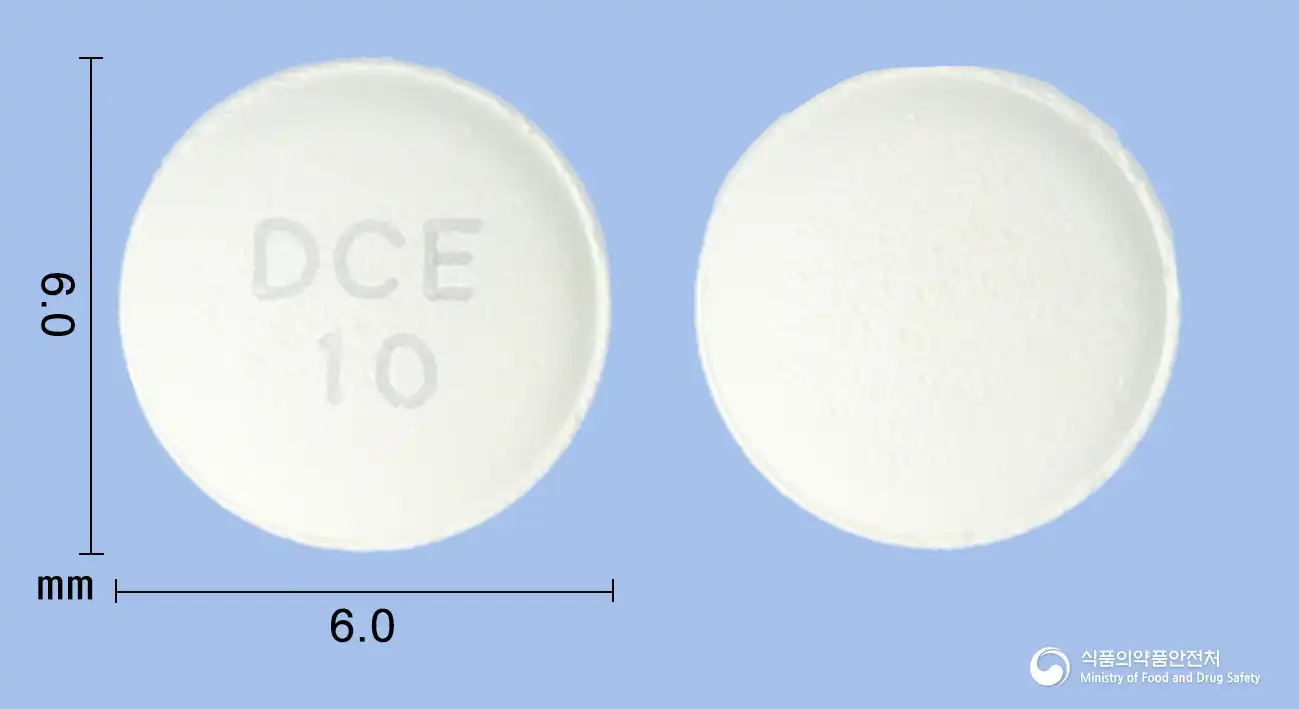
Empagliflozin 10mg
Tablet · Prescription medication
Dong Gu Bio Pharmaceutical Co., Ltd.
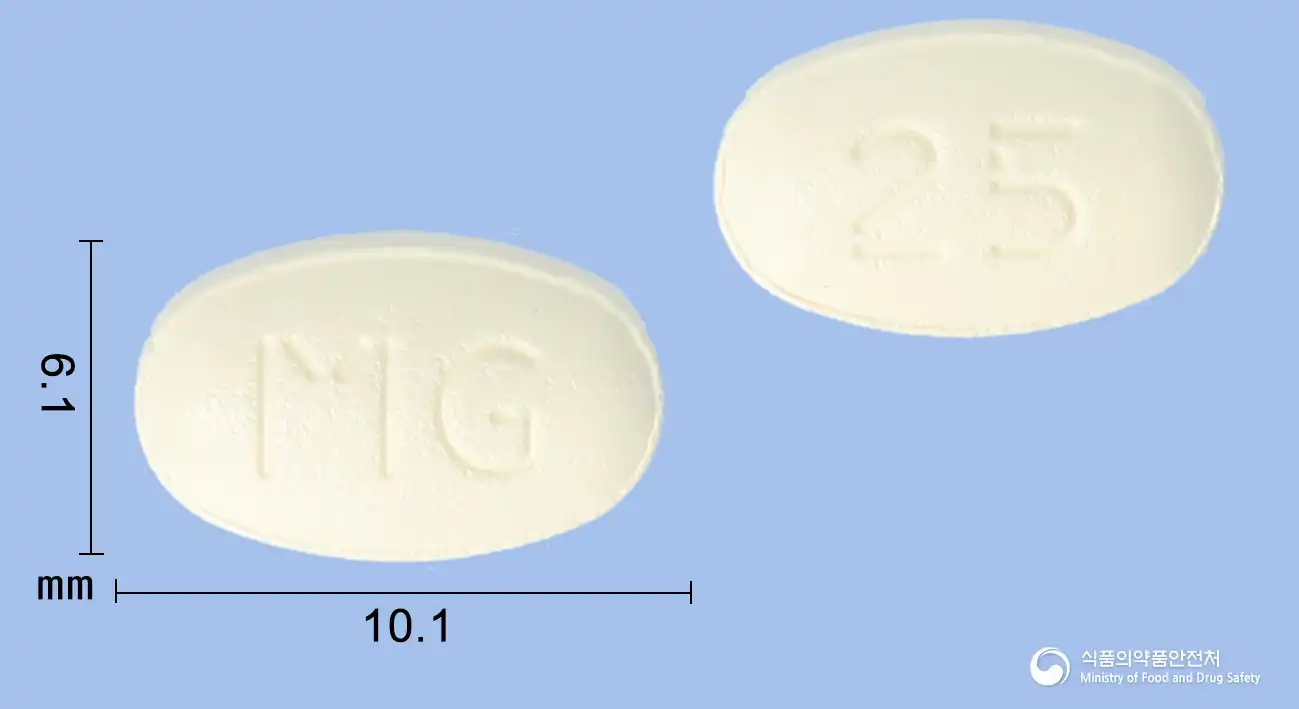
Empagliflozin 25mg
Tablet · Prescription medication
Korea Prime Pharmaceuticals Co., Ltd.
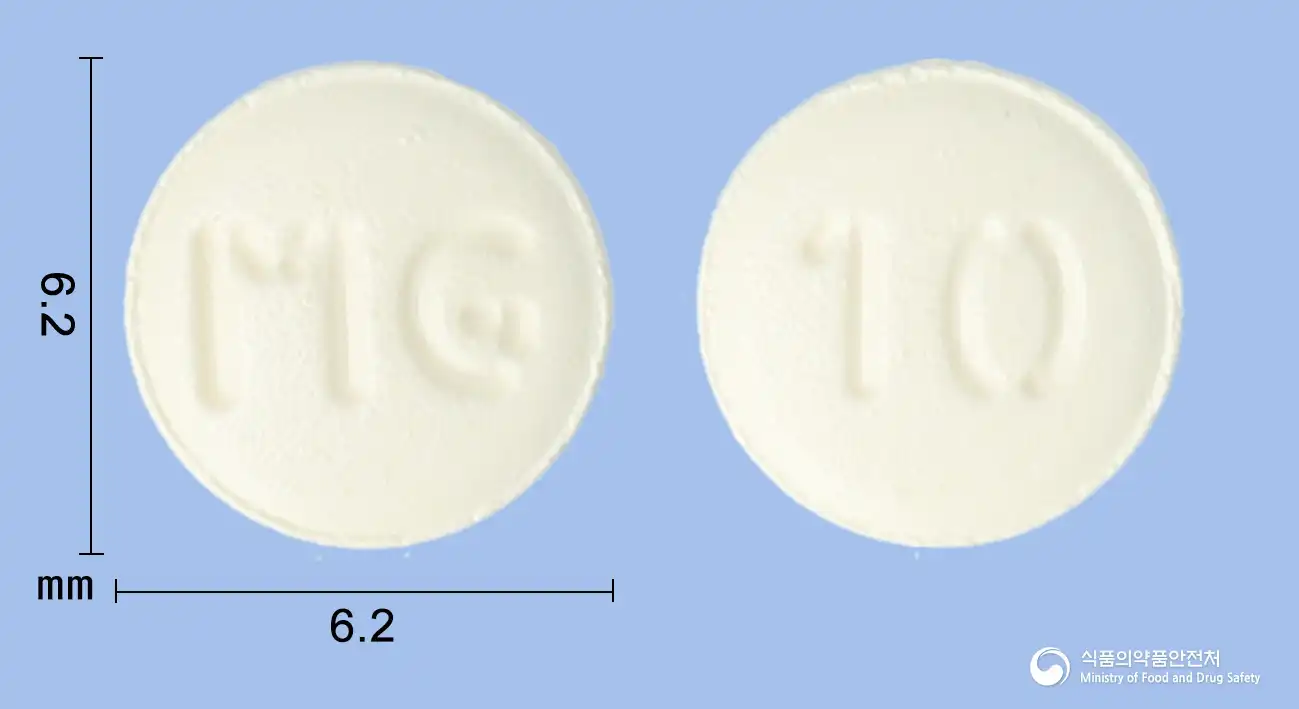
Empagliflozin 10mg
Tablet · Prescription medication
Korea Prime Pharmaceutical Co., Ltd.
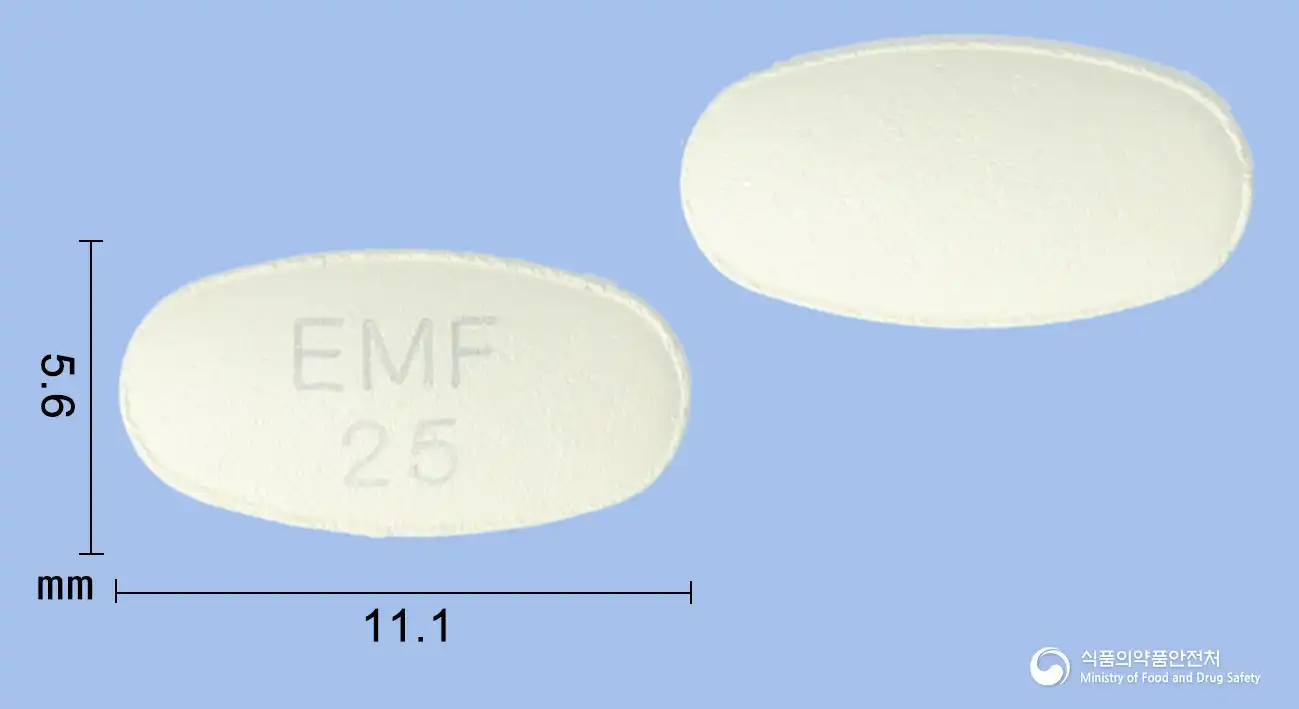
Empagliflozin 25mg
Tablet · Prescription medication
Kips Biopharma Co., Ltd.
Even with the same ingredient, the dose and directions can differ by strength and dosage form. Talk to a doctor or pharmacist before switching from a medication you are already taking.
No questions yet.
For anything that needs medical judgment, consult a doctor or pharmacist.
This drug information is based on data provided by the Korea Ministry of Food and Drug Safety.
Consult a doctor or pharmacist for accurate dosage, administration, and usage instructions.