
 한국어
 English
 日本語
 中文(简体)
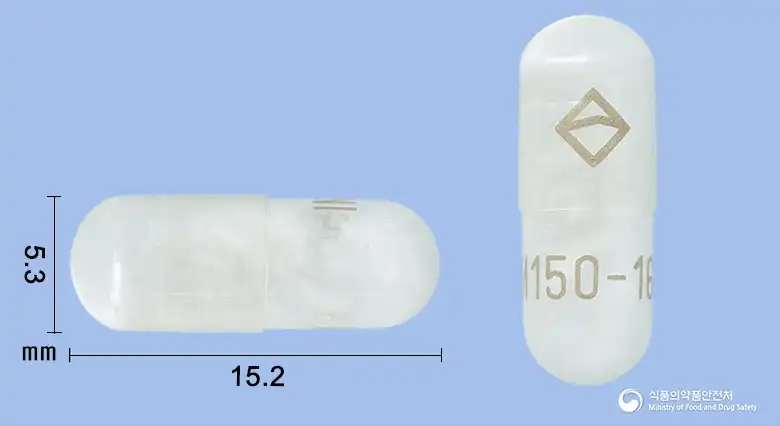 Viewing nowCombination
Atectra Inhalation Capsule 150/160 Micrograms
Indacaterol Acetate 0.173mg · Mometasone Furoate 0.16mg
Prescription medication · Combination
Korea Novartis Co., Ltd.
MFDS item code 202009235 · Approved 2020.12.24 · Insurance code 653603330
Maintenance treatment of asthma in adults and adolescents aged 12 years and older
This medication helps adults and adolescents aged 12 and older effectively manage asthma symptoms once daily. It is appropriately used as a combination therapy with a long-acting beta2 agonist and an inhaled corticosteroid for chronic maintenance treatment of asthma. This treatment helps reduce airway inflammation and aids in bronchial dilation, promoting easier breathing. It is effective in improving patient symptoms and preventing asthma attacks. Regular use allows for more stable asthma management. Therefore, this medication is used for maintenance treatment of asthma.
In adult patients who require combination therapy with a long-acting beta2 agonist and an inhaled corticosteroid, inhale 1 capsule of this medicine at a dose of 150/80 micrograms, 150/160 micrograms, or 150/320 micrograms once daily, according to the patient's condition. When this medicine is inhaled, patients generally experience improved lung function within 5 minutes. However, to maintain control of asthma symptoms, use it regularly every day and continue using it even when there are no symptoms. The maximum recommended dose is 150/320 micrograms of this medicine once daily. Patients with renal impairment: No dose adjustment is required. No dose adjustment is required in patients with mild to moderate hepatic impairment. There are no data on the use of this medicine in patients with severe hepatic impairment; therefore, it should be used in such patients only if the expected benefit outweighs the potential risk. Elderly patients (aged 65 years and older): No dose adjustment is required. Load 1 capsule of this medicine into the supplied inhaler and inhale through the mouth. This medicine is for inhalation only; the capsule must not be swallowed. Educate patients on the correct way to administer this medicine, and if a patient does not experience improved breathing, check whether they have been swallowing the capsule without inhaling it. This medicine must be administered using the supplied Breezhaler inhaler for this medicine. Use a new inhaler supplied with each new prescription. Administer this medicine at the same time each day, at any time of day. Always store the capsules in the blister, protected from moisture and light, and open immediately before use. Rinse the mouth with water after inhalation and do not swallow the rinse water. If a dose is missed, take it as soon as possible on the same day. Do not take more than 1 dose per day.
Adolescents aged 12 years and older: In patients who require combination therapy with a long-acting beta2-agonist and an inhaled corticosteroid, inhale 1 capsule of this medicine at a dose of 150/80 micrograms, 150/160 micrograms, or 150/320 micrograms once daily, according to the patient's condition. The maximum recommended dose is 150/320 micrograms of this medicine once daily. Children under 12 years of age: The safety and efficacy of this medicine have not been established in pediatric patients under 12 years of age.
This medication should not be used during acute asthma symptoms or acute bronchospasm. If asthma symptoms suddenly worsen or the use of a rescue bronchodilator becomes more frequent, medical attention should be sought immediately. Discontinuing this medication may lead to a return of asthma symptoms, so it should not be stopped arbitrarily without a doctor's supervision. If asthma symptoms do not improve or worsen during treatment, contact a physician immediately. If allergic reactions, angioedema, urticaria, or skin rashes occur after using this medication, stop use immediately and switch to other treatment. This medication can rarely cause paradoxical bronchospasm, which is bronchoconstriction that occurs as a reaction; if such symptoms occur, use should be stopped immediately. Patients with allergies to this medication or its components or those with specific genetic lactose issues should not use it. Patients with certain conditions such as heart disease, seizures, thyroid issues, hypokalemia, diabetes, or chronic infections should use this medication cautiously. Common side effects that may occur with this medication include headache, infection, hypersensitivity, angioedema, hyperglycemia, oropharyngeal pain, rash, and myalgia. As this medication can affect the cardiovascular system, those with heart disease should be monitored carefully if symptoms occur. Blood potassium levels may decrease, which can affect the heart, so testing may be needed if necessary. Diabetic patients should closely monitor changes in blood glucose levels. Due to the inhaled steroid component, prolonged high-dose use may cause systemic side effects, so it should be used at the minimum effective dose possible. The effects on the fetus of using this medication during pregnancy are not fully established; it should only be used if deemed necessary by a physician. During breastfeeding, this medication may partly excrete into breast milk, so the benefits and the mother's therapeutic needs should be considered together. Overdosage of this medication may result in symptoms such as increased heart rate, tremors, headache, vomiting, drowsiness, hypokalemia, and hyperglycemia, thus immediate medical assistance should be sought. It is for inhalation use only, and capsules should not be swallowed. It must be administered using the dedicated Breezhaler inhaler with correct methods, and the instructions must be learned thoroughly. After administration, rinse the mouth with water and do not swallow the rinsed water. Store the medication away from moisture and light in a cool place at or below 25 degrees Celsius, and keep it out of reach of children.
Not everyone experiences these, and they can vary from person to person.
This medication should be stored in a cool place at or below 25 degrees Celsius, being careful to avoid exposure to light and moisture. Additionally, it is important to store it in a sealed container to prevent air exposure.
An inhalation capsule containing a white to almost white powder with a colorless transparent upper and lower part (attached to the Breezhaler inhaler)
30 capsules/pack
Even with the same ingredient, strength, dosage form and how it is taken can differ.
Viewing nowCombinationIndacaterol Acetate 0.173mg · Mometasone Furoate 0.16mg
Prescription medication · Combination
Korea Novartis Co., Ltd.
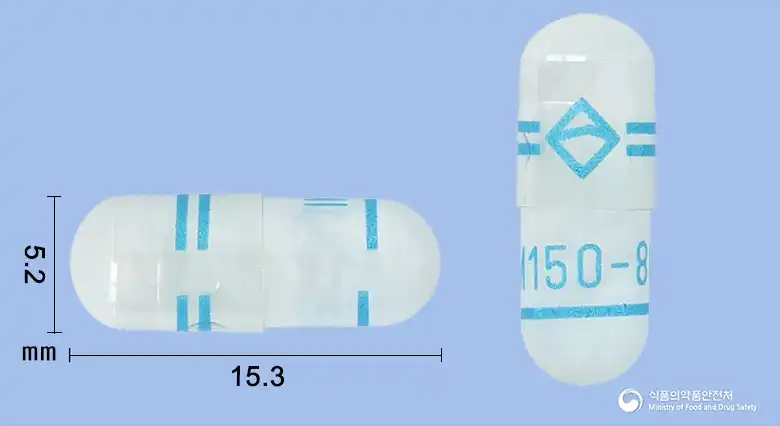 Combination
Indacaterol Acetate 0.173mg · Mometasone Furoate 0.08mg
Prescription medication · Combination
Novartis Corporation
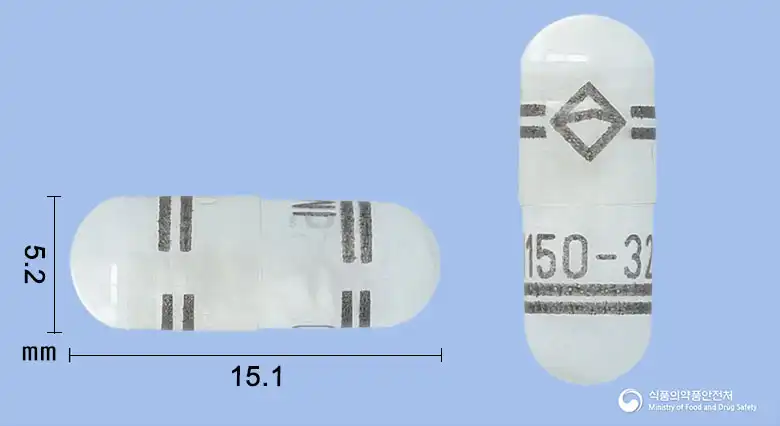 Combination
Indacaterol Acetate 0.173mg · Mometasone Furoate 0.32mg
Prescription medication · Combination
Korea Novartis Co., Ltd.
Even with the same ingredient, the dose and directions can differ by strength and dosage form. Talk to a doctor or pharmacist before switching from a medication you are already taking.
No questions yet.
For anything that needs medical judgment, consult a doctor or pharmacist.
This drug information is based on data provided by the Korea Ministry of Food and Drug Safety.
Consult a doctor or pharmacist for accurate dosage, administration, and usage instructions.