
 한국어
 English
 日本語
 中文(简体)
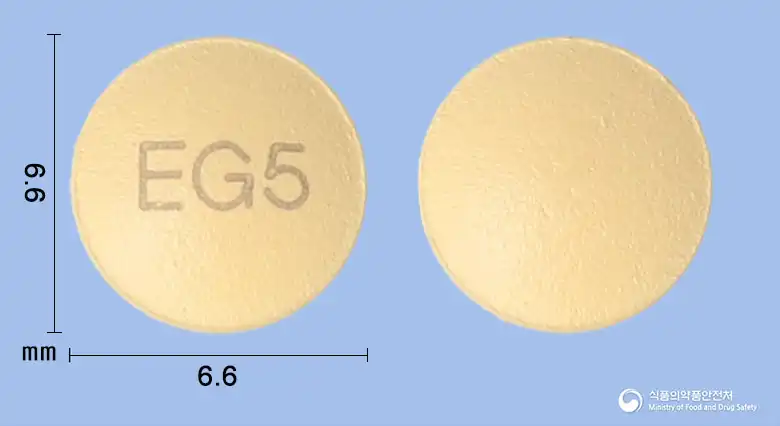 Viewing now
Exiglu Tablet 5mg (Dapagliflozin)
Dapagliflozin 5mg
Tablet · Prescription medication
Jongkundang Co., Ltd.
MFDS item code 202003939 · Approved 2020.05.28 · Insurance code 643308580
Treatment of type 2 diabetes, chronic heart failure, and chronic kidney disease
This medication is used in conjunction with dietary and exercise therapy to improve blood sugar control in patients with type 2 diabetes. Additionally, it helps reduce the risk of cardiovascular disease-related mortality and hospitalization due to heart failure in chronic heart failure patients. It is also effective in patients with chronic kidney disease by lowering the risks of declining kidney function and cardiovascular disease-related mortality. This medication can be safely used alone or in combination with other standard treatments. It can be used cautiously in diabetic patients with cardiovascular risks, contributing to overall improvements in blood sugar control, cardiovascular, and kidney health.
Type 2 diabetes mellitus Monotherapy and add-on combination therapy The recommended dose of this medicine is 10 mg once daily for monotherapy or add-on combination therapy with other glucose-lowering agents, such as insulin. When this medicine is used in combination with insulin or insulin secretagogues such as sulfonylureas, a lower dose of insulin or the insulin secretagogue may be considered to reduce the risk of hypoglycemia. Initial combination therapy For patients who have not previously received pharmacological treatment for diabetes, the recommended initial dose of this medicine when administered in combination with metformin is 5 mg once daily or 10 mg once daily. Chronic heart failure and chronic kidney disease The recommended dose of this medicine is 10 mg once daily. Special populations Renal impairment - eGFR less than 45 mL/min/1.73m2: Use of this medicine to improve glycemic control is not recommended. - eGFR less than 25 mL/min/1.73m2: Initiation of this medicine is not recommended in patients with chronic heart failure or chronic kidney disease. - Patients on dialysis: Do not administer this medicine. Hepatic impairment No dose adjustment is necessary in patients with mild or moderate hepatic impairment. For patients with severe hepatic impairment, an initial dose of 5 mg is recommended. If well tolerated, this dose may be increased to 10mg. Elderly (≥ 65 years) Dose adjustment based on age is not recommended. Method of administration This medicine may be taken orally once daily at any time of day, with or without food. The tablet should be swallowed whole.
The efficacy and safety of dapagliflozin in children under 18 years of age have not been established. No relevant data are available.
This medication should not be used in certain patients. Patients with allergies to the active ingredient or excipients of this medication, patients with type 1 diabetes or diabetic ketoacidosis, and those with lactose intolerance or specific genetic problems should not be administered this medication. Additionally, patients undergoing dialysis should not use this medication. It should be used cautiously in patients with decreased fluid volume or kidney function issues. This medication may lower blood pressure or reduce blood volume, which can lead to symptomatic hypotension or rapid changes in kidney function. This risk may be higher in patients with decreased kidney function, the elderly, and those taking diuretics, thus careful monitoring is necessary before and during administration. Adverse effects of this medication may include genital infections, urinary tract infections, hypoglycemia, reduced fluid volume, and diabetic ketoacidosis. Genital infections are more common in women, usually with mild symptoms that respond well to treatment, but in rare cases, treatment discontinuation may be necessary. Hypoglycemia is more likely to occur when this medication is used with insulin or blood glucose-lowering agents like sulfonylureas, requiring careful attention. This medication is not recommended for patients with severely impaired liver function, and the elderly may be more susceptible to reduced fluid volume and changes in kidney function, necessitating caution. Also, glucose may be detected in urine tests while taking this medication. Pregnant women should not use this medication, and it should be discontinued immediately upon confirmation of pregnancy. Furthermore, breastfeeding women should also not take this medication. This medication may interact with other drugs; therefore, especially in cases where diuretics, insulin, or blood glucose-lowering agents are used together, dosage adjustments and caution are required. Patients taking lithium should frequently monitor serum lithium levels. In case of overdose, there is no specific antidote, so symptomatic treatment should be given, and medical assistance should be sought if necessary. Finally, this medication does not significantly affect the ability to drive or operate machinery, but when taken with other blood glucose-lowering agents, the risk of hypoglycemia should be acknowledged and precautions taken.
vulvovaginitis, balanitis and related genital infections, urinary tract infections, fungal infections, perineal necrosis, hypoglycemia, decreased fluid volume, thirst, diabetic ketoacidosis, dizziness, constipation, dry mouth, back pain, dysuria, polyuria, nocturia, interstitial tubulonephritis, vulvar itching, genital itching, elevated hematocrit, decreased creatinine clearance in the early treatment phase, dyslipidemia, increased serum creatinine in the early treatment phase, elevated blood urea, weight loss, urosepsis, pyelonephritis, acute kidney injury, renal dysfunction, rash, angioedema, weakness, pain, keratitis, chronic obstructive pulmonary disease, hemoptysis, cerebral hemorrhage, peripheral artery occlusion, angina, myocardial infarction, biliary stones, cholangitis, alcoholic cirrhosis, depression, suicide attempt, gastric adenocarcinoma, anaphylactic reaction, acute pyelonephritis, chest pain, chronic gastritis, diverticulitis, pneumoperitoneum, frequent bowel movements, gastroenteritis, colon polyp, intestinal perforation, epigastric discomfort, functional dyspepsia, erosive gastritis, gum disease, gum pain, hemorrhoids, hiatal hernia, irritable bowel syndrome, melena, chronic pancreatitis, urgency, diabetic nephropathy, overactive bladder, microalbuminuria, stress urinary incontinence, urinary hesitancy, urinary stones, abnormal urination, increased blood lactate, lymphocytopenia, vitamin D deficiency, increased appetite, taste disturbances, drowsiness, tension headache, carpal tunnel syndrome, cerebral infarction, diabetic neuropathy, coma, nerve compression, neuralgia, peripheral neuropathy, sleep disorders, syncope, tremor, bronchitis, herpes zoster, sinusitis, tonsillitis, diverticulitis, herpes simplex, stye, joint abscess, laryngitis, otitis media, pelvic inflammatory disease, periodontitis, pneumonia, pulmonary tuberculosis, rhinitis, nail fungus, herpes simplex, edema, fever, foreign body sensation, facial swelling, facial pain, warmth, flu-like symptoms, chest pain, fatigue, pain, edema, foreign body sensation, breast mass, erectile dysfunction, benign prostatic hyperplasia, breast pain, genital rash, menorrhagia, genital edema, uterine bleeding, vaginal bleeding, vulvar discomfort, irregular menstruation, hair loss, dermatitis, dry skin, allergic dermatitis, contact dermatitis, diabetic foot ulcer, excessive sweating eczema, coin-shaped eczema, eczema, hyperkeratosis, nail pigmentation, dermatological lesions, hives, cold sweat, flank pain, fibromyalgia, limb discomfort, muscle cramps, musculoskeletal discomfort, osteopenia, muscle weakness, contusion, road traffic accident, drug overdose, ankle fracture, orbital fracture, foot fracture, gastrointestinal foreign body, hand fracture, iliac fracture, laceration, ligament tear, limb injury, meniscus tear, skin abrasion, tendon rupture, thoracic spine fracture, tibia fracture, dental injury, dry eye, eye pain, retinal disorder, vision loss, blepharitis, cataract, conjunctival edema, allergic conjunctivitis, conjunctivitis, diplopia, eyelid edema, keratitis, ocular hypertension, visual impairment, vitreous floaters, oral and pharyngeal pain, allergic rhinitis, asthma, voice disorder, nasal bleeding, sputum, sleep apnea syndrome, wheezing, atherosclerosis, flushing, peripheral coldness, varicose veins, vascular headache, orthostatic hypotension, atrial fibrillation, diastolic dysfunction, palpitations, anxiety disorder, nocturia, auditory hallucinations, insomnia, fatty liver, gallbladder polyp, tinnitus
Not everyone experiences these, and they can vary from person to person.
This medication may be sensitive to air and moisture, so it should be stored in a tightly sealed container. Maintaining a storage temperature between 1 and 30 degrees Celsius at room temperature is important. This will help safely preserve the drug's effectiveness.
Yellow round film-coated tablet
10 tablets/bottle, 30 tablets/bottle
Even with the same ingredient, strength, dosage form and how it is taken can differ.
Viewing nowDapagliflozin 5mg
Tablet · Prescription medication
Jongkundang Co., Ltd.
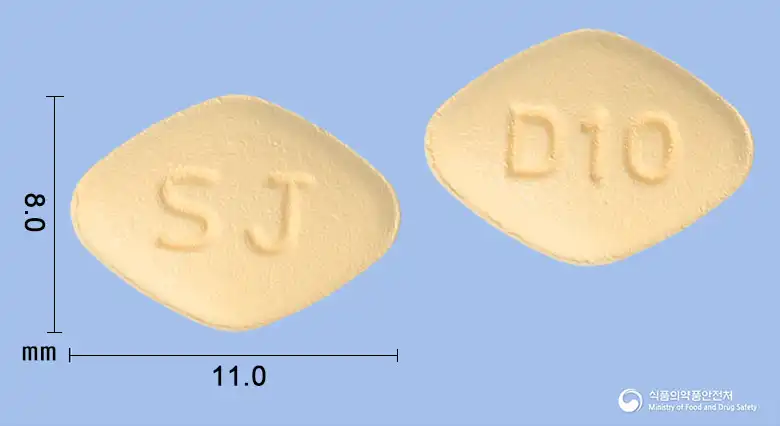
Dapagliflozin 10mg
Tablet · Prescription medication
Samjin Pharmaceutical Co., Ltd.
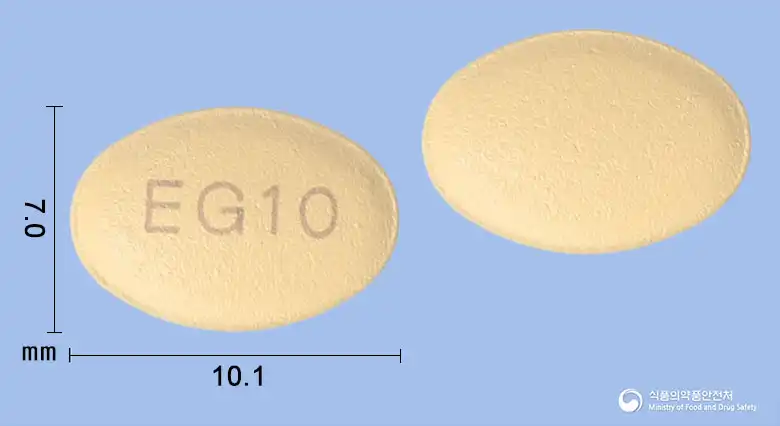
Dapagliflozin 10mg
Tablet · Prescription medication
Jongkundang Co., Ltd.
Dapagliflozin 10mg
Tablet · Prescription medication
Korea Prime Pharma Co., Ltd.
Dapagliflozin 10mg
Tablet · Prescription medication
Withus Pharmaceutical Co., Ltd.
Dapagliflozin 10mg
Tablet · Prescription medication
IYUN Pharmaceutical Co., Ltd.
Dapagliflozin 10mg
Tablet · Prescription medication
Litepharmtech Co., Ltd.
Dapagliflozin 10mg
Tablet · Prescription medication
Samchundang Pharm. Co., Ltd.
Even with the same ingredient, the dose and directions can differ by strength and dosage form. Talk to a doctor or pharmacist before switching from a medication you are already taking.
No questions yet.
For anything that needs medical judgment, consult a doctor or pharmacist.
This drug information is based on data provided by the Korea Ministry of Food and Drug Safety.
Consult a doctor or pharmacist for accurate dosage, administration, and usage instructions.