
 한국어
한국어 English
 日本語
日本語 中文(简体)
 Viewing nowCombination
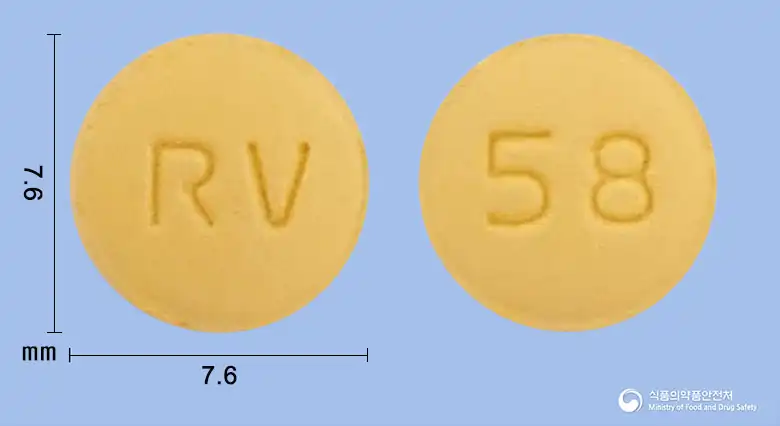
Rovartan Tablet 5/80 mg
Rosuvastatin Calcium 5.2mg · Valsartan 80mg
Tablet · Prescription medication · Combination
Medica Korea Co., Ltd.
MFDS item code 202003857 · Approved 2020.05.26 · Insurance code 646005070
(Hypertension, heart failure) treatment and improvement of (hypercholesterolemia, cardiovascular disease risk)
This medication contains both valsartan and rosuvastatin, and is prescribed only for patients who need to use both medications simultaneously. Valsartan is primarily used to treat essential hypertension and heart failure, and is particularly effective for heart failure patients intolerant to ACE inhibitors, reducing the risk of death post-myocardial infarction. Rosuvastatin is used to manage hypercholesterolemia and dyslipidemia, and is a supplementary treatment when dietary and exercise measures are inadequate. Furthermore, rosuvastatin helps slow the progression of atherosclerosis and reduces the risks of cardiovascular diseases, stroke, and myocardial infarction. This medication plays a crucial role in the prevention and management of cardiovascular diseases such as hypertension, heart failure, and hyperlipidemia, thus aiding in the improvement of patients' health.
◆ Valsartan 1. Essential Hypertension Take with water during meals or between meals. It is recommended to take it at the same time every day (e.g., in the morning) if possible. Regardless of gender or race, an oral dose of 80 mg once a day is recommended as valsartan. For patients whose blood pressure is not well controlled, the dose may be increased to 160 mg once daily or combined with a diuretic. If further blood pressure reduction is needed,
The safety and efficacy have not been established in pediatric and adolescent patients (under 18 years). Therefore, this medication should not be administered to children.
This medication can cause severe harm to the fetus and newborn when taken during pregnancy, especially in the second and third trimesters, so it should be discontinued immediately if pregnancy is confirmed. Women who are pregnant or may become pregnant, as well as nursing mothers, should not take this medication, and women of childbearing age should use appropriate contraception. This medication should not be taken by patients with severely impaired liver or kidney function, patients with certain liver diseases, or patients with myopathy. Elderly patients, patients with high potassium levels, and patients with mild to moderate liver impairment should take this medication with caution and should undergo regular liver function tests. This medication may cause muscle pain or myopathy; if symptoms such as muscle pain, weakness, or cramps occur, consultation with a physician should be sought immediately. It can interact with other medications, so patients taking potassium-sparing diuretics, nonsteroidal anti-inflammatory drugs, lithium, etc., should inform their physician. During treatment with this medication, caution is advised regarding excessive alcohol intake or a history of liver disease. Dizziness may occur when driving or operating machinery. Adverse reactions may include dyspepsia, nausea, headache, and dizziness, and if severe swelling, difficulty breathing, or skin rashes occur, immediate notification of medical staff is required. It is not recommended to use this medication in children and adolescents due to lack of established safety and efficacy. In case of overdose, immediate visit to a medical facility is necessary for appropriate treatment as hypotension or decreased consciousness may occur. This medication should be stored out of reach of children and should not be transferred to another container.
Urticaria, angioedema (swelling of the face, lips, pharynx, tongue), anaphylactoid reaction, shock, syncope, loss of consciousness, rhabdomyolysis, severe hyperkalemia, renal failure, acute renal failure, hepatitis, hepatic failure, jaundice, Stevens-Johnson syndrome, drug reaction with eosinophilia and systemic symptoms (DRESS), severe skin reactions, severe muscle weakness, ocular myasthenia, severe allergic reactions, severe fever
Dyspepsia, nausea, chest discomfort, dizziness, headache, conjunctival hemorrhage, constipation, weakness, chest pain, facial swelling, peripheral edema, nasopharyngitis, urinary tract infection, bruising, increased liver amino transferase levels (AST, ALT), increased creatine phosphokinase levels, increased potassium levels, elevated gamma-glutamyl transpeptidase, musculoskeletal stiffness, limb pain, decreased sensitivity, anxiety, upper respiratory tract infection, pharyngitis, tonsillitis,
Not everyone experiences these, and they can vary from person to person.
This medication is sensitive to light and should be stored in a container that blocks light. Additionally, it should be kept at a temperature between 1 and 30 degrees Celsius to maintain its effectiveness.
Yellow round film-coated tablet
30 tablets/box [(10 tablets/PTP)*3]
Even with the same ingredient, strength, dosage form and how it is taken can differ.
Viewing nowCombinationRosuvastatin Calcium 5.2mg · Valsartan 80mg
Tablet · Prescription medication · Combination
Medica Korea Co., Ltd.
 Combination
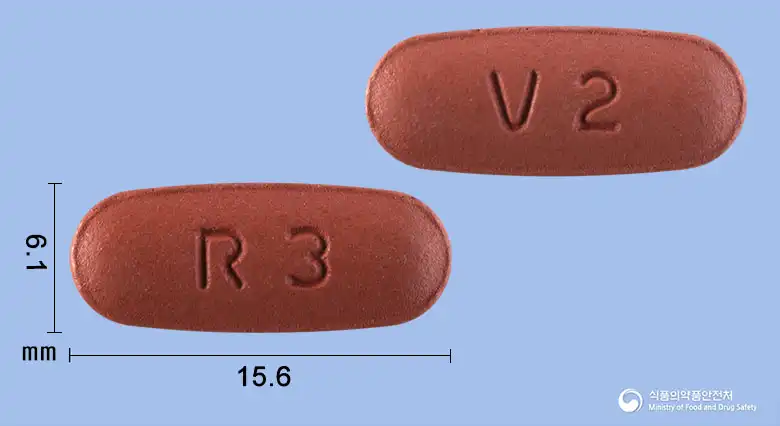
Rosuvastatin Calcium 20.8mg · Valsartan 160mg
Tablet · Prescription medication · Combination
Dongkwang Pharmaceutical Co., Ltd.
 Combination
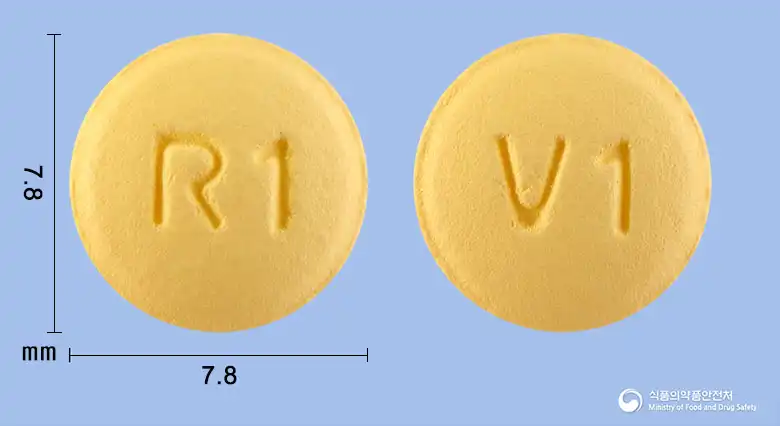
Rosuvastatin Calcium 5.2mg · Valsartan 80mg
Tablet · Prescription medication · Combination
Dongkwang Pharmaceutical Co., Ltd.
 Combination
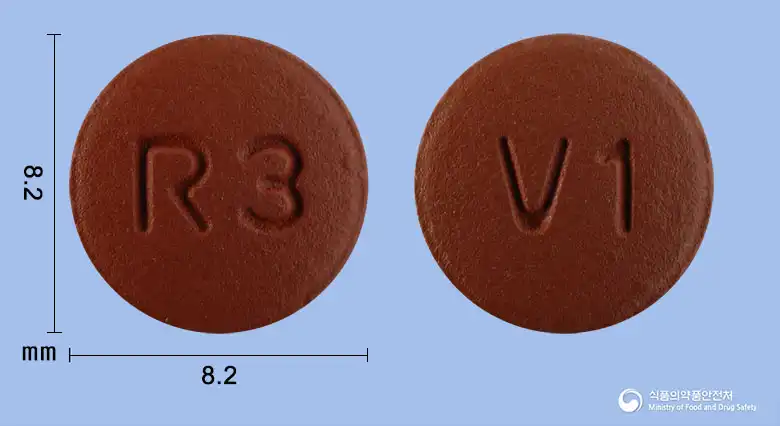
Rosuvastatin Calcium 20.8mg · Valsartan 80mg
Tablet · Prescription medication · Combination
Dongkwang Pharmaceutical Co., Ltd.
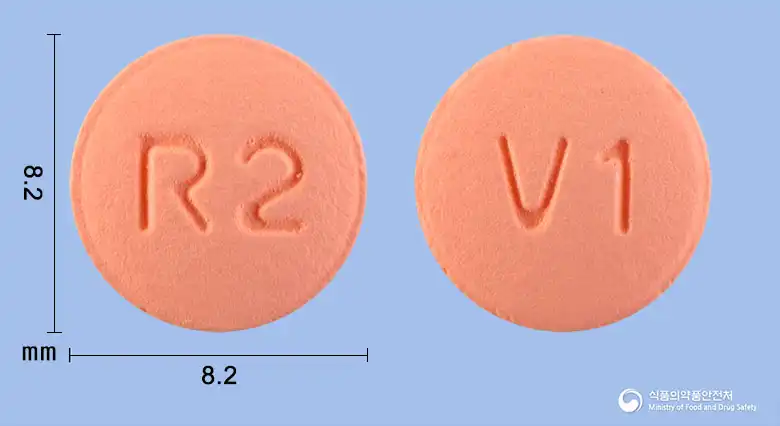 Combination
Rosuvastatin Calcium 10.4mg · Valsartan 80mg
Tablet · Prescription medication · Combination
Dongkwang Pharmaceutical Co., Ltd.
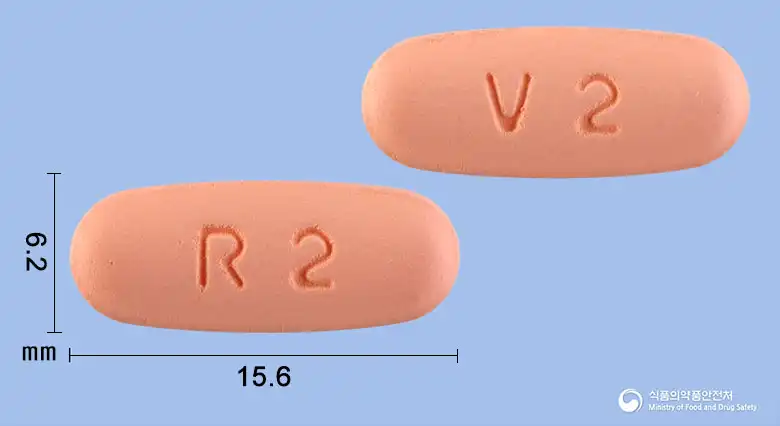 Combination
Rosuvastatin Calcium 10.4mg · Valsartan 160mg
Tablet · Prescription medication · Combination
Dongkwang Pharmaceutical Co., Ltd.
Rosuvastatin Calcium 20.8mg · Valsartan 160mg
Tablet · Prescription medication · Combination
Medika Korea Co., Ltd.
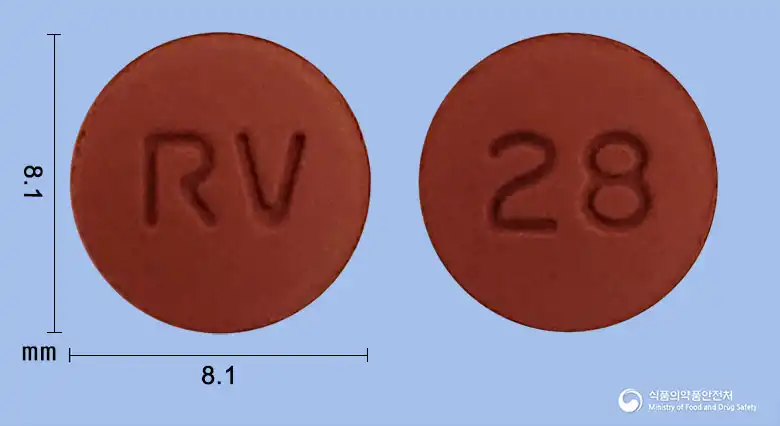 Combination
Rosuvastatin Calcium 20.8mg · Valsartan 80mg
Tablet · Prescription medication · Combination
Medica Korea Co., Ltd.
Even with the same ingredient, the dose and directions can differ by strength and dosage form. Talk to a doctor or pharmacist before switching from a medication you are already taking.
No questions yet.
For anything that needs medical judgment, consult a doctor or pharmacist.
This drug information is based on data provided by the Korea Ministry of Food and Drug Safety.
Consult a doctor or pharmacist for accurate dosage, administration, and usage instructions.