
 한국어
 English
 日本語
 中文(简体)
 Viewing nowCombination
Acrab Tablets 60/20 mg
Fimasartan Potassium Trihydrate Granules 150mg · Atorvastatin Calcium Trihydrate 10.4mg
Tablet · Prescription medication · Combination
Boryung Pharmaceutical Co., Ltd.
MFDS item code 202003217 · Approved 2020.04.29 · Insurance code 641907630
Treatment of essential hypertension, improvement of hyperlipidemia, and prevention of cardiovascular disease
This medication is used for patients who need to take Pimasartan and Atorvastatin together. Pimasartan is used to treat essential hypertension and helps lower blood pressure. Atorvastatin reduces the risk of myocardial infarction and stroke in adults with a high risk of coronary artery disease and in patients with type 2 diabetes. It also reduces the risk of myocardial infarction, stroke, angina, and hospitalization for heart failure in patients who already have heart disease. Additionally, Atorvastatin is used to treat hyperlipidemia, lowering cholesterol and triglycerides, while increasing good cholesterol (HDL). This medication is used for the prevention of hypertension and coronary artery disease, as well as the improvement of dyslipidemia.
Take 1 tablet once daily with water, regardless of meals. It is recommended that the drug be taken at the same time each day (e.g., in the morning), if possible. This drug is for adults only. The dose should be individualized for each patient based on the effects and tolerability of each component, fimasartan and atorvastatin. Patients receiving fimasartan and atorvastatin as separate products may switch to this drug (a combination product with the same amount of each active ingredient) for convenience of administration. ○ Fimasartan 1. Adults The recommended dose of this drug is 30 ~ 60 milligrams once daily, regardless of meals. If blood pressure is not adequately controlled at this dose, it may be increased to 120 milligrams once daily. It is recommended that the drug be taken at the same time each day (e.g., in the morning), if possible. The blood pressure-lowering effect appears within 2 weeks after starting treatment and reaches its maximum after approximately 8 weeks ~ 12 weeks. 2. Elderly patients No initial dose adjustment is required in elderly patients aged 70 years or younger. (See section 9. Administration to elderly patients under Precautions for use.) 3. Patients with renal impairment No dose adjustment is required in patients with mild to moderate renal impairment (creatinine clearance 30 ~ 80 mL/min). In patients with severe renal impairment (creatinine clearance < 30 mL/min), initiate treatment at 30 milligrams once daily and do not exceed 60 milligrams per day. 4. Patients with hepatic impairment No dose adjustment is required in patients with mild hepatic impairment. Do not administer this drug to patients with moderate ~ severe hepatic impairment (see sections 2. Patients in whom the drug must not be administered and 10. Administration to patients with hepatic impairment under Precautions for use). 5. Patients with decreased effective circulating blood volume (e.g., patients taking high doses of diuretics) For patients at high risk of hypotension, such as those with decreased effective circulating blood volume, an initial dose of 30 milligrams once daily is recommended. (See section 3. Patients in whom the drug should be administered with caution under Precautions for use.) ○ Atorvastatin Patients receiving atorvastatin should follow a standard cholesterol-lowering diet before and during treatment. The drug may be taken at any time of day, regardless of food. 1. Hyperlipidemia The recommended initial dose is atorvastatin 10 mg once daily. For patients requiring a greater reduction in LDL cholesterol, treatment may be initiated with 20 mg or 40 mg once daily (only when a reduction in LDL cholesterol of 45 % or more is required). This drug is administered once daily in a dose range of 10 ~ 80 mg. The initial and maintenance doses of this drug should be individualized according to patient characteristics, taking into account the treatment goal and response. Analyze lipid levels within 2 ~ 4 weeks after starting treatment and/or titrating the dose, and adjust the dose accordingly. Because the goal of treatment is to lower LDL cholesterol, use of LDL cholesterol is recommended when initiating treatment and evaluating the treatment response. However, if LDL cholesterol levels are unavailable, use total cholesterol levels to monitor the treatment response. Patients with homozygous familial hypercholesterolemia The dose of this drug is 10 ~ 80 mg once daily. Administer this drug in combination with other lipid-lowering treatments (e.g., LDL apheresis), or when such lipid-lowering treatments are not available. - Patients with renal impairment: Renal disease does not affect atorvastatin plasma concentrations or its LDL cholesterol-lowering effect; therefore, no dose adjustment is required. - Elderly patients: The efficacy and safety in patients aged 70 years and older are similar to those in the general adult patient population.
This medication can cause serious harm to the fetus and newborn if taken during pregnancy, especially in the second and third trimesters; therefore, it should be discontinued immediately upon confirmation of pregnancy. One of the ingredients in this medication may cause adverse muscle reactions; if symptoms like muscle pain or myopathy occur, it should be discontinued and a doctor consulted. This medication is contraindicated for patients with certain liver diseases, kidney diseases, muscle disorders, and genetic problems such as lactose intolerance. Caution is advised for patients with a history of alcohol abuse or liver disease, the elderly, and patients with impaired kidney function when taking this medication; regular tests, including muscle-related examinations, may be required. During the initial phase of treatment or when increasing the dosage, blood pressure may drop too low, so symptoms should be closely monitored, and any occurrence of hypotension should be reported to a doctor immediately. This medication may increase blood potassium levels, so especially patients with heart failure or kidney dysfunction should have their potassium levels regularly monitored. There may be interactions if taken with other antihypertensive medications, certain diuretics, lithium, NSAIDs, etc.; patients should inform their doctor about any concurrent medications. Side effects such as headache, dizziness, fatigue, muscle pain, and digestive disturbances may occur during treatment, and patients should consult a doctor if these symptoms persist or worsen. Particularly, the risk of myopathy or rhabdomyolysis may increase when taken with other medications, so dose adjustments and monitoring are needed according to the doctor's instructions during polypharmacy. This medication should not be used during pregnancy and women of childbearing age should use appropriate contraceptive methods while taking it. Breastfeeding women should also consult a doctor whether to continue or stop breastfeeding as this medication may affect the baby. The safety of this medication in children and adolescents has not been established, so it is advisable not to use it in this population. Overdose may result in symptoms such as hypotension, palpitations, bradycardia; immediate medical attention should be sought if symptoms occur. This medication should be kept out of reach of children, stored in its original container, and transferred to other containers should be avoided.
Not everyone experiences these, and they can vary from person to person.
This medication may be sensitive to air or moisture; therefore, it should be stored in a tightly closed container. It is advisable to maintain a storage temperature between 1 and 30 degrees Celsius. This will help preserve the medication's efficacy and prevent degradation.
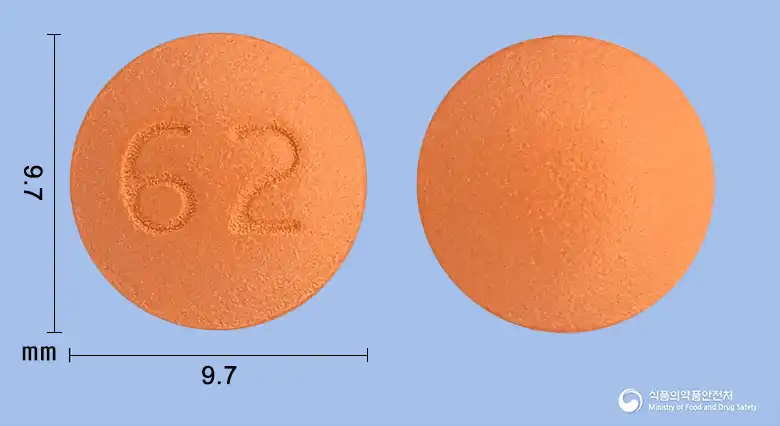
Orange round film-coated tablets
30 tablets/box [10 tablets/PTP*3]
Even with the same ingredient, strength, dosage form and how it is taken can differ.
Viewing nowCombinationFimasartan Potassium Trihydrate Granules 150mg · Atorvastatin Calcium Trihydrate 10.4mg
Tablet · Prescription medication · Combination
Boryung Pharmaceutical Co., Ltd.
 Combination
Fimasartan Potassium Trihydrate Granules 150mg · Atorvastatin Calcium Trihydrate 10.4mg
Tablet · Prescription medication · Combination
Boryung Pharmaceutical Co., Ltd.
 Combination
Fimasartan Potassium Trihydrate Granules 75mg · Atorvastatin Calcium Trihydrate 10.4mg
Tablet · Prescription medication · Combination
Boryung Pharmaceutical Co., Ltd.
 Combination
Fimasartan Potassium Trihydrate Granules 75mg · Atorvastatin Calcium Trihydrate 10.4mg
Tablet · Prescription medication · Combination
Boryung Pharmaceutical Co., Ltd.
Fimasartan Potassium Trihydrate Granules 300mg · Atorvastatin Calcium Trihydrate 20.8mg
Tablet · Prescription medication · Combination
Boryung Co., Ltd.
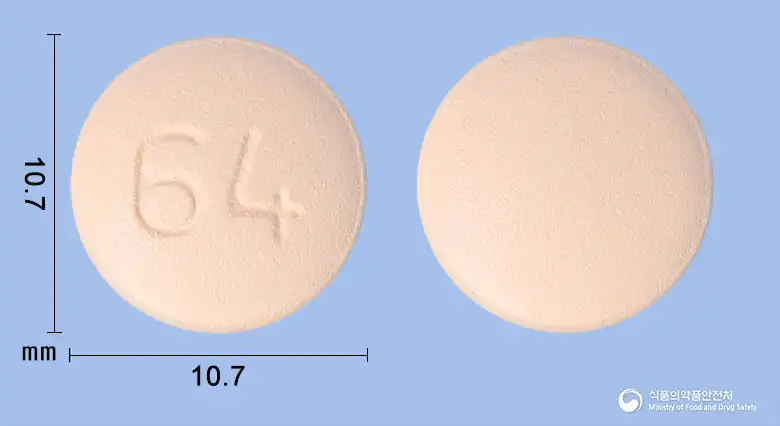 Combination
Fimasartan Potassium Trihydrate Granules 150mg · Atorvastatin Calcium Trihydrate 43.4mg
Tablet · Prescription medication · Combination
Boryung Co., Ltd.
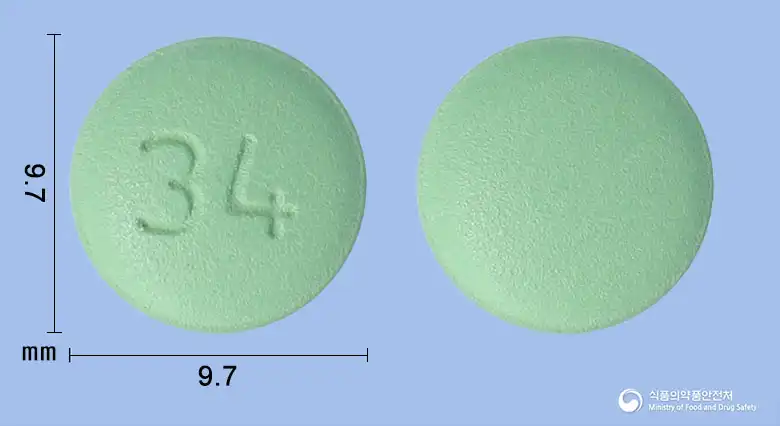 Combination
Fimasartan Potassium Trihydrate Granules 75mg · Atorvastatin Calcium Trihydrate 43.4mg
Tablet · Prescription medication · Combination
Boryung Pharmaceutical Co., Ltd.
Even with the same ingredient, the dose and directions can differ by strength and dosage form. Talk to a doctor or pharmacist before switching from a medication you are already taking.
No questions yet.
For anything that needs medical judgment, consult a doctor or pharmacist.
This drug information is based on data provided by the Korea Ministry of Food and Drug Safety.
Consult a doctor or pharmacist for accurate dosage, administration, and usage instructions.