
 한국어
한국어 English
 日本語
日本語 中文(简体)
 Viewing now
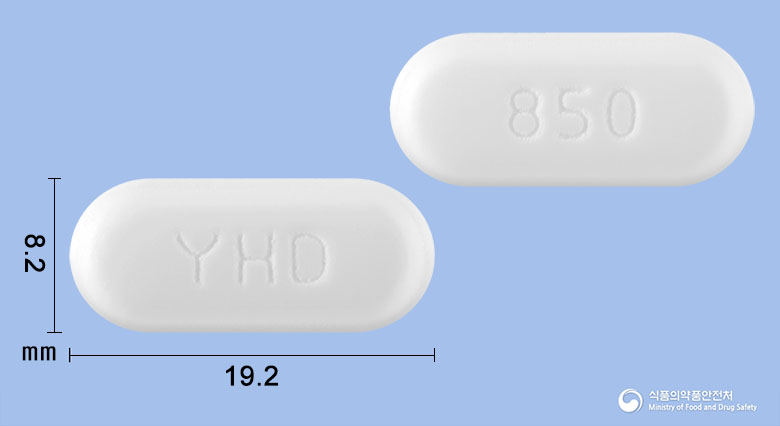
Yuhan Metformin Hydrochloride Tablet 850 mg
Metformin Hydrochloride 850mg
Tablet · Prescription medication
Yuhan Corporation
MFDS item code 202000351 · Approved 2020.01.21 · Insurance code 642105560
Improvement in blood sugar control for Type 2 diabetes
This medication is used for the treatment of Type 2 diabetes. It is particularly helpful in cases where blood sugar control is difficult with diet and exercise alone. It can also be used as an alternative treatment when sulfonylureas are ineffective or cause side effects. This medication helps effectively control blood sugar levels and aids in managing diabetes.
The administration dosage should be determined based on the individual effects of the medication and tolerance, not exceeding the recommended maximum dosage per day. This medication should be initiated at a low dose to reduce gastrointestinal side effects and identify the minimum dosage necessary for adequate blood glucose control, taking 500 mg 2 to 3 times a day with meals. Increasing the dosage can be done gradually, by 500 mg weekly.
Children aged 10 years and older or adolescents in their growth phase should generally start with a dosage of 500 mg once daily during or after meals. After one week, measure blood sugar levels to adjust the dosage.
This medication can cause severe lactic acidosis or hypoglycemia, so caution is necessary. It should not be administered to patients with moderate to severe renal impairment or those with acute infections, dehydration, or acute cardiac conditions. Patients with acute heart failure or unstable heart failure, or those scheduled for examinations involving iodine-based contrast media should also avoid this medication. Patients with a history of allergic reactions to this medication or similar drugs, Type 1 diabetes, and those with a history of lactic acidosis or ketoacidosis are not suitable candidates for this treatment. Patients with severe infections or traumatic injuries should temporarily discontinue this medication until gastrointestinal function recovers and renal function returns to normal. If surgery is planned, especially surgeries with restricted food or fluid intake, this medication should be stopped 48 hours before the procedure and can be resumed after ensuring that renal function is normal post-surgery. Patients with very poor nutritional status, starvation, severe weakness, liver dysfunction, severe lung disease, or excessive alcohol consumption should also use caution when taking this medication. During pregnancy, it is advisable not to use this medication if there is a risk of placental insufficiency, gestational hypertension, or intrauterine growth restriction. Patients with irregular meals, intense physical exercise, or potential interactions with other medications should use this medication cautiously due to the risk of hypoglycemia or lactic acidosis. Gastrointestinal side effects (diarrhea, nausea, vomiting, etc.) may occur during treatment, and if symptoms are severe or persistent, consulting with a healthcare professional is necessary. Lactic acidosis, though rare, is a very serious side effect; if symptoms such as muscle pain, weakness, difficulty breathing, abdominal pain, or changes in consciousness occur, stop taking the medication immediately and inform a healthcare professional. Renal function tests should be conducted before and regularly during treatment with this medication to monitor for any decline in renal function, and treatment should be stopped if renal function deteriorates significantly. Alcohol consumption can increase the risk of side effects from this medication, so excessive drinking should be avoided during treatment. Vitamin B12 deficiency may occur, thus regular checks of serum vitamin B12 levels are recommended. When used in combination with other hypoglycemic agents, the risk of hypoglycemia may increase; therefore, caution is needed, particularly for elderly patients or those with nutritional imbalances. During pregnancy, careful monitoring of the fetal and maternal condition is essential, and insulin therapy may be considered if necessary. If breastfeeding, since this medication can be excreted in breast milk, careful consideration of breastfeeding status and medication treatment is required. Elderly patients often have decreased renal function, so dose adjustment and monitoring of renal function are essential. In cases of overdose, hypoglycemia is rare, but there is a risk of lactic acidosis; appropriate treatment such as hemodialysis should be administered if necessary. This medication is also available for children and adolescents, but their growth and development should be closely monitored.
Gastrointestinal symptoms (diarrhea, nausea, vomiting, abdominal distension, loss of appetite, indigestion, constipation, abdominal pain), metallic taste, anemia, leukopenia, thrombocytopenia, vitamin B12 deficiency, liver dysfunction, hypoglycemia
Not everyone experiences these, and they can vary from person to person.
This medication should be stored in a tightly closed container to avoid exposure to air and moisture and should be kept at room temperature between 1°C and 30°C. This will help maintain the effectiveness of the medication for a longer time.
White oblong film-coated tablet
30 tablets/bottle, 300 tablets/bottle
Even with the same ingredient, strength, dosage form and how it is taken can differ.
Viewing nowMetformin Hydrochloride 850mg
Tablet · Prescription medication
Yuhan Corporation
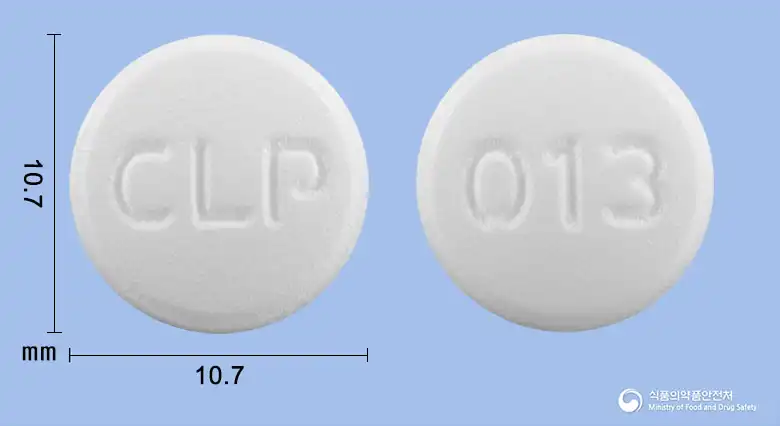
Metformin Hydrochloride 500mg
Tablet · Prescription medication
(Celltrion Pharmaceuticals)
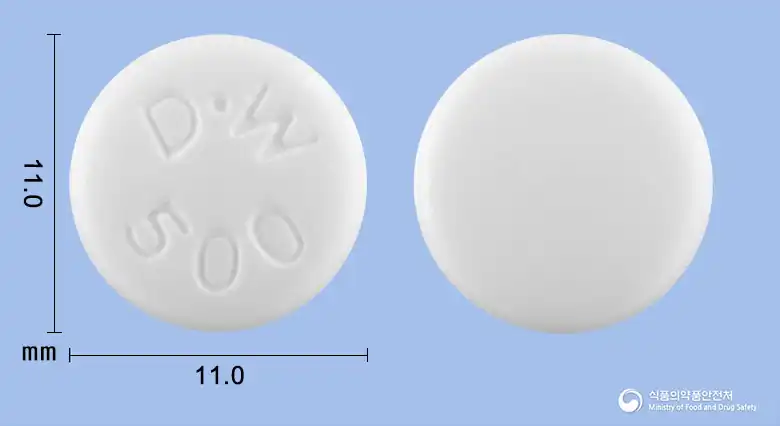
Metformin Hydrochloride 500mg
Tablet · Prescription medication
(Daewoong Pharmaceutical)
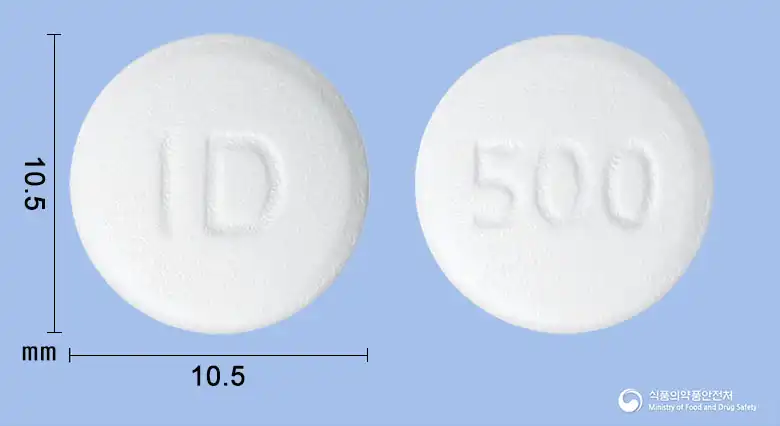
Metformin Hydrochloride 500mg
Tablet · Prescription medication
(Ildong Pharmaceutical Co., Ltd.)
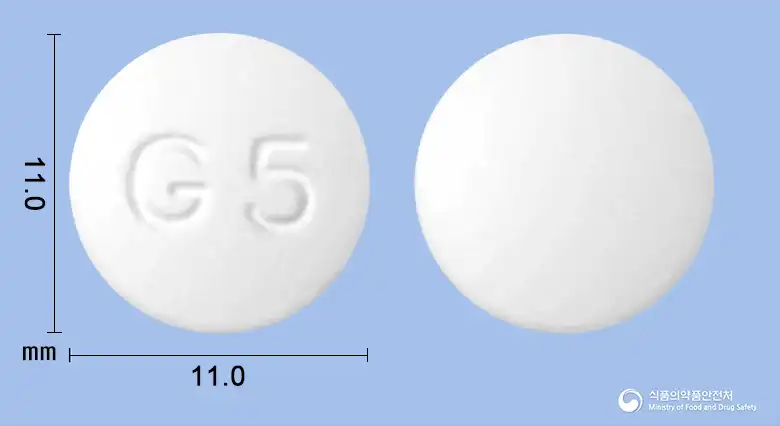
Metformin Hydrochloride 500mg
Tablet · Prescription medication
(Ilseong IS Co., Ltd.)
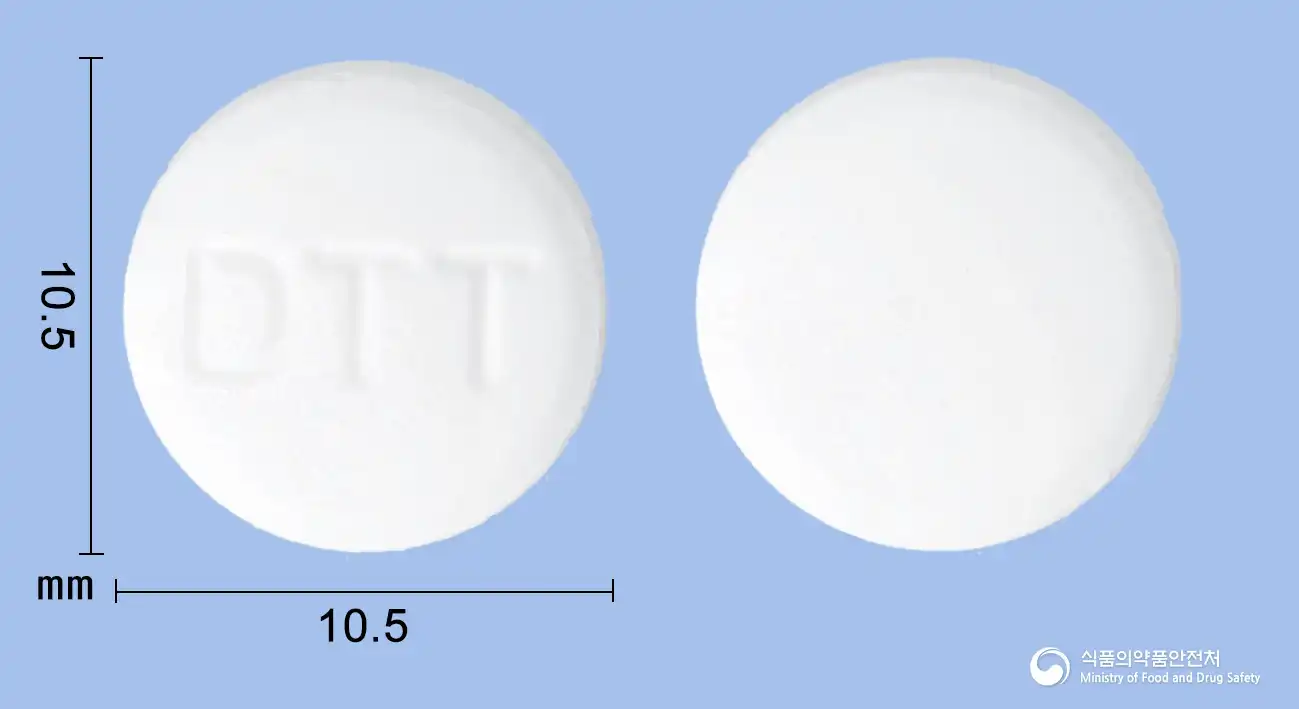
Metformin Hydrochloride 500mg
Tablet · Prescription medication
(Kyungdong Pharmaceutical Co., Ltd.)
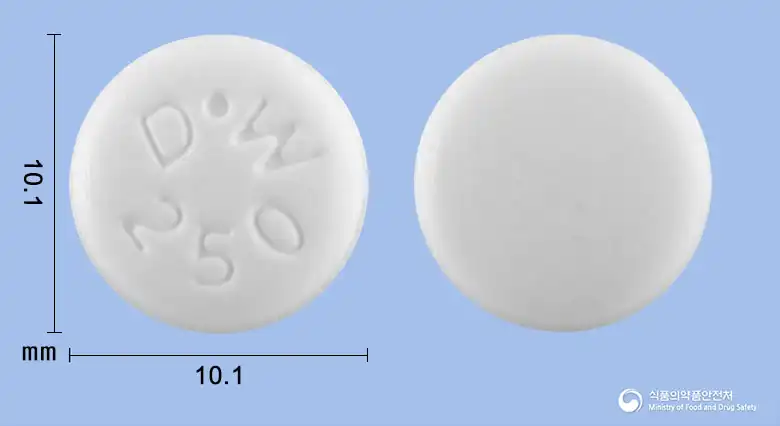
Metformin Hydrochloride 250mg
Tablet · Prescription medication
(Daewoong Pharmaceutical)

Metformin Hydrochloride 500mg
Tablet · Prescription medication
(Youngpoong Pharmaceutical Co., Ltd.)
Even with the same ingredient, the dose and directions can differ by strength and dosage form. Talk to a doctor or pharmacist before switching from a medication you are already taking.
No questions yet.
For anything that needs medical judgment, consult a doctor or pharmacist.
This drug information is based on data provided by the Korea Ministry of Food and Drug Safety.
Consult a doctor or pharmacist for accurate dosage, administration, and usage instructions.