
 한국어
한국어 English
 日本語
日本語 中文(简体)
 Viewing now
Raviron Tablet (Tibolone)
Tibolone 2.5mg
Tablet · Prescription medication
Hanwha Pharmaceutical Co., Ltd.
MFDS item code 201908489 · Approved 2019.12.18 · Insurance code 651602660
Improvement of symptoms due to estrogen deficiency after menopause and prevention of osteoporosis
This medication is used to alleviate symptoms due to estrogen deficiency in women who have been menopausal for at least 1 year and to prevent osteoporosis in postmenopausal women who are at high risk of fractures.
This medication should be taken as 1 tablet daily at the same time each day. Tablets should be taken with water or other beverages, and it is recommended to take them at the same time every day.
This medication should not be used by pregnant or breastfeeding women. Patients with breast cancer or suspected breast cancer or those with a history of breast cancer should be cautious as taking this medication may increase the risk of breast cancer recurrence. Patients with or suspected of having estrogen-dependent malignant tumors, such as endometrial cancer, should not be administered this medication. Patients with unexplained vaginal bleeding or those with untreated endometrial hyperplasia should also avoid using this medication. Patients with a history of venous thromboembolism (deep vein thrombosis, pulmonary embolism) should avoid using this medication, and patients at high risk of thrombosis should also be cautious. Patients with a history of arterial thromboembolism, such as angina, myocardial infarction, or stroke, should not use this medication. If a patient has rapidly deteriorating liver function or a history of liver disease that has not returned to normal, the use of this medication is prohibited. Patients allergic to any component of this medication should avoid it, and patients with specific genetic metabolic disorders should also refrain from use. If jaundice or worsening liver function, high blood pressure, or symptoms like migraine develop during the course of this medication, it should be discontinued immediately. Patients with uterine fibroids, endometriosis, risk factors for thrombosis, risk factors for estrogen-dependent tumors, hypertension, liver disease, diabetes, gallstones, migraine, systemic lupus erythematosus, history of endometrial hyperplasia, epilepsy, asthma, etc., should be closely monitored during treatment. This medication may cause various adverse reactions, particularly breast tenderness, vaginal bleeding, weight gain, skin abnormalities, headaches, and depression. Long-term use may increase the risk of serious side effects such as breast cancer, endometrial cancer, ischemic stroke, ovarian cancer, venous thromboembolism, and coronary artery disease, so regular check-ups and risk assessments are required. Particularly in women over 60 years of age, careful administration should be considered due to the risk of stroke, and regular examinations including breast and pelvic screenings are recommended before and during treatment. This medication affects blood coagulation and may increase the risk of bleeding when taken with anticoagulants, so patients taking anticoagulants may need to adjust the dosage under their doctor's supervision. Additionally, it may interact with specific medications, so it is essential to inform healthcare providers about any other medications being taken. This medication should not be taken during pregnancy, and if pregnancy is confirmed, it should be discontinued immediately. Breastfeeding women should also refrain from using this medication for safety reasons. In case of overdose, symptoms such as vomiting, vaginal bleeding, and nausea may appear, and while there is no specific antidote, appropriate treatment is required based on symptoms. This medication should be kept out of reach of children and stored in its original packaging. Before taking this medication, individuals should confirm their medical and family history and thoroughly understand contraindications and precautions.
Jaundice or worsening liver function, significant hypertension, onset of migraine-type headaches, endometrial cancer, ischemic stroke, venous thromboembolism (deep vein thrombosis, pulmonary embolism), myocardial infarction, stroke, severe edema and urinary problems based on history of thrombosis, sudden and severe headache, seizures, confusion, visual disturbances, paralysis
Lower abdominal pain, abnormal hair growth, acne, vaginal discharge, increased thickness of the endometrial wall, postmenopausal bleeding, breast tenderness, genital itching, vaginal candidiasis, vaginal bleeding, pelvic pain, cervical dysplasia, genital discharge, vulvovaginitis, breast discomfort, fungal infections, vaginal fungal infections, nipple pain, weight gain, abnormal cervical cell smear, dizziness, rash, itching, seborrheic dermatitis, headache, migraine, visual disturbances
Not everyone experiences these, and they can vary from person to person.
This medication should be stored in a sealed container to prevent exposure to air and moisture, and it is best to keep it at room temperature below 25 degrees Celsius. Storing it this way will help maintain the efficacy of the medication for a longer period.
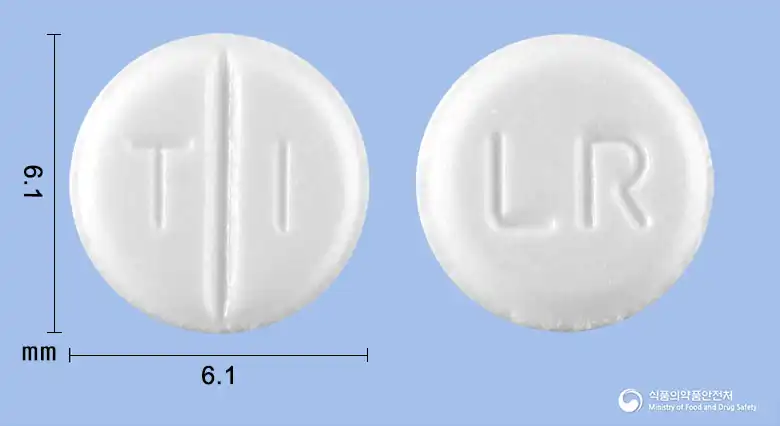
White round tablet
28 tablets/box [28 tablets/PTP X 1]
Even with the same ingredient, strength, dosage form and how it is taken can differ.
Viewing nowTibolone 2.5mg
Tablet · Prescription medication
Hanwha Pharmaceutical Co., Ltd.

Tibolone 2.5mg
Tablet · Prescription medication
Myungmoon Pharmaceutical Co., Ltd.
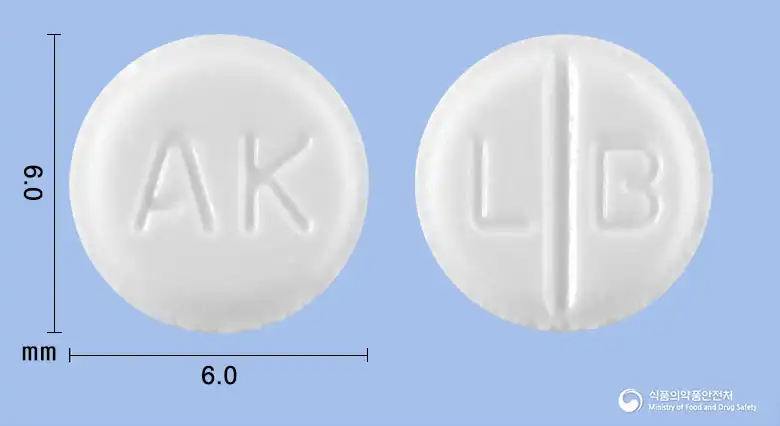
Tibolone 2.5mg
Tablet · Prescription medication
Albozen Korea Co., Ltd.

Tibolone 2.5mg
Tablet · Prescription medication
Korea Organon Co., Ltd.
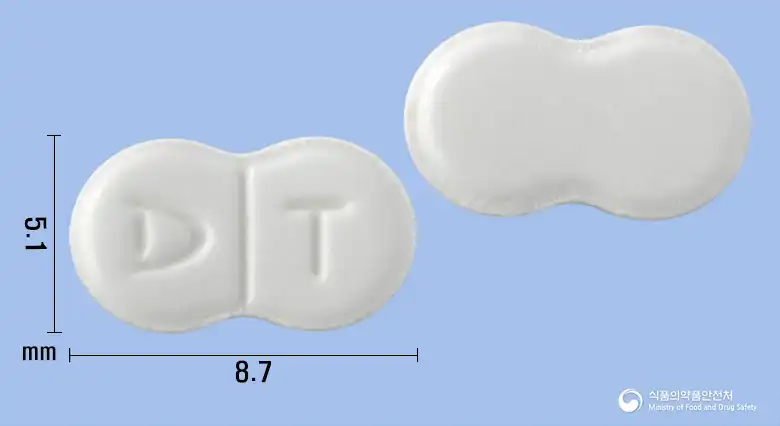
Tibolone 2.5mg
Tablet · Prescription medication
Darim Biotech Co., Ltd.
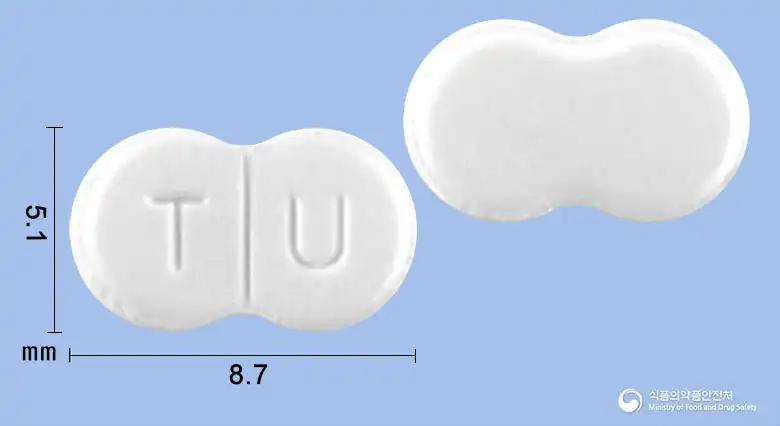
Tibolone 2.5mg
Tablet · Prescription medication
The U Pharmaceutical Co., Ltd.
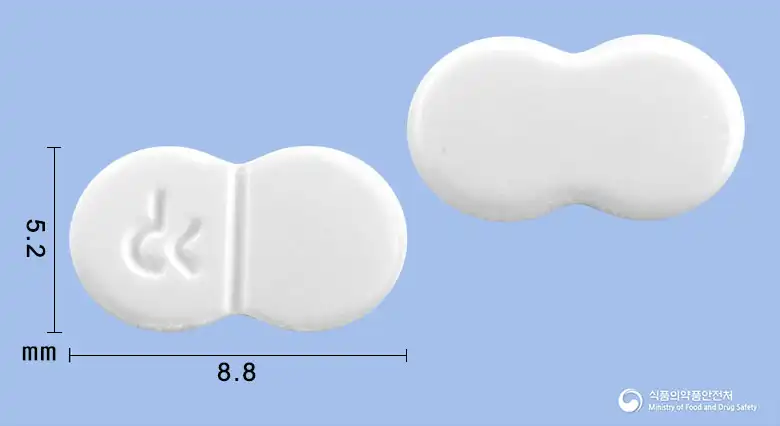
Tibolone 2.5mg
Tablet · Prescription medication
Dongkuk Pharmaceutical Co., Ltd.
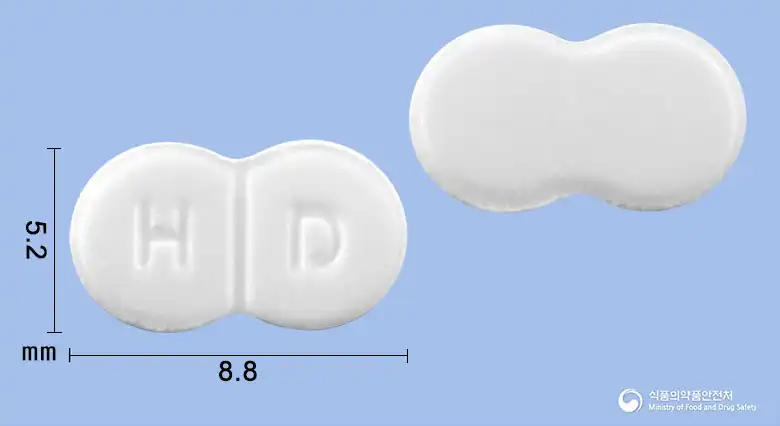
Tibolone 2.5mg
Tablet · Prescription medication
Hyundai Pharmaceutical Co., Ltd.
Even with the same ingredient, the dose and directions can differ by strength and dosage form. Talk to a doctor or pharmacist before switching from a medication you are already taking.
No questions yet.
For anything that needs medical judgment, consult a doctor or pharmacist.
This drug information is based on data provided by the Korea Ministry of Food and Drug Safety.
Consult a doctor or pharmacist for accurate dosage, administration, and usage instructions.