
 한국어
한국어 English
 日本語
日本語 中文(简体)
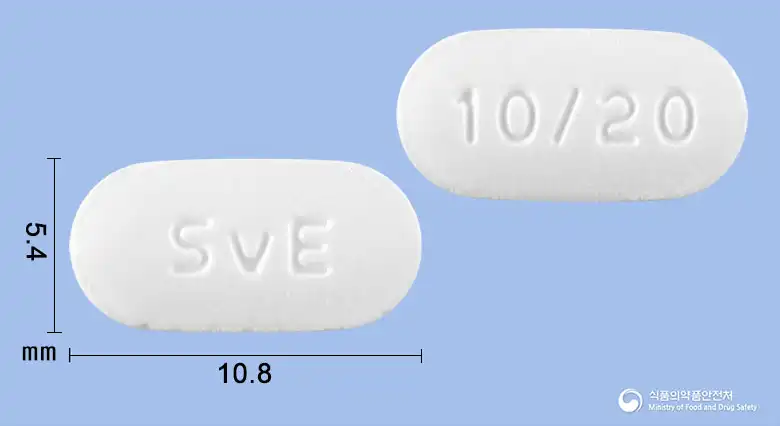 Viewing nowCombination
SimbaDuet Tablets 10/20mg
Ezetimibe 10mg · Simvastatin 20mg
Tablet · Prescription medication · Combination
Daewoo Pharmaceutical Co., Ltd.
MFDS item code 201907689 · Approved 2019.11.04
Improvement of cholesterol and lipids in hypercholesterolemia (primary, homozygous familial) and mixed dyslipidemia
This medication is used as an adjunct to diet to lower elevated total cholesterol, LDL cholesterol, apolipoprotein B, and triglycerides in patients with primary hypercholesterolemia and mixed dyslipidemia, and to increase HDL cholesterol. It is particularly used in patients with homozygous familial hypercholesterolemia either in combination with other lipid-lowering therapies or as an alternative when other treatments are not effective. This medication should be used alongside appropriate dietary control and non-pharmacological therapeutic measures, and it is important to confirm and treat other causes of dyslipidemia before administration. In patients with acute coronary events, lipid levels should be checked upon admission or within 24 hours after admission, and it serves as a reference for initiating LDL-lowering treatment before and after discharge. Therefore, this medication helps improve hypercholesterolemia and reduce the risk of atherosclerotic vascular disease.
This medication is taken once daily in the evening, regardless of meals. For patients with primary hypercholesterolemia, the dose range is from 10/10mg to 10/40mg once daily, with the generally recommended starting dose being 10/20mg daily. Patients with less need for LDL cholesterol reduction may begin with a dose of 10/10mg daily. After verifying lipid levels at intervals of more than 4 weeks, the dosage may be adjusted. For homozygous familial hypercholesterolemia patients, the recommended dose is 10/40mg taken once daily in the evening. This medication is administered as an adjunct to other lipid-lowering treatments (e.g., LDL Apheresis) or when other lipid-lowering treatments are not effective. In patients with liver impairment, mild cases may not require dose adjustments, but moderate to severe liver impairment patients are advised against taking this medication (see precautions for patients with liver dysfunction). For patients with renal impairment accompanying chronic kidney disease, those with mild renal impairment (estimated glomerular filtration rate (GFR) ≥ 60mL/min/1.73㎡) do not need dose adjustments. For patients accompanying chronic kidney disease and estimated GFR < 60mL/min/1.73㎡, 10/20mg should be taken once daily in the evening. Careful administration and monitoring of these patients is necessary when considering higher doses (see precautions for general cautions). For the elderly, dose adjustments are unnecessary.
This medication is used to lower blood cholesterol levels. When taking this medication, one must be careful as symptoms such as muscle pain or weakness may occur. Immediate consultation with a physician is necessary if any muscle-related unusual symptoms arise. Patients with poor liver function or liver disease should not take this medication. Regular liver function tests are recommended. Women who are pregnant or breastfeeding should not use this medication. Women planning to become pregnant should consult a physician before taking this medication. Interactions with other medications may occur, so it is essential to inform healthcare providers of any current medications being taken. In particular, the risk of muscle-related side effects may increase when combined with certain antibiotics, antifungals, antivirals, and some cardiac drugs. Elderly patients, those with impaired kidney function, and patients with hypothyroidism should be more cautious when using this medication, and regular monitoring is needed. It is advised not to excessively consume grapefruit juice or grapefruit while on this medication as grapefruit can increase the blood concentration of this medication, raising the risk of side effects. This medication may slightly elevate blood sugar levels, so individuals at risk of diabetes should manage their blood sugar accordingly. Always consult a physician before changing or discontinuing dosage, and in case of overdose, seek medical treatment immediately.
Hives, severe swelling (edema), chest tightness, difficulty breathing, cold sweat, paleness, severe rash with fever, blisters, skin peeling, pain in mouth/eyes mucosa, shortness of breath or difficulty breathing, asthma attack, respiratory distress accompanied by cough and fever, yellowing of skin or eyes (jaundice), extreme malaise, sudden severe headache, thunderclap headache, seizures, confusion, visual disturbances, paralysis, urination
Headache, diarrhea, influenza, upper respiratory tract infection, muscle pain, limb pain, fatigue, nausea, abdominal pain, constipation, dyspepsia, flatulence, itching, rash, joint pain, back pain, cough, dizziness, paresthesia, depression, weakness, insomnia, increased serum creatine phosphokinase (CPK), weight loss, edema, thirst, facial swelling, syncope, sensory loss, gastritis, atrophic gastritis, mucus stool, irritable bowel syndrome, sore throat, nocturia,
Not everyone experiences these, and they can vary from person to person.
This medication is sensitive to air and moisture; therefore, it should be stored in a tightly closed container. Additionally, to maintain its effectiveness, it is important to store it at room temperature between 1 and 30 degrees Celsius.
White to off-white, bilaterally convex, rectangular tablet
30 tablets/box [30 tablets (10 tablets/PTP*3)]
Even with the same ingredient, strength, dosage form and how it is taken can differ.
Viewing nowCombinationEzetimibe 10mg · Simvastatin 20mg
Tablet · Prescription medication · Combination
Daewoo Pharmaceutical Co., Ltd.
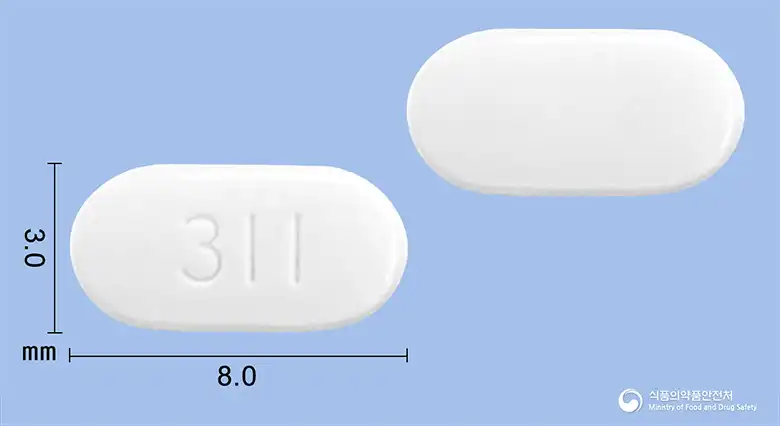 Combination
Simvastatin 10mg · Ezetimibe 10mg
Tablet · Prescription medication · Combination
Korea Organon Co., Ltd.
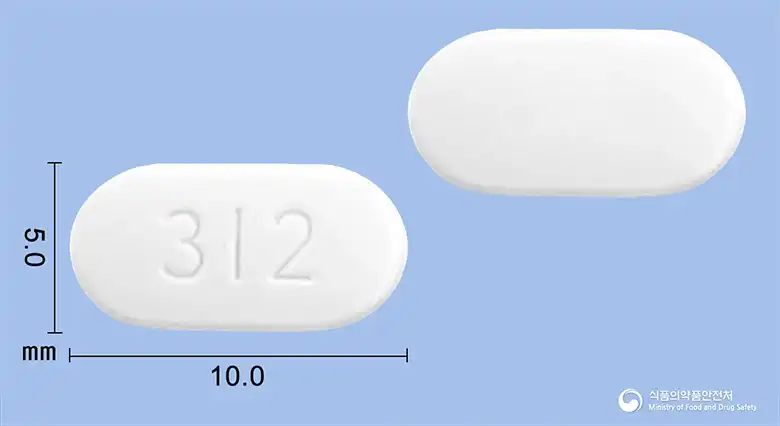 Combination
Simvastatin 20mg · Ezetimibe 10mg
Tablet · Prescription medication · Combination
Korea Organon Co., Ltd.
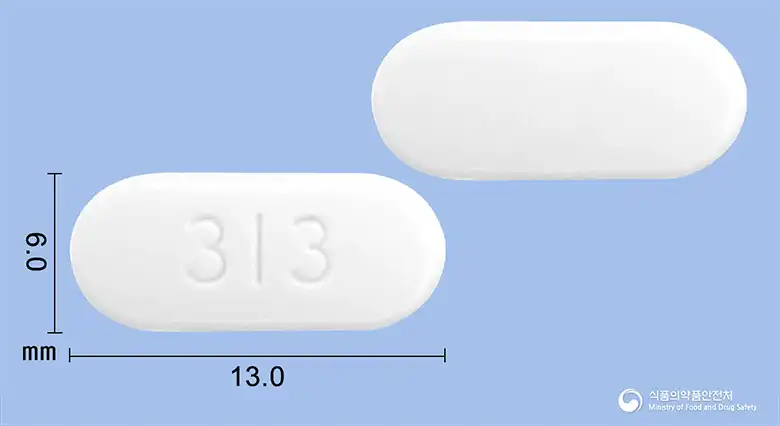 Combination
Simvastatin 40mg · Ezetimibe 10mg
Tablet · Prescription medication · Combination
Korea Organon Co., Ltd.
Ezetimibe 10mg · Simvastatin 10mg
Tablet · Prescription medication · Combination
Boryung Pharmaceutical Co., Ltd.
Ezetimibe 10mg · Simvastatin 20mg
Tablet · Prescription medication · Combination
Boryung Pharmaceutical Co., Ltd.
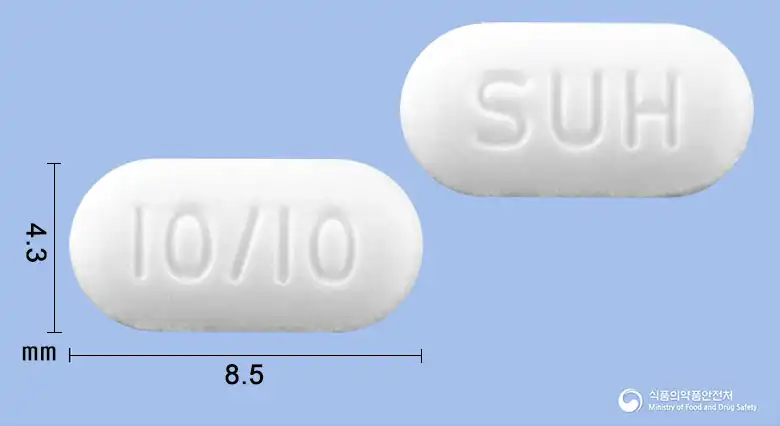 Combination
Ezetimibe 10mg · Simvastatin 10mg
Tablet · Prescription medication · Combination
Suhung Co., Ltd.
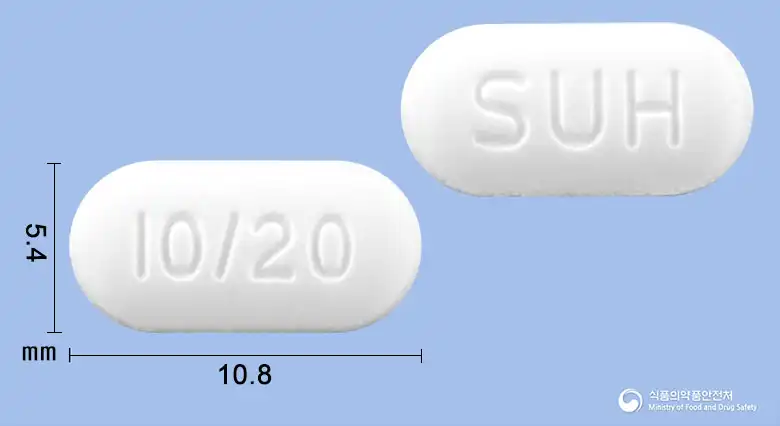 Combination
Ezetimibe 10mg · Simvastatin 20mg
Tablet · Prescription medication · Combination
Seohung Co., Ltd.
Even with the same ingredient, the dose and directions can differ by strength and dosage form. Talk to a doctor or pharmacist before switching from a medication you are already taking.
No questions yet.
For anything that needs medical judgment, consult a doctor or pharmacist.
This drug information is based on data provided by the Korea Ministry of Food and Drug Safety.
Consult a doctor or pharmacist for accurate dosage, administration, and usage instructions.