
 한국어
 English
 日本語
 中文(简体)
 Viewing nowCombination
Selmi Plus Tablet 40/12.5 mg
Telmisartan 40mg · Hydrochlorothiazide 12.5mg
Tablet · Prescription medication · Combination
Celltrion Pharmaceutical Co., Ltd.
MFDS item code 201906875 · Approved 2019.09.26 · Insurance code 693903110
Treatment of essential hypertension
This medication is used in patients with essential hypertension for whom blood pressure control is difficult with telmisartan alone. It helps to effectively manage blood pressure to reduce the risk of complications, thus positively contributing to the patient's health management.
ADULTS For patients whose blood pressure is not adequately controlled with telmisartan alone, take once daily with a drink, with or without food. Before switching to this medicine, which contains fixed doses of each component, it is recommended that the dose of each component be adjusted individually. When clinically appropriate, a direct switch from monotherapy to this medicine may also be considered. - The telmisartan/hydrochlorothiazide combination 40/12.5mg may be given to patients whose blood pressure is not adequately controlled with telmisartan 40mg. - The telmisartan/hydrochlorothiazide combination 80/12.5mg may be given to patients whose blood pressure is not adequately controlled with telmisartan 80mg. - The telmisartan/hydrochlorothiazide combination 80/25mg may be given to patients whose blood pressure is not adequately controlled with telmisartan 80mg and hydrochlorothiazide 12.5mg given separately or with the combination product. Sodium or volume depletion should be corrected before starting this medicine. Patients with renal impairment No dose adjustment is necessary in patients with mild to moderate renal impairment. This medicine should not be administered to patients with severe renal impairment (creatinine clearance<30mL/min). Periodic monitoring of renal function is recommended. Patients with hepatic impairment This medicine should be administered with caution to patients with mild to moderate hepatic impairment. Do not administer more than 40/12.5mg of this medicine per day. This medicine should not be administered to patients with severe hepatic impairment (see section 2, Precautions for Use). Thiazide diuretics should be administered with caution to patients with impaired hepatic function. Older adults No dose adjustment is necessary.
The safety and efficacy of this medicine have not been established in children under 18 years of age.
This medication can cause serious problems for the fetus or newborn if taken during pregnancy, especially in the second and third trimesters, so it must be discontinued immediately upon confirmation of pregnancy. This medication should not be used in individuals allergic to the active ingredients or excipients, those allergic to sulfonamide antibiotics, pregnant and nursing women, individuals with cholestasis or obstructive biliary disease, and those with severe liver or kidney conditions. Elderly patients, those with high potassium levels or impaired liver function, those with specific heart or gastrointestinal disease, and patients with renal artery hypertension should use this medication with caution. This medication lowers blood pressure but can produce various side effects. Dizziness, hypotension, dyspepsia, skin rash, muscle pain, and abnormal blood test results have been reported, and rare occurrences of serious allergic reactions or decreased kidney function can also occur. In particular, hydrochlorothiazide, included in this medication, can react sensitively to sunlight and may increase the risk of skin cancer, so it is important to avoid sun exposure and consult a doctor immediately if there are any skin issues. This medication may interact with other antihypertensives, lithium, potassium supplements, diuretics, etc., so it is essential to inform your doctor about any other medications being taken, and regularly monitor blood pressure and blood tests. It is recommended that pregnant women or those planning to become pregnant use safer alternative antihypertensive medications instead of this one. This medication should preferably not be used during breastfeeding, and safety and efficacy in children have not been established, so it is not recommended. In case of overdose, symptoms may include hypotension, electrolyte imbalance, and dehydration, so it is crucial to seek appropriate treatment at a medical facility immediately. If symptoms such as dizziness, drowsiness, or fainting occur while taking this medication, it is important to avoid driving or operating machinery and to exercise caution. This medication is sensitive to moisture, so it should be stored in a sealed state until just before use, out of the reach of children.
Not everyone experiences these, and they can vary from person to person.
This medication should be stored in a sealed container to protect it from air and moisture. It is important to maintain a storage temperature between 1 degree and 30 degrees Celsius to preserve the medication's effectiveness and safety for a long time.
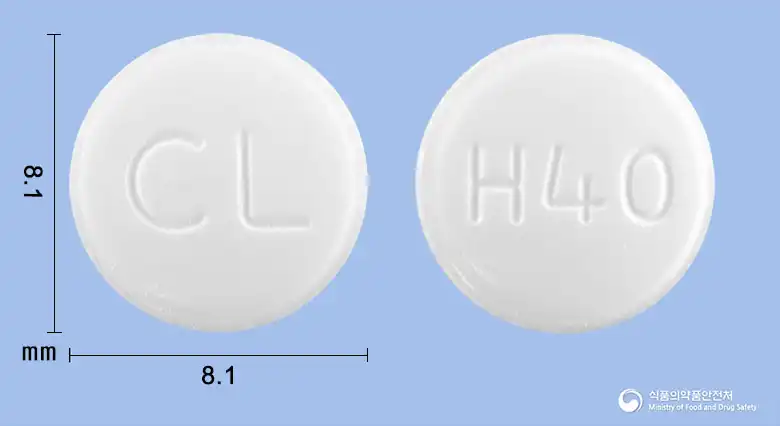
White or almost white, biconvex, round tablet
30 tablets/PTP [10 tablets/PTP X 3]
Even with the same ingredient, strength, dosage form and how it is taken can differ.
Viewing nowCombinationTelmisartan 40mg · Hydrochlorothiazide 12.5mg
Tablet · Prescription medication · Combination
Celltrion Pharmaceutical Co., Ltd.
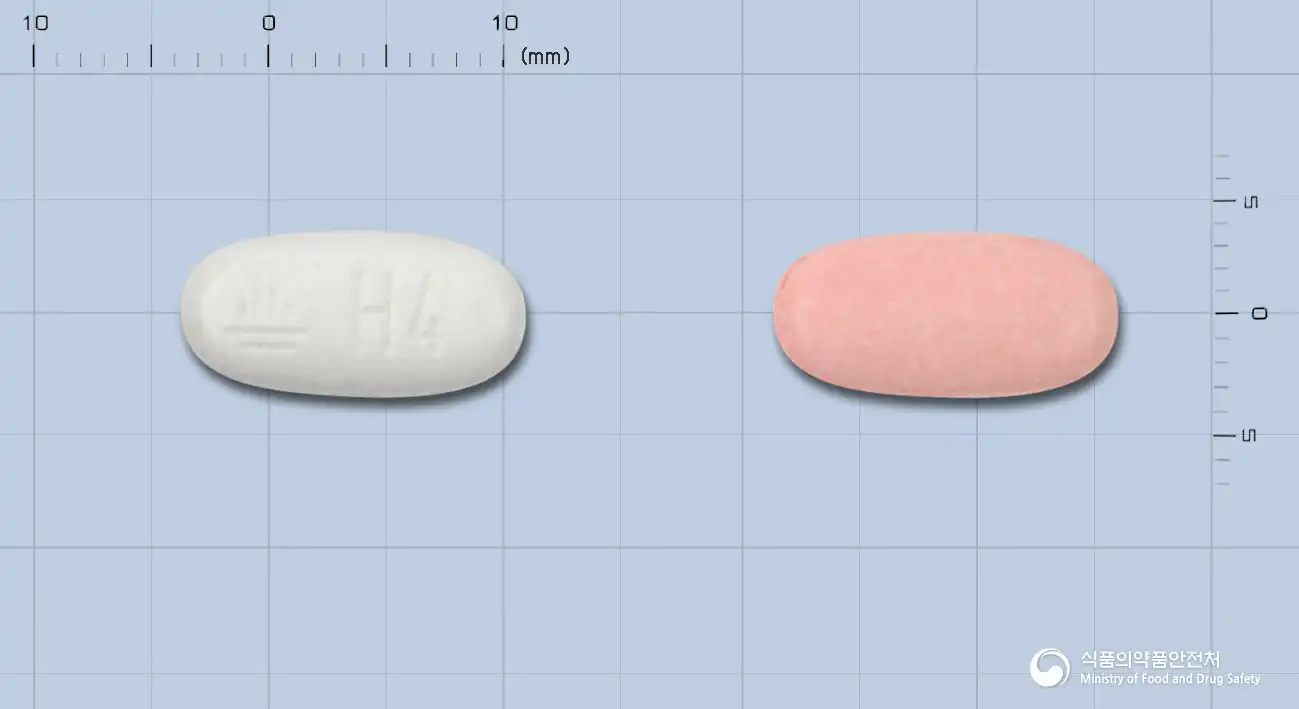 Combination
Telmisartan 40mg · Hydrochlorothiazide 12.5mg
Tablet · Prescription medication · Combination
Boehringer Ingelheim Korea Co., Ltd.
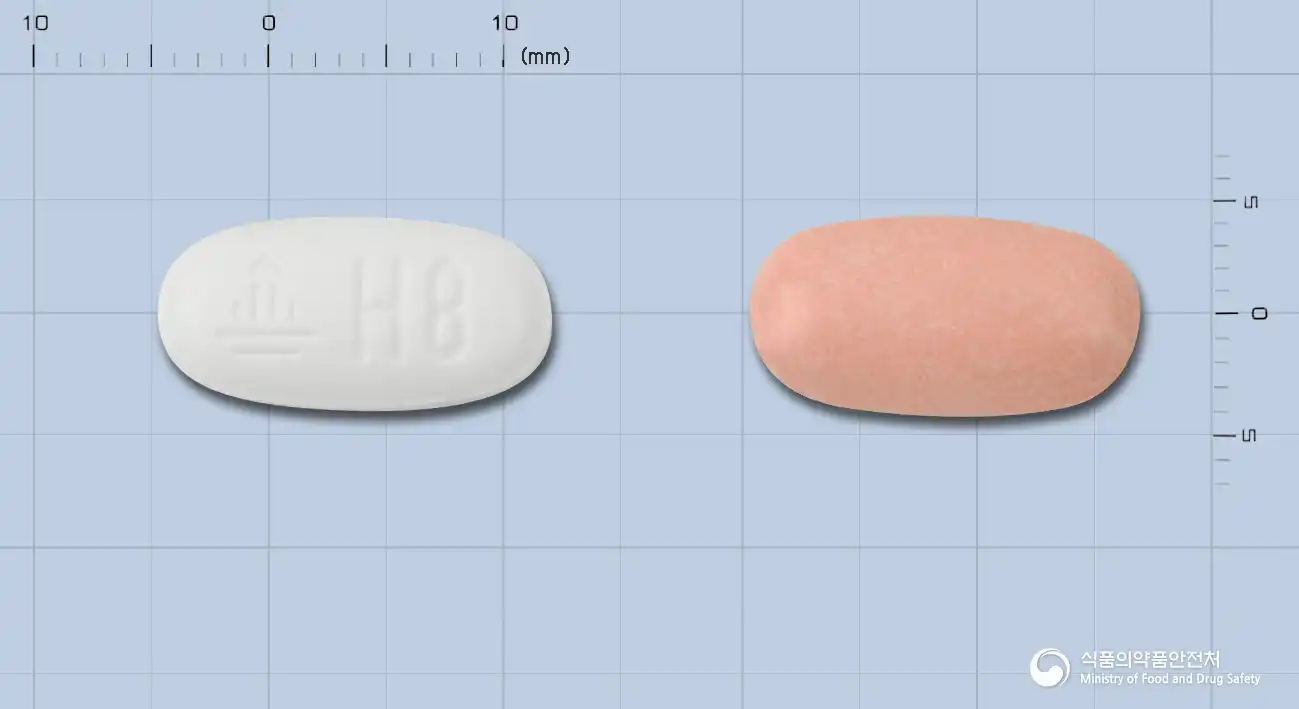 Combination
Telmisartan 80mg · Hydrochlorothiazide 12.5mg
Tablet · Prescription medication · Combination
Boehringer Ingelheim Korea Co., Ltd.
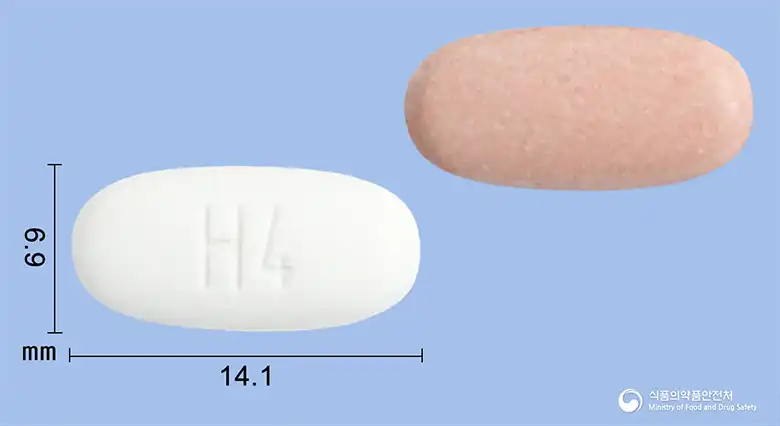 Combination
Telmisartan 40mg · Hydrochlorothiazide 12.5mg
Tablet · Prescription medication · Combination
Kwangdong Pharmaceutical Co., Ltd.
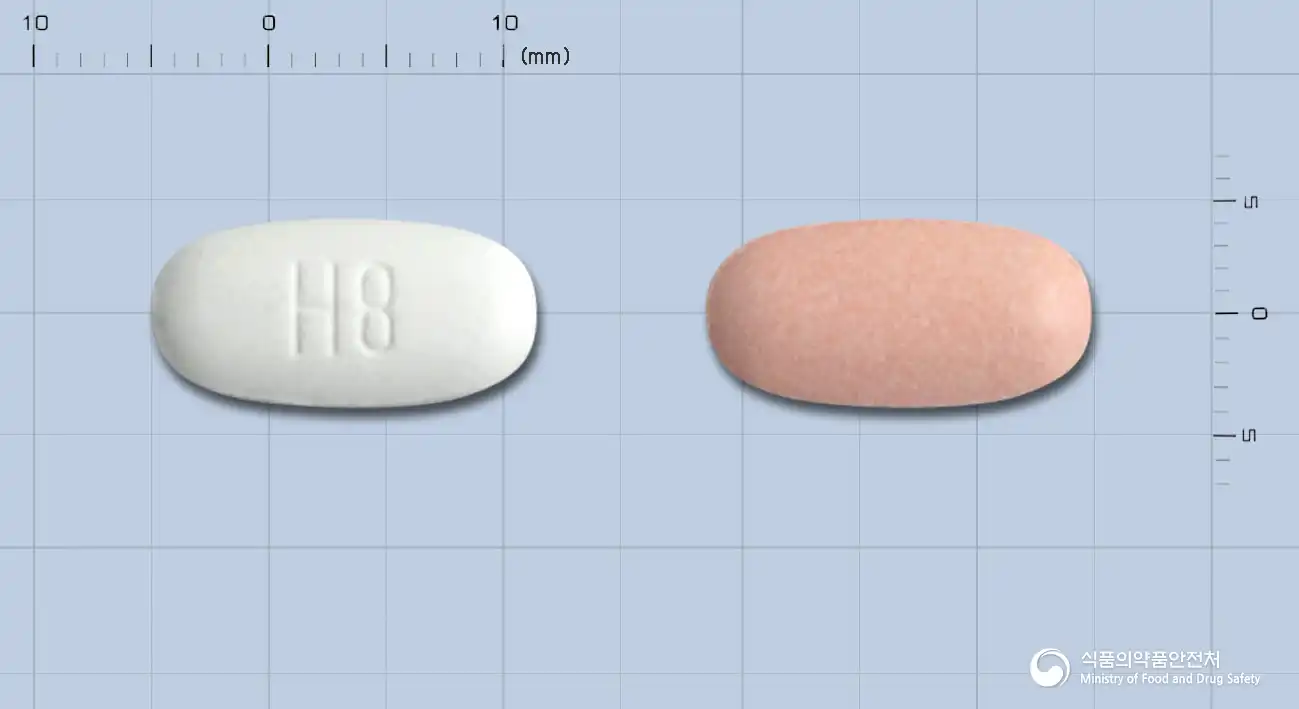 Combination
Telmisartan 80mg · Hydrochlorothiazide 12.5mg
Tablet · Prescription medication · Combination
Kwangdong Pharmaceutical Co., Ltd.
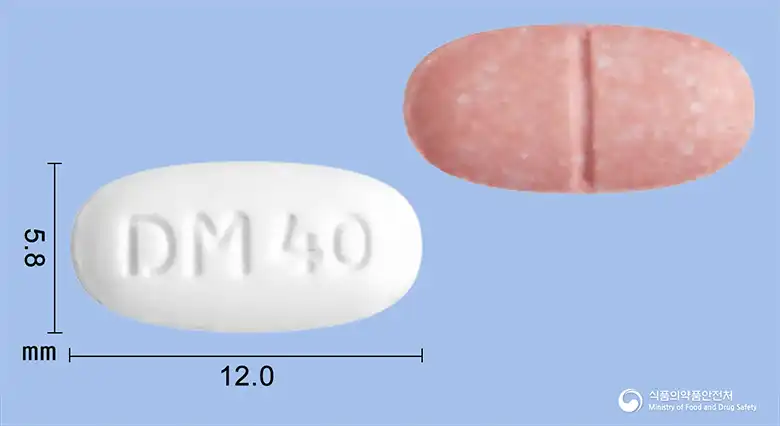 Combination
Telmisartan 40mg · Hydrochlorothiazide 12.5mg
Tablet · Prescription medication · Combination
Dasan Pharmaceutical Co., Ltd.
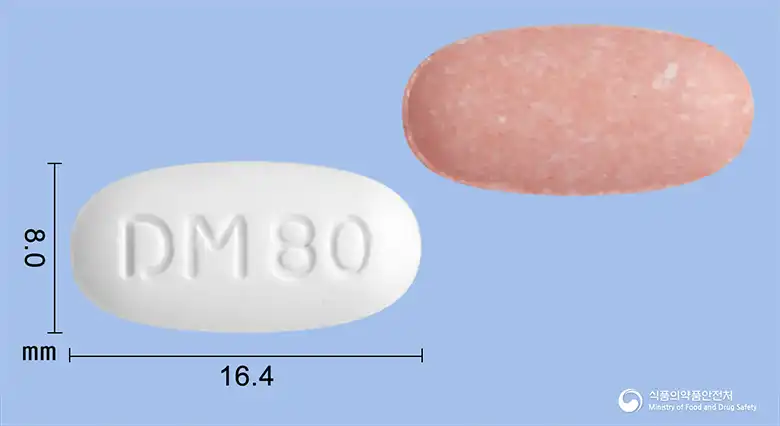 Combination
Telmisartan 80mg · Hydrochlorothiazide 12.5mg
Tablet · Prescription medication · Combination
Dasan Pharmaceutical Co., Ltd.
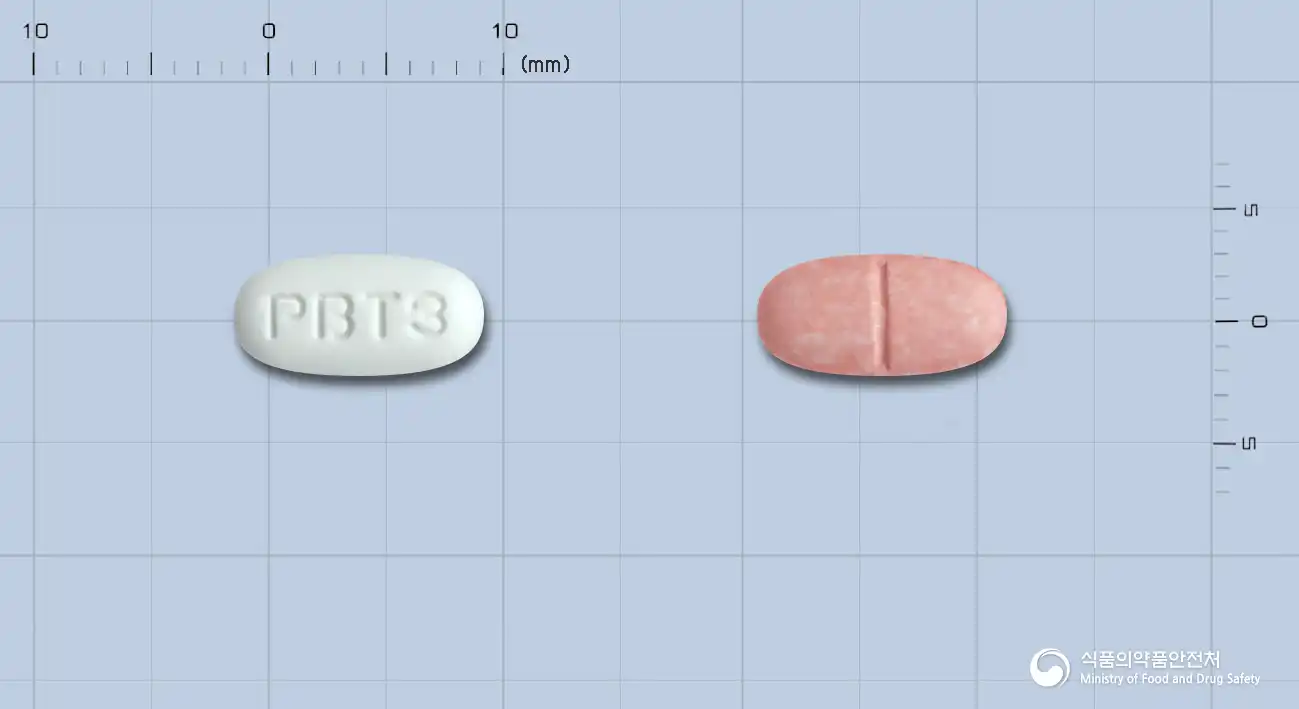 Combination
Telmisartan 40mg · Hydrochlorothiazide 12.5mg
Tablet · Prescription medication · Combination
Hanmi Pharm Co., Ltd.
Even with the same ingredient, the dose and directions can differ by strength and dosage form. Talk to a doctor or pharmacist before switching from a medication you are already taking.
No questions yet.
For anything that needs medical judgment, consult a doctor or pharmacist.
This drug information is based on data provided by the Korea Ministry of Food and Drug Safety.
Consult a doctor or pharmacist for accurate dosage, administration, and usage instructions.