
 한국어
한국어 English
 日本語
日本語 中文(简体)
Dosage form image
Viewing nowMetformin Extended-Release Tablets (Metformin Hydrochloride)
Metformin Hydrochloride 500mg
Tablet · Prescription medication
Hyple Life Sciences Co., Ltd.
MFDS item code 201906869 · Approved 2019.09.26
This product's status changed to Approval withdrawn on 2024.03.28. It may no longer be sold, so consult a doctor or pharmacist before taking it.
Improvement in blood sugar control treatment for Type 2 diabetes
This medication is used primarily for adults with Type 2 diabetes whose blood sugar control is not sufficiently managed by diet and exercise alone. It is especially effective in overweight diabetic patients and can be used alone or in combination with other oral hypoglycemic agents or insulin. This helps effectively control blood sugar levels, aiding in diabetes management.
Administer Metformin Hydrochloride Extended-Release Tablets 500mg once daily with the evening meal. Measure blood sugar levels after one week to adjust the dosage. The dose can be increased by 500mg weekly, with a maximum of 2000mg administered with the evening meal. If blood sugar control is not achieved with the maximum of 2000mg once daily, consider administering 1000mg twice daily with meals.
This medication can rarely cause a serious metabolic complication called lactic acidosis, which can result in death. Caution should be taken as hypoglycemic symptoms may occur when used together with other diabetes medications. It should not be administered to patients with moderate to severe impaired renal function or those with acute conditions such as dehydration, severe infections, or heart failure. If undergoing tests involving iodine-based contrast agents, this medication should be temporarily discontinued before and after the examination, and it should be resumed only after ensuring normal kidney function. It is contraindicated in patients with a history of allergic reactions to this medication, those with Type 1 diabetes, or those with ketoacidosis. Patients with severe infections or scheduled surgeries should also temporarily discontinue this medication, and it can be resumed once the condition improves. It is also advisable not to use this medication if nutritional status is poor, or in cases of liver dysfunction, excessive alcohol consumption, severe dehydration, vomiting, or significant diarrhea. As this medication is excreted through the kidneys, regular kidney function tests should be done before and during treatment, and if renal function declines rapidly, use should be stopped. Blood glucose control should be monitored periodically during treatment, and hypoglycemic symptoms may occur, especially when used in conjunction with other hypoglycemic agents. Alcohol can increase the risk of side effects, so it is best to avoid drinking while taking this medication. During pregnancy, this medication can affect the fetus, so consultation with a doctor is essential if planning to become pregnant or if already pregnant. In breastfeeding mothers, this medication may pass into breast milk and affect the infant, so consultation with a healthcare professional regarding breastfeeding and medication use is necessary. Elderly patients are at higher risk for reduced kidney function, making dosage adjustment and monitoring of kidney function important. In case of overdose, the risk of lactic acidosis is greater than that of hypoglycemia, so if suspected, immediate medical attention should be sought for appropriate treatment. This medication should be swallowed whole and not chewed or crushed, and while its outer shell may appear in stool, this is a normal occurrence. Regular blood tests and kidney function tests during the course of this medication are important to ensure safety.
Lactic acidosis (can occur in acute renal function deterioration, cardiopulmonary disease, or sepsis), shortness of breath, muscle pain, weakness, abdominal pain, decreased body temperature, low blood pressure, resistant bradyarrhythmias
Not everyone experiences these, and they can vary from person to person.
This medication may be sensitive to air or moisture, so it should be stored in a tightly closed container. It is best to maintain a storage temperature between 1 to 30 degrees Celsius at room temperature. This will prolong the effectiveness of the medication.
White, double convex, rectangular extended-release tablet
30 tablets/bottle, 300 tablets/bottle
Even with the same ingredient, strength, dosage form and how it is taken can differ.
Metformin Hydrochloride 500mg
Tablet · Prescription medication
Hyple Life Sciences Co., Ltd.
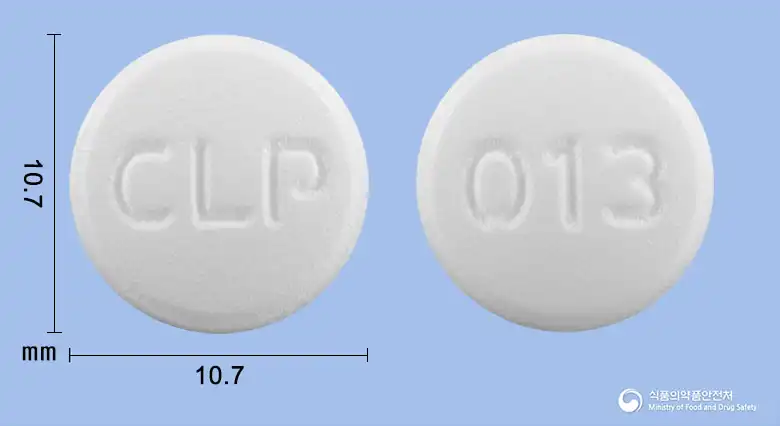
Metformin Hydrochloride 500mg
Tablet · Prescription medication
(Celltrion Pharmaceuticals)
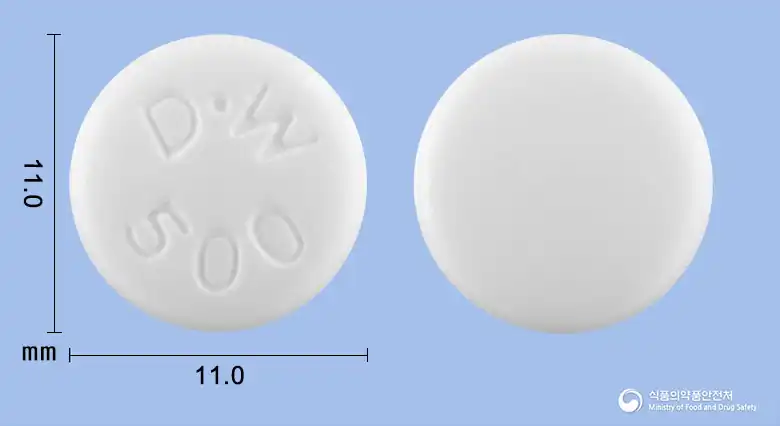
Metformin Hydrochloride 500mg
Tablet · Prescription medication
(Daewoong Pharmaceutical)
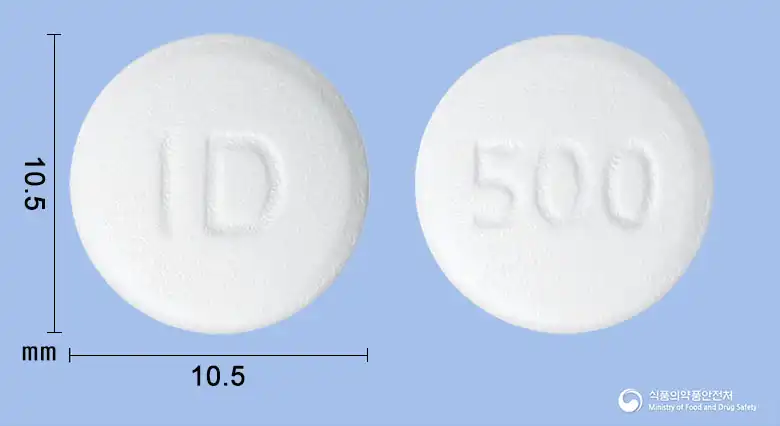
Metformin Hydrochloride 500mg
Tablet · Prescription medication
(Ildong Pharmaceutical Co., Ltd.)
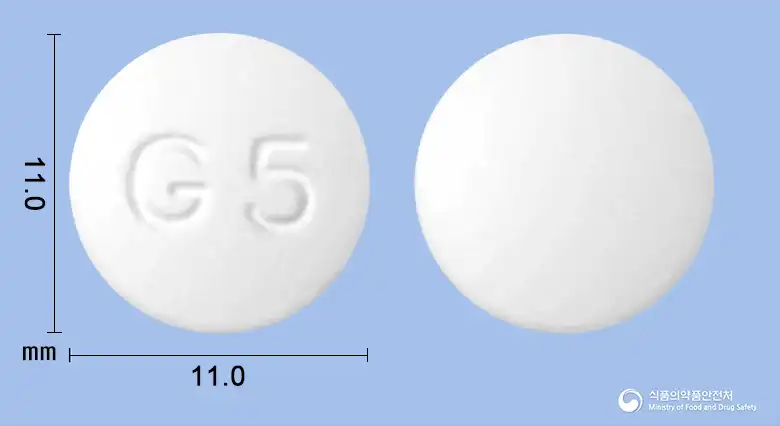
Metformin Hydrochloride 500mg
Tablet · Prescription medication
(Ilseong IS Co., Ltd.)
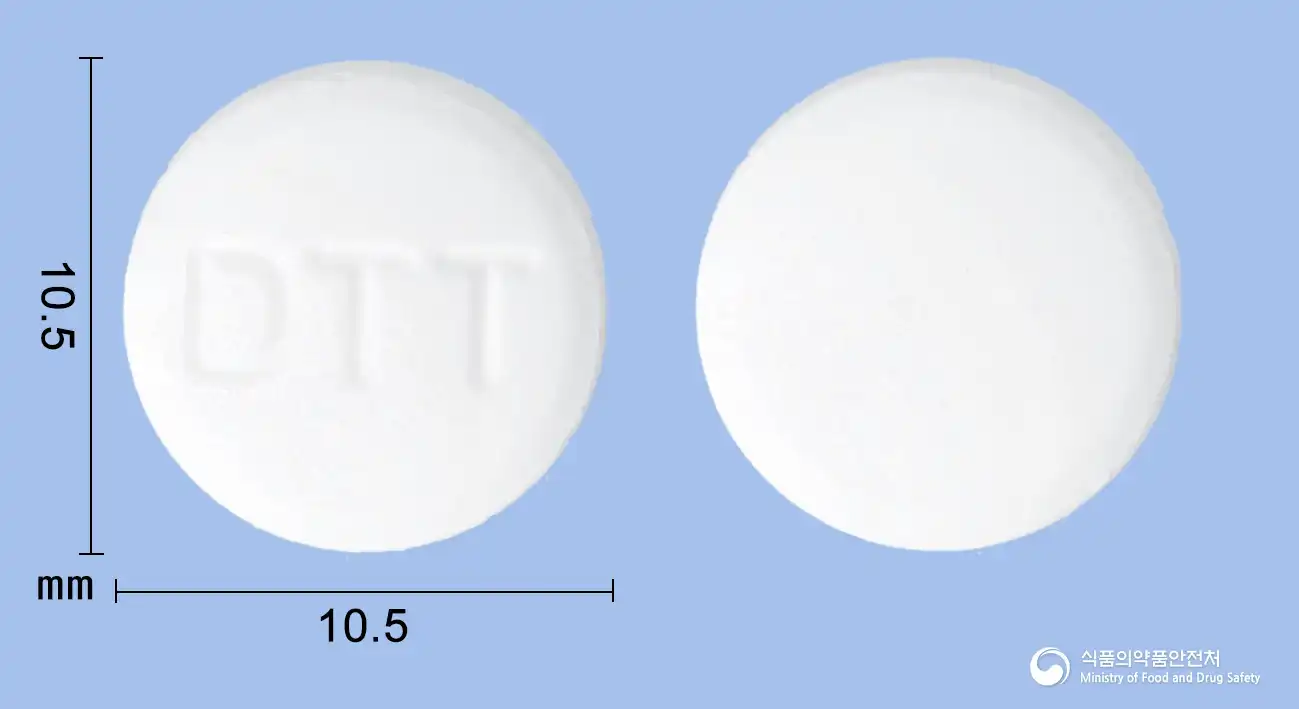
Metformin Hydrochloride 500mg
Tablet · Prescription medication
(Kyungdong Pharmaceutical Co., Ltd.)
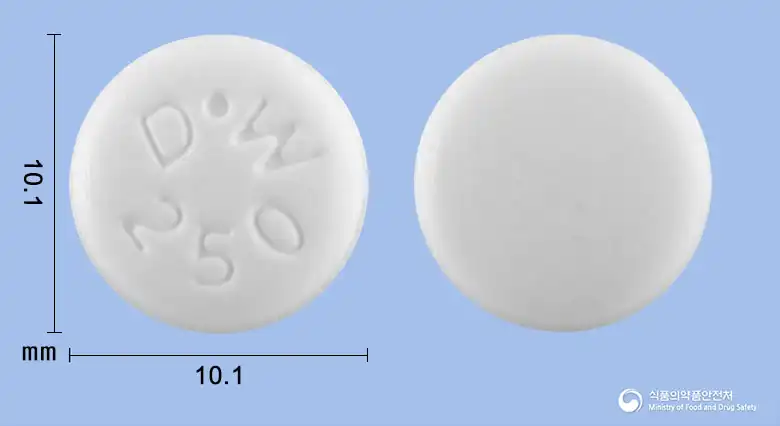
Metformin Hydrochloride 250mg
Tablet · Prescription medication
(Daewoong Pharmaceutical)
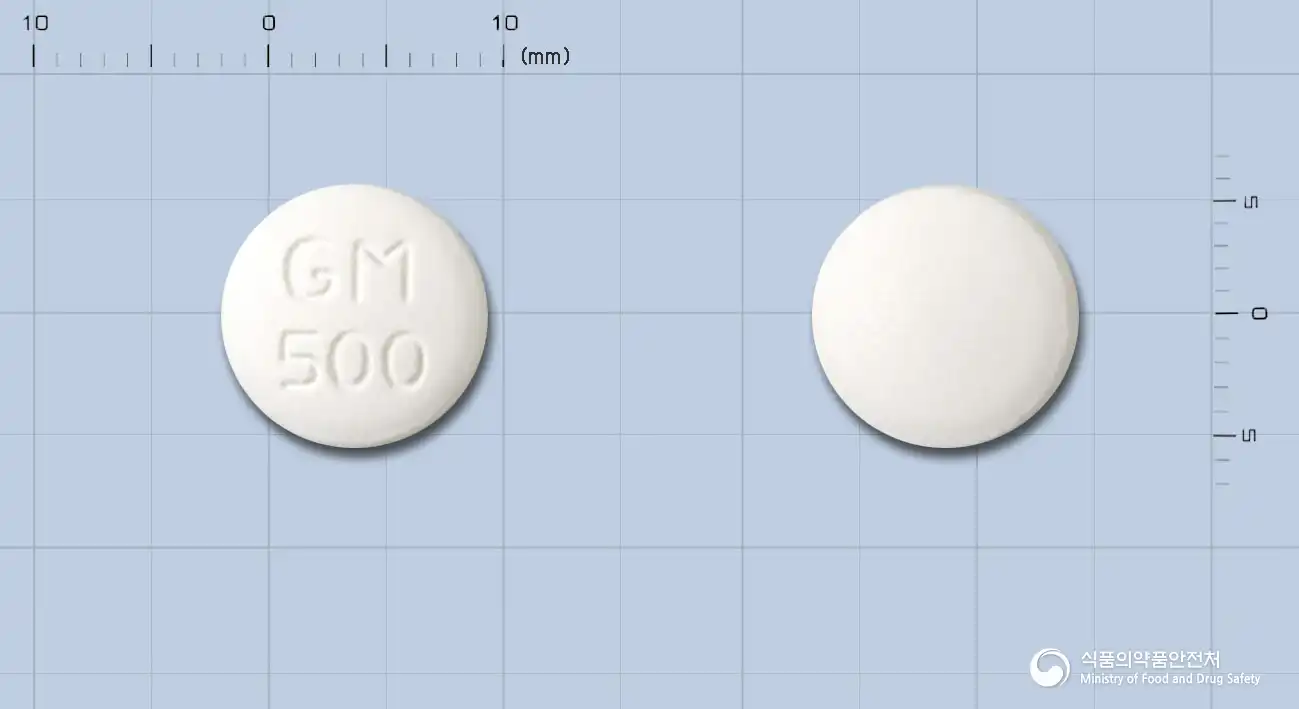
Metformin Hydrochloride 500mg
Tablet · Prescription medication
(Youngpoong Pharmaceutical Co., Ltd.)
Even with the same ingredient, the dose and directions can differ by strength and dosage form. Talk to a doctor or pharmacist before switching from a medication you are already taking.
No questions yet.
For anything that needs medical judgment, consult a doctor or pharmacist.
This drug information is based on data provided by the Korea Ministry of Food and Drug Safety.
Consult a doctor or pharmacist for accurate dosage, administration, and usage instructions.