
 한국어
 English
 日本語
 中文(简体)
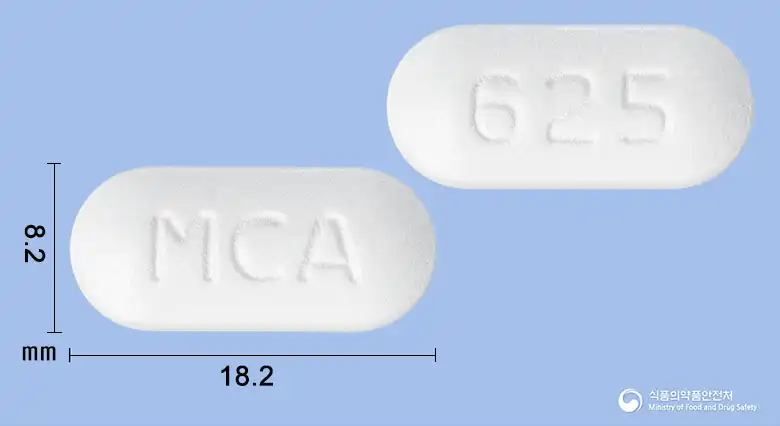 Viewing nowCombination
Aclao 625 mg Tablets (Amoxicillin-Potassium Clavulanate (4:1))
Amoxicillin Hydrate 500mg · Dilute Potassium Clavulanate 215.52mg
Tablet · Prescription medication · Combination
McNulty Pharmaceutical Co., Ltd.
MFDS item code 201906436 · Approved 2019.09.11 · Insurance code 641502480
Treatment of respiratory, genitourinary, skin, bone, and dental infections
This medication is used to treat infections caused by various bacteria. It treats respiratory infections such as acute and chronic bronchitis, pneumonia, empyema, and lung abscess, as well as tonsillitis, sinusitis, and otitis media. It is also effective for urogenital infections such as cystitis, urethritis, and pyelonephritis, and for the treatment of gonorrhea. It is used for skin and soft tissue infections such as boils, abscesses, soft tissue infections, wound infections, and osteomyelitis. It also helps in the treatment of dental infections. This medication is broadly used for infection treatment, targeting multiple types of pathogens.
○ Adults and children aged 12 years or older or weighing 40 kg or more: Administer amoxicillin/potassium clavulanate 250 mg/125 mg orally per dose 3 times daily, every 8 hours. For severe infections and respiratory tract infections, the dose may be increased to amoxicillin/potassium clavulanate 500 mg/125 mg per dose. ○ In patients with renal impairment, adjust the dose as appropriate according to creatinine clearance. - Adults: Creatinine clearance Dosage and administration 10 ~ 30 mL/min Administer 250 ~ 500 mg, expressed as the amount of amoxicillin, orally per dose every 12 hours. 10 mL/min or less Administer 250 mg, expressed as the amount of amoxicillin, per dose every 24 hours, without exceeding the dose. ○ However, for dental infections, administer 250 mg, expressed as the amount of amoxicillin, per dose 3 times daily for 5 days.
- Children: Reduce the dose in the same manner.
This medication is a beta-lactam antibiotic and should not be administered to patients who have had hypersensitivity reactions to penicillin-type or cephalosporin-type drugs. Particularly in patients with viral infections such as infectious mononucleosis or lymphocytic leukemia, there is a heightened risk of rash, and caution is required. Patients with a history of liver dysfunction or jaundice should also avoid administration due to the risk of relapse. Patients with liver impairment or moderate to severe kidney dysfunction may experience increased drug concentration, necessitating dosage adjustments and careful monitoring. Patients with allergies, elderly individuals, or those in poor general condition may also have an increased risk of adverse effects and should be closely monitored. Patients with gastrointestinal diseases may have reduced absorption of the medication, so their condition should be monitored. This medication can cause gastrointestinal side effects such as diarrhea, abdominal pain, and vomiting, and severe colitis or pancreatitis may occasionally occur, so any symptoms should be reported to healthcare personnel immediately. Liver function abnormalities may arise, necessitating liver function tests during and after treatment, especially in elderly males. Skin rashes, itching, and severe skin reactions such as Stevens-Johnson syndrome may appear, requiring discontinuation of the medication upon symptom discovery. Hematological abnormalities such as leukopenia, anemia, and thrombocytopenia have been reported infrequently, hence regular blood tests are recommended. Neurological symptoms such as headaches, dizziness, and seizures may occur infrequently, necessitating caution in case of neurological symptoms. Patients with impaired renal function are at risk for acute renal failure, so regular kidney function tests are necessary. Due to changes in the intestinal microbiota, candidiasis or stomatitis may develop, requiring appropriate action upon symptom occurrence. There may be a tendency for bleeding due to vitamin K deficiency, necessitating vigilance if symptoms of vitamin deficiency occur. It is recommended to administer this medication only for the minimum duration needed after sensitivity testing to help reduce the emergence of resistant bacteria. In severe cases of hypersensitivity, anaphylactic shock may occur, so patient condition should be closely monitored after administration. If diarrhea or abdominal cramps occur during antibiotic use, consider the possibility of pseudomembranous colitis and discontinue the medication immediately, consulting with healthcare personnel. Caution is required when administering for more than 14 days due to the risk of non-susceptible bacterial proliferation. Pregnant or breastfeeding women should avoid using this medication, except in early pregnancy or special cases, as adverse effects may appear in infants during breastfeeding. Children under 12 years old or weighing less than 40 kg are recommended to have the dosage adjusted according to creatinine clearance. The elderly are at higher risk for adverse effects due to decreased physiological functions, so careful monitoring regarding dosage and intervals is needed. This medication may interact with other drugs, particularly anticoagulants, probenecid, and allopurinol, so caution is required during co-administration. In case of overdose, gastrointestinal symptoms, kidney failure, or seizures may occur, necessitating immediate discontinuation and appropriate emergency treatment. Store in an airtight container to prevent moisture, in a cool, dry place, specifically at temperatures below 25 degrees Celsius. Regular inspections and consultations with healthcare personnel should be conducted to ensure safe usage based on clinical needs.
Diarrhea, pseudomembranous colitis, dyspepsia, stomatitis, gastritis, glossitis, melena, nausea, vomiting, anorexia, abdominal pain, abdominal distension, constipation, colonic pain, hyperacidity, stool incontinence, dry mouth syndrome, acute pancreatitis, candidiasis, antibiotic-induced colitis, blood in stool, itching, erythema multiforme, Stevens-Johnson syndrome, toxic epidermal necrolysis, vesicular exfoliative dermatitis, acute generalized exanthematous pustulosis, eosinophilia, angioedema, anaphylaxis, serum sickness syndrome, hypersensitivity vasculitis, bronchospasm, dyspnea, laryngeal edema, anaphylactic shock, leukopenia, thrombocytopenia, hemolytic anemia, anemia, thrombocytopenic purpura, eosinophilia, leukemia, agranulocytosis, lymphopenia, thrombocytosis, bone marrow suppression, prolonged bleeding time, prolonged prothrombin time, vaginal itching, vaginal burning, increased secretion, restlessness, anxiety, behavioral changes, confusion, drowsiness, insomnia, hyperactivity, dizziness, headache, convulsions, antiparkinsonian, fever, altered consciousness, aseptic meningitis, acute renal failure, interstitial nephritis, hematuria, crystalluria, symptoms of vitamin K deficiency, symptoms of vitamin B complex deficiency, linear IgA disease, taste abnormalities, fatigue, dermatitis, oral edema, stomach pain, fluid and electrolyte imbalance, rash, hyperactivity, drowsiness, renal failure, interstitial cerebral convulsions, hypersensitivity shock
Not everyone experiences these, and they can vary from person to person.
This medication should be stored in a tightly sealed container to prevent moisture and kept in a cool, dry place, specifically at temperatures below 25 degrees Celsius. Storing it this way will ensure the components of the medication remain unchanged and safe for use.
White or almost white rectangular film-coated tablets
60 tablets/PTP [4 tablets x 15]
Even with the same ingredient, strength, dosage form and how it is taken can differ.
Viewing nowCombinationAmoxicillin Hydrate 500mg · Dilute Potassium Clavulanate 215.52mg
Tablet · Prescription medication · Combination
McNulty Pharmaceutical Co., Ltd.
 Combination
Amoxicillin Hydrate 500mg · Dilute Potassium Clavulanate 215.52mg
Tablet · Prescription medication · Combination
Geonil Pharmaceutical Co., Ltd.
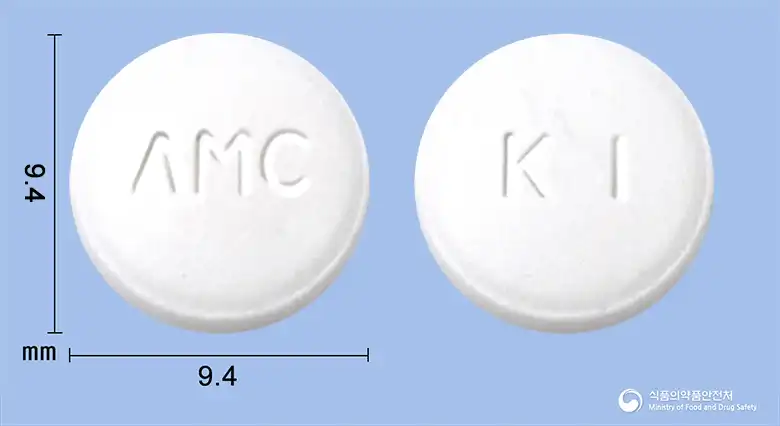 Combination
Amoxicillin Hydrate 125mg · Dilute Potassium Clavulanate 107.76mg
Tablet · Prescription medication · Combination
Geonil Pharmaceutical Co., Ltd.
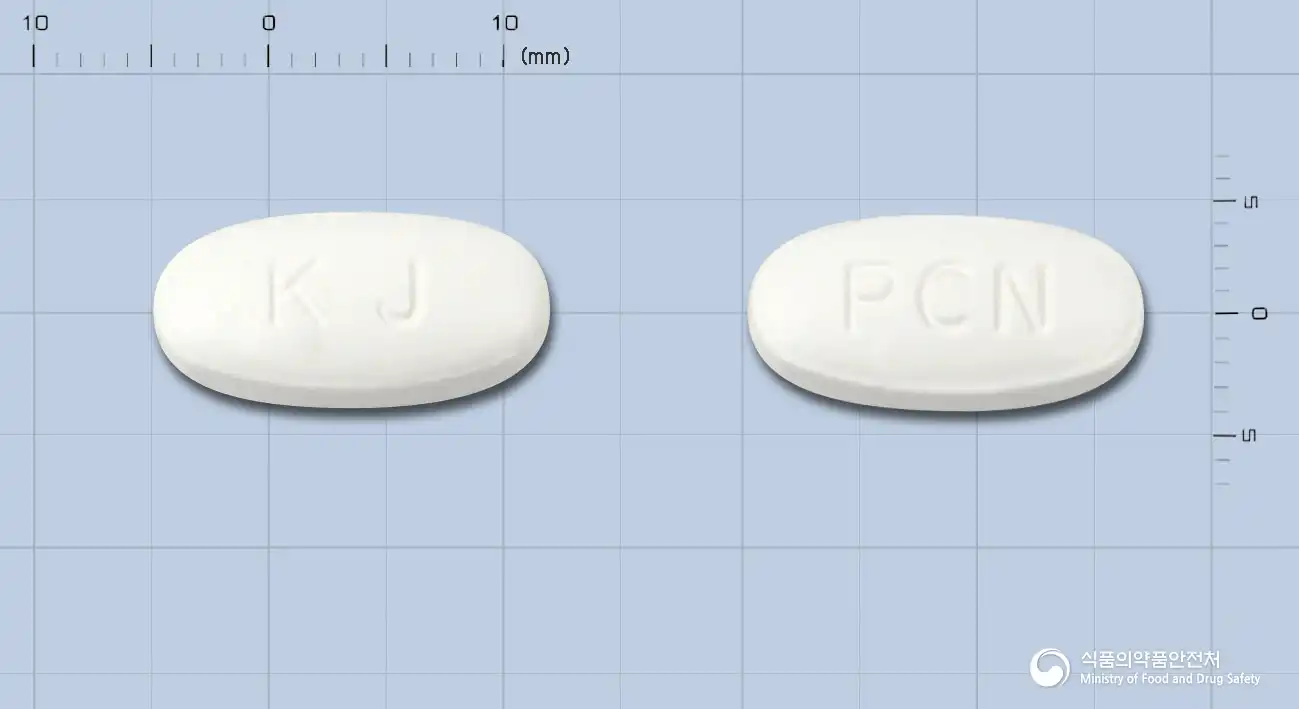 Combination
Amoxicillin Hydrate 250mg · Dilute Potassium Clavulanate 212.73mg
Tablet · Prescription medication · Combination
International Pharmaceutical Co., Ltd.
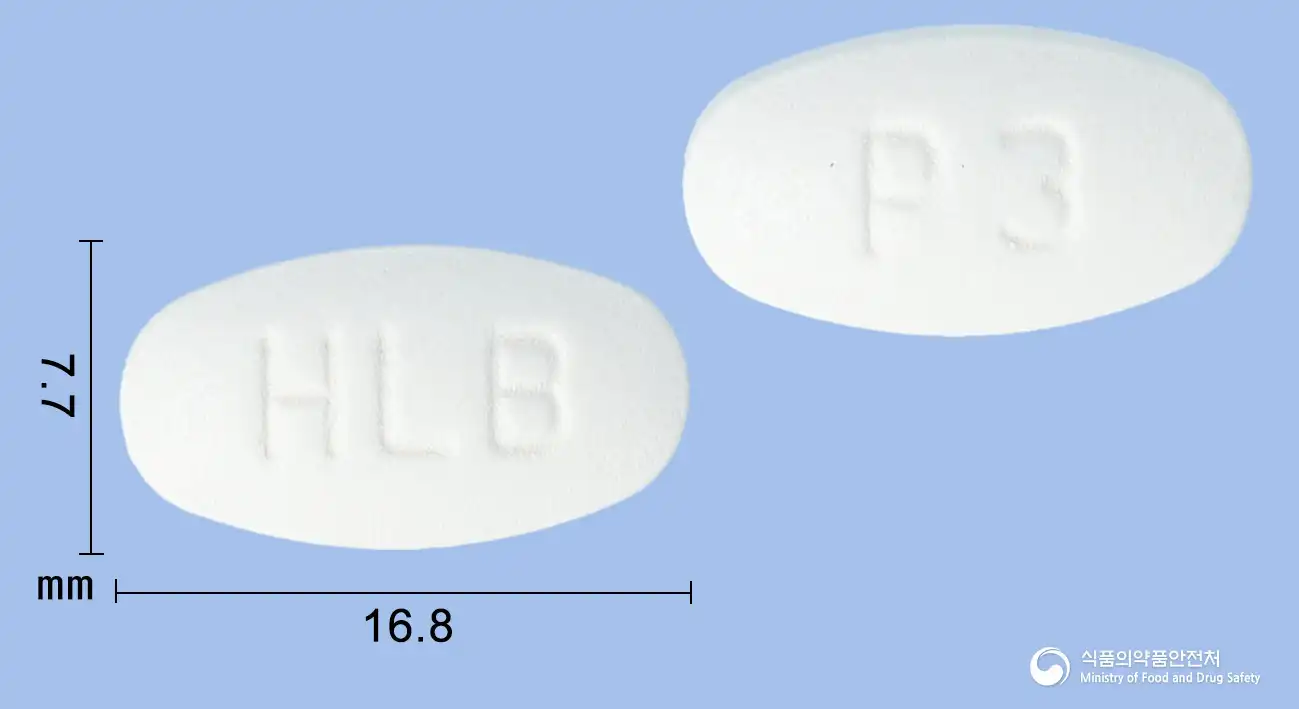 Combination
Amoxicillin Hydrate 250mg · Dilute Potassium Clavulanate 215.52mg
Tablet · Prescription medication · Combination
HLB Pharmaceutical Co., Ltd.
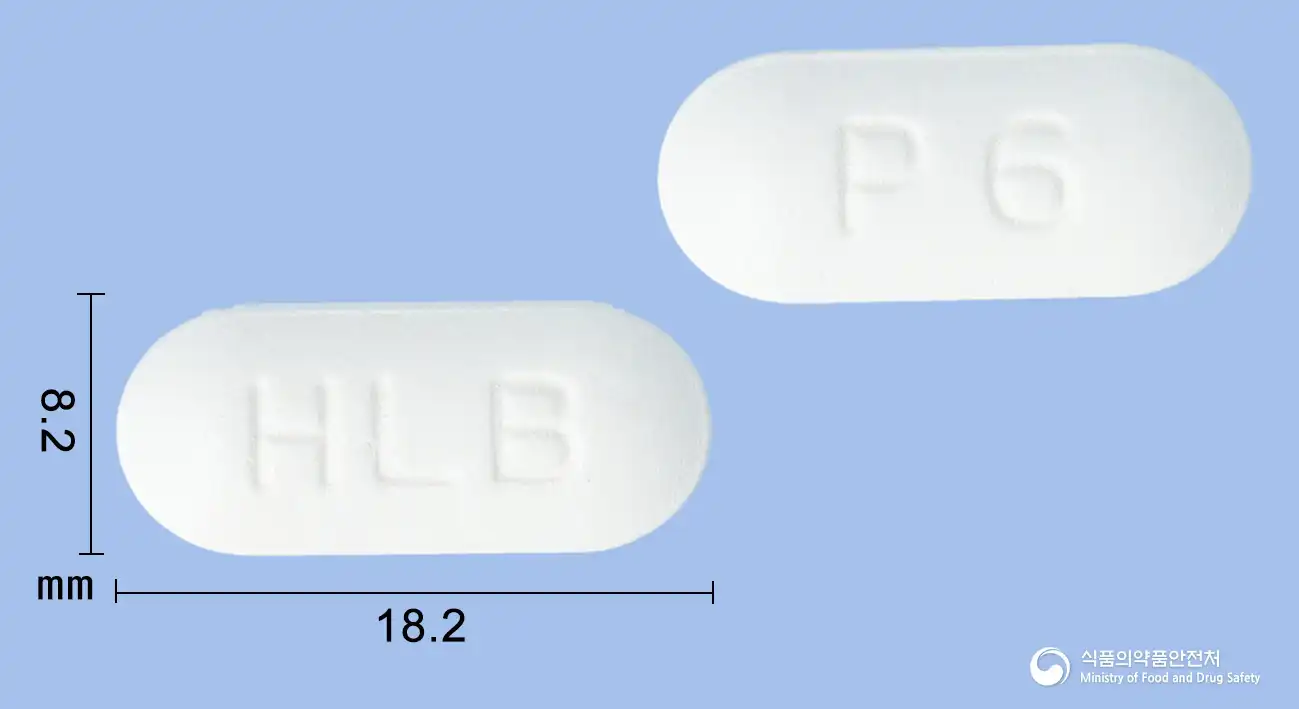 Combination
Amoxicillin Hydrate 500mg · Dilute Potassium Clavulanate 215.52mg
Tablet · Prescription medication · Combination
HLB Pharmaceuticals Co., Ltd.
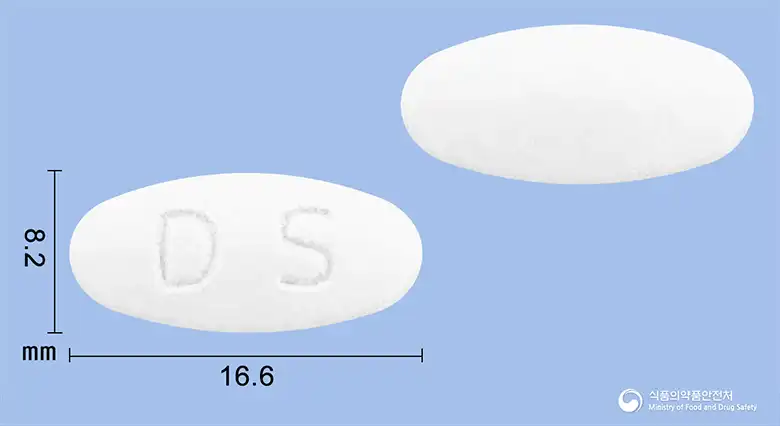 Combination
Amoxicillin Hydrate 250mg · Dilute Potassium Clavulanate 215.52mg
Tablet · Prescription medication · Combination
Dong Sung Pharmaceutical Co., Ltd.
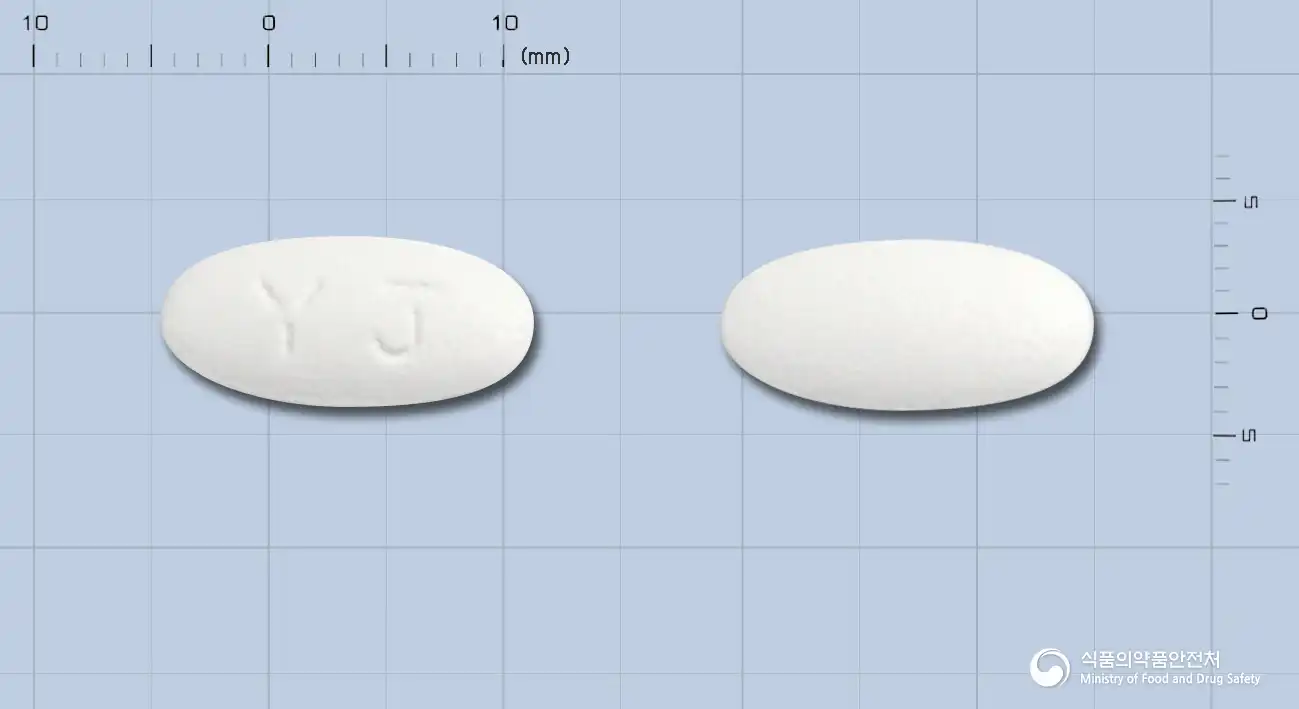 Combination
Amoxicillin Hydrate 250mg · Dilute Potassium Clavulanate 212.73mg
Tablet · Prescription medication · Combination
Youngjin Pharmaceutical Co., Ltd.
Even with the same ingredient, the dose and directions can differ by strength and dosage form. Talk to a doctor or pharmacist before switching from a medication you are already taking.
No questions yet.
For anything that needs medical judgment, consult a doctor or pharmacist.
This drug information is based on data provided by the Korea Ministry of Food and Drug Safety.
Consult a doctor or pharmacist for accurate dosage, administration, and usage instructions.